
Lucas Gas Treatment: Does It Really Work? Expert Review
When your vehicle starts showing signs of fuel system problems—rough idling, poor acceleration, or increased emissions—many drivers turn to fuel additives like Lucas Gas Treatment. This popular product claims to clean fuel injectors, improve fuel economy, and restore engine performance. But does it actually deliver on these promises, or is it just another automotive snake oil? As sustainability-conscious consumers, understanding the real impact of fuel additives on engine efficiency and environmental performance matters more than ever.
Lucas Gas Treatment has been on the market since the 1980s and has built a reputation as a trusted fuel system cleaner. The product contains detergents designed to dissolve carbon deposits in fuel injectors and combustion chambers. However, the automotive industry and independent researchers have varying opinions on its effectiveness. This expert review examines the science behind Lucas Gas Treatment, evaluates real-world performance data, and helps you determine whether this additive is worth your investment.
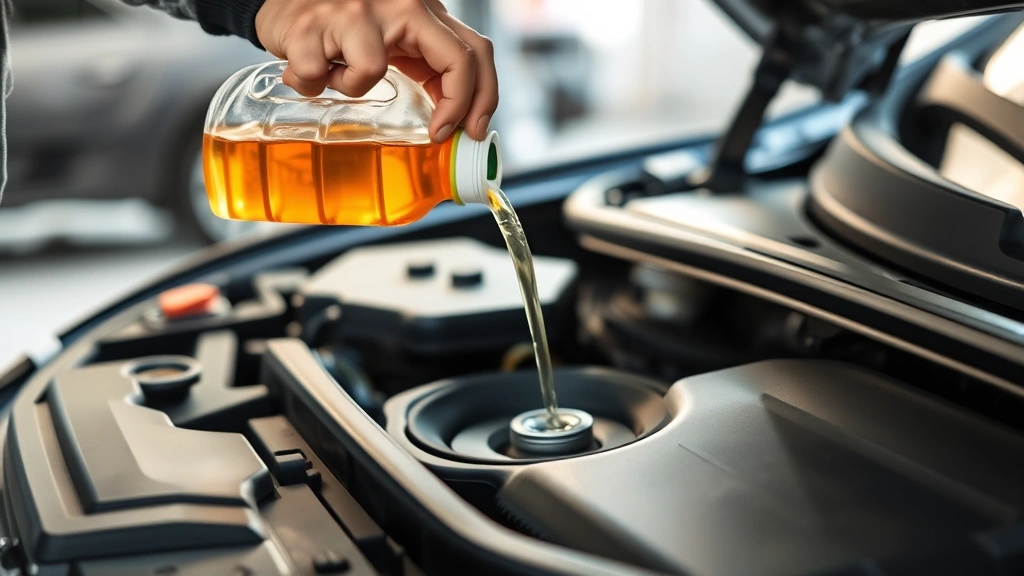
What Is Lucas Gas Treatment?
Lucas Gas Treatment is a fuel system cleaner and conditioner manufactured by Lucas Oil Products, an American company specializing in motor oils and automotive additives. The product comes in a distinctive yellow bottle and is designed to be added directly to your vehicle’s fuel tank. According to the manufacturer, it contains detergents and lubricants that work synergistically to clean fuel injectors, intake valves, and combustion chambers.
The formulation includes petroleum distillates and proprietary additives that claim to dissolve varnish and carbon buildup. A typical 16-ounce bottle costs between $8 and $12 and treats approximately 16 gallons of fuel. The product is marketed as a preventative maintenance solution and a remedial treatment for vehicles experiencing performance issues. Unlike some competitors, Lucas Gas Treatment does not contain alcohol, which the manufacturer argues makes it safer for fuel system components.
The product appeals to DIY mechanics and professional technicians alike because it requires no special equipment—you simply pour it into your fuel tank before filling up with gasoline. This simplicity has contributed to its widespread adoption across North America and beyond.
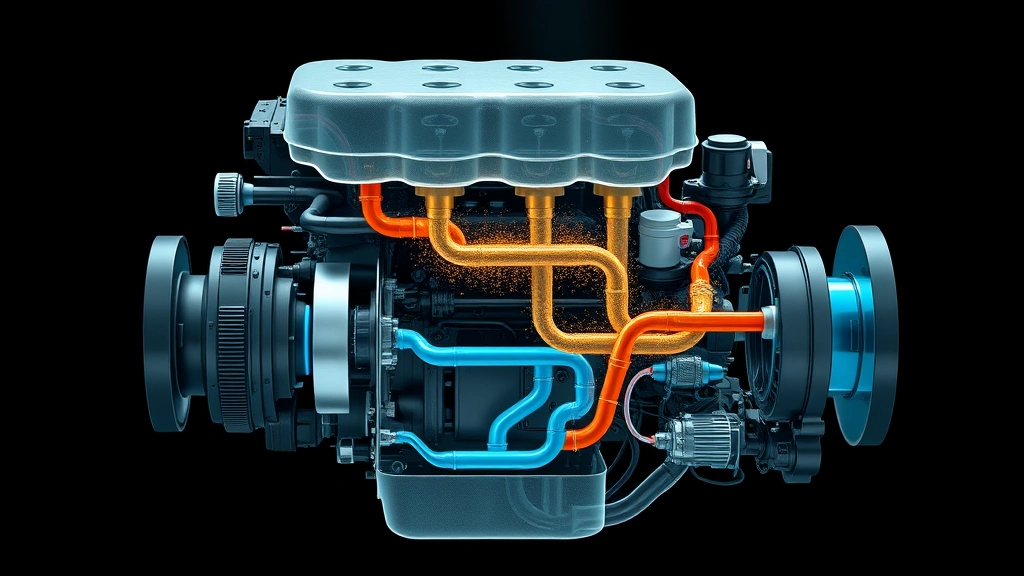
How Does It Work?
Understanding the mechanism of action helps evaluate whether Lucas Gas Treatment can deliver real results. The product works through several chemical processes:
- Detergent Action: The detergent package in Lucas Gas Treatment is designed to suspend carbon deposits and varnish particles so they remain dissolved in the fuel rather than accumulating on fuel injectors and intake valves. These suspended particles then pass through the fuel system and are burned during combustion.
- Lubrication: The additive contains lubricating compounds that protect fuel pump components and fuel injector tips, which can wear over time due to friction and corrosive fuel compounds.
- Deposit Prevention: By maintaining fuel system cleanliness, the product aims to prevent future buildup of deposits that could compromise engine performance.
The chemistry behind fuel system detergents is well-established. The EPA regulates fuel additives and has established baseline detergent requirements for all gasoline sold in the United States. However, premium gasoline typically contains higher concentrations of detergents than regular gasoline. Lucas Gas Treatment aims to supplement these factory detergents for enhanced cleaning power.
The product’s effectiveness depends on several factors: the severity of existing deposits, the type of fuel injectors in your vehicle, driving conditions, and fuel quality. Vehicles that primarily take short trips around town accumulate deposits more quickly than those driven primarily on highways. Similarly, older fuel injectors may respond differently to treatment than newer designs.
Does It Actually Work?
This is the critical question, and the answer is nuanced. Lucas Gas Treatment does work, but perhaps not as dramatically as marketing suggests. Independent testing and real-world user experiences paint a more realistic picture:
Laboratory Testing: Fuel additive manufacturers conduct internal tests showing deposit reduction. However, independent laboratory studies are limited. The American Petroleum Institute (API) has established standardized tests for fuel detergent effectiveness, and products meeting these standards do provide measurable cleaning benefits. Lucas Gas Treatment meets or exceeds API standards, which suggests it does provide genuine cleaning action.
Real-World Performance: User reviews are mixed but generally positive. Many drivers report improved fuel economy (typically 1-3%), smoother idling, and slightly better throttle response after using Lucas Gas Treatment. However, these improvements are often modest and may not be noticeable in newer vehicles with already-clean fuel systems. Older vehicles with significant carbon buildup tend to show more dramatic improvements.
Professional Mechanic Perspectives: Mechanics who use Lucas Gas Treatment report that it provides measurable benefits for vehicles with fuel system problems. Some recommend it as a preventative maintenance step, while others reserve it for vehicles showing specific symptoms. Few mechanics claim it’s a miracle cure, but many acknowledge it as a legitimate maintenance product.
The key insight is that Lucas Gas Treatment works best when you have a specific problem to solve. If your vehicle runs smoothly and achieves good fuel economy, you may not notice any difference. If your vehicle has rough idle, hesitation, or poor fuel economy due to fuel system deposits, Lucas Gas Treatment is more likely to deliver noticeable improvements.
Potential Benefits
When used appropriately, Lucas Gas Treatment offers several legitimate advantages:
- Improved Fuel Economy: Cleaner fuel injectors spray fuel more precisely, allowing your engine to run more efficiently. Modest fuel economy improvements of 1-3% are realistic expectations.
- Smoother Engine Operation: Dissolved carbon deposits can cause rough idling and hesitation. Removing these deposits restores smooth engine operation.
- Reduced Emissions: A cleaner fuel system burns fuel more completely, reducing harmful emissions. This aligns with broader advantages of electric vehicles and other emission-reduction strategies, though gasoline vehicles will always produce more emissions than electric alternatives.
- Extended Fuel Pump Life: The lubricating components in Lucas Gas Treatment protect fuel pump components from excessive wear, potentially extending the lifespan of this expensive component.
- Cost-Effective Maintenance: At $8-12 per treatment, Lucas Gas Treatment is far cheaper than professional fuel system cleaning services, which can cost $150-300.
- Easy Application: No special equipment or professional installation required—simply pour and drive.
Drawbacks and Concerns
Despite its benefits, Lucas Gas Treatment has some legitimate limitations and concerns:
Modest Results in Modern Vehicles: Modern gasoline already contains EPA-mandated detergents, and fuel injection systems are more advanced than older designs. Many newer vehicles may show minimal improvement because their fuel systems are already relatively clean.
Not a Cure-All: Lucas Gas Treatment cannot fix mechanical problems like failing fuel injectors, damaged fuel pumps, or worn engine components. If your vehicle has a genuine mechanical fault, this additive won’t resolve it.
Overuse Concerns: Some mechanics caution against using Lucas Gas Treatment more than once per month or in excessive quantities. While the product is generally safe, overuse could potentially affect fuel system components designed for standard fuel specifications.
Environmental Considerations: While Lucas Gas Treatment itself is relatively benign, it’s important to recognize that it’s still a petroleum-based product. From an environmental perspective, the best approach is reducing fuel consumption through sustainable energy solutions rather than relying on additives to optimize gasoline engine performance.
Lack of Transparency: The exact formulation of Lucas Gas Treatment is proprietary, making it difficult to assess all ingredients and their environmental impact. The manufacturer doesn’t publicly disclose detailed chemical composition.
Environmental Impact
As sustainability-conscious consumers, we should consider the environmental implications of fuel additives. Lucas Gas Treatment has several environmental dimensions worth examining:
Positive Aspects: By improving fuel economy and reducing emissions, Lucas Gas Treatment provides minor environmental benefits. A vehicle that achieves even 2% better fuel economy produces slightly less CO2 over its lifetime. Additionally, cleaner combustion means fewer particulate emissions and reduced smog-forming pollutants.
Concerns: The product is a petroleum-derived chemical additive, which means its production and disposal have environmental costs. Furthermore, it’s designed to keep people driving gasoline-powered vehicles rather than transitioning to electric vehicles or cleaner alternatives. From a long-term sustainability perspective, optimizing gasoline engines is a band-aid solution rather than addressing the fundamental need to transition away from fossil fuels.
The Bigger Picture: While Lucas Gas Treatment can modestly improve gasoline engine efficiency, it cannot solve the core environmental problem of carbon emissions from combustion engines. According to the EPA’s climate impact data, transportation accounts for approximately 27% of U.S. greenhouse gas emissions, with light-duty vehicles contributing the majority. Individual fuel additives have negligible impact on this systemic problem.
For maximum environmental benefit, prioritize transitioning to electric vehicles or other zero-emission transportation when possible. If you must drive a gasoline vehicle, Lucas Gas Treatment can be a reasonable maintenance tool to optimize its efficiency, but it should not be viewed as a sustainability solution.
Better Alternatives
If you’re concerned about fuel system cleanliness and efficiency, consider these alternatives and complementary approaches:
- Premium Gasoline: Top-tier gasoline from major brands (Shell, Chevron, Mobil) contains significantly more detergents than regular gasoline. Switching to premium fuel provides continuous cleaning benefits without additives. Over time, this may provide better results than occasional Lucas Gas Treatment applications.
- Professional Fuel System Cleaning: For severely contaminated fuel systems, professional cleaning services using specialized equipment can provide more thorough results than fuel additives. Expect to pay $150-300 for this service.
- Regular Oil Changes: Keeping your engine oil clean and at proper levels prevents carbon buildup and supports overall engine health. This is fundamental maintenance that often matters more than fuel additives.
- Proper Tire Maintenance: Under-inflated tires increase rolling resistance and reduce fuel economy. Maintaining proper tire pressure is free and often provides greater fuel economy improvements than additives.
- Smooth Driving Habits: Aggressive acceleration and high-speed driving significantly increase fuel consumption. Adopting smooth acceleration and moderate speeds can improve fuel economy by 15-30%—far more than any additive can achieve.
- Transition to Cleaner Vehicles: The most impactful alternative is upgrading to an electric vehicle or hybrid, which eliminates fuel system issues entirely while dramatically reducing emissions.
For comprehensive guidance on fuel options, review our analysis of liquid propane versus natural gas to understand the broader context of fuel choices. Additionally, understanding the advantages of natural gas helps contextualize where gasoline vehicles fit in the energy landscape.
FAQ
Is Lucas Gas Treatment safe for my vehicle?
Yes, Lucas Gas Treatment is generally safe for modern vehicles when used as directed. The product has been used for decades without widespread reports of damage to fuel systems. However, avoid exceeding recommended dosages and don’t use it more frequently than once per month unless specifically recommended for severe problems.
How often should I use Lucas Gas Treatment?
For preventative maintenance, most users apply Lucas Gas Treatment once or twice per year—roughly every 6,000-8,000 miles of driving. For vehicles with existing fuel system problems, monthly applications for 2-3 months followed by maintenance doses may be appropriate. Always follow the manufacturer’s recommendations on the bottle.
Will Lucas Gas Treatment improve my fuel economy?
Modest improvements of 1-3% are realistic expectations, and primarily occur in vehicles with fuel system deposits. Newer vehicles with already-clean fuel systems may show no measurable improvement. Don’t expect dramatic fuel economy gains.
Can Lucas Gas Treatment fix a failing fuel injector?
No. If your fuel injectors are mechanically damaged or worn, Lucas Gas Treatment cannot repair them. It can only clean deposits from injectors that are fundamentally sound. Failing injectors typically require professional replacement.
Is Lucas Gas Treatment better than other fuel additives?
Lucas Gas Treatment is comparable to other quality fuel system cleaners. Brands like Chevron Techron, Redline, and Gumout offer similar benefits. The best choice often depends on your specific vehicle and the nature of any fuel system problems. Professional recommendations from trusted mechanics are valuable here.
What’s the environmental impact of using Lucas Gas Treatment?
The environmental impact is modest and mixed. Improved fuel economy reduces emissions slightly, but the product itself is a petroleum-derived chemical. From a sustainability perspective, it’s a minor optimization tool rather than a meaningful environmental solution. Transitioning to electric vehicles provides far greater environmental benefit.
Does Lucas Gas Treatment work with ethanol fuel?
Yes, Lucas Gas Treatment is compatible with gasoline containing up to 10% ethanol (E10), which is standard in most U.S. markets. The product formulation accounts for ethanol’s properties and effects on fuel system components.
Can I use Lucas Gas Treatment in diesel engines?
No, Lucas Gas Treatment is formulated specifically for gasoline engines. Lucas Oil makes separate diesel fuel treatment products designed for diesel engines. Using the gasoline version in a diesel engine could cause problems.


