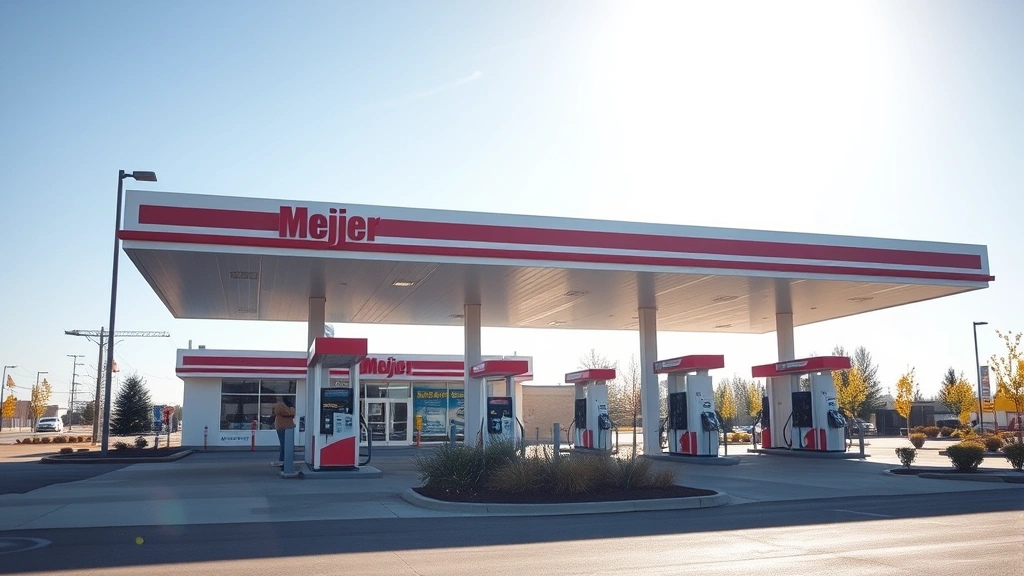
Is Meijer Gas Eco-Friendly? A Comprehensive Analysis
Meijer, one of the largest privately-held retailers in the United States, operates hundreds of gas stations across the Midwest. With growing environmental concerns and consumer demand for sustainable options, many shoppers wonder whether fueling up at Meijer stations aligns with their eco-conscious values. This comprehensive analysis examines Meijer’s fuel offerings, environmental practices, and how they compare to industry standards and alternatives.
The question of eco-friendliness extends beyond just the fuel itself. It encompasses Meijer’s sourcing practices, emissions reduction initiatives, renewable fuel blending, and corporate sustainability commitments. Understanding these factors helps consumers make informed decisions about where they purchase gasoline and what they can do to minimize their transportation environmental footprint.
Understanding Meijer’s Fuel Sources and Standards
Meijer gasoline comes from major petroleum refineries and meets all EPA and state fuel quality standards. The company sources its fuel through established supply chains that comply with federal regulations regarding detergents, sulfur content, and emissions standards. Like most U.S. gas stations, Meijer offers Tier 1 and Tier 2 fuel options, with premium grades containing additional detergents to help keep engines clean.
The fundamental issue with traditional gasoline—whether from Meijer or any other station—is that it remains a fossil fuel. Burning gasoline produces carbon dioxide and other greenhouse gases that contribute to climate change. According to the EPA’s greenhouse gas emissions data, transportation accounts for approximately 27% of total U.S. emissions, with light-duty vehicles responsible for the majority of that figure.
Meijer’s basic gasoline offerings are not inherently more eco-friendly than competitors’ fuel. All conventional gasoline has similar environmental impacts at the point of combustion. However, what distinguishes retailers is how they incorporate renewable fuel components and manage their environmental practices.
Renewable Fuel Blending and Ethanol Content
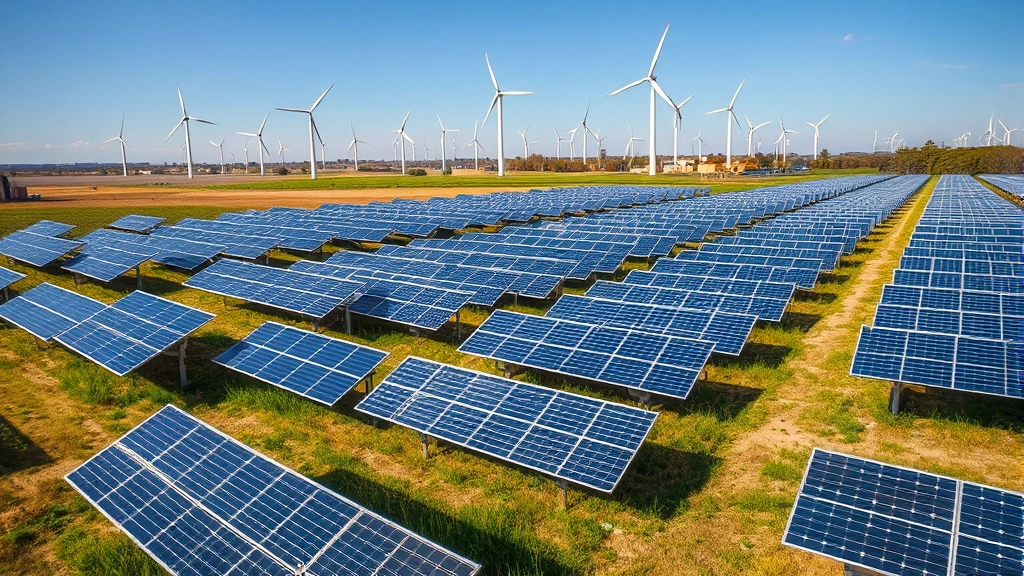
Most gasoline sold in the United States, including at Meijer stations, contains ethanol blends mandated by the Renewable Fuel Standard (RFS). The standard 10% ethanol blend (E10) is nearly universal across American gas pumps. Ethanol, produced primarily from corn in the U.S., is technically a renewable fuel component that reduces reliance on pure petroleum.
However, the environmental benefits of corn-based ethanol are debated among scientists and environmental organizations. While ethanol burns cleaner than pure gasoline, producing it requires significant water, fertilizer, and energy inputs. The agricultural practices associated with corn production can also contribute to soil degradation and water pollution if not managed sustainably.
Meijer does not appear to offer specialized higher-ethanol blends like E15 or E85 at most locations, which would provide a stronger renewable fuel option. For consumers seeking greater renewable content, this represents a limitation. Exploring sustainable energy solutions beyond traditional gasoline becomes increasingly important for environmentally conscious drivers.
The company’s fuel additive packages meet EPA Tier 2 standards, which help reduce emissions and engine deposits. These detergents can slightly improve fuel efficiency and reduce harmful particulates, though the overall environmental impact remains marginal compared to switching fuel types entirely.
Meijer’s Environmental Commitments and Certifications
Meijer has made various corporate sustainability commitments, though specific details about their fuel division’s environmental initiatives are limited in public documentation. The company has announced goals to reduce energy consumption in stores and distribution centers, improve waste management, and source products more sustainably.
The retailer participates in industry initiatives and complies with all environmental regulations regarding fuel storage, handling, and quality. Underground storage tanks at Meijer stations meet EPA standards for leak prevention and environmental protection. Regular inspections and maintenance help prevent fuel contamination and environmental damage.
However, Meijer does not prominently market carbon-neutral fuel options or offer specialized low-carbon gasoline products at most locations. This contrasts with some competitors who have explored partnerships with carbon offset programs or investments in renewable fuel infrastructure. The company’s primary focus appears to be operational efficiency rather than offering fundamentally different fuel products.
For consumers interested in how to reduce your environmental footprint, understanding corporate sustainability practices is valuable context when choosing where to purchase fuel.
Comparing Meijer Gas to Competitors
Compared to major competitors like Shell, BP, and Chevron, Meijer’s fuel offerings are relatively standard. Shell and BP have invested more heavily in renewable fuel research and low-carbon fuel initiatives, though these remain limited in most markets. Some competitors have partnered with environmental organizations or implemented carbon tracking programs.
Costco, another major fuel retailer, has emphasized fuel quality and consistency, similar to Meijer’s approach. Neither company positions fuel as a primary environmental initiative. Regional competitors vary in their sustainability messaging, with some highlighting ethanol content or fuel additives more prominently than others.
The reality is that conventional gasoline from any major retailer has similar environmental impacts. Differentiating factors include corporate transparency about environmental practices, willingness to invest in cleaner fuel infrastructure, and support for alternative fuel development. On these metrics, Meijer performs adequately but not exceptionally.
Consumer Impact and Carbon Footprint
The most significant environmental impact comes from fuel consumption itself, not the retailer. A gallon of gasoline produces approximately 8.8 kilograms of CO2 when burned, regardless of whether it comes from Meijer or competitors. The cumulative effect of millions of vehicles burning billions of gallons annually drives climate change.
Meijer fuel efficiency depends on vehicle type, driving habits, and maintenance. Using advantages of electric vehicles demonstrates how switching fuel types entirely offers far greater environmental benefits than choosing between conventional gasoline retailers.
Consumers can minimize their environmental impact by:
- Maintaining proper tire pressure and regular vehicle maintenance to maximize fuel efficiency
- Driving less through carpooling, public transportation, or remote work arrangements
- Choosing fuel-efficient or hybrid vehicles when purchasing new cars
- Considering electric vehicles for future transportation needs
- Consolidating trips to reduce overall miles driven
- Avoiding excessive idling and aggressive acceleration
These behavioral changes typically have far greater environmental impact than selecting a particular gas station.
Alternatives to Traditional Gasoline
For consumers seeking genuinely eco-friendly fuel options, alternatives exist beyond conventional gasoline:
Electric Vehicles: EVs produce zero tailpipe emissions and have significantly lower lifetime emissions, especially when charged with renewable electricity. The infrastructure continues expanding, making them increasingly practical for many drivers.
Hybrid Vehicles: These combine electric and gasoline power, reducing fuel consumption and emissions compared to conventional vehicles. They offer a practical transition option for those not ready for full electrification.
Plug-in Hybrids: PHEVs provide electric-only driving for daily commutes while maintaining gasoline backup for longer trips, offering flexibility and reduced emissions.
Alternative Fuels: Hydrogen fuel cell vehicles, compressed natural gas vehicles, and biodiesel options exist in some markets, though infrastructure remains limited.
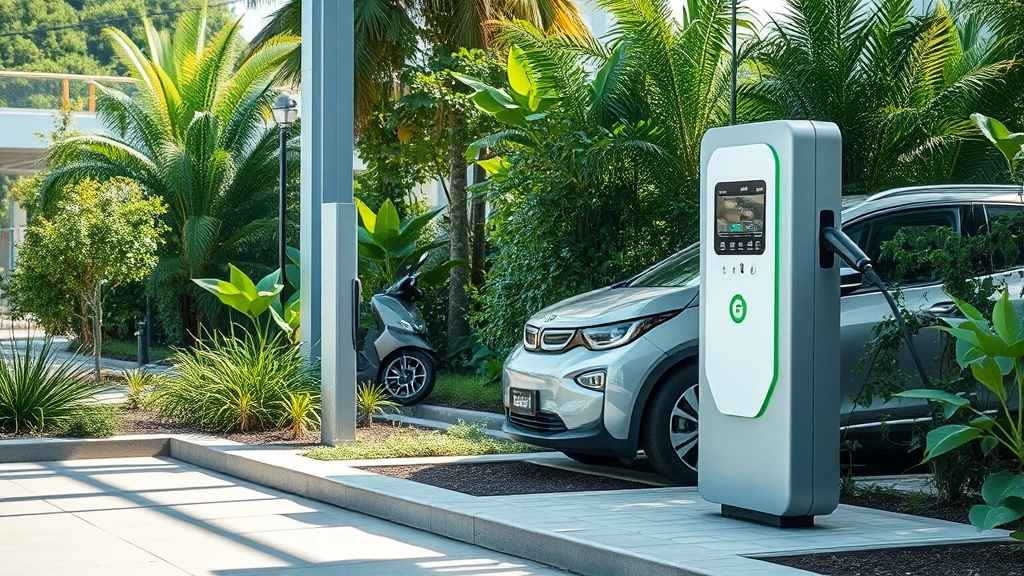
Meijer does not currently operate electric vehicle charging stations at most locations, representing a missed opportunity for supporting sustainable transportation. Some competitors have begun installing charging infrastructure, recognizing the future direction of transportation.
Future Sustainability Outlook
The transportation sector is undergoing significant transformation. Federal regulations increasingly emphasize vehicle electrification and reduced emissions. The EPA’s fuel economy standards continue tightening, pushing manufacturers toward cleaner vehicles.
Meijer’s future sustainability depends on several factors:
- Investment in EV charging infrastructure at gas stations
- Exploration of alternative fuel options and renewable fuel partnerships
- Public commitment to carbon reduction targets
- Transparency about environmental impacts and sustainability practices
- Support for emerging clean fuel technologies
Current trends suggest that traditional gasoline stations will gradually transition to multi-fuel hubs offering electric charging, hydrogen, and potentially other alternative fuels. Retailers that adapt proactively will better serve environmentally conscious consumers.
Exploring green technology innovations transforming our future reveals how rapidly the energy landscape is changing and what consumers should expect in coming years.
The International Energy Agency’s Global EV Outlook projects that electric vehicle adoption will accelerate significantly, potentially making traditional gasoline stations obsolete within decades in developed markets.
Environmental Impact Summary
Meijer gas is not meaningfully more or less eco-friendly than conventional gasoline from other retailers. The fuel meets all EPA standards and contains ethanol blends as mandated by federal regulations. However, the fundamental environmental challenge remains that burning any conventional gasoline produces significant greenhouse gas emissions.
Meijer’s corporate sustainability efforts are adequate but not exceptional. The company complies with environmental regulations and maintains fuel quality standards, but does not differentiate itself through innovative clean fuel programs, EV charging infrastructure, or aggressive carbon reduction targets.
For consumers prioritizing environmental impact, the most effective strategies involve reducing fuel consumption entirely through vehicle choice, driving habits, and transportation alternatives—not selecting between conventional gasoline retailers.
FAQ
Does Meijer offer ethanol-free gasoline?
Most Meijer locations do not prominently offer ethanol-free gasoline. Standard fuel contains the federally mandated 10% ethanol blend (E10). Ethanol-free options are increasingly rare as the Renewable Fuel Standard requires ethanol blending.
Is Meijer gas higher quality than competitors?
Meijer fuel meets EPA Tier 2 standards for detergent content and quality, similar to major competitors. There is no significant quality difference between Meijer gas and Shell, BP, or Chevron at comparable price points.
Does Meijer have electric vehicle charging stations?
Most traditional Meijer gas stations do not currently feature EV charging stations. This represents an opportunity for the company to better serve environmentally conscious consumers as vehicle electrification accelerates.
Can I offset my carbon emissions from Meijer fuel purchases?
Meijer does not offer integrated carbon offset programs through fuel purchases. However, consumers can purchase verified carbon offsets independently through organizations like Carbon Trust or participate in environmental programs that fund renewable energy and reforestation.
What’s the environmental impact of driving hybrid versus gasoline vehicles?
Hybrid vehicles produce 20-35% fewer emissions than comparable conventional vehicles, depending on driving patterns. Electric vehicles produce 50-70% fewer lifetime emissions than gasoline vehicles, even accounting for electricity generation.
Should I switch to a different gas station for environmental reasons?
Switching gas stations offers minimal environmental benefit. The most impactful changes involve reducing overall fuel consumption through vehicle choice, driving less, and supporting the transition to electric vehicles.
How does Meijer’s sustainability compare to competitors?
Meijer’s sustainability efforts are comparable to traditional fuel retailers but lag behind companies investing in EV infrastructure and alternative fuel development. Competitors like Shell and BP have made larger public commitments to clean energy transitions.


