Are Meijer Gas Prices Sustainable? Expert Analysis of Retail Fuel Economics and Environmental Impact
Meijer, one of the largest supermarket chains in the Midwest, has long positioned itself as a value-focused retailer offering competitive pricing across all product categories, including gasoline. However, the question of whether Meijer’s gas pricing strategy aligns with environmental sustainability principles requires a deeper examination of how fuel pricing, corporate responsibility, and climate impact intersect in the modern retail landscape.
In an era where climate change demands immediate action and consumers increasingly seek businesses that prioritize environmental stewardship, understanding the sustainability implications of everyday purchasing decisions—including where we buy fuel—has become essential. This analysis explores whether Meijer’s gas pricing practices support genuine sustainability goals or simply reflect traditional market competition divorced from ecological considerations.
Understanding Fuel Pricing and Sustainability
Sustainable pricing extends beyond simply offering low costs to consumers. True sustainability encompasses the full lifecycle environmental impact of a product, the transparency of supply chains, and the company’s commitment to reducing its carbon footprint and supporting the transition toward cleaner energy alternatives. When examining whether Meijer’s gas prices are sustainable, we must consider multiple dimensions of this complex issue.
The traditional gasoline market operates on principles of profit maximization and competitive pricing, often without accounting for environmental externalities. Externalities are costs imposed on society and the environment that aren’t reflected in the product’s price tag—such as air pollution, climate change contributions, and health impacts from emissions. A truly sustainable gas pricing model would ideally incorporate these costs or incentivize customers toward cleaner alternatives.
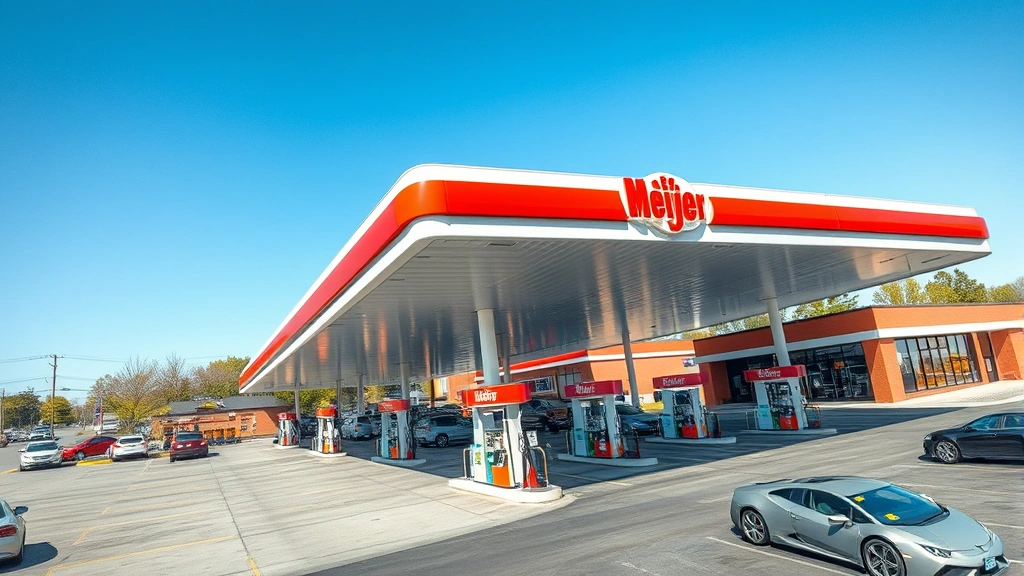
Meijer’s gas stations, which operate at many of their retail locations, compete aggressively on price to attract customers and drive additional in-store shopping. While this benefits consumers’ wallets in the short term, it raises important questions about whether aggressive fuel pricing promotes excessive consumption of fossil fuels and whether the company is adequately investing in sustainable energy solutions.
Meijer’s Gas Program: Overview and Market Position
Meijer operates one of the Midwest’s largest fuel networks, with gas stations at hundreds of locations across Michigan, Indiana, Illinois, Ohio, Wisconsin, and Kentucky. The company’s fuel program, particularly its loyalty rewards system, incentivizes high-volume fuel purchases through discounts and fuel rewards accumulated during grocery shopping.
The Meijer Rewards program offers customers fuel discounts—typically ranging from 10 to 50 cents per gallon—based on their grocery purchases. This strategy effectively subsidizes fuel consumption through grocery profits, creating a pricing structure that encourages drivers to purchase more fuel than they might otherwise. From a sustainability perspective, this raises concerns about incentivizing increased vehicle fuel consumption rather than promoting alternatives like public transportation, carpooling, or electric vehicles.
Meijer’s pricing strategy reflects industry-standard competitive practices but lacks visible sustainability differentiators. Unlike some progressive retailers exploring carbon-neutral operations or actively promoting advantages of electric vehicles, Meijer has not prominently positioned its fuel business as part of a broader sustainability strategy.
The Environmental Cost of Conventional Gasoline
To assess whether Meijer’s gas prices are sustainable, we must first understand the environmental burden of conventional gasoline consumption. Every gallon of gasoline burned releases approximately 19.6 pounds of carbon dioxide equivalent into the atmosphere, contributing directly to climate change. Beyond carbon emissions, gasoline combustion produces nitrogen oxides, particulate matter, and volatile organic compounds that degrade air quality and harm public health.
The EPA’s air quality standards reflect the serious health impacts of fossil fuel combustion, yet conventional fuel pricing fails to account for these societal costs. A gallon of gasoline priced at $3.00 doesn’t reflect the estimated $1.50-$3.00 in external environmental and health costs per gallon according to various economic analyses.
When Meijer offers discounted gas prices without simultaneously promoting cleaner alternatives or offsetting emissions, the company arguably perpetuates unsustainable consumption patterns. Truly sustainable pricing would either incorporate environmental costs or actively incentivize transitions to cleaner fuels.
According to the International Energy Agency, the transportation sector accounts for approximately 27% of global energy-related CO2 emissions, with personal vehicles representing a significant portion. Low fuel prices, particularly through loyalty programs that effectively subsidize consumption, can increase vehicle miles traveled and delay consumer adoption of efficient or alternative vehicles.
Corporate Sustainability Commitments in Retail
Leading retailers have begun integrating sustainability into their core business operations and marketing strategies. Companies like Target, Walmart, and Amazon have publicly committed to carbon neutrality goals, renewable energy adoption, and supply chain sustainability. These commitments, while imperfect, demonstrate growing recognition that sustainability is central to long-term business viability.
Meijer’s publicly stated sustainability initiatives focus primarily on operational efficiency—energy-efficient stores, waste reduction, and supply chain optimization. However, the company has not prominently highlighted fuel sustainability or made specific commitments to promote cleaner transportation alternatives through its fuel business. This represents a significant gap compared to retailers actively investing in green technology innovations transforming our future.
The absence of explicit sustainability branding around Meijer’s fuel program contrasts with opportunities the company could pursue. For example, Meijer could:
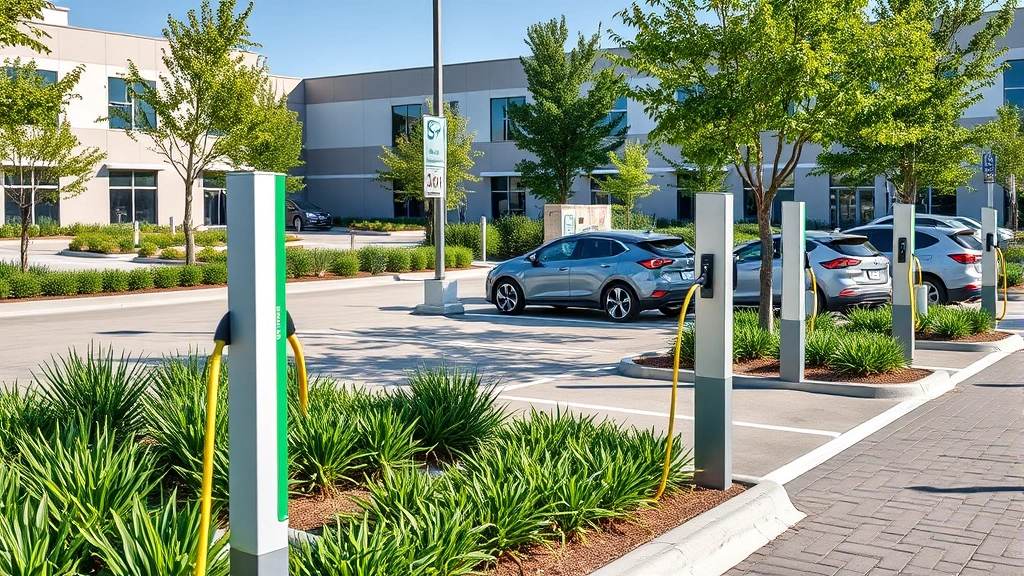
- Install electric vehicle charging stations at retail locations
- Offer preferential fuel rewards for customers driving hybrid or fuel-efficient vehicles
- Incorporate green gas or biofuel blends as premium offerings
- Transparently communicate environmental costs and encourage sustainable transportation choices
- Partner with environmental organizations to offset fuel-related emissions
The absence of these initiatives suggests that Meijer’s gas pricing strategy prioritizes competitive advantage and customer acquisition over environmental stewardship.
Comparing Alternative Fuel Options
When evaluating whether Meijer’s gas prices are sustainable, we must consider what alternatives exist and how they compare. The sustainability equation shifts dramatically when consumers have access to viable alternatives.
Electric Vehicles (EVs): The advantages of electric vehicles extend far beyond lower fuel costs. EVs produce zero tailpipe emissions, operate more efficiently than internal combustion engines, and become increasingly clean as electrical grids shift toward renewable energy. A customer driving an EV eliminates the need for Meijer’s discounted gasoline entirely—yet Meijer hasn’t positioned itself as facilitating this transition.
Biofuels and Renewable Gasoline: Green gas options, including ethanol blends and biodiesel, offer moderate environmental improvements over conventional gasoline. E85 (85% ethanol) and B20 (20% biodiesel) reduce lifecycle carbon emissions compared to pure petroleum products. However, Meijer’s fuel stations don’t prominently offer these alternatives at competitive prices.
Hybrid Vehicles: Hybrid technology significantly reduces fuel consumption and emissions compared to conventional vehicles. A hybrid driver using Meijer’s fuel rewards still benefits from lower prices but with substantially reduced environmental impact per mile driven.
The sustainability question becomes: does Meijer’s competitive fuel pricing actively promote consumption of conventional gasoline, or does it remain neutral regarding customer vehicle choices? Evidence suggests the former—aggressive fuel pricing and loyalty rewards incentivize fuel purchases without nudging customers toward cleaner alternatives.
Consumer Impact and Long-Term Sustainability
Individual consumer choices, aggregated across millions of drivers, shape transportation sector emissions and fuel demand. Meijer’s fuel pricing strategy influences these choices through both direct price signals and psychological incentives embedded in loyalty programs.
Research in behavioral economics demonstrates that loyalty rewards programs create powerful psychological effects beyond simple price reduction. Customers who accumulate fuel rewards develop habits around visiting Meijer stations, potentially driving more miles than necessary to utilize rewards. This “reward-seeking behavior” can increase overall fuel consumption even if per-gallon prices remain competitive.
Furthermore, Meijer’s fuel pricing strategy may inadvertently discourage vehicle efficiency improvements. A driver saving 50 cents per gallon through rewards experiences reduced financial pressure to upgrade to a more fuel-efficient vehicle. Over a vehicle’s lifetime, this delay in transitioning to a more efficient model represents thousands of additional gallons of fuel burned and tons of additional emissions released.
From a sustainability perspective, this dynamic is problematic. Truly sustainable fuel pricing would include mechanisms encouraging customers to reduce fuel consumption, whether through incentives for efficient vehicles, rewards for carpooling, or price signals reflecting environmental costs.
Visit our how to reduce your environmental footprint guide for practical strategies to minimize personal fuel consumption and transportation emissions.
Future Trends in Sustainable Fuel Retail
The retail fuel landscape is evolving rapidly, driven by climate policy, technological advancement, and shifting consumer preferences. Several trends suggest how Meijer could enhance the sustainability profile of its fuel business.
EV Charging Infrastructure: Progressive retailers are installing Level 2 and DC fast charging stations at retail locations, creating convenient charging during shopping trips. This infrastructure investment positions retailers as facilitators of the EV transition rather than defenders of fossil fuel consumption.
Carbon Tracking and Offsetting: Some companies now track customer fuel purchases and offer carbon offset programs, allowing consumers to neutralize their emissions. This transparency and consumer empowerment approach contrasts with Meijer’s current model.
Fuel Price Transparency: Advanced retailers are beginning to transparently communicate the environmental costs embedded in fuel pricing, helping customers understand the true cost of their fuel consumption. This educational approach supports informed decision-making aligned with sustainability goals.
Renewable Fuel Integration: As renewable gasoline and sustainable aviation fuel technologies mature, forward-thinking retailers are positioning themselves to distribute these cleaner alternatives. Meijer could differentiate itself by actively promoting these options.
Policy Alignment: The U.S. Department of Energy and state governments increasingly incentivize clean fuel adoption through tax credits, rebates, and infrastructure investment. Retailers aligning their businesses with these policy directions position themselves advantageously for the long term.
Meijer’s current fuel pricing strategy, while competitive in the short term, may prove misaligned with long-term sustainability trends and regulatory evolution. Companies that proactively embrace cleaner fuel alternatives and transparent environmental accounting will likely capture greater market share as consumer preferences and regulations shift.
For comprehensive insights into how businesses are adapting to sustainability demands, explore our SustainWise Hub Blog for regular updates on corporate sustainability trends and practices.
Frequently Asked Questions
Are Meijer gas prices actually cheaper than competitors?
Meijer’s fuel prices are typically competitive with regional competitors like Shell, Marathon, and local stations. However, the Rewards program creates effective discounts through accumulated fuel rewards from grocery purchases. Whether these prices are truly the lowest requires comparing specific locations and timing, as fuel prices fluctuate daily based on crude oil markets.
Does Meijer offer any sustainable fuel options?
Meijer fuel stations primarily dispense conventional gasoline and diesel. The company does not prominently advertise biofuel blends, renewable gasoline, or alternative fuel options. This represents a sustainability gap compared to retailers increasingly offering diverse fuel options to accommodate customer preferences for cleaner alternatives.
How do loyalty fuel rewards impact environmental sustainability?
Loyalty fuel rewards create incentives for increased fuel consumption by reducing the effective price per gallon. While not directly harmful, these programs lack mechanisms encouraging fuel efficiency, carpooling, or transitions to cleaner vehicles. From a sustainability perspective, neutral or incentive-based programs promoting efficient behavior would be preferable.
What should consumers do to make more sustainable fuel choices?
Consumers can enhance fuel sustainability by: (1) considering electric or hybrid vehicles for their next purchase; (2) combining trips to reduce total miles driven; (3) carpooling or using public transportation; (4) maintaining proper tire pressure and vehicle maintenance for fuel efficiency; (5) choosing fuel retailers offering cleaner fuel alternatives or EV charging infrastructure.
Is Meijer investing in electric vehicle charging?
As of current public information, Meijer has not announced major EV charging infrastructure investments at retail locations. This represents an opportunity for the company to enhance its sustainability profile while providing valuable services to customers transitioning to electric vehicles.
How do environmental costs factor into fuel pricing?
Conventional fuel pricing ignores environmental externalities—the costs of air pollution, climate change, and health impacts from emissions. Economists estimate these costs at $1.50-$3.00 per gallon. Truly sustainable pricing would either incorporate these costs or actively incentivize cleaner alternatives. Meijer’s current model does neither.


