Are Gas Grills Eco-Friendly? Expert Insights on Environmental Impact
When it comes to outdoor cooking, gas grills have become a popular choice for many homeowners. However, the question of whether gas grills are truly eco-friendly remains a topic of considerable debate among environmental experts and sustainability advocates. Understanding the environmental implications of gas grilling requires examining multiple factors: greenhouse gas emissions, energy efficiency, resource consumption, and how gas grills compare to alternative cooking methods. This comprehensive guide explores the scientific evidence, expert perspectives, and practical considerations to help you make an informed decision about your outdoor cooking setup.
The environmental impact of gas grills extends beyond the simple act of cooking. From the extraction and processing of natural gas to the manufacturing of grill components and their eventual disposal, each stage of a gas grill’s lifecycle carries ecological consequences. By diving deep into this analysis, we can better understand whether gas grills align with your personal sustainability goals and what alternatives might serve you better.
Understanding Gas Grill Emissions
Natural gas is a fossil fuel, and when burned, it produces carbon dioxide (CO2) and methane (CH4)—two potent greenhouse gases that contribute significantly to climate change. According to the EPA’s greenhouse gas emissions overview, methane is approximately 28-34 times more potent than CO2 over a 100-year period. When you operate a gas grill, you’re directly releasing these emissions into the atmosphere.
The amount of emissions produced depends on several factors: the efficiency of your grill, how often you use it, and how long you run it for each cooking session. A typical gas grill might emit between 5-15 pounds of CO2 equivalent per hour of operation, though this varies significantly based on the model and burner design. While this might seem modest compared to driving a car, the cumulative effect across millions of households adds up substantially.
However, it’s important to contextualize these emissions. For most households, grilling occurs seasonally and for limited hours during the year. If you grill once a week during a six-month season for two hours, you’re looking at approximately 3,120 pounds of CO2 equivalent annually from grilling alone. This is roughly equivalent to the emissions from 680 miles of driving in an average car.
Natural gas extraction and distribution also contributes to environmental damage. Methane leaks occur throughout the supply chain—from wells to pipelines to storage facilities. The EPA’s Natural Gas STAR Partnership has documented that these fugitive emissions represent a significant portion of the natural gas industry’s environmental footprint. When you use a gas grill, you’re not just accounting for combustion emissions; you’re also responsible for a portion of these upstream leakage impacts.

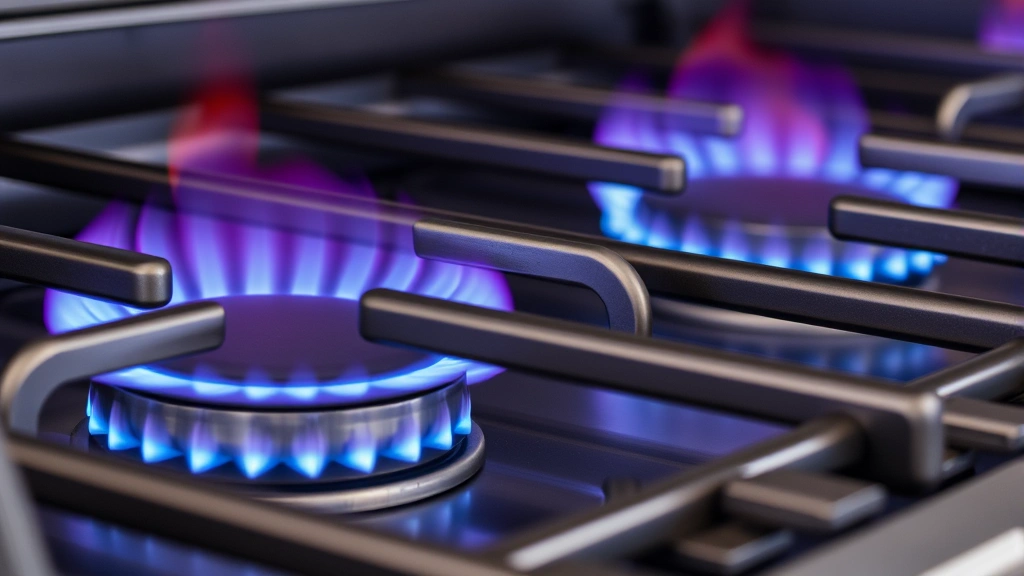
” alt=”Gas burner flames showing blue combustion on modern grill”>
Comparing Gas to Charcoal and Electric Alternatives
To properly assess whether gas grills are eco-friendly, we must compare them to other grilling options. Each method has distinct environmental advantages and disadvantages that affect the overall sustainability equation.
Charcoal Grilling: Charcoal produces more CO2 emissions per unit of heat than natural gas—roughly 1.5 to 2 times higher. Additionally, charcoal production often involves deforestation and unsustainable forestry practices. However, sustainably-sourced charcoal from managed forests exists, though it’s less commonly available. The inefficiency of charcoal (much heat escapes) makes it less energy-efficient than gas, requiring more fuel to achieve the same cooking results.
Electric Grilling: Electric grills produce zero direct emissions during operation. However, their environmental impact depends entirely on your electricity grid’s energy mix. If your region relies heavily on renewable energy sources, electric grills are substantially more eco-friendly. In areas powered primarily by fossil fuels, the emissions difference narrows considerably. According to Carbon Brief’s electricity mix analysis, the average U.S. grid contains about 40% renewables, making electric grills moderately better than gas.
Propane vs. Natural Gas: Many retailers, including those offering Menards gas grills, sell both natural gas and propane models. Propane produces slightly more emissions per unit of energy than natural gas but offers better portability and doesn’t require pipeline infrastructure. The choice between them depends on your specific situation and access to fuel sources.
When comparing these options holistically, electric grills powered by renewable energy represent the most sustainable choice. However, natural gas grills are moderately more efficient than charcoal and produce fewer emissions when considering the full lifecycle. The best choice depends on your local energy infrastructure and commitment level to sustainability.
Energy Efficiency and Resource Consumption
One of the primary ways gas grills can be considered more eco-friendly is through their superior energy efficiency compared to charcoal. Gas burners convert approximately 40-50% of fuel energy into cooking heat, while charcoal achieves only 25-35% efficiency. This means gas grills require less fuel to prepare the same meal, resulting in lower overall emissions for equivalent cooking tasks.
Modern gas grill designs have improved efficiency significantly. High-quality models feature better insulation, more efficient burner designs, and heat distribution systems that minimize waste. When shopping for Menards gas grills or any gas grill, look for models with:
- Stainless steel construction for better heat retention and durability
- Multiple burner zones allowing you to use only necessary heat
- Better insulation reducing heat loss to surroundings
- Efficient ignition systems minimizing fuel waste during startup
- Grease management systems that prevent flare-ups and fuel waste
Beyond the grill itself, resource consumption extends to accessories and maintenance. Stainless steel grills last longer than painted models, reducing the need for replacement and the associated manufacturing emissions. Investing in a higher-quality grill that lasts 15-20 years is more sustainable than replacing a cheaper model every 5 years, even if the initial purchase is more expensive.
Water usage is another consideration often overlooked. Cleaning gas grills requires far less water than charcoal cleaning, making them slightly more water-efficient. In regions facing water scarcity, this becomes a meaningful environmental factor.

” alt=”Family gathered around outdoor grill for meal preparation during sunset”>
Manufacturing and Lifecycle Impact
The environmental footprint of a gas grill extends far beyond operational emissions. Manufacturing, transportation, packaging, and eventual disposal all contribute to the total lifecycle environmental impact. Understanding this complete picture is essential for making truly sustainable choices aligned with the definition of sustainability.
Manufacturing gas grills requires significant resources: steel, aluminum, copper, and various plastic components. Mining these materials causes habitat disruption, water pollution, and energy consumption. A typical gas grill might contain 50-100 pounds of steel and 10-20 pounds of other metals. The production of these materials generates substantial CO2 emissions—roughly 2-3 tons of CO2 equivalent for a mid-range grill before it ever burns a single cubic foot of gas.
Transportation adds another layer. Grills are heavy and bulky, typically shipped via truck from manufacturing facilities (often overseas) to distribution centers to retailers. A single grill might generate 200-500 pounds of CO2 through transportation alone. Buying locally or choosing retailers with efficient distribution networks marginally reduces this impact.
Packaging materials—cardboard, plastic, foam—create additional waste. Responsible manufacturers increasingly use recycled and recyclable materials, but many still rely on virgin plastics and excessive packaging. When purchasing a grill, consider the packaging materials and whether they’re recyclable in your area.
End-of-life disposal presents perhaps the most concerning aspect of grill lifecycle impact. Most gas grills end up in landfills where they persist for centuries. Steel corrodes slowly, and various plastic and electronic components never fully decompose. Some manufacturers now offer recycling programs or take-back initiatives, which represent a more sustainable approach. Before purchasing, research whether the manufacturer accepts old grills for recycling or responsible material recovery.
Sustainable Grilling Practices
Regardless of which type of grill you choose, adopting sustainable grilling practices can significantly reduce your overall environmental impact. These practical steps align with broader efforts to reduce your environmental footprint.
Optimize Fuel Usage: Preheat your grill only as long as necessary—typically 5-10 minutes. Use multiple burner zones to heat only the area where you’re cooking. Keep the lid closed during cooking to maintain heat and reduce fuel consumption. Avoid opening the lid frequently, as this releases heat and requires additional fuel to compensate.
Choose Sustainable Foods: What you grill matters as much as how you grill. Locally-sourced, plant-based proteins, and sustainably-caught seafood have significantly lower carbon footprints than industrially-raised beef. Consider incorporating more vegetables and plant-based options into your grilling routine.
Maintain Your Grill: Regular maintenance improves efficiency and extends lifespan. Clean burners burn more efficiently, reducing fuel waste. Inspect hoses and connections for leaks that waste gas. A well-maintained grill operates at peak efficiency and lasts longer, reducing the need for replacement and associated manufacturing emissions.
Minimize Food Waste: Plan meals carefully to avoid grilling more food than necessary. Leftover grilled items should be properly stored and consumed rather than discarded. Food waste in landfills produces methane, a particularly potent greenhouse gas.
Use Sustainable Materials: Choose grilling accessories made from recycled or sustainably-sourced materials. Bamboo grill tools, recycled metal grates, and eco-friendly cleaning supplies reduce the environmental impact of your grilling activities.
Consider Renewable Energy Integration: Some advanced gas grills can be paired with solar-powered components for certain functions, though this remains an emerging technology. In the meantime, using electric grills powered by renewable energy represents a more sustainable alternative worth exploring.
Making the Right Choice for Your Home
Determining whether gas grills are eco-friendly for your situation requires honest assessment of your priorities, local conditions, and lifestyle. No single answer applies universally to all households. Consider these factors when making your decision:
Your Local Energy Grid: If your region has a high percentage of renewable energy, electric grills become the clear winner. Check your utility company’s renewable energy percentage and carbon intensity data. Many utilities provide this information on their websites or annual reports.
Frequency of Use: If you grill occasionally—a few times per month—the absolute emissions matter less than the convenience factor that keeps you grilling rather than defaulting to less healthy cooking methods. However, if you grill daily or multiple times weekly, switching to electric or plant-based cooking becomes more environmentally impactful.
Available Space and Resources: Apartment dwellers and those without natural gas lines may have limited options. Electric grills provide a viable alternative that requires no fuel storage or pipeline connections. Portable propane options work for renters and those in shared housing situations.
Budget Considerations: Higher-quality gas grills cost more initially but last longer and operate more efficiently, resulting in lower lifetime environmental impact. Viewing grill purchase through a lifecycle cost lens rather than just upfront price leads to more sustainable choices.
Alignment with Broader Goals: Consider how your grilling choice fits within your overall sustainable energy solutions and environmental commitments. If you’re investing in home solar panels, an electric grill makes perfect sense. If you’re focused on reducing transportation emissions, the minimal impact of occasional grilling may rank lower than other priorities.
Research specific models before purchasing. Compare efficiency ratings, look for certifications from environmental organizations, and read user reviews about long-term durability. Retailers like Menards offer various options—take time to evaluate which best matches your sustainability values.
Expert Perspectives on Gas Grill Sustainability
Environmental scientists and sustainability experts generally agree that while gas grills aren’t ideal from a climate perspective, they represent a reasonable middle ground for many households. Dr. Michael Shellenberger, energy researcher and author, notes that the key to sustainable grilling lies in using efficient equipment and maintaining it properly rather than fixating on fuel type alone.
The Carbon Brief, a leading climate science publication, emphasizes that household cooking represents a small fraction of total emissions for most individuals. The average American’s diet and transportation choices dwarf grilling’s impact. This doesn’t excuse environmental consideration, but it provides perspective on where to focus sustainability efforts for maximum impact.
Sustainability consultants often recommend the “good-better-best” framework: Good (gas grills with proper maintenance), Better (electric grills on renewable energy grids), and Best (maximizing plant-based grilled foods and minimizing overall grilling frequency). This acknowledges that perfect solutions rarely exist, and incremental improvements matter.
Many environmental organizations now focus on green technology innovations transforming our future, including more efficient cooking appliances. Some manufacturers are developing hybrid grills combining gas efficiency with renewable energy integration, representing the next generation of sustainable outdoor cooking.
Frequently Asked Questions
Are gas grills more eco-friendly than charcoal?
Yes, gas grills are generally more eco-friendly than charcoal from an emissions standpoint. Gas produces fewer CO2 equivalent emissions per unit of heat and operates more efficiently. However, sustainably-sourced charcoal from managed forests can reduce this advantage, and charcoal’s lower efficiency remains a significant drawback.
What about propane versus natural gas grills?
Natural gas is slightly more efficient and produces marginally fewer emissions than propane. However, propane offers better portability and doesn’t require pipeline infrastructure. The difference in environmental impact is minimal—roughly 5-10% in favor of natural gas.
How do I calculate my grill’s carbon footprint?
Multiply your grill’s BTU output by hours of operation, divide by 100,000 to get therms, then multiply by 11.7 pounds of CO2 per therm. This gives direct combustion emissions. Add 10-15% for upstream extraction and distribution emissions. Track annual usage to get a complete picture.
Can I make my gas grill more sustainable?
Absolutely. Maintain it regularly, use it efficiently by preheating minimally and keeping the lid closed, cook only what you’ll eat, choose sustainable food sources, and eventually replace it with an electric alternative if possible. These steps significantly reduce your grilling’s environmental impact.
Is grilling a significant part of my household carbon footprint?
For most households, grilling represents less than 1% of total annual emissions. Transportation, heating, and electricity typically dominate household carbon footprints. That said, every reduction matters, and grilling represents a discretionary activity where sustainable choices are feasible.
What certification should I look for when buying a grill?
Look for Energy Star certification if available for electric models. For gas grills, check manufacturer claims about efficiency and build quality. Third-party certifications from environmental organizations are rare for grills, so focus on durability ratings and long-term user reviews instead.
Are there truly eco-friendly grill options available?
Electric grills powered by renewable energy represent the most eco-friendly option. Solar-powered grills are emerging but remain limited. For gas grills, the most sustainable choice involves buying a durable, efficient model and maintaining it meticulously to maximize its lifespan.