Middle TN Natural Gas: Expert Efficiency Tips for Sustainable Energy Use
Natural gas remains a significant energy source for households and businesses throughout Middle Tennessee, providing heating, hot water, and cooking capabilities to thousands of residents. As energy costs continue to rise and environmental concerns grow more pressing, understanding how to optimize your natural gas usage has become essential for both your wallet and the planet. This comprehensive guide explores practical efficiency strategies specifically tailored for Middle Tennessee’s climate and infrastructure.
Whether you’re a long-time resident or new to the region, mastering natural gas efficiency can substantially reduce your utility bills while minimizing your carbon footprint. The Tennessee climate, characterized by mild winters and warm summers, presents unique opportunities for optimization that differ from northern states. By implementing the expert tips outlined in this guide, you’ll discover actionable solutions that work within Middle Tennessee’s specific environmental and economic context.
Understanding Middle Tennessee’s Natural Gas Infrastructure
Middle Tennessee’s natural gas system is primarily served by major utility providers that distribute energy throughout Nashville, Clarksville, Murfreesboro, and surrounding communities. Understanding your local infrastructure helps you appreciate the efficiency opportunities available and the importance of responsible consumption. The region’s natural gas network has evolved significantly over the past two decades, incorporating modern distribution technologies that support better monitoring and control capabilities.
The mild winters in Middle Tennessee, compared to northern climates, mean heating demands are considerably lower, yet many residents still use natural gas inefficiently during colder months. This regional advantage should be leveraged through proper insulation and system management. Additionally, summer months bring opportunities for reducing unnecessary pilot light usage and optimizing water heating systems when ambient temperatures are warmer.
Your local utility provider offers various programs and resources designed to help customers improve their sustainable energy solutions. Many Middle Tennessee utilities provide free energy audits, rebate programs for efficient equipment upgrades, and educational resources about consumption patterns. Contacting your provider to learn about available incentives should be your first step toward implementing efficiency improvements.
Essential Home Efficiency Upgrades
The foundation of natural gas efficiency begins with your home’s thermal envelope—the barrier between conditioned interior space and outdoor environments. In Middle Tennessee, where temperature fluctuations can be significant between seasons, proper insulation is critical. Attic insulation should meet or exceed R-38 values, while basement walls and crawl spaces require adequate vapor barriers and insulation to prevent heat loss during winter months.
Air sealing represents one of the most cost-effective efficiency improvements you can implement. Common air leaks occur around:
- Window and door frames where weatherstripping has deteriorated
- Electrical outlets and switch plates on exterior walls
- Gaps around pipe and cable penetrations
- Basement rim joists where the foundation meets the sill plate
- Ductwork connections in unconditioned spaces
Using caulk, weatherstripping, and foam sealants to address these areas can reduce heating demand by 10-15 percent, directly decreasing your natural gas consumption. This improvement aligns perfectly with how to reduce your environmental footprint while delivering immediate economic benefits.
Window upgrades deserve special attention in Middle Tennessee homes. While the region’s climate doesn’t demand triple-glazed windows required in colder climates, upgrading from single-pane to modern double-pane, low-emissivity windows significantly improves thermal performance. These windows reflect heat back into your home during winter while blocking solar heat gain during summer, reducing the overall demand on heating and cooling systems.
Smart Thermostat Implementation and Control
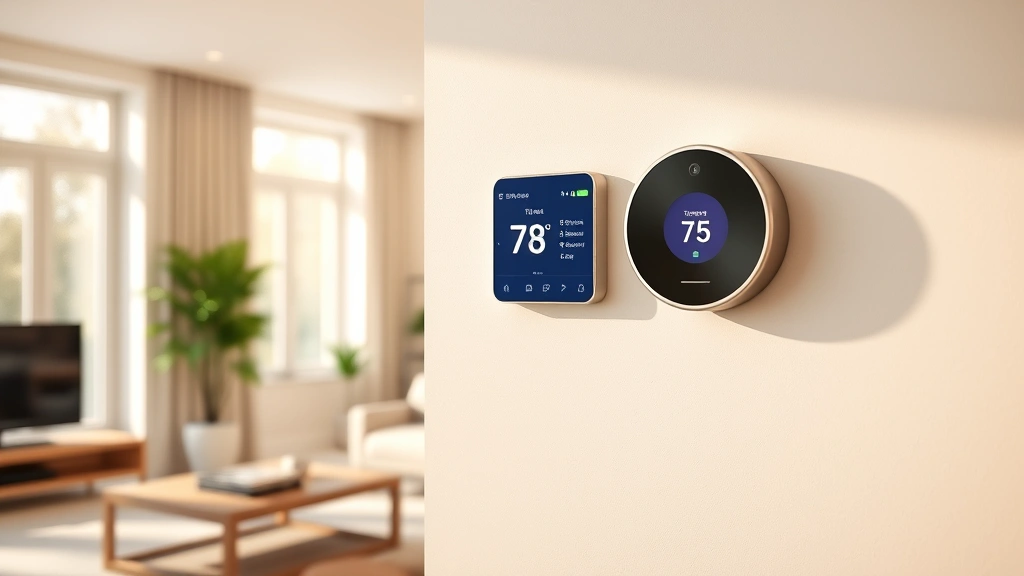
Smart thermostats represent perhaps the most impactful technology for natural gas efficiency in Middle Tennessee homes. These devices learn your schedule, preferences, and heating patterns, automatically adjusting temperatures to minimize energy waste without sacrificing comfort. Modern smart thermostats can reduce heating energy consumption by 10-23 percent compared to manual or programmable thermostats.
When selecting and implementing a smart thermostat for Middle Tennessee’s climate, consider these essential features:
- Learning Capability: The system should adapt to your specific schedule and preferences within one to two weeks of installation
- Remote Access: Control your heating system from your smartphone, allowing adjustments when away from home
- Energy Reports: Detailed analytics showing consumption patterns help identify optimization opportunities
- Weather Awareness: Integration with local weather data enables proactive temperature adjustments before conditions change
- Integration: Compatibility with other smart home systems creates comprehensive efficiency management
Optimal thermostat settings for Middle Tennessee vary seasonally. During winter months, setting the thermostat to 68-70°F during occupied hours and 62-65°F during sleeping or away periods balances comfort with efficiency. Each degree reduction of one hour daily can save approximately 1-3 percent on heating costs. During shoulder seasons (fall and spring), utilizing natural ventilation and delaying heating system activation further optimizes consumption.
Proper thermostat placement significantly affects accuracy and efficiency. Install your device on an interior wall, away from direct sunlight, drafts, exterior doors, and heat sources like televisions or cooking appliances. Incorrect placement causes the system to cycle unnecessarily, wasting natural gas and reducing comfort. If your current thermostat location is problematic, relocating it should be a priority before upgrading to smart technology.
Seasonal Optimization Strategies
Middle Tennessee’s distinct seasons require different natural gas management approaches. Winter optimization focuses on maintaining comfort while minimizing consumption, while summer strategies emphasize eliminating unnecessary gas usage for heating purposes.
Winter Strategy (November-March): This is when natural gas efficiency matters most in Middle Tennessee. Begin by ensuring all weatherstripping and caulking is in good condition before cold weather arrives. Layer clothing indoors, use thermal blankets, and employ zone heating in frequently occupied spaces. Closing doors to unused rooms and heating only necessary areas can reduce consumption by 15-20 percent. Utilizing passive solar heating—opening south-facing curtains during sunny days and closing them at night—provides free heat while reducing thermostat reliance.
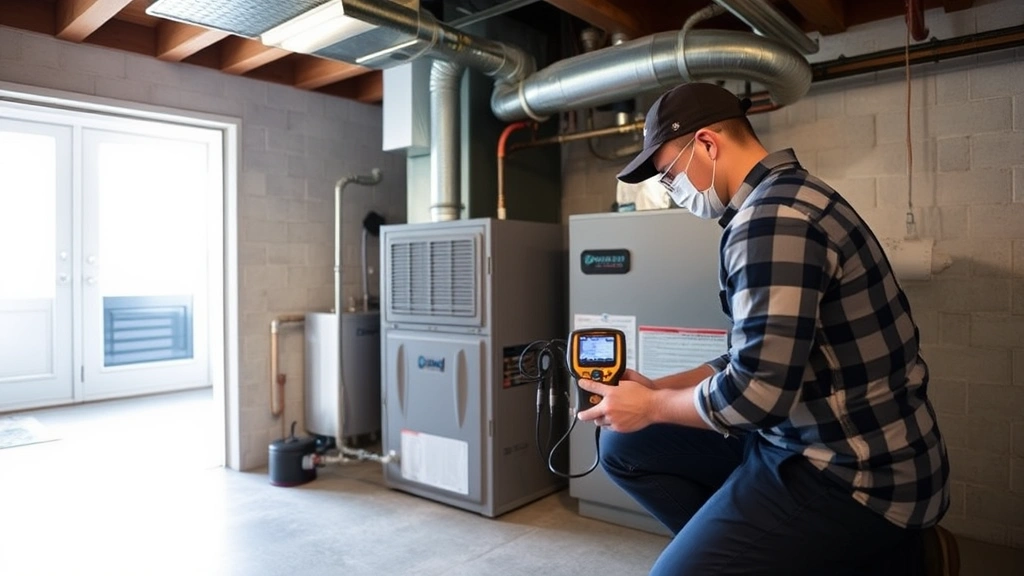
Maintain your heating system by scheduling professional inspections before winter begins. A well-maintained furnace operates at peak efficiency, consuming less natural gas while delivering superior comfort. Check and replace air filters monthly during heating season, as clogged filters force your system to work harder, increasing both energy consumption and wear.
Summer Strategy (June-August): During Middle Tennessee’s warm months, minimize natural gas usage by using alternative cooking methods when possible. Grilling outdoors reduces indoor heat generation and eliminates gas range usage. Air dry dishes instead of using the heated dry cycle on dishwashers. If your water heater has a pilot light, consider converting to an electronic ignition system, which eliminates continuous gas consumption during months when hot water demand is lower.
Spring and fall represent transition periods where careful management prevents excessive heating or cooling. Use these seasons to test your smart thermostat settings and adjust insulation or weatherstripping as needed. Early autumn is ideal for scheduling professional HVAC inspections before heating season begins.
Water Heating Efficiency Solutions
Water heating accounts for 15-25 percent of residential energy consumption, making it a critical efficiency focus area. For Middle Tennessee households using natural gas water heaters, several optimization strategies deliver significant savings.
Temperature Settings: Most manufacturers set water heater thermostats to 140°F, which is unnecessarily hot for household use and increases standby heat loss. Reducing the temperature to 120°F meets most needs while preventing scalding risk and reducing gas consumption by 6-8 percent. This adjustment alone saves $10-15 monthly for many households.
Insulation Improvements: Water heater tanks and exposed hot water pipes lose heat continuously. Adding a water heater blanket (insulation wrap) reduces standby losses by 25-45 percent. Insulating the first 6 feet of hot water pipes leaving your tank prevents heat dissipation during transport to faucets. These improvements are inexpensive ($30-50) and provide ongoing savings without behavioral changes.
Equipment Upgrades: If your water heater is over 10-15 years old, replacement with a modern high-efficiency model should be considered. ENERGY STAR-certified natural gas water heaters use 20-30 percent less energy than standard models. Tankless water heaters eliminate standby losses entirely, though they require higher upfront investment and may not suit all households. Hybrid heat pump water heaters offer exceptional efficiency (up to 2.5 times more efficient than conventional models) and qualify for substantial utility rebates in many Middle Tennessee areas.
Behavioral modifications also impact water heating efficiency. Installing low-flow showerheads and faucet aerators reduces hot water consumption without noticeably affecting water pressure. Fixing leaking hot water taps immediately prevents continuous waste. Washing clothes in cold water eliminates water heating for laundry, one of the largest hot water uses in most households.
Appliance Selection and Maintenance
Natural gas appliances in your kitchen and laundry areas directly impact total household consumption. Understanding efficiency ratings and maintenance requirements helps optimize performance across your home.
Gas Ranges and Ovens: Modern gas ranges with ENERGY STAR certification consume less fuel while providing superior cooking performance. Key efficiency features include sealed burners (preventing heat loss), electronic ignition instead of pilot lights, and improved oven insulation. When cooking, using appropriately sized burners for your cookware maximizes heat transfer efficiency. Keeping burner grates and caps clean ensures proper gas flow and combustion.
Gas Dryers: Clothes dryers are significant natural gas consumers. Ensure lint traps are cleaned before every load—clogged traps reduce efficiency and increase drying time. Vent ducts should be inspected annually for blockages or damage that restricts airflow. Upgrading to an ENERGY STAR-certified gas dryer can reduce consumption by 20 percent compared to standard models. Moisture sensors that automatically stop the dryer when clothes reach desired dryness levels prevent over-drying and save energy.
Regular maintenance extends appliance life and preserves efficiency. Annual professional inspections of gas ranges, dryers, and water heaters identify potential issues before they compromise performance. Checking gas connections for leaks using soapy water (bubbles indicate leaks) ensures safety while confirming proper system function.
Advanced Monitoring Technologies
Understanding your natural gas consumption patterns enables targeted efficiency improvements. Advanced monitoring technologies provide detailed insights that reveal optimization opportunities invisible to casual observation.
Smart Meters and Home Energy Management Systems: Many Middle Tennessee utility providers offer smart meter programs that provide real-time consumption data through online portals or mobile applications. This granular information shows when your home consumes the most gas, helping identify inefficient patterns. Some systems alert users when consumption exceeds expected levels, prompting investigation of potential equipment failures or behavioral adjustments needed.
Home energy management systems integrate multiple data sources—smart thermostats, utility meters, weather information, and appliance data—into comprehensive dashboards. These platforms identify correlations between outdoor temperature, occupancy patterns, and gas consumption, enabling optimization strategies tailored to your specific household.
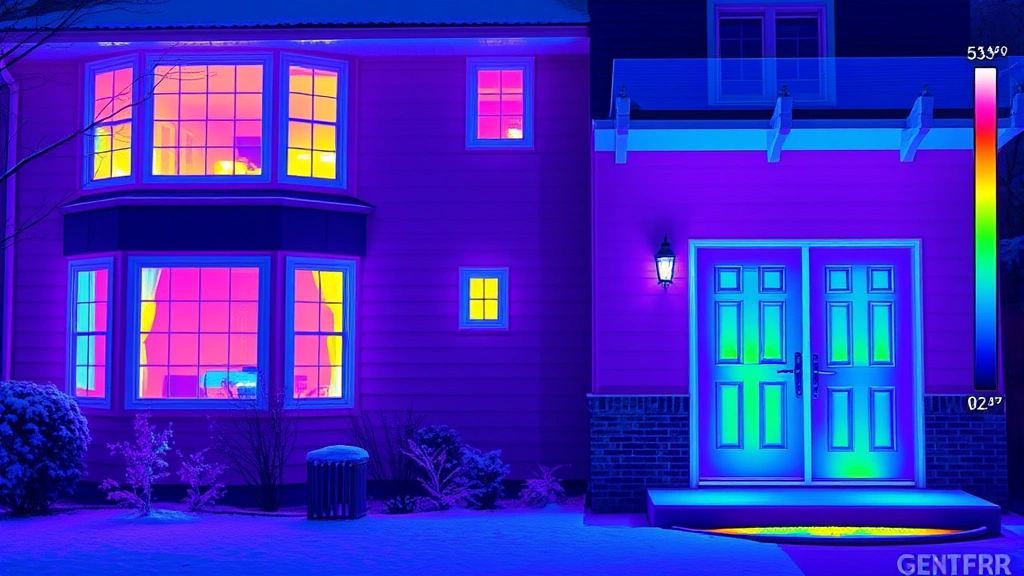
Professional Energy Audits: Many Middle Tennessee utilities offer free or subsidized professional energy audits using thermal imaging cameras and blower door tests to identify air leaks, insulation deficiencies, and equipment inefficiencies. These comprehensive assessments provide prioritized recommendations for improvements with the best return on investment. Some audits include free weatherstripping or caulking to address identified air sealing opportunities.
Participating in your utility provider’s demand response programs can provide financial incentives for reducing consumption during peak periods. These voluntary programs adjust your thermostat settings during high-demand hours in exchange for bill credits, benefiting both your household and the broader energy grid.
The ENERGY STAR program provides comprehensive resources for identifying efficient appliances and understanding home energy performance. The EPA’s energy efficiency guidance offers detailed information about residential efficiency improvements and their environmental benefits. These authoritative resources help you make informed decisions about upgrades and investments.
Frequently Asked Questions
What is the average natural gas consumption for Middle Tennessee households?
Average Middle Tennessee households consume 600-800 therms annually, though this varies significantly based on home size, insulation quality, occupancy patterns, and climate conditions. Homes with poor insulation or inefficient systems may consume 1,000+ therms yearly, while well-maintained efficient homes might use only 400-500 therms. Your utility bill should indicate your historical consumption, providing a baseline for measuring improvement progress.
How much can I save by implementing these efficiency strategies?
Savings vary based on your starting point and which improvements you implement. Simple behavioral changes (thermostat adjustments, air sealing) might save 10-15 percent immediately. Comprehensive upgrades (new water heater, smart thermostat, insulation improvements) can reduce consumption by 25-35 percent. The American Council for an Energy-Efficient Economy provides detailed calculators for estimating savings from specific improvements.
Are utility rebates available for efficiency upgrades in Middle Tennessee?
Yes, most Middle Tennessee utilities offer rebate programs for energy-efficient equipment and improvements. Rebates typically cover smart thermostats ($50-100), water heater upgrades ($300-500), insulation improvements ($500-2,000), and weatherstripping projects ($100-300). Contact your local utility provider directly or visit their website to learn about current programs, eligibility requirements, and application processes.
Should I upgrade to a tankless water heater?
Tankless water heaters offer significant efficiency advantages, eliminating standby losses and providing endless hot water. However, they require higher upfront investment ($1,500-3,000 installed) and may not suit households with simultaneous multiple hot water demands. They’re ideal for smaller households or as replacements for aging tanks. Hybrid heat pump water heaters offer superior efficiency at lower cost for many Middle Tennessee applications.
What is the best temperature setting for my thermostat?
For Middle Tennessee winter comfort, 68-70°F during occupied hours and 62-65°F during sleeping or away periods balances comfort with efficiency. Each degree reduction saves 1-3 percent on heating costs. Smart thermostats optimize these settings automatically based on your schedule and preferences, eliminating manual adjustments while maximizing savings.
How often should I maintain my natural gas appliances?
Water heaters and furnaces should receive professional inspections annually before heating season begins. Gas ranges and dryers require regular cleaning and maintenance—lint traps in dryers should be cleaned before every load, and range burners should be kept clean for optimal combustion. Check all gas connections annually using soapy water to detect leaks promptly.
Can I reduce natural gas consumption during summer months?
Yes, summer offers significant optimization opportunities. Eliminate gas range usage by grilling outdoors. Air dry dishes instead of using heated dry cycles. If your water heater has a pilot light, consider conversion to electronic ignition. Reduce hot water temperature further during warm months when demand is lower. These adjustments can reduce summer consumption by 30-40 percent compared to winter months.
What is the environmental impact of natural gas efficiency?
Natural gas combustion produces carbon dioxide and other greenhouse gases contributing to climate change. Reducing consumption directly decreases your carbon footprint—each therm of natural gas saved prevents approximately 5.3 pounds of CO2 emissions. A household reducing consumption by 200 therms annually prevents over 1,000 pounds of CO2 emissions yearly, equivalent to the environmental benefit of planting several trees. Understanding the definition of sustainability helps contextualize how efficiency improvements contribute to broader environmental goals.
Should I consider alternative heating sources for my Middle Tennessee home?
While natural gas remains efficient compared to electric resistance heating, Middle Tennessee’s mild winters present opportunities for alternative approaches. Heat pump systems (air-source or ground-source) offer superior efficiency and eliminate fossil fuel dependence. Solar thermal systems can preheat water, reducing gas consumption for water heating. Geothermal heat pumps provide exceptional efficiency year-round. Evaluate your home’s characteristics and long-term goals when considering alternatives, as each approach has distinct advantages and limitations.
Natural gas efficiency in Middle Tennessee represents an ongoing opportunity to reduce costs while minimizing environmental impact. By implementing the strategies outlined in this comprehensive guide—from simple behavioral adjustments to substantial equipment upgrades—you’ll optimize your home’s performance while contributing to broader sustainability goals. Begin with low-cost improvements like thermostat adjustments and air sealing, then progress toward equipment upgrades as budget permits. Your utility provider’s resources and rebate programs can substantially reduce upgrade costs while accelerating your path to maximum efficiency. For additional guidance on comprehensive sustainability approaches, explore our SustainWise Hub Blog for resources covering holistic environmental responsibility.


