Is MIG Welding Gas Eco-Friendly? Expert Insights on Environmental Impact
MIG (Metal Inert Gas) welding has become a cornerstone of modern manufacturing, construction, and fabrication industries worldwide. However, as environmental consciousness grows across all sectors, manufacturers and welders increasingly ask critical questions about the ecological footprint of their processes. The gases used in MIG welding—primarily argon, carbon dioxide, and helium—play a significant role in both the welding process and its environmental implications. Understanding whether MIG welding gas is truly eco-friendly requires examining the source of these gases, their production methods, emissions during use, and available sustainable alternatives.
This comprehensive guide explores the environmental impact of MIG welding gases from multiple angles, providing expert insights into how the welding industry can transition toward more sustainable practices. Whether you’re a fabrication shop owner, an environmental consultant, or simply curious about industrial sustainability, this article delivers actionable information to help you make informed decisions about welding operations and their ecological consequences.

Understanding MIG Welding Gas Composition
MIG welding relies on inert or semi-inert gases to shield the weld pool from atmospheric contamination. The three primary gases used in MIG welding are argon, carbon dioxide (CO2), and helium, often used individually or in binary and ternary mixtures. Each gas serves distinct purposes and carries different environmental implications.
Argon is the most commonly used shielding gas in MIG welding applications. It’s a noble gas extracted from the Earth’s atmosphere through liquefaction of air. Argon comprises approximately 0.93% of Earth’s atmosphere, making it abundant and relatively accessible. Its widespread use stems from its excellent shielding properties, compatibility with various metal types, and cost-effectiveness. However, the extraction and liquefaction process requires significant energy investment.
Carbon dioxide presents a more complex environmental story. While CO2 is a greenhouse gas and a primary driver of climate change, the CO2 used in welding often comes from industrial byproducts, making it a form of gas recycling. This sourcing method can reduce the need for new CO2 production, though it doesn’t eliminate the gas’s atmospheric warming potential when released. When welders use CO2-rich mixtures, they’re introducing additional greenhouse gas into the atmosphere, which raises legitimate environmental concerns.
Helium is the lightest noble gas and offers superior thermal conductivity compared to argon. However, helium is far more expensive and resource-intensive to produce. Its limited availability on Earth and the energy requirements for extraction make helium the least eco-friendly option among standard shielding gases. Additionally, helium is a non-renewable resource with limited terrestrial reserves, making its use increasingly questionable from a sustainability perspective.
Environmental Impact of Gas Production
The environmental footprint of MIG welding gas begins long before the gas reaches your welding torch. Understanding production methods reveals significant sustainability differences between gas types.
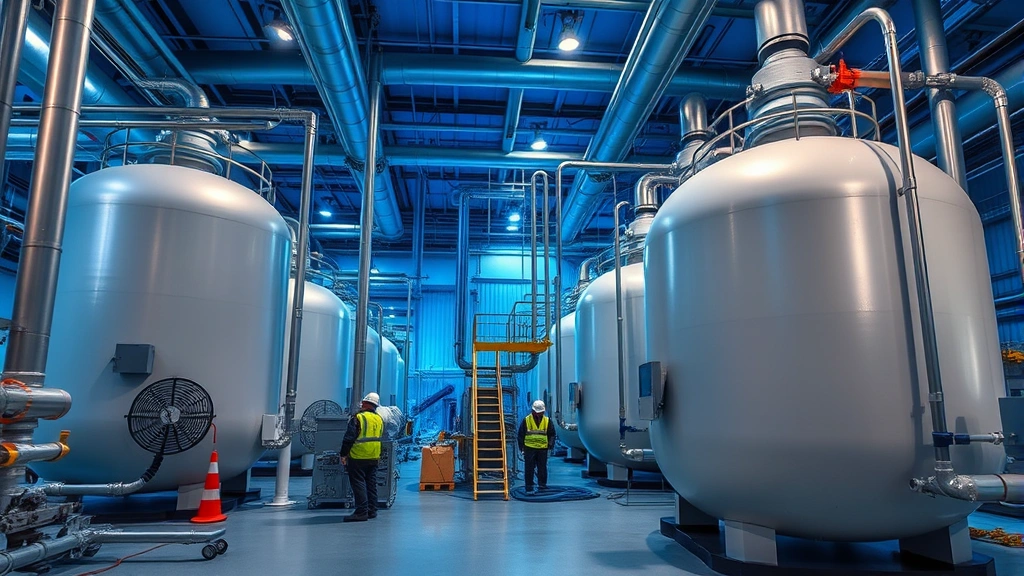
Argon Production Process: Argon is extracted through cryogenic air separation, where atmospheric air is cooled to extremely low temperatures (-300°F or lower), causing gases to liquefy and separate by boiling point. This process is energy-intensive, requiring industrial-scale refrigeration systems and significant electrical consumption. Large air separation plants operate continuously to produce commercial quantities of argon. The carbon footprint depends heavily on the electricity grid’s composition—facilities powered by renewable energy produce considerably less emissions than those relying on fossil fuels. According to research from the Environmental Protection Agency (EPA), industrial gas production accounts for substantial energy consumption in manufacturing sectors.
The transportation of liquefied argon from production facilities to end-users adds additional environmental costs. Argon must be stored and transported in specialized cryogenic containers, requiring refrigeration throughout the supply chain. This logistics chain contributes to the overall carbon footprint, though the per-unit impact decreases with larger shipments and efficient distribution networks.
Carbon Dioxide Sourcing: The environmental advantage of CO2 in welding lies in its sourcing. Rather than producing new CO2, welding-grade carbon dioxide typically comes from industrial processes that generate CO2 as a byproduct. Ammonia production, ethylene oxide manufacturing, and hydrogen production all generate substantial CO2 streams. By capturing and utilizing this CO2 for welding applications, industries effectively recycle a waste product that would otherwise be released into the atmosphere. This approach aligns with circular economy principles and reduces the need for dedicated CO2 production.
However, this environmental benefit has limitations. The CO2 captured from industrial processes still represents greenhouse gas that eventually enters the atmosphere during welding operations. The advantage lies primarily in avoiding the energy expenditure of dedicated CO2 production rather than preventing atmospheric release entirely.
Helium Extraction Challenges: Helium presents the most environmentally problematic scenario among standard welding gases. Helium is extracted from natural gas deposits, requiring drilling and extraction infrastructure similar to fossil fuel operations. Once extracted, helium is scarce and non-renewable. The U.S. Geological Survey estimates that helium reserves are finite, with production concentrated in a few global locations. The extraction process consumes significant energy and can disturb natural ecosystems. Additionally, helium is so light that it escapes Earth’s atmosphere permanently when released, making it the only element that leaves the planet entirely. This unique characteristic makes helium conservation particularly important from a long-term sustainability perspective.
Emissions and Greenhouse Gas Concerns
Beyond production impacts, the actual welding process and gas emissions create direct environmental consequences. Understanding these emissions helps welders and shop owners implement effective mitigation strategies.
Direct Emissions During Welding: When using CO2-based shielding gas mixtures, welders directly release greenhouse gas into the atmosphere. A typical MIG welding operation using 75% argon and 25% CO2 mixture releases carbon dioxide continuously throughout the welding process. High-volume welding operations can release substantial quantities of CO2 annually. Some studies estimate that a single industrial welding shop performing hundreds of welds daily may release several tons of CO2 equivalent annually from shielding gas alone.
Argon-based welding produces no direct greenhouse gas emissions during the welding process itself, as argon is inert and non-reactive. However, the embodied carbon from argon production through air separation must be factored into lifecycle assessments. The distinction between direct and embodied emissions is crucial for understanding the complete environmental picture.
Indirect Emissions from Energy Consumption: MIG welding equipment requires electrical power to operate. The energy intensity of the welding process depends on amperage settings, duty cycle, and equipment efficiency. Modern welding equipment tends to be more energy-efficient than older models, consuming less power while delivering comparable or superior welding quality. Facilities can reduce indirect emissions by upgrading to newer, more efficient equipment and implementing energy conservation practices across their operations.
The Intergovernmental Panel on Climate Change (IPCC) emphasizes that industrial processes must reduce both direct and indirect emissions to meet climate targets. Welding operations should evaluate their complete energy and gas usage to understand their true environmental impact.
Fugitive Gas Losses: During storage, handling, and welding, some shielding gas inevitably escapes as fugitive emissions. Poorly maintained equipment, leaking connections, and inefficient gas delivery systems increase these losses. Facilities with rigorous maintenance programs and modern equipment experience lower fugitive emission rates. Regular inspections, prompt repair of leaks, and proper equipment maintenance can reduce gas waste by 10-20% or more in typical operations.
Comparing Gas Mixtures for Sustainability
Different shielding gas mixtures offer varying environmental profiles. Understanding these differences enables informed decisions about welding practices.
100% Argon: Pure argon provides the lowest direct emissions option, as it produces no greenhouse gas releases during welding. However, the production energy required for argon extraction and liquefaction creates embodied carbon. For facilities prioritizing emissions reduction, 100% argon represents the most environmentally conscious choice among traditional shielding gases. It’s particularly suitable for stainless steel and aluminum welding applications.
Argon/CO2 Mixtures (75/25 or 80/20): These blends balance cost, weldability, and emissions. The CO2 component improves penetration and weld bead profile, making these mixtures popular in structural steel applications. However, the CO2 content creates direct greenhouse gas emissions. The environmental impact sits between pure argon and pure CO2 options. Industries using these mixtures should prioritize fugitive emission reduction and equipment efficiency to minimize overall impact.
Argon/CO2/Oxygen Ternary Mixtures: Some applications benefit from three-gas mixtures that optimize weld characteristics. While these can improve welding efficiency and reduce rework requirements (thereby reducing overall environmental impact through fewer welds), they complicate gas management and may increase costs. Environmental benefits depend on application-specific factors.
Pure CO2: The least expensive option, pure CO2 creates the highest direct greenhouse gas emissions per unit volume. However, when sourced from industrial byproducts rather than dedicated production, it offers recycling benefits. Pure CO2 is typically reserved for carbon steel applications where its penetration characteristics are advantageous. From a sustainability standpoint, this option should be carefully evaluated against alternatives.
Eco-Friendly Alternatives and Innovations
The welding industry is actively developing and implementing more sustainable approaches to shielding gas usage.
Flux-Cored Arc Welding (FCAW): FCAW eliminates the need for external shielding gas by incorporating flux within the electrode wire. This self-shielding approach removes gas consumption entirely, eliminating direct emissions and reducing equipment complexity. However, FCAW produces slag that requires removal and generates fumes, necessitating enhanced ventilation. The environmental tradeoff between eliminated gas emissions and increased fume generation requires careful evaluation based on specific applications and facility capabilities.
When combined with sustainable energy solutions and proper ventilation systems, FCAW can represent a more environmentally friendly alternative for certain applications. Many fabrication shops are successfully transitioning to FCAW for specific projects to reduce their overall shielding gas consumption.
Plasma Arc Welding (PAW): Plasma welding uses ionized gas (typically argon) in a more controlled manner than traditional MIG welding. The superior precision of plasma welding often reduces rework requirements and material waste. While PAW still consumes shielding gas, the improved efficiency can result in lower overall environmental impact when lifecycle emissions are considered. PAW is particularly valuable for precision applications in aerospace and medical device manufacturing.
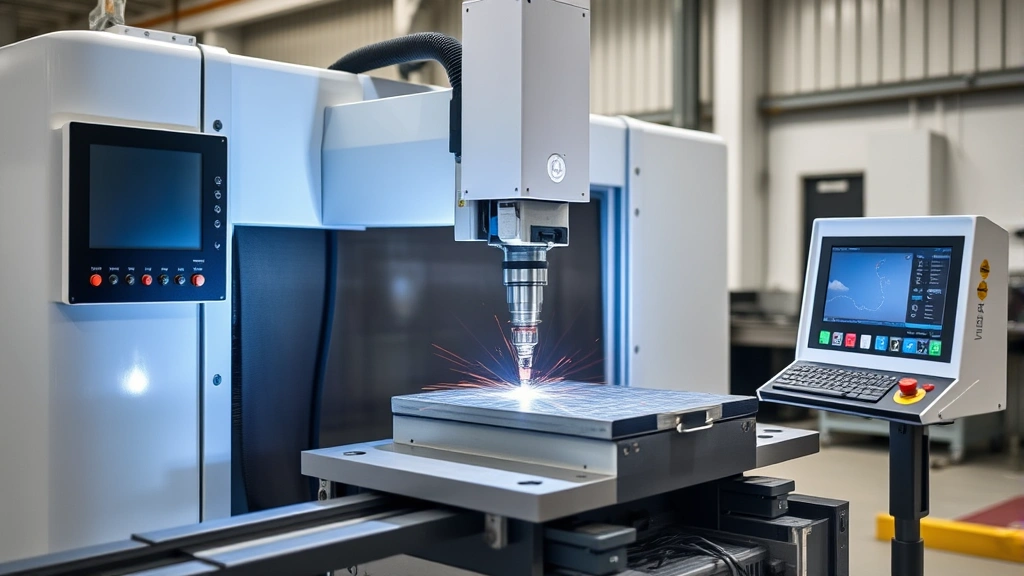
Laser Welding: Emerging laser welding technologies offer gas-free or significantly reduced-gas alternatives for certain applications. Laser welding requires minimal or no shielding gas, depending on the specific process and materials being joined. While laser equipment requires substantial electrical input, the elimination of gas consumption represents a significant environmental advantage. As green technology innovations advance, laser welding costs continue to decline, making this option increasingly viable for more applications.
Cryogenic Gas Recycling Systems: Advanced facilities are implementing gas recovery and recycling systems that capture unused shielding gas and return it to the supply system. These systems can recover 85-95% of shielding gas that would otherwise be vented to the atmosphere. While capital investment is significant, the long-term cost savings and environmental benefits justify implementation in high-volume welding operations.
Reducing Your Welding Operation’s Carbon Footprint
Practical strategies enable welding facilities to substantially reduce their environmental impact regardless of current equipment or processes.
Equipment Maintenance and Optimization: Regular maintenance ensures that welding equipment operates at peak efficiency. Clean contact tips, properly adjusted gas flow rates, and well-maintained regulators reduce gas waste and improve weld quality. Gas flow rates that exceed requirements waste shielding gas without improving weld quality. Many facilities operate at unnecessarily high flow rates due to habit rather than necessity. Consulting equipment manufacturers’ recommendations and conducting flow rate studies can identify optimization opportunities.
Training and Best Practices: Skilled welders produce higher-quality welds with fewer defects, reducing rework requirements. Rework consumes additional gas, energy, and materials. Investing in comprehensive welder training programs focused on efficiency and quality delivers substantial environmental and economic returns. Training should include proper gas handling, equipment maintenance, and techniques to minimize fugitive emissions.
Process Selection and Planning: Selecting the appropriate welding process and gas mixture for each application prevents unnecessary gas consumption. Not all applications require CO2-enhanced mixtures. Evaluating weld requirements and selecting the simplest, most efficient process reduces environmental impact. Advanced planning and design optimization can reduce the total number of welds required, proportionally reducing overall gas consumption.
Ventilation and Emission Control: Proper ventilation systems capture welding fumes and gases, preventing atmospheric release. Modern ventilation systems with variable speed drives operate efficiently by adjusting airflow based on actual welding activity rather than running continuously at maximum capacity. This reduces energy consumption while maintaining worker safety and air quality.
Renewable Energy Integration: Facilities powered by renewable energy sources dramatically reduce the embodied carbon of their welding operations. How to save energy at home principles scale to industrial facilities through solar panels, wind power subscriptions, or grid renewable energy programs. The carbon footprint of argon production and equipment operation decreases proportionally as the electricity grid’s renewable energy percentage increases.
Supply Chain Transparency: Engaging with gas suppliers who track and report their production methods and carbon footprint enables informed decision-making. Some suppliers specialize in low-carbon gas production or prioritize CO2 sourcing from industrial byproducts. Demanding transparency from suppliers encourages industry-wide sustainability improvements.
Industry Standards and Certifications
Several frameworks guide welding operations toward greater sustainability.
ISO 14001 Environmental Management: This international standard provides a comprehensive framework for organizations to develop environmental management systems. Welding facilities implementing ISO 14001 establish processes to identify, monitor, and reduce their environmental impact, including shielding gas consumption and emissions. Certification demonstrates commitment to continuous environmental improvement.
AWS Welding Standards: The American Welding Society (AWS) develops technical standards for welding processes, materials, and quality assurance. While AWS standards primarily address technical and safety requirements, they increasingly incorporate environmental considerations. Facilities adhering to AWS standards ensure they’re following current best practices, which increasingly emphasize sustainability.
Carbon Footprint Certification: Some organizations pursue carbon footprint certification through the British Standards Institution (BSI) or similar bodies. These certifications require comprehensive measurement and reporting of greenhouse gas emissions across operations. Pursuing certification demonstrates environmental commitment and provides competitive advantages in markets where sustainability matters to customers.
Green Building Certifications: Fabrication shops serving construction markets may pursue LEED or other green building certifications. These certifications reward the use of low-impact welding processes and materials. Facilities producing components for certified green buildings should evaluate how their welding practices align with these standards.
The World Welding Council promotes best practices and sustainability in welding globally, providing resources for facilities seeking to improve their environmental performance.
FAQ
Is argon gas considered eco-friendly compared to CO2?
Argon is more environmentally friendly during the welding process itself, as it produces no direct greenhouse gas emissions. However, argon production through cryogenic air separation requires significant energy input. The overall environmental advantage depends on the electricity grid’s composition. Argon is preferable for facilities powered by renewable energy or with access to low-carbon electricity sources. The embodied carbon of argon production is typically lower than the direct emissions from CO2-based mixtures.
Can welding facilities completely eliminate shielding gas?
Flux-cored arc welding eliminates the need for external shielding gas by using self-shielding electrodes. However, FCAW generates more fumes than MIG welding and requires enhanced ventilation. For facilities committed to eliminating shielding gas entirely, FCAW or emerging laser welding technologies offer viable alternatives. Most conventional MIG welding applications require external shielding gas for quality welds.
How much CO2 does a typical welding operation release annually?
A small to medium welding shop performing 50-100 welds daily using 75% argon/25% CO2 mixture might release 5-15 tons of CO2 equivalent annually from shielding gas alone. Large industrial facilities can release hundreds of tons annually. Precise calculations require knowing the specific gas mixture, welding hours, and gas flow rates. Facilities should conduct emissions audits to understand their actual impact.
What is the most sustainable shielding gas option?
Pure argon sourced from facilities powered by renewable energy represents the most sustainable option for traditional MIG welding. For facilities unable to access renewable energy, sourcing CO2 from industrial byproducts rather than dedicated production offers environmental benefits. Ultimately, the most sustainable option depends on specific applications, available alternatives, and facility capabilities. Comprehensive lifecycle assessments should guide decision-making.
Are there government incentives for transitioning to eco-friendly welding practices?
Many regions offer incentives for industrial facilities implementing energy efficiency improvements and emissions reduction measures. Tax credits, rebates, and grant programs support upgrades to modern equipment, renewable energy installations, and process improvements. Facilities should consult with local environmental agencies and economic development organizations to identify available incentives. The U.S. Department of Energy provides resources and incentive programs for industrial sustainability.
How do welding emissions compare to other industrial processes?
While welding contributes to industrial emissions, other processes typically generate larger environmental impacts. However, welding’s cumulative impact across millions of facilities globally is significant. The advantage of addressing welding emissions lies in the relatively straightforward improvements available—optimizing gas mixtures, maintaining equipment properly, and implementing alternative processes can substantially reduce impact without requiring complete operational overhauls.


