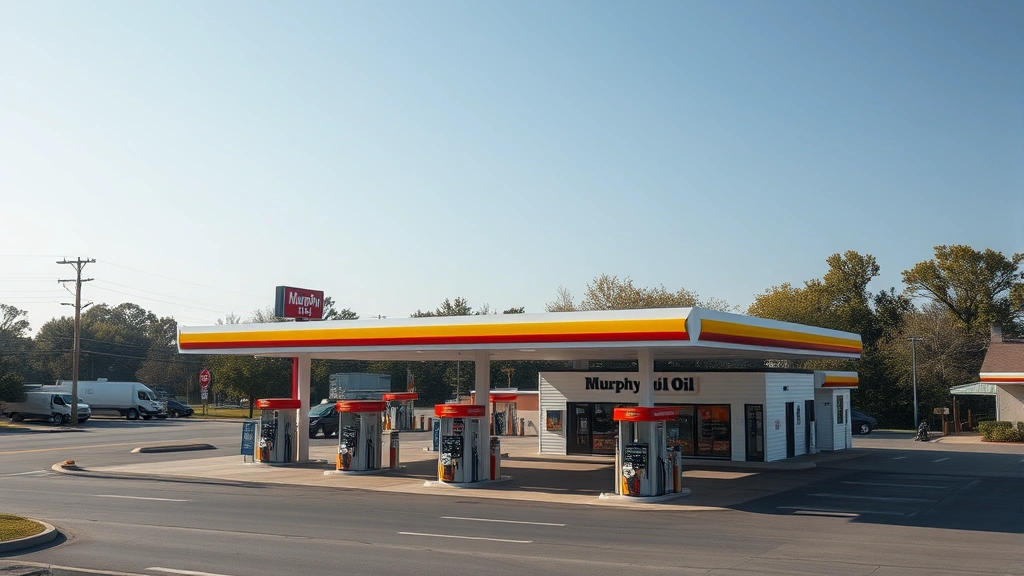
Are Murphy Gas Prices Sustainable? Analyst Insights
Murphy Oil Corporation’s fuel pricing strategy raises critical questions about long-term environmental and economic sustainability in the energy sector. As global markets shift toward cleaner alternatives, understanding the implications of conventional gas pricing becomes essential for consumers, investors, and sustainability advocates alike.
This comprehensive analysis examines Murphy’s gas pricing mechanisms, their environmental impact, and what industry experts predict for the future of fossil fuel economics. We’ll explore how current pricing models affect consumer behavior, climate goals, and the transition to sustainable energy solutions that define our collective environmental responsibility.

Understanding Murphy Gas Pricing Dynamics
Murphy Oil’s pricing structure reflects complex interactions between crude oil markets, refining costs, distribution networks, and profit margins. The company’s gas prices fluctuate based on global crude oil benchmarks, primarily West Texas Intermediate (WTI) and Brent crude prices, which serve as reference points for the entire petroleum industry.
From a sustainability perspective, current pricing models fail to account for externalities—the hidden costs of carbon emissions, environmental degradation, and climate change impacts. When consumers pump gasoline at Murphy stations, they’re paying for the product itself but not for the environmental damage associated with extraction, refining, and combustion. This market failure perpetuates unsustainable consumption patterns and delays the transition to cleaner energy sources.
Analysts point out that Murphy’s pricing strategy, while competitive in the short term, doesn’t reflect the true cost of fossil fuels. Environmental Protection Agency research demonstrates that incorporating environmental costs would substantially increase conventional fuel prices, making advantages of electric vehicles and renewable energy significantly more economically attractive.
The company’s operational costs include crude oil acquisition, transportation, refining, and retail distribution. However, these costs don’t capture the expenses society bears through climate change impacts, air quality degradation, and public health consequences. This structural disconnect between private pricing and social costs represents a fundamental sustainability challenge.
Environmental Impact of Conventional Fuel Pricing
The sustainability question fundamentally centers on whether Murphy’s gas prices adequately reflect environmental consequences. Conventional gasoline combustion produces greenhouse gases—primarily carbon dioxide—that accumulate in the atmosphere and drive climate change. Each gallon burned represents a debt owed to future generations.
Research from the Carbon Brief indicates that if gasoline prices incorporated carbon costs through mechanisms like carbon pricing, prices would increase by 25-50% depending on regional carbon tax rates. This would fundamentally reshape consumer purchasing decisions and accelerate adoption of fuel-efficient vehicles and electric alternatives.
Murphy’s pricing advantage stems partly from externalizing these costs. Competitors using similar pricing models benefit from the same market distortion. However, this creates what economists call a “market failure”—prices don’t reflect true scarcity or costs, leading to overconsumption and environmental degradation.
The extraction phase presents additional sustainability concerns. Oil drilling operations impact ecosystems, water quality, and wildlife habitats. Refining processes consume enormous quantities of water and energy while generating air pollution. Distribution through pipelines and transportation creates spill risks and fugitive emissions. None of these costs appear prominently in the pump price consumers see.
From a climate perspective, Murphy’s gas prices are demonstrably unsustainable. The Intergovernmental Panel on Climate Change emphasizes that limiting warming to 1.5°C requires rapid fossil fuel phase-out. Current pricing structures—including Murphy’s—encourage continued consumption contrary to scientific consensus on climate action requirements.
Market Competition and Price Sustainability
Murphy Oil operates within a competitive retail fuel market where price sensitivity drives consumer behavior. The company’s stations compete with major brands like Shell, Chevron, ExxonMobil, and BP, as well as independent retailers and warehouse clubs. This competition creates pressure toward lower prices, which can undermine sustainability objectives.
When fuel becomes cheaper, consumption increases—an economic principle called elasticity of demand. Lower prices at Murphy stations may shift market share but don’t necessarily improve overall sustainability outcomes. Consumers who choose Murphy based on 2-cent savings per gallon aren’t necessarily making environmentally conscious decisions.
The competitive dynamics create a race-to-the-bottom scenario where sustainability investments become competitive disadvantages. If Murphy invested significantly in carbon offset programs or renewable fuel blending, higher prices would drive customers to competitors. Without industry-wide standards or regulatory requirements, individual companies cannot unilaterally implement sustainable pricing without sacrificing market position.
Analyst consensus suggests that sustainable fuel pricing requires systemic change—carbon pricing mechanisms, regulatory mandates, or consumer preference shifts toward sustainability. Murphy’s pricing alone cannot be sustainable within a market that undervalues environmental costs. The company operates rationally within current market structures, but those structures themselves are fundamentally unsustainable.
However, emerging trends show shifting consumer preferences. Younger demographics increasingly prioritize environmental impact in purchasing decisions. Companies investing in green technology innovations and transparent sustainability reporting attract premium customers willing to pay for environmental responsibility.
The Role of Regulatory Pressures
Government regulations increasingly address fossil fuel sustainability, directly impacting pricing dynamics. Carbon pricing mechanisms, renewable fuel standards, and emission regulations all increase costs for conventional fuel producers, which typically flow through to consumer prices.
The EPA’s Renewable Fuel Standard requires fuel blending with biofuels, increasing production costs. California’s Low Carbon Fuel Standard imposes stricter requirements in that major market. These regulations push fuel prices upward and create competitive advantages for alternative fuels.
Murphy Oil, like all petroleum producers, faces increasing regulatory scrutiny. Climate commitments from governments worldwide suggest that regulations will intensify. Analysts predict that regulatory costs will become increasingly significant components of fuel prices, potentially accelerating the transition away from conventional gasoline.
International climate agreements create pressure for carbon pricing mechanisms. The European Union’s Emissions Trading System, for example, significantly increases fuel costs in that market. Similar mechanisms spreading globally would fundamentally alter the economics of conventional fuel pricing, making it substantially less competitive.
From a long-term sustainability perspective, regulatory trends favor fuel price increases. This creates investment opportunities in sustainable energy solutions and challenges for conventional fuel retailers. Murphy’s current pricing advantage may erode as regulatory costs accumulate.
Analysts anticipate that companies investing now in renewable energy, electric vehicle infrastructure, and sustainable fuel alternatives will position themselves advantageously as regulations tighten. Murphy’s continued focus on conventional fuel pricing may represent a declining business model.
Consumer Behavior and Fuel Alternatives
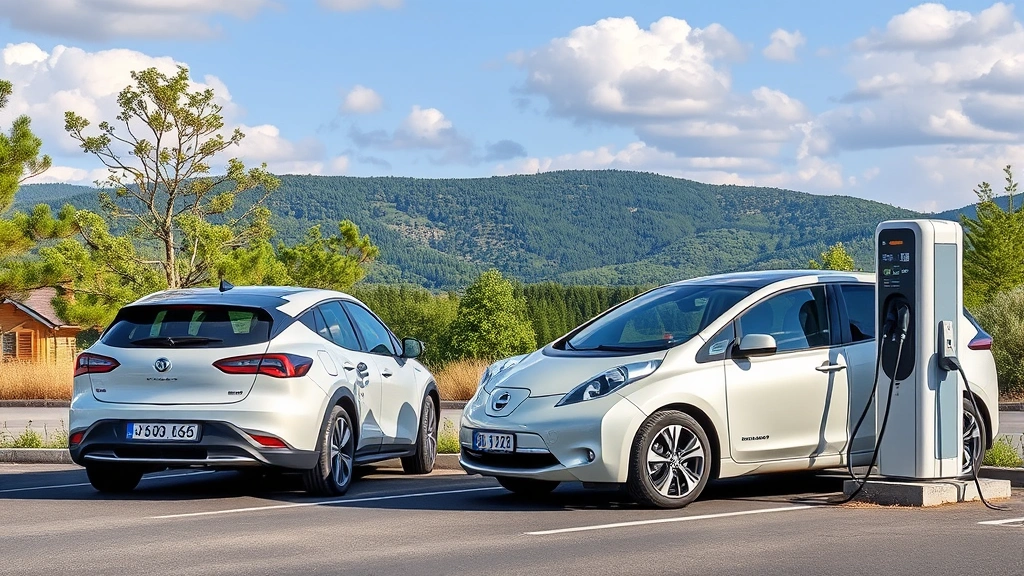
Sustainability ultimately depends on consumer choices. While Murphy’s gas prices remain competitive, consumers increasingly have alternatives that weren’t widely available a decade ago. Electric vehicles now represent nearly 14% of new vehicle sales in developed markets, fundamentally changing fuel consumption patterns.
The total cost of ownership for electric vehicles increasingly favors EVs over conventional vehicles, even before considering environmental benefits. Charging costs substantially undercut gasoline expenses, and battery prices continue declining. This economic shift occurs independently of Murphy’s pricing strategy—it represents structural market transformation.
Hybrid vehicles and improved combustion efficiency also reduce demand for gasoline. More efficient vehicles consume less fuel regardless of price, creating a ceiling on Murphy’s volume growth. The company faces a shrinking addressable market as consumers transition to alternatives.
Consumer awareness of climate issues and environmental impacts has grown dramatically. Younger consumers increasingly avoid conventional fuel purchases when alternatives exist. This preference shift, while gradual, undermines the long-term sustainability of Murphy’s core business model.
Behavioral economics research indicates that transparent communication about environmental costs influences purchasing decisions. If fuel prices clearly displayed carbon costs and environmental impacts, consumer behavior would shift more dramatically. The sustainability question ultimately hinges on whether true cost accounting becomes standard practice.
Forward-thinking analysts suggest that Murphy’s long-term sustainability requires diversification beyond conventional fuel retail. Companies investing in energy efficiency solutions and EV infrastructure position themselves for the post-petroleum economy.
Long-Term Viability Assessment
Assessing Murphy’s gas prices through a sustainability lens requires considering multiple timeframes. In the short term (1-3 years), current pricing appears competitive and viable. The company maintains profitability and market share in a mature industry.
Medium-term analysis (5-10 years) reveals growing challenges. Regulatory costs increase, consumer preferences shift toward alternatives, and competition from renewable energy intensifies. Murphy’s pricing advantage erodes as external costs increasingly manifest in market mechanisms.
Long-term sustainability (10-30 years) appears questionable under current business models. Climate commitments require fossil fuel phase-out. Regulatory mechanisms will increasingly price carbon emissions. Consumer preferences continue shifting toward sustainable alternatives. Markets will likely penalize companies dependent on declining fossil fuel consumption.
Industry analysts increasingly rate conventional fuel retail as a “sunset industry”—profitable now but facing structural decline. Murphy’s current pricing strategy, while competitive, doesn’t address this fundamental challenge. The company’s sustainability depends on successful diversification into renewable energy, EV infrastructure, and other sustainable sectors.
Environmental organizations and climate scientists universally conclude that fossil fuel consumption must decline dramatically. This creates inevitable pressure on conventional fuel pricing and demand. Murphy’s gas prices may be sustainable in narrow economic terms, but unsustainable in ecological and climate terms.
The most comprehensive sustainability assessment concludes that Murphy’s current pricing model is transitionally viable but fundamentally unsustainable. The company operates within market structures that fail to account for environmental costs. Until those structures change—through regulation, carbon pricing, or consumer preference—Murphy’s prices will remain artificially low from a true-cost perspective.
Investors should recognize that companies successfully navigating the energy transition will thrive, while those clinging to conventional fuel retail face increasing headwinds. Murphy’s sustainability ultimately depends on strategic repositioning toward renewable energy and sustainable transportation solutions, not on optimizing conventional gas pricing.
FAQ
What factors primarily influence Murphy gas prices?
Murphy’s retail prices reflect crude oil benchmark prices (WTI and Brent), refining and distribution costs, local market competition, and profit margins. Geopolitical events, supply disruptions, and seasonal demand fluctuations also significantly impact pricing.
How do Murphy’s prices compare to environmental costs?
Murphy’s prices don’t incorporate environmental externalities—carbon emissions, ecosystem damage, public health impacts, and climate costs. Research suggests true-cost pricing would increase prices 25-50%, making alternative fuels more competitive.
Are Murphy’s prices sustainable long-term?
Analysts conclude Murphy’s conventional fuel pricing is transitionally viable but faces structural challenges. Regulatory pressures, consumer preference shifts, and climate commitments all threaten long-term viability of traditional gas retail business models.
How does carbon pricing affect Murphy’s sustainability?
Carbon pricing mechanisms increase fuel costs by incorporating environmental expenses. As carbon pricing spreads globally, Murphy’s prices would rise, reducing competitive advantages and accelerating consumer transition to alternatives.
What alternatives exist to Murphy gasoline?
Electric vehicles represent the most sustainable alternative, with declining costs and improving infrastructure. Hybrid vehicles, biofuels, and renewable energy sources also reduce dependence on conventional gasoline.
Should consumers consider environmental impacts when choosing fuel providers?
Yes. While individual pump choices have modest environmental impacts, purchasing decisions collectively shape market demand. Supporting companies investing in sustainability drives industry transformation toward cleaner energy.


