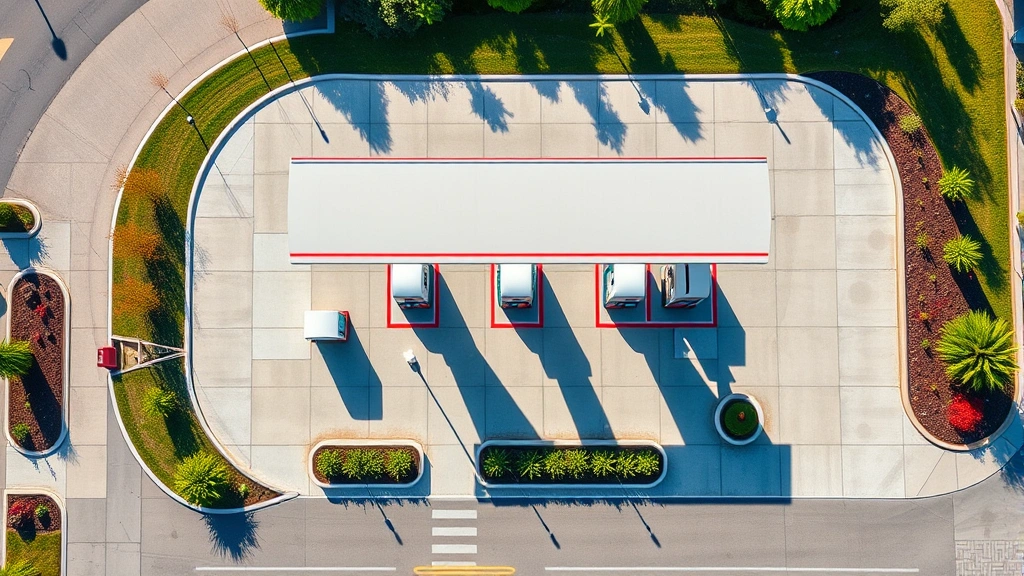
Find Murphy Gas Near You: Comprehensive Guide to Locating and Understanding Murphy Gas Stations
Murphy USA has become one of the largest independent fuel retailers in the United States, operating thousands of gas stations across the country. Whether you’re searching for a convenient fuel stop or looking to understand the environmental implications of your fuel choices, this comprehensive guide will help you locate Murphy gas stations near you and make informed decisions about your energy consumption.
Finding a reliable gas station shouldn’t be complicated. Murphy stations are strategically located in communities nationwide, offering competitive pricing and various fuel options. However, as sustainability-conscious consumers, it’s equally important to understand the broader context of fossil fuel consumption and explore how your fueling choices fit into the larger energy landscape.
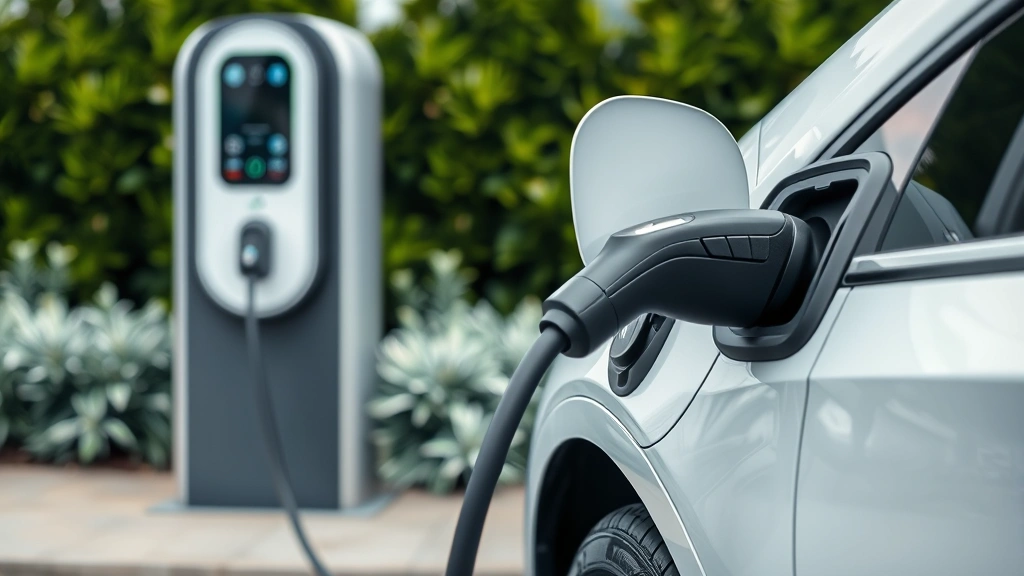
How to Find Murphy Gas Stations Near You
Locating a Murphy gas station has never been easier thanks to modern technology and multiple search options. The most direct approach is visiting the official Murphy USA website, where their station locator tool allows you to enter your address, city, or ZIP code to find nearby locations. The locator displays exact addresses, hours of operation, and available amenities at each station.
Alternatively, you can use popular navigation apps like Google Maps, Apple Maps, or Waze. Simply search “Murphy gas station near me” and the app will display all nearby locations, current fuel prices, real-time traffic conditions, and customer reviews. These apps often provide directions and estimated arrival times, making your journey seamless.
Mobile applications offer another convenient option. The Murphy USA mobile app provides exclusive deals, fuel rewards tracking, and station locator functionality directly from your smartphone. Downloading the app grants access to digital coupons and loyalty program benefits that can save you money on every fill-up.
For those preferring traditional methods, calling local Murphy stations directly or checking printed directories at nearby businesses can also help. Many Murphy locations are co-branded with Walmart, making them particularly easy to find in areas where Walmart stores operate.
Understanding Murphy USA’s Network
Murphy USA operates one of the most extensive independent fuel retail networks in North America. With over 1,600 locations across 40 states, Murphy stations serve millions of customers daily. Understanding the scope and structure of this network helps you appreciate the logistics involved in fuel distribution and the environmental considerations of maintaining such infrastructure.
The company’s strategic locations often coincide with high-traffic areas, shopping centers, and highway corridors. This positioning reflects consumer demand patterns and fuel consumption trends. Murphy stations range from standalone locations to co-branded outlets at Walmart and Murphy Express locations, each offering different amenities and service levels.
Murphy USA’s commitment to technology integration has transformed the customer experience. Real-time fuel price tracking, digital payment options, and loyalty program integration streamline transactions. However, it’s worth considering how this efficiency in fossil fuel distribution relates to broader sustainable energy solutions and the transition toward cleaner fuel alternatives.
The company has also invested in infrastructure improvements, including modernized payment systems and enhanced customer facilities. These upgrades reflect changing consumer preferences and the competitive landscape of retail fuel distribution.
Fuel Options and Environmental Impact
Murphy gas stations offer various fuel grades and options to meet different vehicle requirements. Standard offerings typically include Regular (87 octane), Mid-Grade (89 octane), and Premium (91-93 octane) gasoline. Many locations also provide diesel fuel for commercial vehicles and trucks.
From an environmental perspective, it’s crucial to understand the implications of your fuel choices. Burning fossil fuels releases carbon dioxide and other greenhouse gases contributing to climate change. According to the EPA’s climate impact resources, transportation accounts for approximately 27% of total greenhouse gas emissions in the United States.
Some Murphy stations offer ethanol-blended fuels like E10 (10% ethanol) or E15 (15% ethanol), which reduce reliance on pure petroleum. While ethanol is derived from renewable corn sources, the agricultural and processing impacts warrant consideration. Understanding whether natural gas and alternative fuels are renewable helps contextualize your energy choices.
The environmental footprint extends beyond the fuel itself. Extracting, refining, and transporting gasoline consumes significant energy and resources. Each gallon of fuel represents a complex supply chain with environmental costs at every stage. This reality underscores the importance of considering fuel efficiency and exploring alternative transportation methods.
Environmental Considerations:
- Fuel combustion produces CO2, contributing to climate change
- Oil extraction and refining processes consume substantial water and energy
- Transportation of fuel requires additional energy investment
- Vehicle emissions affect local air quality and public health
- Fuel spills and leaks pose environmental contamination risks
Pricing and Loyalty Programs
Murphy USA has built its reputation partly on competitive fuel pricing. The company operates as an independent retailer, allowing flexibility in pricing strategies. Fuel prices fluctuate based on crude oil markets, regional demand, and supply chain factors. Murphy stations typically monitor competitor pricing to remain competitive within local markets.
The Murphy USA loyalty program, called Murphy Rewards, provides significant savings opportunities. Members earn rewards points on fuel purchases and in-store transactions, which can be redeemed for discounts on future fill-ups. The program is free to join and accessible through the mobile app or in-store enrollment.
Digital promotions and seasonal offers frequently appear in the Murphy app, providing additional savings. Some promotions offer bonus points during specific periods or discounted fuel prices for members. These programs incentivize repeat visits and build customer loyalty.
However, while pursuing savings, consider the broader financial and environmental cost of fuel consumption. Reducing fuel consumption through improved vehicle efficiency, carpooling, or exploring advantages of electric vehicles represents a more sustainable long-term strategy than optimizing discount programs.
Alternative Fuel Considerations
While Murphy gas stations primarily serve traditional gasoline and diesel vehicles, the energy landscape is rapidly evolving. As a sustainability-conscious consumer, exploring alternative fuel options deserves serious consideration.
Electric Vehicles (EVs) represent the most significant shift in transportation energy. Unlike gasoline vehicles, EVs produce zero direct emissions and operate at substantially lower cost per mile. The U.S. government offers tax incentives for EV purchases, and charging infrastructure continues expanding rapidly. Switching to an electric vehicle eliminates the need to visit gas stations entirely.
Hybrid Vehicles combine traditional engines with electric motors, improving fuel efficiency and reducing emissions compared to conventional gasoline-only vehicles. While not eliminating fossil fuel consumption, hybrids represent a practical transition option for many drivers.
Compressed Natural Gas (CNG) vehicles offer lower emissions than gasoline, though recent natural gas news highlights ongoing debates about CNG’s long-term sustainability. CNG infrastructure remains limited compared to gasoline stations.
Hydrogen Fuel Cell Vehicles produce only water vapor as emissions, representing a promising zero-emission technology. However, hydrogen infrastructure remains minimal, limiting current practical applications.
The transportation sector is undergoing profound transformation. Green technology innovations transforming our future increasingly focus on electrification and renewable energy integration. As these technologies mature and become more affordable, the role of traditional gas stations will diminish.
Sustainability and Future Energy
Understanding Murphy gas stations within the broader sustainability context reveals important insights about energy consumption and environmental responsibility. While Murphy USA serves a legitimate current market need, the energy landscape is shifting toward renewable and clean alternatives.
The transportation sector faces mounting pressure to decarbonize. Climate scientists emphasize that achieving climate goals requires rapid transition away from fossil fuels. This transition presents both challenges and opportunities for fuel retailers, consumers, and policymakers.
Murphy USA has begun acknowledging changing market dynamics. Some company statements reference energy transition trends and evolving customer preferences. However, as an independent fuel retailer, the company’s primary business model remains tied to gasoline and diesel sales.
For individual consumers, the path forward involves considering personal energy choices holistically. While occasionally visiting Murphy stations may be necessary in the near term, planning for long-term transportation alternatives aligns with climate and sustainability goals. Evaluating when to transition to electric vehicles, improving current vehicle efficiency, and exploring sustainable energy solutions represents responsible environmental stewardship.
According to the U.S. Department of Energy, federal incentives support EV adoption and renewable energy integration. These policies reflect governmental commitment to accelerating the clean energy transition.
The International Energy Agency emphasizes that achieving net-zero emissions requires rapid transformation across all energy sectors, including transportation. This transformation will reshape fuel retail landscapes significantly over coming decades.
Sustainability Action Steps:
- Research electric vehicle options and charging infrastructure in your area
- Monitor fuel consumption and explore fuel-efficient driving techniques
- Consider carpooling, public transportation, or biking for shorter trips
- Track your carbon footprint and set reduction goals
- Stay informed about recent sustainability developments and energy news
- Support policies promoting renewable energy and clean transportation
- Evaluate your household’s overall energy consumption patterns
The future of transportation and fuel retail remains dynamic. While Murphy gas stations continue serving current consumer needs, the trajectory points toward renewable energy dominance. By understanding these trends and making informed choices, you contribute to broader sustainability goals.
FAQ
What are Murphy gas station hours of operation?
Most Murphy stations operate 24 hours daily, though some locations maintain limited hours. Check the Murphy USA website or mobile app for specific location hours, as they vary by station.
Does Murphy USA accept all major credit cards?
Yes, Murphy stations accept Visa, Mastercard, American Express, and Discover. Digital payment options and the mobile app also process transactions seamlessly.
Are Murphy stations more affordable than competitors?
Murphy USA typically maintains competitive pricing within local markets. Prices fluctuate based on crude oil markets and regional factors. The loyalty program provides additional savings opportunities.
Can I use Murphy Rewards at all locations?
Murphy Rewards work at all Murphy USA stations nationwide. The program is free to join through the mobile app or in-store enrollment.
What environmental impact does choosing gasoline have?
Gasoline combustion produces greenhouse gases contributing to climate change. The extraction, refining, and transportation processes also consume significant resources. Electric vehicles and alternative fuels offer lower-emission alternatives.
How do I transition away from gas vehicles?
Research electric vehicles available in your area, evaluate charging infrastructure, and explore available incentives. Consider your driving patterns and budget when planning the transition.
Where can I find more sustainability information?
Visit the EPA website, International Energy Agency resources, and dedicated sustainability publications for comprehensive information about energy choices and environmental impact.


