Is Murphy’s Gas Eco-Friendly? Research Insights
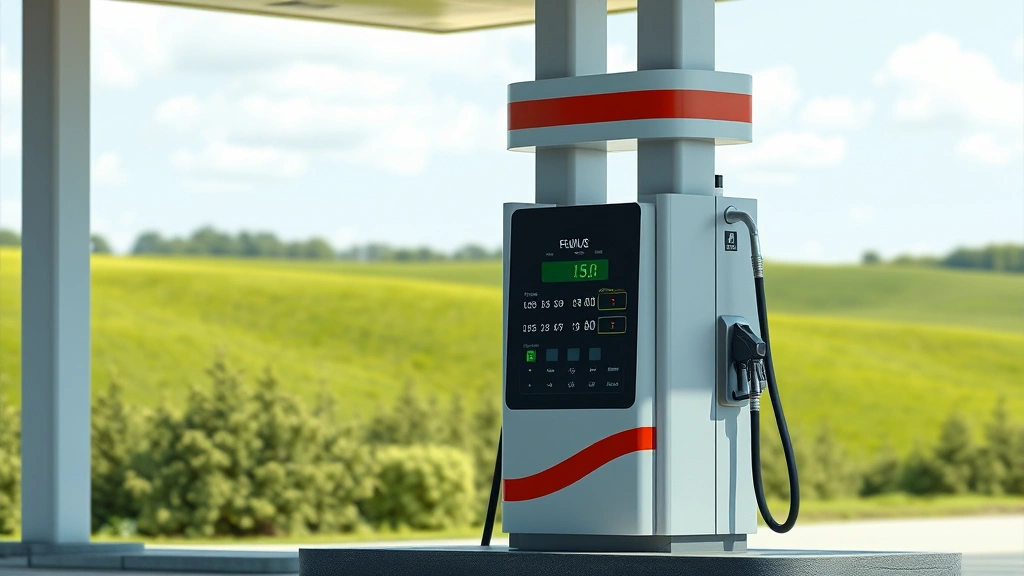
When searching for Murphy’s gas near me, many environmentally conscious consumers wonder about the sustainability credentials of this fuel provider. Murphy USA, one of the largest independent fuel retailers in North America, operates thousands of stations across the United States. Understanding whether Murphy’s gas aligns with eco-friendly practices requires examining their environmental commitments, fuel composition, and corporate sustainability initiatives.
The question of fuel eco-friendliness extends beyond just the gas station brand. It encompasses the entire supply chain, from extraction and refining to distribution and combustion. Murphy USA has made various environmental pledges, but the reality of fossil fuel consumption demands a nuanced analysis of their actual impact and how they compare to alternative energy solutions.
Murphy USA’s Environmental Commitments
Murphy USA has publicly stated environmental goals, though their implementation varies across their network. The company operates under corporate governance frameworks that address sustainability, and they report on environmental metrics through annual corporate responsibility reports. However, as a traditional fossil fuel retailer, their primary business model remains dependent on gasoline and diesel sales.
The company has invested in modernizing their fuel delivery infrastructure to reduce leakage and contamination risks. They’ve also implemented programs to minimize environmental impact at individual stations, including proper waste management and spill prevention protocols. These measures are important for local environmental protection, but they don’t fundamentally change the nature of their core product.
Murphy USA’s commitment to sustainable energy solutions includes some renewable fuel blending, though the extent varies by location and regulatory requirements. Their integration of ethanol and biodiesel blends represents incremental progress, but these measures alone don’t classify traditional gasoline as truly eco-friendly.
Fuel Composition and Quality Standards
Murphy’s gasoline meets or exceeds EPA standards for fuel quality and emissions performance. All gasoline sold in the United States contains detergents required by the EPA’s Top Tier Gasoline Program, which helps reduce engine deposits and improve fuel efficiency. Murphy USA’s fuel meets these baseline standards, which means vehicles burn it more cleanly than older fuel formulations.
The company offers various fuel grades, including regular, mid-grade, and premium options. Some Murphy’s locations feature branded fuel products with enhanced detergent packages, which can improve engine performance and potentially reduce emissions in certain vehicle types. However, these improvements represent optimization of a fossil fuel product rather than a fundamental shift toward sustainability.
Understanding whether natural gas and conventional fuels are renewable or nonrenewable helps contextualize Murphy’s products. Gasoline and diesel are non-renewable fossil fuels extracted from ancient organic deposits. Even with quality improvements, they remain fundamentally unsustainable from a climate perspective due to their carbon emissions when burned.
Carbon Footprint and Emissions
The environmental impact of any gasoline, including Murphy’s, primarily comes from its combustion in vehicles. Burning one gallon of gasoline produces approximately 19.6 pounds of carbon dioxide, contributing directly to greenhouse gas emissions and climate change. Murphy USA’s fuel doesn’t differ significantly from competitors in this regard—the carbon footprint is inherent to the product itself.
Lifecycle analysis of gasoline includes extraction, refining, transportation, and consumption phases. The refining process at Murphy’s partner refineries requires substantial energy input, though modern refineries have implemented efficiency improvements. Transportation to distribution centers and individual stations adds additional emissions, though this represents a relatively small percentage of the total fuel lifecycle carbon footprint.
For consumers seeking to reduce their environmental footprint, choosing Murphy’s gas over other brands offers minimal climate benefit. The most significant impact comes from reducing fuel consumption through vehicle choice, driving habits, and trip consolidation rather than switching between gasoline retailers.
Research from the EPA’s Green Vehicles Program demonstrates that vehicle efficiency matters far more than fuel brand when considering emissions reduction. A fuel-efficient vehicle using Murphy’s gas will have substantially lower emissions than an SUV using premium fuel from any competitor.
Renewable Fuel Integration
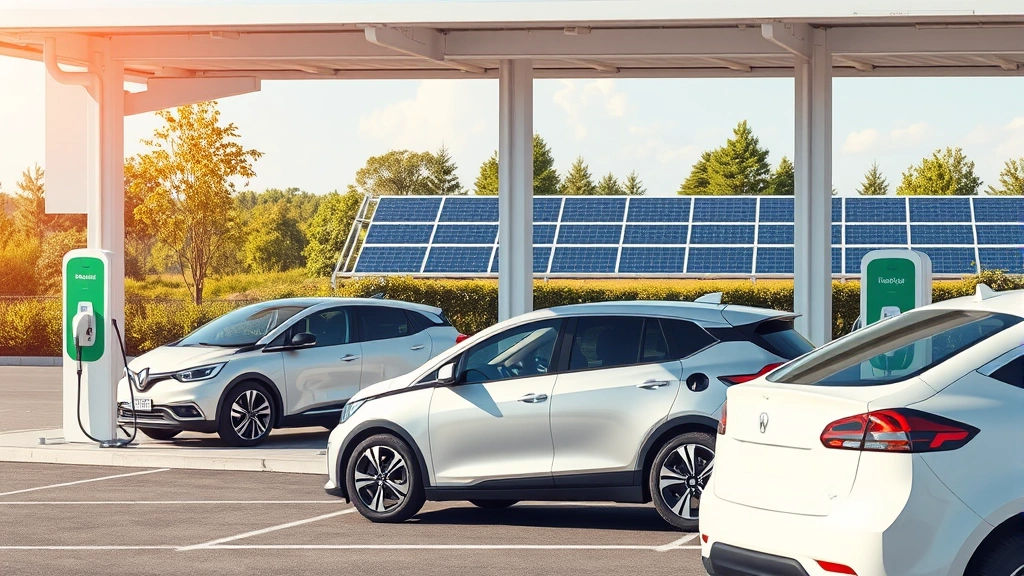
Murphy USA’s approach to renewable fuels includes offering gasoline blended with ethanol, which is mandated by the Renewable Fuel Standard (RFS) program established by the EPA. Most gasoline sold in the United States contains 10% ethanol (E10), which Murphy’s stations provide. Some locations offer E15 (15% ethanol) for compatible vehicles, expanding renewable fuel availability.
Ethanol blending represents progress toward reduced petroleum dependence, though renewable fuel benefits are debated among environmental scientists. Ethanol production involves growing corn, processing it, and transporting the fuel, all of which require energy inputs. Net carbon reduction from ethanol depends on agricultural practices, fertilizer use, and production efficiency—factors that vary significantly.
Some Murphy’s locations in regions with biodiesel blending mandates offer diesel fuel with renewable diesel or biodiesel content. These renewable diesel alternatives reduce lifecycle carbon emissions compared to petroleum diesel, though availability remains limited. Consumers interested in renewable fuels should check specific Murphy’s locations near them, as fuel offerings vary by state and local regulations.
Comparing Murphy’s to Competitors
When evaluating Murphy’s environmental performance, comparison with other fuel retailers provides context. Major oil companies like Shell, Chevron, and BP have announced more ambitious climate commitments than Murphy USA, including investments in renewable energy and carbon reduction targets. However, these companies also continue selling traditional gasoline and diesel to billions of consumers globally.
Independent retailers like Murphy USA often lack the capital investment capacity of major oil corporations for renewable energy transitions. This structural disadvantage means Murphy’s climate commitments typically lag behind larger competitors, though the absolute environmental difference remains modest since all gasoline retailers sell fundamentally similar products.
Murphy USA’s pricing strategy actually provides an environmental advantage in one respect: their competitive fuel prices sometimes make driving more economical, which paradoxically could increase fuel consumption. This illustrates the complexity of evaluating gas station brands—lower prices don’t inherently support sustainability goals if they encourage increased driving.
Alternative Energy Solutions
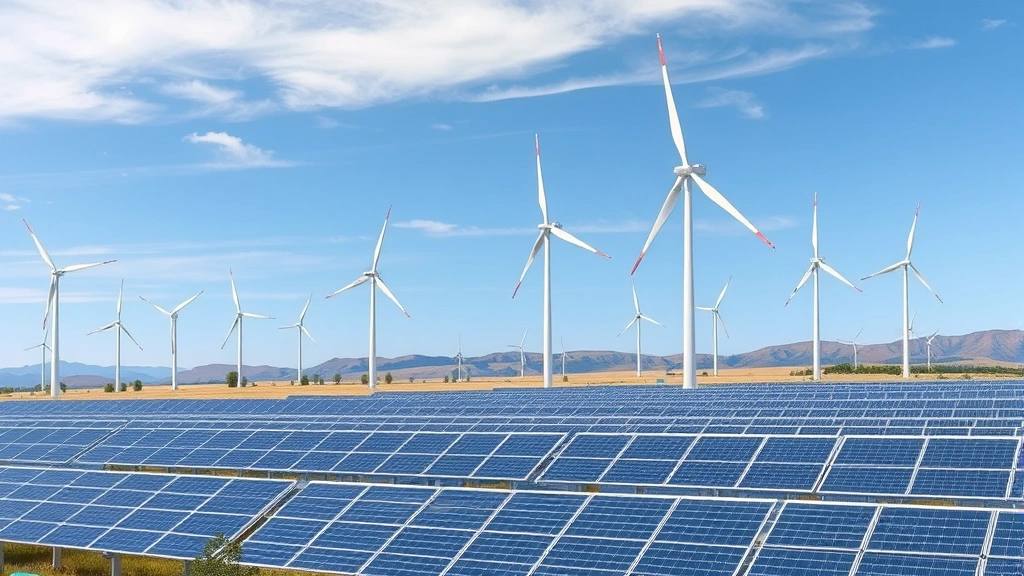
For consumers genuinely committed to eco-friendly transportation, advantages of electric vehicles far exceed any benefit from choosing premium gasoline brands. Electric vehicles produce zero tailpipe emissions and dramatically reduce lifetime carbon footprints compared to any internal combustion engine vehicle. As electricity grids increasingly incorporate renewable energy, EVs become progressively cleaner.
Hybrid vehicles offer a middle ground, combining electric and combustion engines to reduce fuel consumption and emissions. These vehicles remain dependent on gas stations but consume significantly less fuel than conventional vehicles. Murphy’s stations serve hybrid drivers effectively, though these consumers might also benefit from evaluating their overall transportation strategy.
For those unable to transition to electric or hybrid vehicles immediately, reducing fuel consumption through driving behavior changes provides meaningful environmental benefits. Carpooling, consolidating trips, maintaining proper tire pressure, and reducing idle time all decrease fuel consumption and emissions regardless of fuel brand. These behavioral changes often prove more impactful than switching between gas retailers.
Exploring green technology innovations transforming our future reveals emerging solutions beyond traditional fuel stations. Hydrogen fuel cell vehicles, advanced biofuels, and synthetic sustainable fuels represent longer-term alternatives that may eventually replace conventional gasoline infrastructure. Murphy USA’s role in this energy transition remains uncertain.
Public transportation, biking, and walking represent the most sustainable transportation options for many trips. These modes produce zero direct emissions and offer health, financial, and community benefits beyond environmental considerations. Communities investing in public transit infrastructure create pathways to sustainability that transcend individual fuel brand choices.
Visit FuelEconomy.gov for detailed vehicle efficiency data to inform purchasing decisions. This EPA resource helps consumers understand the real-world environmental impact of different vehicles, which matters far more than fuel brand selection.
FAQ
Is Murphy’s gas better for the environment than Shell or Chevron?
All conventional gasoline produces similar emissions when burned, regardless of retailer brand. Murphy’s, Shell, Chevron, and other retailers sell fundamentally equivalent products. Environmental differences relate more to corporate climate commitments and renewable energy investments than fuel quality. For maximum environmental benefit, focus on vehicle choice and consumption reduction rather than fuel brand.
Does Murphy’s offer ethanol-free gasoline?
Most Murphy’s locations sell E10 (10% ethanol) as their standard gasoline, meeting federal renewable fuel requirements. Some locations in states without ethanol blending mandates may offer ethanol-free options, but availability varies. Check with your local Murphy’s station to confirm if they stock ethanol-free fuel, as this option remains uncommon across their network.
Can I find sustainability information on the SustainWise Hub Blog about fuel choices?
Yes, sustainability blogs and resources provide detailed analyses of fuel environmental impacts, vehicle efficiency, and transportation alternatives. These resources help consumers make informed decisions about their environmental footprint and identify meaningful ways to reduce emissions through technology and behavior changes.
What’s the most eco-friendly way to fuel my vehicle?
If you own a gasoline vehicle, all fuel retailers offer similar environmental performance. The most eco-friendly approach involves driving fuel-efficient vehicles, consolidating trips, maintaining proper vehicle maintenance, and considering alternative transportation modes. For maximum environmental benefit, transitioning to electric or hybrid vehicles dramatically reduces transportation emissions.
Does Murphy USA invest in renewable energy?
Murphy USA’s renewable energy investments remain limited compared to major oil corporations. Their primary focus remains traditional fuel retail, though they participate in renewable fuel blending programs as mandated by federal regulations. Consumers seeking retailers with substantial renewable energy commitments may need to research company-specific sustainability reports.
How does vehicle efficiency compare to fuel brand choice?
Vehicle efficiency matters exponentially more than fuel brand. A hybrid vehicle using Murphy’s gasoline produces far fewer emissions than an SUV using premium fuel from any competitor. Choosing an efficient vehicle reduces emissions more effectively than any fuel brand selection, making vehicle purchase decisions the most impactful environmental choice for drivers.


