Natural Gas Furnace: Eco-Friendly Choice? Expert Insights
When homeowners consider heating solutions, the natural gas furnace remains one of the most popular options across North America. But as environmental concerns intensify and climate science evolves, many ask whether these systems truly align with eco-friendly living. This comprehensive guide examines the environmental impact of natural gas furnaces, comparing them to alternative heating technologies and exploring what experts say about their sustainability credentials.
Natural gas furnaces have dominated residential heating for decades, offering reliable warmth and relatively lower upfront costs than many alternatives. However, the environmental equation is complex. While natural gas burns cleaner than coal or oil, it remains a fossil fuel with significant carbon emissions. Understanding the full lifecycle impact—from extraction to combustion—is essential for making informed decisions about your home’s heating system.
How Natural Gas Furnaces Work
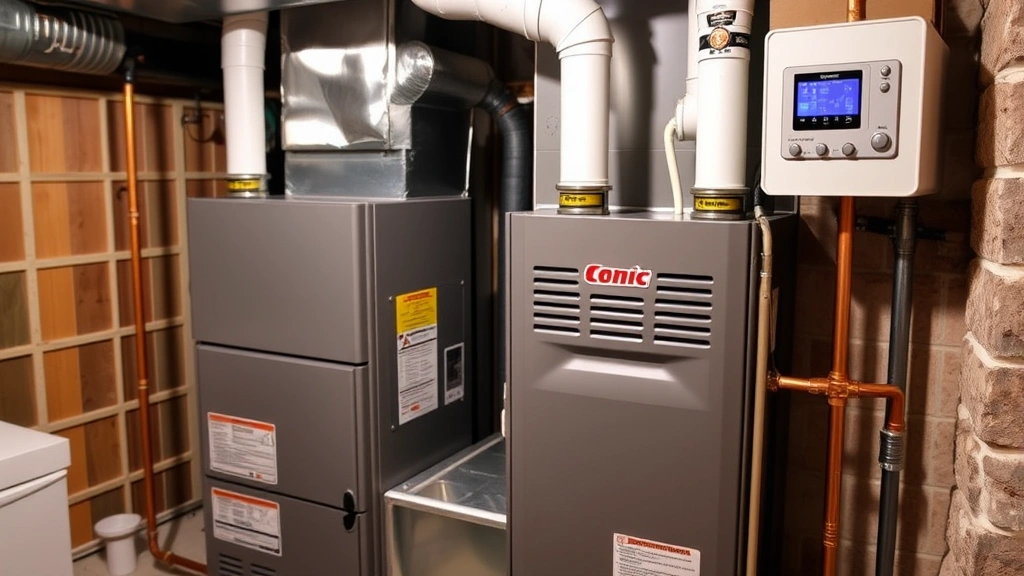
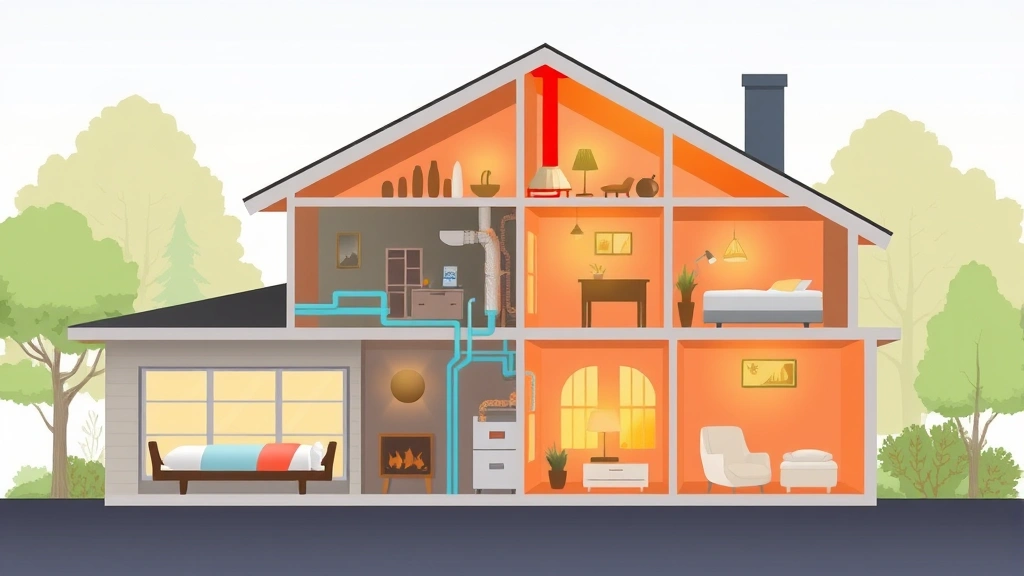
A natural gas furnace operates by burning methane-rich fuel to generate heat, which is then distributed throughout your home via ductwork and vents. The system includes several key components: a burner that ignites the gas, a heat exchanger that transfers thermal energy to air, and a blower that circulates warmed air. Modern furnaces also feature sophisticated controls and safety mechanisms to optimize performance and prevent gas leaks.
The efficiency of this process matters enormously for both your utility bills and environmental impact. Modern furnaces achieve Annual Fuel Utilization Efficiency (AFUE) ratings between 90-98%, meaning they convert that percentage of fuel energy into usable heat. This represents significant improvement over older models, which often operated at 60-70% efficiency. When you upgrade to a high-efficiency natural gas furnace, you’re reducing wasted energy and, consequently, lowering your carbon emissions.
Understanding how your furnace operates helps clarify why efficiency ratings matter so much. A system operating at 95% AFUE loses only 5% of fuel energy up the chimney, while a 70% AFUE system loses 30%. Over a heating season, that difference translates to substantial fuel consumption variations and corresponding environmental consequences.
Environmental Impact Analysis
The environmental story of natural gas furnaces involves multiple layers of analysis. First, consider the extraction and processing phase. Natural gas requires drilling, extraction, and transportation via pipeline networks. Methane leakage during these processes contributes to greenhouse gas emissions before the fuel even reaches your home. The EPA’s greenhouse gas overview documents how methane has 84-86 times the warming potential of carbon dioxide over a 20-year period, making leakage during extraction particularly concerning.
Next comes the combustion phase. When natural gas burns in your furnace, it produces carbon dioxide and water vapor. A typical household furnace burning gas throughout a winter season generates several tons of CO2 equivalent emissions. While this is lower than oil heating and dramatically lower than coal, it still contributes meaningfully to your household’s carbon footprint. The International Energy Agency’s natural gas and climate report provides detailed analysis of how natural gas heating impacts global climate targets.
The final consideration involves end-of-life disposal and system replacement cycles. Natural gas furnaces typically last 15-20 years before requiring replacement. Manufacturing new furnaces requires materials and energy. While the manufacturing impact is relatively modest compared to operational emissions, it still factors into total lifecycle analysis.
Comparing natural gas to other fossil fuels reveals its relative advantages. Heating oil produces approximately 20% more carbon dioxide per unit of energy than natural gas. Coal would produce roughly 90% more. However, this doesn’t make natural gas truly sustainable—it simply makes it less harmful than worse alternatives. For genuine sustainability, renewable heating solutions offer substantially better environmental profiles.
Emissions and Carbon Footprint
Quantifying the emissions from your natural gas furnace requires understanding several variables. The primary factor is how much gas your system burns, which depends on climate, home insulation, thermostat settings, and furnace efficiency. A well-insulated home in a moderate climate using a high-efficiency furnace produces far fewer emissions than a poorly insulated home in a cold climate with an older, inefficient system.
Research from the Natural Resources Defense Council indicates that residential heating accounts for approximately 10-15% of household carbon emissions in cold climates, making it a significant contributor to personal climate impact. A typical household using natural gas heat generates 4-6 metric tons of CO2 equivalent annually from heating alone, depending on location and system efficiency.
The methane leakage issue deserves particular attention. Studies show that between 2-3% of natural gas escapes during extraction, processing, and transportation. This “fugitive methane” significantly increases the overall climate impact of natural gas heating compared to direct combustion emissions alone. Some environmental organizations argue that when accounting for methane leakage, natural gas’s climate advantage over other fossil fuels diminishes considerably.
However, natural gas furnaces do perform better than many alternatives when measured against specific emissions metrics. Compared to electric resistance heating powered by coal-heavy electricity grids, natural gas can actually produce fewer emissions. This advantage disappears in regions with renewable-heavy electricity grids, where heat pumps and electric furnaces become clearly superior choices from a climate perspective.
Efficiency Ratings Explained
Understanding furnace efficiency ratings helps you make informed purchasing decisions. The AFUE rating measures the percentage of fuel energy converted to heat. A 95% AFUE furnace converts 95 cents of every dollar spent on gas into usable heat, losing only 5 cents up the exhaust. This metric directly correlates with environmental impact—higher efficiency means less fuel burned and fewer emissions produced.
Modern furnaces are classified into several efficiency tiers. Standard efficiency models achieve 80-84% AFUE and represent older technology. Mid-efficiency models reach 85-91% AFUE. High-efficiency units achieve 92-98% AFUE and incorporate advanced features like secondary heat exchangers, variable-speed blowers, and sophisticated controls. The efficiency difference between a 80% AFUE and 95% AFUE system means the newer model uses approximately 19% less fuel for identical heating output.
Beyond AFUE ratings, other efficiency factors matter. Seasonal Energy Efficiency Ratio (SEER) measures cooling efficiency if your system includes air conditioning. Integrated Energy Factor (IEF) provides broader efficiency measurement. When shopping for a furnace, look for ENERGY STAR certification, which identifies models performing in the top 15% for efficiency. These certified units typically cost more upfront but deliver substantial operational savings and environmental benefits over their lifespan.
Installation quality dramatically affects real-world efficiency. A perfectly efficient furnace installed with poor ductwork or improper thermostat settings won’t deliver its rated performance. Professional installation, proper maintenance, and regular filter changes ensure your system operates at design efficiency. Many environmental benefits of upgrading to a high-efficiency furnace are lost if installation and maintenance are inadequate.
Comparison with Alternative Heating
To properly evaluate whether a natural gas furnace represents an eco-friendly choice, comparing it against available alternatives is essential. Sustainable energy solutions increasingly include heat pumps, which have emerged as the most environmentally superior heating option in most climates.
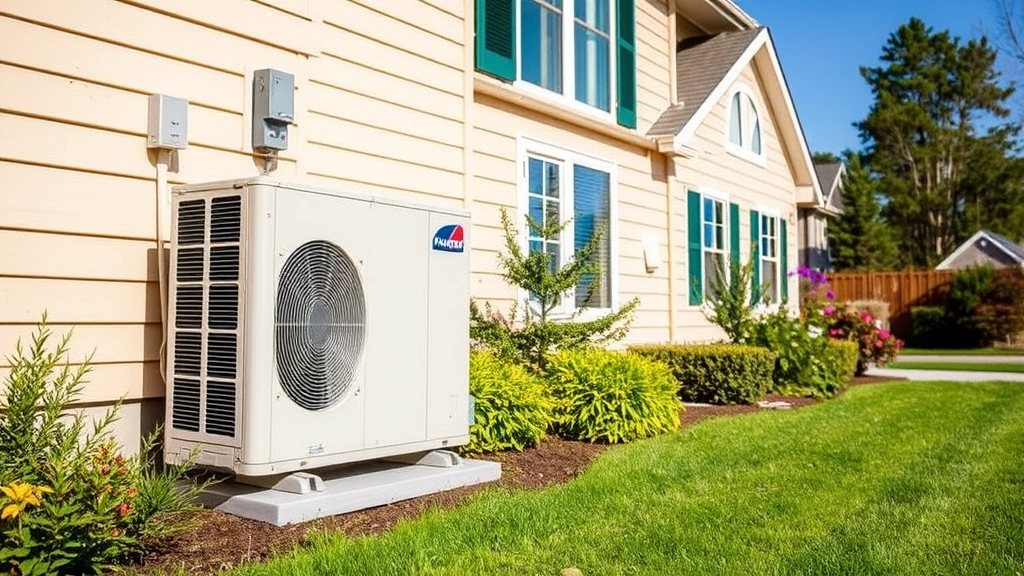
Heat pumps operate using electricity to move existing heat rather than generating new heat through combustion. In heating mode, they extract heat from outside air (or ground) and concentrate it indoors. Modern cold-climate heat pumps function effectively even in temperatures below zero Fahrenheit. The critical environmental advantage: heat pumps produce 2-4 times more heat energy than the electrical energy they consume. Even powered by grid electricity containing fossil fuel generation, heat pumps typically produce 30-50% fewer emissions than natural gas furnaces. In regions with renewable-heavy electrical grids, the advantage exceeds 80%.
Electric resistance heating represents the worst alternative, converting electricity directly to heat with no efficiency advantage. It should only be considered in areas with very clean electrical grids and as supplemental heating. Geothermal heat pumps offer the highest efficiency but require significant upfront investment and ground space for installation.
Boiler systems using natural gas provide an alternative distribution method but share similar emissions profiles with furnaces. The choice between boiler and furnace heating distribution is primarily about comfort and efficiency, not environmental impact. Natural gas water heaters similarly emit comparable carbon per unit of energy as furnaces.
Renewable heating options like solar thermal systems can reduce reliance on fossil fuel heating, though they typically require backup systems in cold climates. Biomass heating using sustainably harvested wood can be carbon-neutral if managed properly, but raises questions about air quality and sustainable sourcing. For most homeowners, high-efficiency natural gas furnaces represent a reasonable compromise between cost and emissions if heat pump installation isn’t feasible.
Your electricity grid composition matters significantly in this comparison. If your region generates most electricity from renewables, switching to an electric heat pump is clearly superior. If coal and natural gas dominate your grid, the environmental advantage of heat pumps diminishes but typically remains positive. Check your utility company’s generation mix to understand your specific situation.
Making the Sustainable Choice
Deciding whether to install, maintain, or upgrade a natural gas furnace requires balancing multiple factors: cost, climate, available alternatives, and your environmental priorities. Here are key considerations for making the most sustainable choice.
If you’re replacing an existing furnace: Upgrading to the highest efficiency model available makes environmental sense. Moving from an 80% AFUE system to a 95% AFUE unit reduces heating emissions by approximately 16% while lowering energy bills. The payback period typically ranges from 5-8 years, making it financially sensible alongside the environmental benefit. Look for ENERGY STAR certified furnaces to ensure top-tier efficiency performance.
If you’re installing new heating in a home: Seriously investigate heat pump options before defaulting to natural gas. Modern cold-climate heat pumps work effectively even in harsh winters and produce substantially lower emissions. While upfront costs are higher, long-term savings and environmental benefits often justify the investment. Green technology innovations continue improving heat pump performance and reducing costs.
Regardless of your furnace choice: Prioritize home insulation and air sealing improvements. A well-insulated home needs 30-40% less heating energy than a poorly insulated equivalent. These improvements reduce emissions from any heating system and provide the fastest payback of any energy upgrade. Weather sealing, attic insulation, and basement insulation improvements should be your first priority before upgrading heating equipment.
Maintenance practices matter: Regular furnace maintenance—annual professional servicing, monthly filter changes, and ductwork sealing—ensures your system operates at design efficiency. A poorly maintained furnace can lose 5-15% efficiency, negating the benefits of a high-efficiency model. Maintenance costs are minimal compared to the emissions and energy waste from neglected systems.
Consider hybrid approaches: Some homeowners install both a heat pump and a natural gas furnace, using the heat pump for mild weather when it’s most efficient and the furnace as backup during extreme cold. This strategy optimizes efficiency across all conditions while maintaining reliability. As grid electricity becomes cleaner, the heat pump handles more of the heating load.
Evaluate your electricity grid: Understanding your region’s electricity generation mix helps you choose the most sustainable heating option. Check your utility company’s website for generation source information. Regions with high renewable penetration should strongly consider heat pumps. Regions still relying on fossil fuel generation may find high-efficiency natural gas furnaces competitive on emissions, though this advantage is temporary as grids transition to renewables.
The honest assessment: natural gas furnaces are not genuinely eco-friendly, but they can be a pragmatic choice in specific circumstances. They’re cleaner than oil or coal heating, require less upfront investment than heat pumps, and work reliably in very cold climates where older heat pump technology struggled. However, they still produce significant emissions and don’t align with long-term climate goals. As technology improves and costs decline, heat pumps represent the sustainable future of home heating.
If you choose a natural gas furnace, maximize its environmental performance through high efficiency ratings, proper installation, diligent maintenance, and complementary home improvements. If you have the option to install a heat pump, the environmental case for doing so is compelling and strengthens every year as electricity grids clean up.
FAQ
Are natural gas furnaces really eco-friendly?
Natural gas furnaces are cleaner than oil or coal heating but remain fossil fuel-based systems producing significant carbon emissions. They’re better described as a pragmatic compromise rather than genuinely eco-friendly. Heat pumps are the truly sustainable option for most homeowners.
What AFUE rating should I look for in a new furnace?
Look for furnaces rated 90% AFUE or higher, with 95%+ being ideal if your budget allows. ENERGY STAR certified models ensure top-tier performance. The efficiency difference between 80% and 95% AFUE means the newer system uses nearly 20% less fuel.
How often should I service my natural gas furnace?
Professional servicing should occur annually, ideally before heating season begins. Monthly filter changes are essential. Proper maintenance ensures your furnace operates at design efficiency and prevents dangerous gas leaks.
Is a heat pump better than a natural gas furnace?
In most climates, modern heat pumps produce 30-80% fewer emissions than natural gas furnaces, depending on your electricity grid’s composition. They’re more expensive upfront but offer superior long-term environmental and economic performance in most situations.
Can I reduce my furnace’s environmental impact?
Yes. Improve home insulation, seal air leaks, maintain your furnace properly, use a programmable thermostat, and lower thermostat settings by a few degrees. These actions reduce heating energy needs regardless of your system type.
What’s the lifespan of a natural gas furnace?
Quality natural gas furnaces typically last 15-20 years with proper maintenance. Some last 25+ years, though efficiency may decline over time. Replacement before failure allows you to choose a more efficient model.
How do methane leaks affect natural gas heating’s environmental impact?
Methane escaping during extraction and transport has 84-86 times the warming potential of CO2 over 20 years. Studies suggest 2-3% of natural gas leaks, increasing the climate impact of natural gas heating by 20-30% compared to direct combustion emissions alone.
Should I switch from natural gas to electric heating?
Consider switching to a heat pump if your electricity grid has significant renewable generation. In coal-heavy regions, the environmental advantage is smaller but typically still positive. Direct electric resistance heating is rarely the best choice for environmental or economic reasons.


