Natural Gas vs Propane: Green Choice? Expert Analysis
When choosing between natural gas and propane for heating, cooking, or energy needs, the environmental implications often get overlooked. Both fossil fuels dominate residential and commercial energy markets, yet they carry distinct sustainability profiles, efficiency ratings, and carbon footprints. Understanding these differences is crucial for making informed decisions that align with your environmental values and household needs.
This comprehensive guide examines the scientific evidence, environmental impact, and practical considerations of natural gas versus propane. We’ll explore their origins, combustion emissions, infrastructure requirements, and how they compare to renewable alternatives. Whether you’re renovating your home, selecting appliances, or simply curious about energy choices, this analysis provides the expert insights you need to navigate the natural gas vs propane debate responsibly.
Understanding Natural Gas and Propane Sources
Natural gas and propane are both hydrocarbon fuels derived from fossil fuel extraction, but their origins and processing differ significantly. Natural gas, primarily methane (CH₄), forms from decomposed organic matter deep underground over millions of years. It’s extracted through conventional drilling or unconventional methods like hydraulic fracturing (fracking). Propane, a byproduct of crude oil refining and natural gas processing, exists as a liquid under pressure and converts to gas for combustion.
The extraction methods fundamentally influence their environmental profiles. Traditional natural gas drilling involves fewer chemical inputs compared to fracking operations, which require massive water volumes and chemical additives. Propane’s dual sourcing—from oil refining and gas processing—means its environmental burden depends on which production pathway dominates. Understanding these distinctions helps contextualize their sustainability implications within broader energy systems.
Visit our resource on whether natural gas is renewable to explore deeper into fossil fuel classification and renewable energy transitions.
Carbon Footprint Comparison
When burned, natural gas produces approximately 50-60% fewer carbon dioxide emissions than coal and 25-30% fewer than crude oil. Propane combustion generates roughly equivalent CO₂ emissions per unit of energy produced, though propane contains slightly more carbon per gallon due to its molecular structure. However, this comparison becomes more nuanced when accounting for methane leakage throughout the natural gas supply chain.
Methane Emissions Impact: Natural gas infrastructure leaks methane—a greenhouse gas 80-86 times more potent than CO₂ over a 20-year period according to EPA methane research. Studies indicate that 1-5% of extracted natural gas escapes during production, processing, and distribution. These fugitive emissions significantly elevate natural gas’s climate impact compared to direct combustion calculations alone. Propane systems experience lower leakage rates since propane remains pressurized in sealed containers, reducing atmospheric release during transport.
A comprehensive lifecycle analysis shows that when methane leakage is included, propane may actually present a marginally lower total greenhouse gas impact in certain applications, particularly for remote locations where natural gas infrastructure requires extensive pipeline networks that increase leak vulnerability.
Energy Efficiency and Performance
Propane delivers approximately 91,500 BTU (British Thermal Units) per gallon, compared to natural gas at roughly 1,030 BTU per cubic foot. In practical terms, propane provides superior energy density, meaning you need less propane volume to achieve equivalent heating output. This efficiency advantage becomes particularly significant for heating applications and water heating systems.
Modern appliances using either fuel achieve efficiency ratings between 90-98% for condensing models. The efficiency advantage lies more in application than fuel type. Propane furnaces and water heaters often reach 95% efficiency, while natural gas equivalents typically achieve 90-94%. However, natural gas’s lower density requires larger storage volumes, making it impractical for off-grid applications where propane tanks offer compact, portable solutions.
For sustainable energy solutions, neither fuel represents optimal efficiency compared to heat pumps or renewable heating systems, which can achieve 300-400% efficiency through energy transfer rather than combustion.
Environmental Impact During Production
Natural gas extraction through conventional drilling involves directional boring and reservoir stimulation with relatively minimal surface disruption in established fields. However, unconventional extraction via hydraulic fracturing generates substantial environmental concerns. Fracking operations require 5-15 million gallons of water per well, introduce chemical additives that risk groundwater contamination, and create induced seismicity affecting geological stability.
Propane production as a refining byproduct actually reduces waste from crude oil processing—refineries would generate this compound regardless, making propane’s existence somewhat inevitable within current petroleum systems. However, propane extraction intensifies when demand increases, driving additional crude oil refining and its associated environmental consequences.
Land Use Considerations: Natural gas drilling in unconventional fields fragments ecosystems, requiring extensive road networks, compressor stations, and processing facilities. A single fracking operation occupies 5-10 acres with surrounding infrastructure. Propane, requiring less upstream extraction infrastructure, presents lower direct land impact, though crude oil production for propane sourcing contributes to broader petroleum industry environmental degradation.
Infrastructure and Distribution Concerns
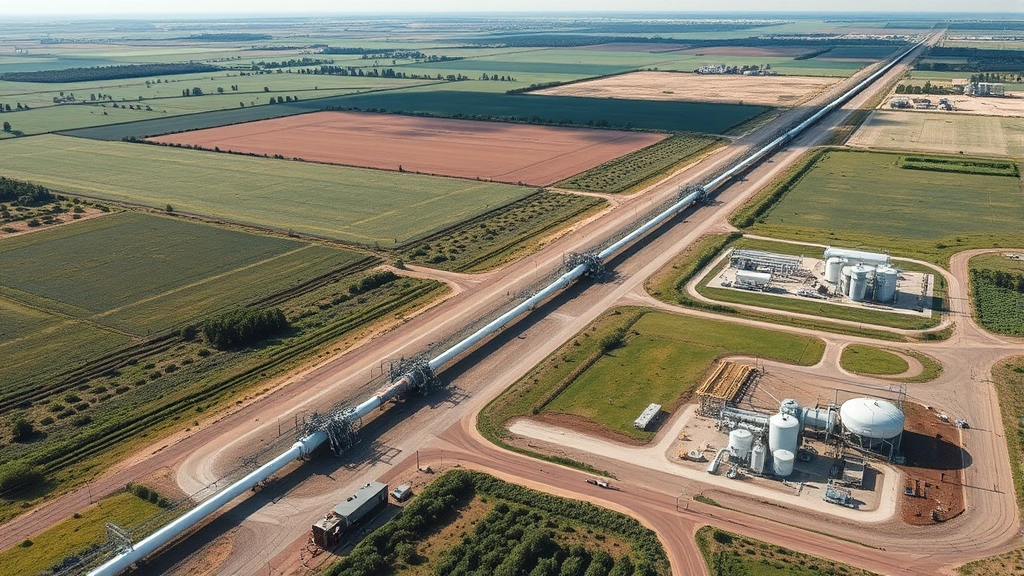
Natural gas relies on extensive underground pipeline networks spanning thousands of miles. These systems require continuous maintenance, monitoring for leaks, and periodic replacement—infrastructure investments with significant environmental costs. Pipeline construction disrupts soil composition, affects vegetation, and creates permanent landscape modifications. Aging infrastructure (some pipes installed 50+ years ago) experiences higher failure rates, increasing methane emissions and safety hazards.
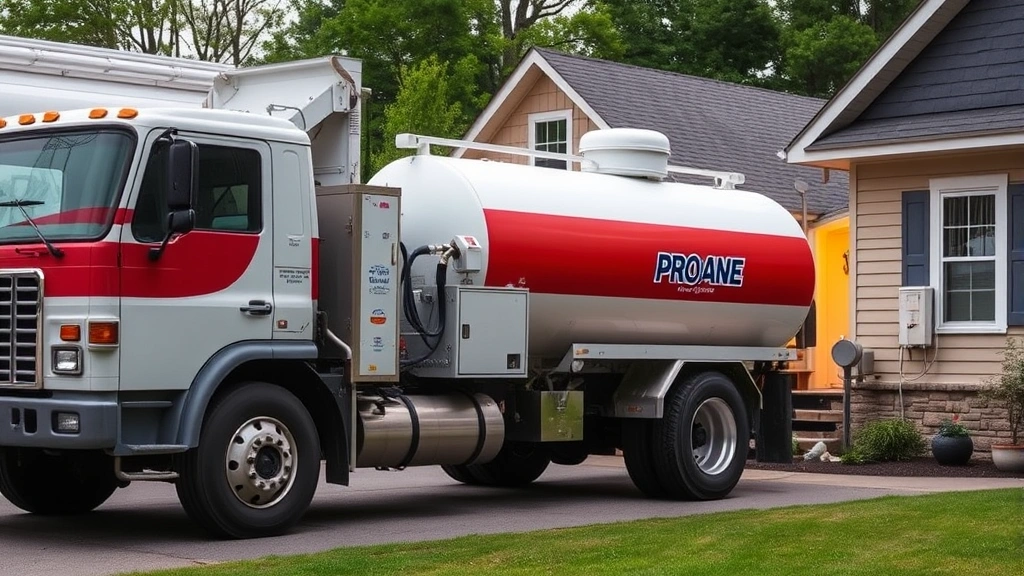
Propane distribution utilizes truck transport and localized storage tanks, eliminating pipeline infrastructure requirements. This decentralized system reduces large-scale infrastructure impacts but increases transportation emissions and requires individual property storage solutions. Rural and remote areas benefit from propane’s flexibility—communities without natural gas pipeline access rely on propane for heating and cooking.
The infrastructure choice presents an environmental trade-off: natural gas’s centralized pipelines versus propane’s distributed truck transport. In densely populated areas with established natural gas infrastructure, pipeline systems prove more efficient than repeated propane deliveries. Conversely, rural properties benefit environmentally from propane’s reduced infrastructure requirements.
Explore strategies for reducing your environmental footprint to understand how fuel choice contributes to household sustainability.
Cost Analysis and Long-term Value
Natural gas typically costs 40-60% less than propane per unit of energy produced, making it the economical choice where infrastructure exists. However, propane’s superior energy density partially offsets this price differential—propane’s higher BTU content means fewer gallons needed for equivalent heating. Annual heating costs vary dramatically by region, climate, and local commodity prices, but propane generally costs $1,500-$3,000 annually for typical home heating, while natural gas averages $800-$1,500.
Initial Installation Costs: Natural gas service requires pipeline connection and meter installation ($500-$2,000), while propane systems need tank installation and safety inspections ($1,200-$3,000). Over 15-20 year appliance lifespans, natural gas’s operational savings typically justify initial connection expenses for properties with pipeline access.
From environmental and financial perspectives, neither fuel offers optimal long-term value compared to heat pumps or solar thermal systems, which provide superior efficiency and zero-emission operation despite higher upfront costs. Government incentives increasingly favor renewable heating alternatives, with tax credits and rebates that reduce renewable technology costs below fossil fuel alternatives within 5-10 years.
Health and Safety Considerations
Both natural gas and propane are odorless, so utility companies add mercaptan—a sulfur-based odorant—enabling leak detection. Natural gas leaks pose explosion hazards and indoor air quality concerns, while propane’s higher density means leaked propane accumulates at floor level, creating asphyxiation risks. Both fuels produce nitrogen oxides and particulate matter when burned, contributing to indoor and outdoor air pollution.
Combustion Byproducts: Improperly ventilated appliances burning either fuel release nitrogen dioxide (NO₂) and carbon monoxide (CO), associated with respiratory issues, cardiovascular problems, and developmental delays in children. Modern appliances with sealed combustion and external venting eliminate these indoor air quality concerns, but older equipment poses genuine health risks.
Propane’s higher volatility creates greater explosion potential if containers rupture, though modern safety regulations and tank design minimize this risk. Natural gas’s distributed pipeline system presents different hazards—pipeline ruptures can cause explosions affecting multiple properties, while propane tank failures typically affect individual households or small areas.
Sustainable Alternatives to Consider
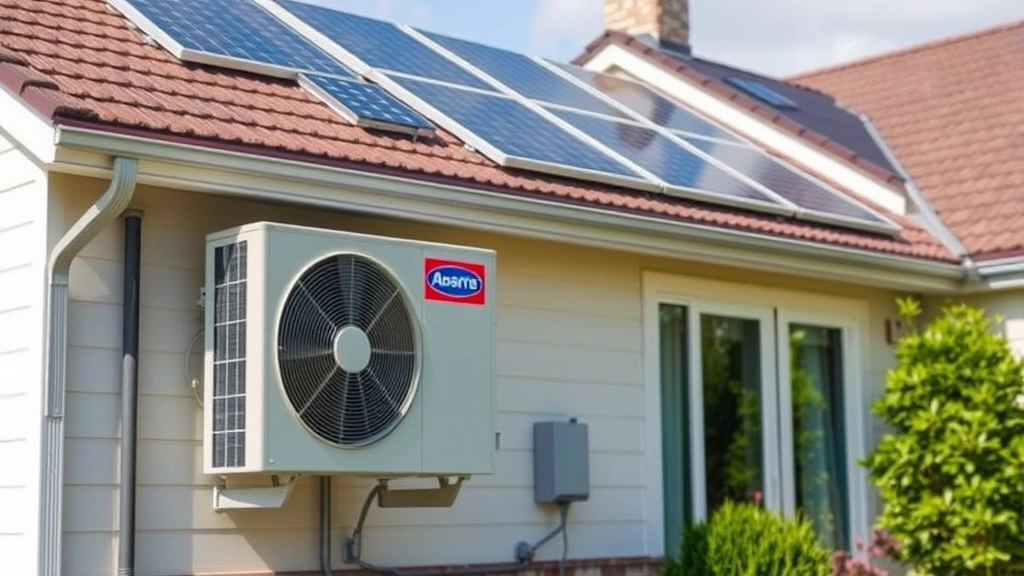
The most environmentally responsible choice may involve transitioning away from both natural gas and propane entirely. Heat pump technology represents a transformative alternative, moving thermal energy rather than generating heat through combustion. Air-source heat pumps achieve 200-300% efficiency in moderate climates, ground-source systems reach 400%+ efficiency, and all-electric heat pumps eliminate fossil fuel dependence entirely.
Solar thermal systems capture sunlight for water heating and space heating, eliminating operational emissions. Combined with backup heat pumps or minimal natural gas for extreme weather events, solar thermal systems reduce fossil fuel consumption by 70-90%. Battery storage and smart controls optimize renewable energy utilization throughout seasonal variations.
Biomass heating using sustainably harvested wood or agricultural waste offers carbon-neutral alternatives where renewable biomass sources exist locally. Unlike fossil fuels, burning renewable biomass recycles atmospheric carbon rather than releasing ancient sequestered carbon. However, biomass requires careful sourcing verification to ensure genuine sustainability.
Learn about green technology innovations transforming our future to explore emerging renewable heating solutions gaining mainstream adoption.
For properties currently dependent on propane or natural gas, transitioning to all-electric systems paired with renewable electricity eliminates fossil fuel consumption entirely. Federal incentives through the Inflation Reduction Act provide up to $8,000 rebates for heat pump installation, making electrification financially competitive with fossil fuel systems.
Making Your Decision: Natural Gas vs Propane
Choosing between natural gas and propane requires balancing multiple environmental, economic, and practical factors. If natural gas infrastructure exists at your property, the lower cost and reduced transportation emissions generally favor natural gas, despite methane leakage concerns. However, if you lack pipeline access, propane offers a practical alternative with potentially lower lifecycle emissions due to reduced infrastructure requirements.
For environmentally conscious households, neither fossil fuel represents an ideal long-term solution. The most sustainable approach involves transitioning toward renewable heating technologies—heat pumps, solar thermal systems, or sustainably sourced biomass—that eliminate fossil fuel dependence entirely. Current government incentives make this transition financially feasible for many households, with payback periods of 5-10 years depending on local energy prices and climate conditions.
Visit the SustainWise Hub Blog for additional sustainability insights and practical guidance on transitioning toward renewable energy systems.
FAQ
Is natural gas or propane more environmentally friendly?
Propane generally produces slightly lower lifecycle greenhouse gas emissions when methane leakage from natural gas infrastructure is included. However, neither fuel is truly environmentally friendly compared to renewable alternatives like heat pumps or solar thermal systems. The choice between them depends on your specific situation—natural gas suits densely populated areas with existing infrastructure, while propane works better for remote properties or where natural gas isn’t available.
Which fuel is cheaper long-term?
Natural gas typically costs 40-60% less per unit of energy than propane, making it more economical where infrastructure exists. However, propane’s higher energy density means you need less volume, partially offsetting the price difference. Long-term costs depend on local commodity prices, climate, and consumption patterns, but natural gas usually provides superior value in established areas.
Can I switch from propane to natural gas?
Switching requires pipeline connection to your property and appliance conversion or replacement. This involves significant upfront costs ($2,000-$5,000+) but typically provides long-term savings. Consult local utility companies about pipeline availability and connection feasibility before committing to conversion.
What are the health risks of natural gas and propane?
Both fuels produce nitrogen oxides and carbon monoxide when burned. Modern appliances with sealed combustion and external venting eliminate indoor air quality concerns, but older equipment poses respiratory and cardiovascular risks. Ensure proper ventilation and regular appliance maintenance to minimize health impacts.
What renewable alternatives exist?
Heat pumps, solar thermal systems, and sustainably sourced biomass offer renewable heating alternatives. Federal incentives now make heat pump installation financially competitive with fossil fuel systems, with payback periods of 5-10 years in many regions. These technologies eliminate fossil fuel dependence while providing superior long-term value.
How do I reduce emissions from my current fuel choice?
Improve appliance efficiency through regular maintenance, upgrade to high-efficiency equipment (95%+ efficiency ratings), enhance insulation to reduce heating demands, and install smart thermostats for optimized consumption. These measures reduce emissions by 20-40% while lowering energy bills, providing immediate environmental benefits while transitioning toward renewable alternatives.


