NJ Natural Gas: Sustainable Options Explored
New Jersey residents face a critical decision about their energy future. As the state transitions toward cleaner energy sources, understanding New Jersey natural gas options and sustainable alternatives has become essential for homeowners and businesses alike. The Garden State’s energy landscape is evolving rapidly, with renewable energy initiatives, efficiency programs, and innovative technologies reshaping how we power our homes and communities.
Natural gas remains a significant part of New Jersey’s energy portfolio, but the state is actively promoting cleaner alternatives and more sustainable practices. By exploring the available options—from renewable natural gas to heat pumps and solar integration—residents can make informed choices that align with both environmental goals and personal energy needs.
Understanding New Jersey’s Natural Gas Infrastructure
New Jersey’s natural gas system serves millions of residents and businesses, with extensive pipeline networks distributing gas throughout the state. Major utilities including PSE&G, South Jersey Industries, and Elizabethtown Gas maintain this critical infrastructure. However, like many states, New Jersey is grappling with the environmental impact of fossil fuel dependence and the need to transition toward cleaner energy sources.
The state’s natural gas consumption represents a significant portion of residential and commercial energy use, particularly for heating, cooking, and water heating. Understanding this infrastructure is the first step toward evaluating sustainable energy solutions that can reduce reliance on traditional gas sources. New Jersey’s aging infrastructure also presents opportunities for modernization and integration of renewable energy technologies.
Currently, natural gas accounts for approximately 40% of the state’s electricity generation and a substantial portion of direct heating applications. While natural gas produces fewer emissions than coal or oil, it remains a fossil fuel that contributes to greenhouse gas emissions. The state’s commitment to achieving 100% clean energy by 2050 requires a comprehensive reassessment of how we utilize natural gas and what alternatives are available.
Renewable Natural Gas: A Cleaner Alternative
Renewable natural gas (RNG), also known as biomethane, represents one of the most promising sustainable options for New Jersey natural gas users. RNG is produced from organic waste materials—including landfill waste, agricultural byproducts, wastewater treatment, and food processing residues—through anaerobic digestion or other biological processes. This renewable fuel can be used in existing natural gas infrastructure without requiring equipment modifications.
The environmental advantages of RNG are substantial. By capturing methane that would otherwise escape into the atmosphere, RNG projects prevent potent greenhouse gas emissions while generating usable energy. Sustainability experts recognize RNG as a bridge fuel that allows existing natural gas systems to operate more cleanly while communities transition to fully renewable energy sources. New Jersey has several RNG projects in development, including facilities that convert wastewater treatment biosolids into renewable energy.
Several New Jersey utilities have begun blending RNG into their gas supplies. PSE&G’s renewable natural gas initiatives aim to integrate increasing percentages of RNG into the distribution network. Residents can often participate in voluntary programs that commit to purchasing renewable natural gas, with a portion of their gas supply coming from these sustainable sources. While RNG typically costs slightly more than conventional natural gas, many consumers find the environmental benefits justify the premium.
New Jersey’s Clean Energy Goals and Regulations
New Jersey has established ambitious environmental targets that directly impact natural gas policy and availability. The state’s Clean Energy Act mandates that 50% of electricity come from renewable sources by 2030, with progression toward 100% clean energy by 2050. These regulations are reshaping the energy landscape and encouraging utilities and consumers to explore alternatives to traditional fossil fuels.
The New Jersey Board of Public Utilities (BPU) oversees energy policy and has implemented several programs designed to reduce fossil fuel dependence. These include the New Jersey Energy Master Plan, which outlines strategies for transitioning to clean energy while maintaining reliable service. The state also participates in the Regional Greenhouse Gas Initiative (RGGI), a cap-and-trade program that limits carbon emissions from power plants.
For natural gas specifically, regulations are tightening around emissions and efficiency standards. New Jersey’s Energy Efficiency Resource Standard (EERS) requires utilities to achieve energy savings targets, incentivizing both demand-side management and consumer participation in efficiency programs. Additionally, the state’s commitment to the Paris Climate Agreement necessitates ongoing reductions in greenhouse gas emissions across all sectors, including residential and commercial heating.
Sustainable Heating Solutions Beyond Traditional Gas
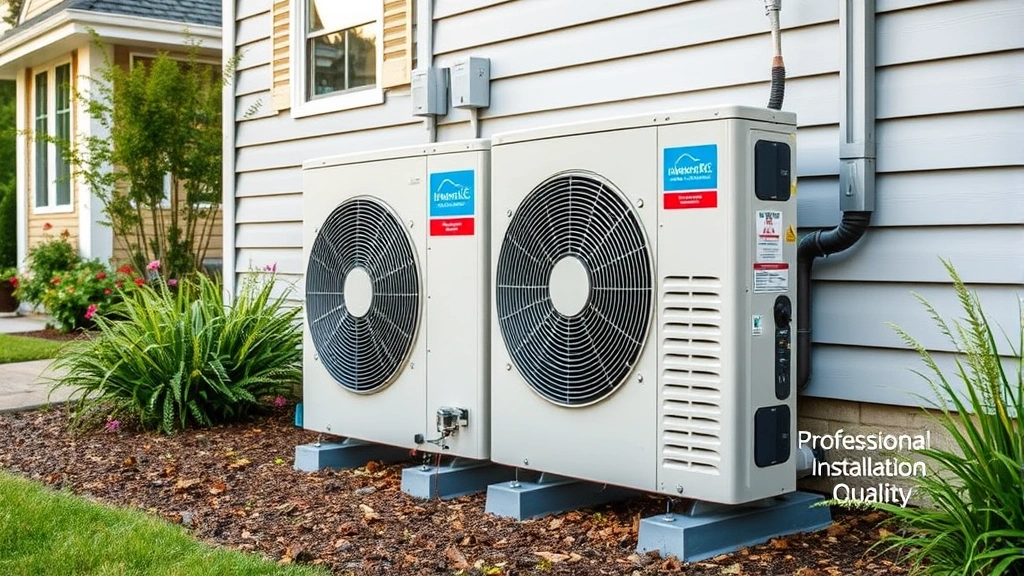
While renewable natural gas offers a cleaner version of conventional gas, completely eliminating natural gas dependence requires exploring alternative heating technologies. Heat pump systems represent one of the most significant advances in sustainable home heating. Air-source heat pumps extract thermal energy from outside air even in cold temperatures, providing efficient heating and cooling with minimal electricity consumption compared to traditional electric resistance heating.
Ground-source heat pumps, though requiring more substantial initial installation, offer even greater efficiency by utilizing stable ground temperatures. These systems can achieve efficiency ratings of 300-600%, meaning they deliver three to six times more heat energy than the electrical energy they consume. New Jersey’s climate supports effective heat pump operation, making this technology increasingly viable for homeowners seeking to eliminate natural gas dependence.
Solar thermal systems provide another sustainable option, using the sun’s energy to heat water and living spaces. When combined with green technology innovations, these systems can significantly reduce energy consumption. Hybrid systems that combine heat pumps with solar technology offer optimal efficiency and resilience. Many New Jersey residents are transitioning from gas-fired water heaters to efficient electric heat pump water heaters, which can reduce energy consumption by 50% or more.
Biomass heating systems, utilizing sustainably harvested wood or agricultural waste, provide renewable alternatives in appropriate applications. District heating systems, where multiple buildings share centralized renewable heating infrastructure, are being explored in several New Jersey communities. These solutions demonstrate that moving beyond natural gas is technically feasible and increasingly economically attractive.

Energy Efficiency Programs in New Jersey
Regardless of heating fuel source, energy efficiency improvements represent the most cost-effective way to reduce energy consumption and environmental impact. New Jersey offers comprehensive energy efficiency programs that help residents reduce natural gas usage through building improvements and behavioral changes.
The New Jersey Clean Energy Program provides rebates and incentives for efficiency upgrades including insulation, air sealing, HVAC system improvements, and appliance replacements. These programs are administered through local utility companies and make energy-saving upgrades more affordable for all income levels. Weatherization assistance programs specifically target low-income households, providing free or reduced-cost efficiency improvements.
Building envelope improvements—including insulation, window upgrades, and air sealing—can reduce heating demands by 15-30%. These upgrades pay for themselves through reduced energy bills while improving comfort and indoor air quality. Smart thermostats allow residents to optimize heating schedules based on occupancy and preferences, often reducing natural gas consumption by 10-15%.
Commercial and industrial facilities can participate in demand response programs that provide financial incentives for reducing peak energy consumption. These programs help stabilize the grid while reducing the need for additional fossil fuel generation capacity. Energy audits, often available at reduced cost through utility programs, identify specific opportunities for each building to reduce energy consumption.
Making the Transition: Practical Steps for Homeowners
Transitioning away from natural gas dependence doesn’t require immediate, expensive equipment replacement. A phased approach allows homeowners to upgrade systems as they reach end-of-life while gradually reducing reliance on fossil fuels. Start by conducting a comprehensive environmental footprint assessment to understand current energy consumption patterns.
First, implement efficiency improvements: seal air leaks, add insulation, upgrade windows, and install a programmable thermostat. These low-cost measures often reduce natural gas consumption by 20-30% without requiring equipment replacement. When your current heating system requires replacement, consider installing an air-source heat pump that can provide both heating and cooling, or a heat pump water heater if you currently use gas for water heating.
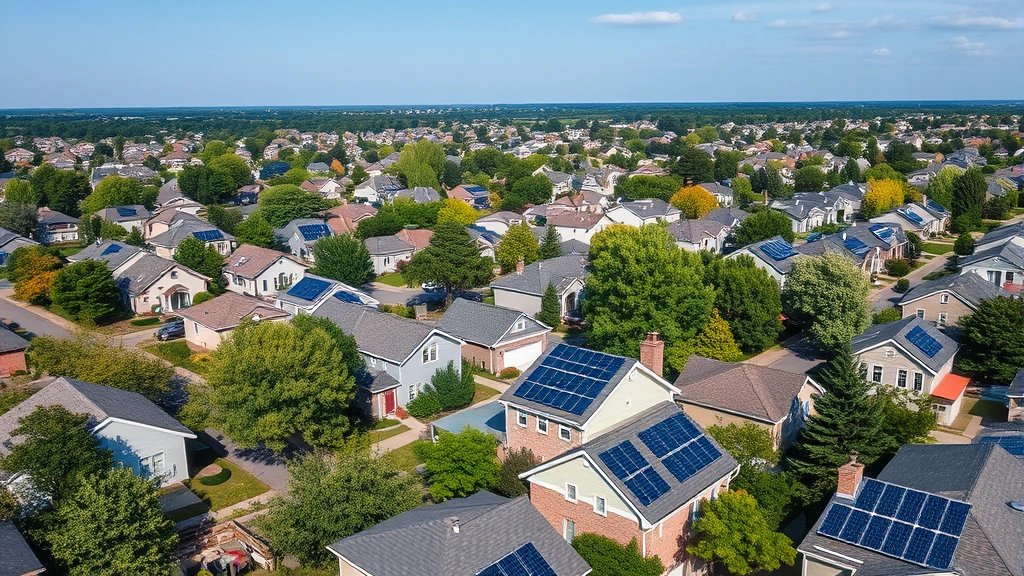
Explore renewable energy options by evaluating your home’s solar potential. Rooftop solar systems paired with battery storage and heat pumps create a highly resilient, low-carbon home energy system. Community solar programs allow renters and those with unsuitable roofs to benefit from solar energy. Consider joining community choice aggregation programs that may offer renewable energy options.
Participate in utility programs offering renewable natural gas options or time-of-use rates that incentivize consumption during periods of abundant renewable generation. Connect with your local utility to understand available rebates and incentives. Many New Jersey utilities offer free or subsidized energy audits that identify specific upgrade opportunities for your home.
Engage with community initiatives promoting sustainable energy transition. Many municipalities are developing climate action plans and offering resources to residents. Joining local sustainability groups provides access to information, peer support, and collective purchasing power for equipment upgrades.
Cost Considerations and Financial Incentives
The transition to sustainable energy options involves upfront costs, but multiple financial incentives make these investments more affordable. Federal tax credits cover 30% of heat pump installation costs through 2032, with additional incentives available for low-income households. New Jersey’s Clean Energy Program provides rebates for efficiency upgrades and renewable energy systems.
Utility rebates for heat pump installation, efficient water heaters, and smart thermostats can reduce equipment costs by 20-50%. Some utilities offer on-bill financing that allows customers to repay efficiency improvements through utility bill savings. Property Assessed Clean Energy (PACE) financing enables homeowners to finance energy improvements through property tax assessments.
While renewable natural gas typically costs 5-15% more than conventional gas, this premium supports infrastructure development and becomes increasingly competitive as production scales. Many consumers find the environmental benefits justify the modest cost difference. Over time, as renewable energy infrastructure expands, costs will decline.
Long-term cost analysis demonstrates that transitioning to efficient electric systems costs less than maintaining natural gas dependence. Heat pumps operating with renewable electricity provide heating at lower lifetime costs than gas furnaces. As electricity grids become cleaner, the environmental benefits of electric heating systems increase over time.
State and federal grants support renewable energy development and efficiency programs. Investigate whether your community qualifies for additional funding through environmental justice initiatives or climate adaptation programs. Some employers offer energy efficiency rebates or matching programs for employee home improvements.
FAQ
What is renewable natural gas and how does it differ from conventional natural gas?
Renewable natural gas (RNG) is produced from organic waste materials through biological processes, while conventional natural gas is extracted from underground reserves. RNG has a significantly lower carbon footprint because it captures methane that would otherwise be released into the atmosphere. Both fuels have similar chemical composition and can use existing infrastructure, but RNG supports circular economy principles by converting waste into energy.
Are heat pumps effective in New Jersey’s climate?
Yes, air-source heat pumps operate effectively in New Jersey’s climate, even during cold winters. Modern heat pumps can extract heat from outside air at temperatures well below freezing. New Jersey’s average winter temperatures are well within the operational range of contemporary heat pump technology. Ground-source heat pumps offer even greater efficiency but require more substantial installation investment.
How much can I save by switching to renewable natural gas?
Savings depend on the renewable natural gas blend percentage and your utility’s pricing structure. Renewable natural gas typically costs 5-15% more than conventional gas, but many consumers accept this premium for environmental benefits. Efficiency improvements often provide greater savings than fuel switching alone, potentially reducing heating costs by 20-40%.
What rebates and incentives are available in New Jersey?
New Jersey offers federal tax credits (30% for heat pumps through 2032), utility rebates through the Clean Energy Program, PACE financing, and state grants for renewable energy projects. Low-income households qualify for additional assistance through weatherization programs. Contact your local utility for current program details and eligibility requirements.
Can I transition to sustainable heating gradually?
Absolutely. Most experts recommend a phased approach: first implement efficiency improvements, then upgrade to efficient systems as current equipment reaches end-of-life. This strategy spreads costs over time while reducing energy consumption immediately. Renewable natural gas provides an intermediate step for those not yet ready for complete electrification.
Is solar energy practical for New Jersey homes?
Yes, New Jersey has excellent solar potential with average annual insolation comparable to national averages. Rooftop solar systems generate significant electricity, particularly during spring and summer months. Community solar programs serve those unable to install rooftop systems. Combined with efficient heat pumps and battery storage, solar provides substantial energy independence.
What should I do if I rent my home?
Renters can participate in community solar programs, support building-wide efficiency improvements through landlord engagement, and utilize portable efficiency measures. Contact your utility about renewable natural gas voluntary programs. Advocate for efficiency upgrades by documenting comfort issues and energy costs. Many states now require landlord participation in efficiency programs.


