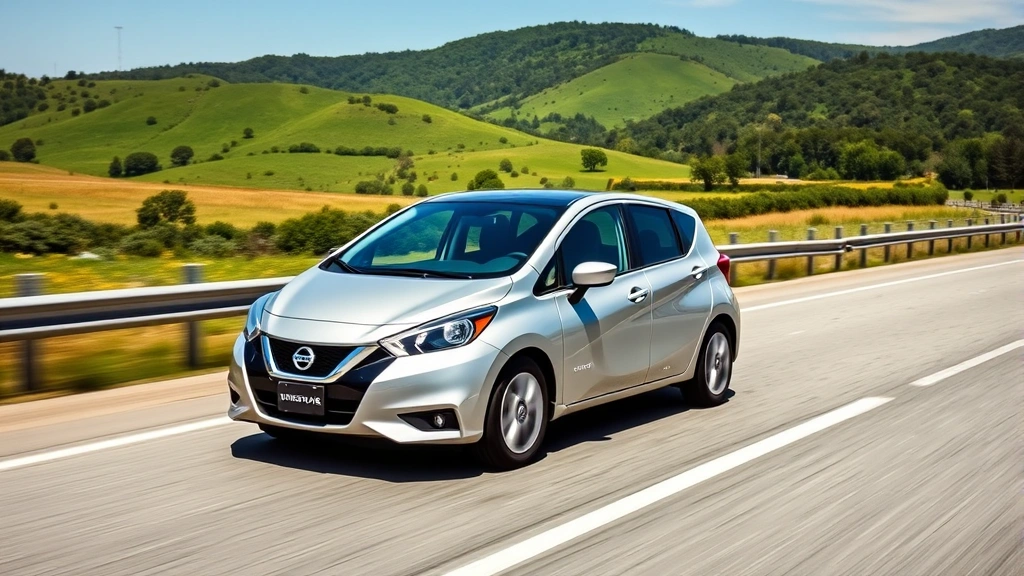
Nissan Versa Gas Mileage: Real-World Insights for Eco-Conscious Drivers
The Nissan Versa has long been recognized as one of the most fuel-efficient compact sedans on the market, making it an attractive choice for budget-conscious and environmentally aware drivers. With rising fuel costs and growing concerns about carbon emissions, understanding the real-world gas mileage performance of this vehicle is essential for making an informed purchasing decision. Whether you’re considering buying a Versa or already own one, knowing what to expect in terms of fuel efficiency can help you maximize savings and minimize your environmental impact.
In this comprehensive guide, we’ll explore the actual gas mileage figures for Nissan Versa models across different years and driving conditions, compare them to manufacturer estimates, and provide practical tips for improving fuel economy. We’ll also examine how the Versa fits into the broader landscape of fuel-efficient vehicle options and sustainable transportation choices.
EPA Ratings vs. Real-World Performance
The Environmental Protection Agency (EPA) provides standardized fuel economy ratings for all new vehicles sold in the United States. For the Nissan Versa, these ratings have consistently impressed, with recent models achieving approximately 32 miles per gallon (mpg) in city driving and 42 mpg on the highway. However, real-world gas mileage often differs from these laboratory-tested figures.
Owner reports and independent testing reveal that actual Nissan Versa gas mileage typically ranges from 28 to 38 mpg depending on driving conditions and habits. Highway driving tends to yield results closer to EPA estimates, while city driving often falls short due to frequent acceleration, braking, and idling. Understanding this gap between EPA ratings and real-world performance helps drivers set realistic expectations and budget accordingly for fuel expenses.
According to the EPA’s Green Vehicle Guide, the Versa consistently ranks among the most efficient non-hybrid vehicles in its class. The agency’s testing procedures have evolved over the years to better reflect actual driving patterns, which means newer model year estimates are generally more accurate than older ones.
Factors Affecting Gas Mileage
Several key variables influence how many miles your Nissan Versa will travel on a gallon of gasoline. Understanding these factors empowers you to make adjustments that improve fuel efficiency and reduce your carbon footprint.
- Driving Speed: Aerodynamic drag increases exponentially at higher speeds, significantly impacting fuel economy. Driving at 55 mph versus 75 mph can improve gas mileage by 10-15%.
- Traffic Conditions: Stop-and-go city driving consumes more fuel than steady highway cruising because the engine must work harder during acceleration phases.
- Weather and Temperature: Cold engines operate less efficiently, and winter conditions typically reduce gas mileage by 10-20%. Tire pressure also decreases in cold weather, increasing rolling resistance.
- Vehicle Load: Extra weight in the trunk or passengers reduces fuel efficiency. Removing unnecessary items can improve gas mileage by up to 2% per 100 pounds removed.
- Tire Pressure: Under-inflated tires create more rolling resistance, forcing the engine to work harder. Maintaining proper tire pressure can improve fuel economy by 3-5%.
- Transmission Type: Versa models with continuously variable transmissions (CVT) generally achieve better gas mileage than those with traditional automatic transmissions.
- Engine Type and Year: Newer Versa models feature more advanced engine technology and fuel injection systems that optimize combustion efficiency.
As part of your broader commitment to reducing your environmental footprint, paying attention to these factors can make a meaningful difference in your vehicle’s fuel consumption and emissions.
Year-by-Year Gas Mileage Breakdown
The Nissan Versa has undergone several generations and updates since its introduction, with each generation showing improvements in fuel efficiency. Here’s a breakdown of gas mileage performance across recent model years:
2024-2023 Models: The current generation Versa achieves an EPA rating of 32 city/42 highway mpg with the CVT transmission. Real-world reports average around 33-36 mpg combined, representing excellent efficiency for the compact sedan segment.
2022-2020 Models: These years featured similar EPA ratings of 32/42 mpg, with real-world performance typically ranging from 32-35 mpg combined. The redesigned platform improved aerodynamics compared to older generations.
2019-2015 Models: Earlier versions of the current generation posted EPA ratings of 31/40 mpg, with real-world combined averages around 30-34 mpg. These models still offer respectable fuel economy for budget-conscious buyers.
2014 and Earlier: Older Versa models achieved approximately 27-31 mpg combined, which was still competitive for the time but noticeably less efficient than current standards. If you own an older Versa, implementing the maintenance and driving tips outlined below becomes even more important.
Driving Habits and Fuel Efficiency
Your driving behavior has perhaps the most significant impact on actual gas mileage. By adopting fuel-conscious driving practices, you can often exceed EPA estimates and significantly reduce your fuel consumption.
Smooth Acceleration: Aggressive acceleration dramatically increases fuel consumption. Instead, accelerate gradually and smoothly, allowing the engine to operate in its most efficient RPM range. This practice not only improves gas mileage but also reduces wear on engine components.
Anticipate Traffic: Looking ahead and anticipating traffic changes allows you to coast and brake gradually rather than making sudden stops. This reduces the energy wasted during deceleration and improves overall efficiency.
Maintain Consistent Speed: The Versa operates most efficiently at steady speeds between 45-55 mph. Varying your speed frequently forces the transmission to downshift and the engine to work harder, consuming more fuel.
Reduce Idling: Modern engines use more fuel idling for 10 seconds than restarting, so turning off the engine during longer stops makes sense. Many newer Versa models include auto-stop technology that handles this automatically.
Plan Routes Efficiently: Combining errands into one trip and avoiding congested routes reduces total driving time and fuel consumption. Using navigation apps to find less congested routes can improve fuel economy by 5-10%.
These driving habits also contribute to sustainable energy solutions by reducing overall fuel demand and your personal carbon emissions.
Maintenance Tips to Improve Fuel Economy
Proper vehicle maintenance directly impacts fuel efficiency. A well-maintained Nissan Versa will consistently deliver better gas mileage than a neglected one.
Regular Oil Changes: Using the manufacturer-recommended oil grade and changing oil at specified intervals reduces engine friction and improves fuel economy by 1-2%. Synthetic oils often provide better efficiency than conventional options.
Air Filter Replacement: A clogged air filter restricts airflow to the engine, forcing it to run rich and consume more fuel. Replacing the air filter annually or as needed can improve gas mileage by 5-10%.
Fuel Filter Maintenance: A dirty fuel filter reduces fuel flow to the injectors, causing the engine to work harder. Regular replacement ensures optimal fuel delivery and combustion efficiency.
Tire Maintenance: Beyond maintaining proper pressure, ensure tires are properly balanced and aligned. Misalignment increases rolling resistance and can reduce gas mileage by 10% or more. Rotate tires every 5,000-7,000 miles for even wear.
Engine Tuning: Keep your Versa’s engine properly tuned by addressing check engine lights promptly and ensuring the fuel injection system operates correctly. Misfiring cylinders significantly reduce fuel economy.
Battery Health: A weak battery forces the alternator to work harder, consuming more fuel. Test and replace your battery as needed to maintain optimal electrical system efficiency.
These maintenance practices align with the principles discussed in our guide to green technology innovations, where efficiency optimization is key.
Comparing the Versa to Other Compact Cars
To understand where the Nissan Versa stands in terms of gas mileage, it’s helpful to compare it with other popular compact sedans and hatchbacks. The Versa competes in a segment with several other fuel-efficient options.
The Honda Fit hatchback achieves similar gas mileage (33/42 mpg EPA) but offers more cargo space. The Toyota Corolla delivers slightly lower efficiency (31/40 mpg) but offers better reliability ratings and resale value. The Hyundai Elantra provides comparable efficiency (32/41 mpg) with more modern interior features.
For drivers prioritizing absolute maximum fuel economy, hybrid vehicles offer significant advantages. The Toyota Prius achieves 57/56 mpg, nearly double the Versa’s efficiency. However, hybrids come with higher purchase prices, which may offset fuel savings for drivers with shorter commutes. Our article on advantages of electric vehicles explores even more efficient options for sustainable transportation.
The Versa remains an excellent choice for buyers seeking the best balance of affordability, reliability, and fuel efficiency. Its lower purchase price means you can achieve fuel savings sooner compared to more expensive alternatives.
Environmental Impact of the Nissan Versa
Beyond personal fuel savings, the Nissan Versa’s fuel efficiency has meaningful environmental implications. A vehicle that consumes less fuel produces fewer carbon dioxide emissions, the primary greenhouse gas contributing to climate change.
A Nissan Versa achieving 35 mpg combined emits approximately 5.7 metric tons of CO2 annually (based on average driving of 12,000 miles per year). Compare this to a typical SUV achieving 22 mpg, which produces 8.2 metric tons annually—a difference of 2.5 metric tons per year. Over a vehicle’s 10-year lifespan, this efficiency advantage prevents approximately 25 tons of CO2 from entering the atmosphere.
According to the U.S. Department of Energy’s fueleconomy.gov, reducing fuel consumption is one of the most impactful ways individuals can decrease their carbon footprint. The Versa’s efficient design demonstrates how manufacturers can create affordable vehicles without sacrificing environmental responsibility.
Choosing a fuel-efficient vehicle like the Versa supports broader sustainability goals and demonstrates commitment to environmental stewardship. Combined with the driving and maintenance practices discussed throughout this guide, Versa owners can maximize their positive environmental impact while enjoying significant fuel cost savings.
For those interested in exploring even more sustainable transportation options, our comprehensive guide on natural gas vs propane discusses alternative fuel sources that complement traditional gasoline efficiency strategies.
FAQ
What is the average gas mileage for a Nissan Versa?
The EPA rates the 2024 Nissan Versa at 32 mpg city and 42 mpg highway. Real-world combined averages typically range from 33-36 mpg, depending on driving conditions and habits. Older model years achieve slightly lower efficiency, with pre-2015 models averaging around 28-31 mpg combined.
Can I improve my Versa’s gas mileage?
Yes, significantly. Adopting smooth driving habits, maintaining proper tire pressure, keeping up with scheduled maintenance, and removing unnecessary weight can improve gas mileage by 10-20%. Regular oil changes, air filter replacements, and engine tuning are particularly important for maintaining optimal fuel economy.
Is the Nissan Versa more fuel-efficient than a hybrid?
Traditional hybrids like the Toyota Prius achieve nearly double the fuel economy of the Versa (around 55-60 mpg vs. 32-42 mpg). However, hybrids cost significantly more upfront, and the fuel savings may not offset the higher purchase price for drivers with short commutes or low annual mileage.
How does the Versa’s gas mileage compare to other compact cars?
The Versa ranks among the most efficient compact sedans, with gas mileage comparable to the Honda Fit and slightly better than the Toyota Corolla. Most modern compact cars achieve 30-35 mpg combined, making the Versa competitive in its segment.
What factors most impact Versa gas mileage?
Driving speed, traffic conditions, tire pressure, vehicle load, and engine temperature have the greatest impact. Highway driving yields better efficiency than city driving, cold weather reduces mileage by 10-20%, and maintaining proper tire pressure can improve economy by 3-5%.
Is the CVT transmission more fuel-efficient than the automatic?
Yes, the continuously variable transmission (CVT) available in recent Versa models optimizes engine RPM for better fuel efficiency and typically achieves 1-2 mpg better than traditional automatic transmissions.
How much can I save on fuel with a Nissan Versa?
Compared to a typical sedan achieving 25 mpg, a Versa at 35 mpg saves approximately $400-600 annually on fuel (based on $3.50/gallon gas and 12,000 annual miles). Over the vehicle’s lifespan, savings can exceed $5,000.


