Paying NW Gas Bill Sustainably? Expert Tips for Eco-Conscious Consumers
Managing your Northwest natural gas bill doesn’t have to conflict with your environmental values. As energy costs rise and climate concerns intensify, millions of households are discovering that sustainable bill payment practices can reduce both their carbon footprint and monthly expenses. Whether you’re in Washington, Oregon, or Idaho, strategic approaches to your NW natural gas bill pay routine can align your utility consumption with genuine environmental stewardship.
This comprehensive guide explores practical, expert-backed strategies for reducing natural gas consumption, optimizing your billing approach, and supporting renewable energy alternatives. By implementing these evidence-based recommendations, you’ll not only lower your NW gas bill but also contribute meaningfully to climate change mitigation efforts. The intersection of personal finance and environmental responsibility has never been more accessible or necessary.
Understanding Your NW Natural Gas Bill
Your Northwest natural gas bill represents more than just a monthly expense—it reflects your household’s energy consumption patterns and environmental impact. Natural gas combustion produces carbon dioxide and methane, both potent greenhouse gases contributing to climate change. Understanding your bill’s components helps identify reduction opportunities and track progress toward sustainability goals.
Most NW gas bills include several key charges: base service fees, volumetric usage charges (per therm consumed), and various regulatory fees. The volumetric portion typically represents 60-75% of your total bill and directly correlates with your consumption. By analyzing your billing history, you can identify seasonal patterns, compare your usage against regional averages, and establish realistic reduction targets.
Request a detailed breakdown from your utility provider—companies like NW Natural and Avista provide online tools showing hourly or daily consumption data. This transparency enables data-driven decision-making. Many providers offer budget billing options that distribute costs evenly across months, reducing financial stress while encouraging consistent conservation habits. Understanding these fundamentals positions you to make informed choices about your NW natural gas bill pay strategy.
Energy Efficiency Improvements That Reduce Consumption
Structural and mechanical improvements represent the most impactful long-term strategy for reducing natural gas consumption. These upgrades address the root causes of energy waste rather than merely managing symptoms through behavioral adjustments.
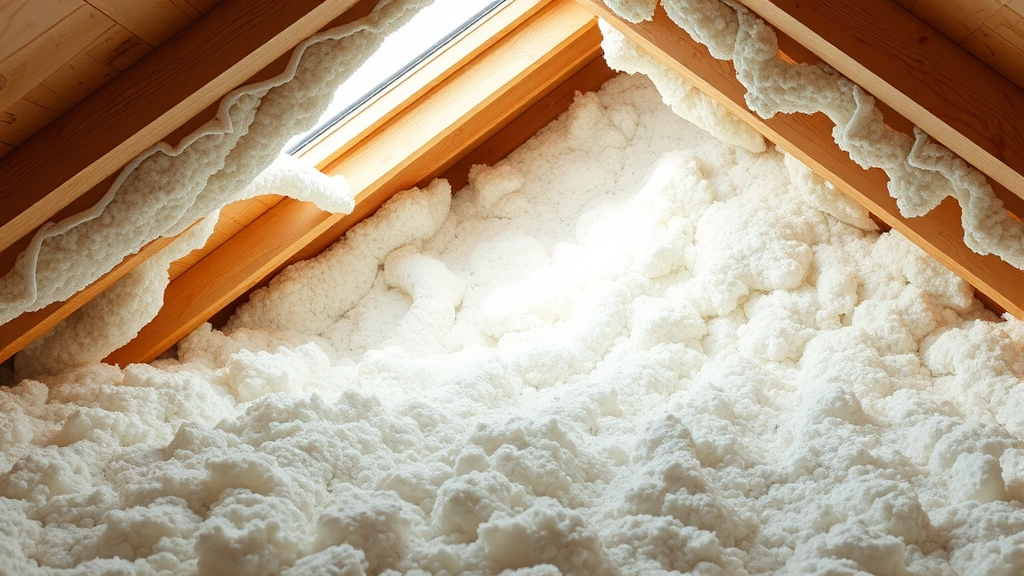
Insulation and Weatherization rank among the highest-ROI investments. Poor insulation allows heated air to escape, forcing furnaces to work harder. The EPA’s Energy Star program recommends prioritizing attic insulation (where 25% of heat loss typically occurs), followed by wall and basement insulation. Professional energy audits—often subsidized by utility companies—identify specific problem areas. Many Northwest utilities offer weatherization programs covering 50-100% of upgrade costs for qualifying households.
HVAC system optimization deserves particular attention. Natural gas furnaces older than 15 years typically operate at 78-80% efficiency, while modern AFUE (Annual Fuel Utilization Efficiency) rated systems achieve 95%+ efficiency. Upgrading from an 80% to 95% efficient furnace reduces natural gas consumption by approximately 19% for heating. Regular maintenance—annual inspections, filter changes every 3 months, and ductwork sealing—maintains efficiency and prevents costly breakdowns.
Water heating represents 15-25% of typical household natural gas usage. Upgrading from a standard tank water heater to a tankless or heat pump model reduces consumption by 25-50%. Insulating hot water pipes prevents heat loss during distribution, while lowering water heater temperatures to 120°F (48°C) maintains comfort while reducing energy demands. These modifications typically pay for themselves within 5-7 years through utility savings.
Window and door upgrades address another major heat loss pathway. Dual-pane, low-emissivity windows reduce heat transfer by 30-50% compared to single-pane alternatives. Weatherstripping around doors and sealing air leaks around outlets, baseboards, and penetrations prevents conditioned air from escaping. The EPA’s Indoor Air Quality resources provide guidance on balancing air-tightness with proper ventilation.
Smart Thermostat Technology and Behavioral Changes
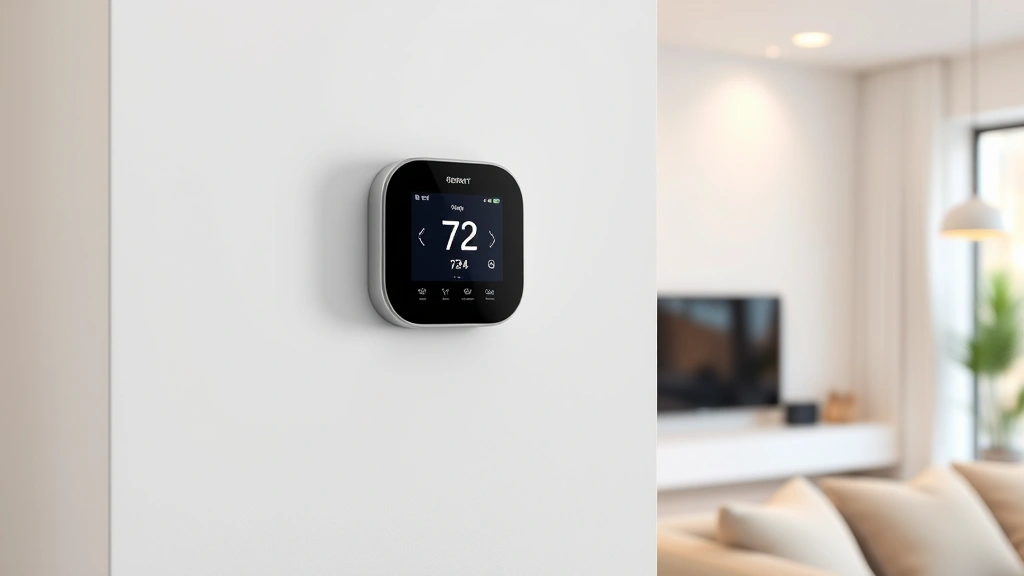
Programmable and smart thermostats offer immediate, low-cost solutions for reducing natural gas consumption without sacrificing comfort. These devices learn your preferences and automatically adjust temperatures based on occupancy, time of day, and external weather conditions.
Implementing temperature setbacks represents the most straightforward behavioral change. Reducing thermostat settings by 7-10°F for 8 hours daily (overnight or during work hours) saves approximately 10-15% on heating costs annually. Smart thermostats automate this process, eliminating reliance on manual adjustments. Studies from the National Renewable Energy Laboratory demonstrate that connected thermostats reduce consumption 10-23% through optimization algorithms and user engagement features.
Zoning strategies—heating only occupied spaces rather than entire homes—prove particularly effective in multi-story houses or homes with varying occupancy patterns. Smart thermostats enable room-by-room temperature control, preventing energy waste in unoccupied areas. When combined with closing doors to unused spaces, this approach can reduce consumption 15-30%.
Behavioral modifications amplify technology benefits. Wearing appropriate seasonal clothing allows lower thermostat settings while maintaining comfort. Using ceiling fans circulates warm air without additional energy consumption. Closing curtains at night reduces radiative heat loss through windows. These no-cost interventions, supported by smart thermostat reminders, create cumulative impact.
Integration with sustainable energy solutions enhances effectiveness. When paired with solar thermal systems or heat pumps, smart thermostats optimize renewable energy utilization, maximizing the environmental benefits of your utility choices.
Sustainable Payment Methods and Green Programs
Beyond reducing consumption, you can make your NW gas bill payment itself more sustainable through utility company green programs and conscious payment practices.
Renewable Energy Programs allow customers to purchase natural gas or electricity sourced from renewable sources. Many Northwest utilities offer voluntary green pricing options where customers pay modest premiums (typically $5-15 monthly) to support renewable energy development. While natural gas remains fossil-based, these programs fund wind, solar, and biomethane projects that offset your consumption’s environmental impact.
Biomethane programs represent an emerging sustainable option. Biomethane—renewable natural gas produced from agricultural waste, wastewater treatment, or landfills—burns identically to conventional natural gas but produces net-zero or negative lifecycle emissions. Several Northwest utilities now offer biomethane blends or allow customers to purchase renewable gas certificates. This approach maintains compatibility with existing appliances while supporting circular economy principles.
Digital payment methods reduce the environmental footprint of your billing process. Paperless billing eliminates physical mail waste and the carbon emissions associated with printing, transportation, and eventual recycling. Automatic payment systems reduce processing overhead and administrative waste. Most utilities offer incentives—bill credits or entry into sustainability drawings—for adopting digital billing.
Consider setting up automatic recurring payments from sustainable banks prioritizing environmental responsibility. Credit unions and financial institutions focused on reducing your environmental footprint often provide better terms while supporting climate-positive financing practices.
Utility assistance programs ensure low-income households can access efficiency improvements and sustainable options. The Low Income Home Energy Assistance Program (LIHEAP) provides federal funding for weatherization, efficiency upgrades, and bill assistance. Oregon and Washington offer state-specific programs with expanded benefits for vulnerable populations.
Renewable Energy Alternatives to Natural Gas
While optimizing natural gas consumption matters, transitioning away from fossil fuels represents the ultimate sustainability goal. Multiple alternatives now offer technical and economic viability for Northwest households.
Heat Pump Technology has revolutionized residential heating. Air-source heat pumps extract thermal energy from outdoor air—even in cold climates—and transfer it indoors with exceptional efficiency. Modern heat pumps achieve 3-4 times the efficiency of natural gas furnaces, meaning they deliver 3-4 BTUs of heat for every 1 BTU of electricity consumed. Ground-source heat pumps achieve even higher efficiency (4-6 times) by leveraging stable underground temperatures. While upfront costs exceed conventional systems, 10-year lifecycle costs typically favor heat pumps, especially in regions with moderate heating demands like the Pacific Northwest.
The advantages of electric vehicles extend beyond transportation. As regional electricity grids increasingly incorporate renewable sources—the Northwest already generates 70%+ from hydro and wind—electrifying home heating dramatically reduces carbon emissions. When powered by renewable electricity, heat pumps achieve near-zero operational emissions.
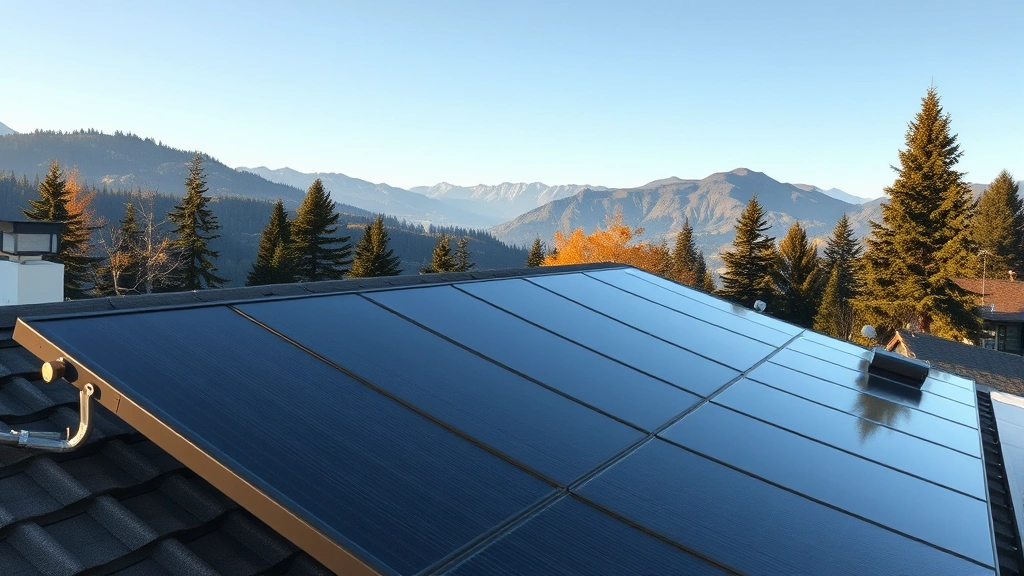
Solar Thermal Systems directly convert sunlight to heat for space heating and water heating. Evacuated tube collectors achieve 60-80% efficiency even in cloudy climates. While solar thermal doesn’t eliminate natural gas needs in cold climates, it reduces consumption 30-50% annually. The Pacific Northwest’s hydro-rich grid means solar thermal provides excellent supplemental heating, reducing peak natural gas demand during winter months.
Biomass heating—wood pellets or chips in efficient stoves or boilers—offers carbon-neutral alternatives where sustainably sourced. FSC-certified biomass ensures responsible forest management. However, biomass requires careful consideration regarding local air quality and proper installation to minimize particulate emissions.
District heating systems in developing communities often utilize renewable sources—geothermal, biomass, or solar thermal—more efficiently than individual systems. If your community offers district heating, switching represents a straightforward path to sustainable heating.
Financial Incentives and Rebate Programs
Substantial financial incentives offset the costs of sustainable upgrades, improving economic viability and accelerating adoption timelines.
Federal Tax Credits provide up to $3,200 for heat pump installation, $2,000 for insulation improvements, and $600 for smart thermostats under current law (subject to income phase-outs). These credits directly reduce your tax liability, making upgrades significantly more affordable. The Department of Energy’s Energy Saver portal maintains current information on federal incentives.
State and utility rebates vary by provider but commonly include: heat pump installation rebates ($500-2,500), furnace efficiency upgrades ($300-800), insulation and weatherization rebates (50-100% of costs), and smart thermostat discounts ($50-200). Oregon’s Community Solar Program and Washington’s Community Solar Cooperative enable renewable energy access without rooftop installation, effectively reducing your grid’s fossil fuel dependence.
Time-of-use (TOU) rates reward consumption shifting to off-peak hours when renewable energy is abundant. By running high-energy activities—water heating, laundry, dishwashing—during off-peak windows, you reduce demand during peak periods when utilities activate carbon-intensive backup generation. Smart appliances and smart thermostat technology automate these optimizations, providing savings without behavioral burden.
On-bill financing programs allow utility customers to finance efficiency upgrades through monthly utility bills, with energy savings exceeding monthly payments. This approach eliminates upfront cost barriers while guaranteeing positive returns. Qualified contractors in your region can arrange financing through utility-approved programs.
Some utilities offer demand response programs providing bill credits (often $10-50 monthly) for allowing remote thermostat adjustments during peak demand periods. These programs support grid stability while reducing your costs—a genuine win-win sustainability scenario.
FAQ
What’s the typical payback period for energy efficiency upgrades?
Payback periods vary by upgrade and utility rates. Weatherization typically returns investment within 3-5 years. Furnace upgrades payback in 8-12 years. Heat pump installations (with incentives) often payback within 7-10 years. Faster payback occurs in colder climates with higher natural gas prices. Federal and state incentives reduce effective payback periods by 30-50%.
Can I reduce my NW gas bill without major renovations?
Absolutely. Behavioral changes (temperature setbacks, usage timing) reduce consumption 10-15% at no cost. Smart thermostats save 10-23% for $150-300 investment. Weatherstripping and caulking cost $50-200 but save 5-10%. These incremental improvements provide immediate results while you plan larger upgrades.
Is natural gas truly necessary in the Pacific Northwest?
No. The region’s abundant hydroelectric resources and growing renewable capacity make all-electric homes increasingly practical. Heat pumps efficiently handle heating demands even during cold snaps. However, natural gas provides backup heating reliability and lower upfront costs, making it a reasonable interim solution while transitioning to renewables.
How do utility green programs actually impact emissions?
Utility green programs fund renewable energy projects that wouldn’t otherwise be developed. Your premium payments directly finance wind farms, solar installations, or biomethane facilities. While your physical gas remains fossil-sourced, your purchase supports renewable energy entering the grid elsewhere, creating genuine emissions reductions. Third-party certification (Green-e) ensures program integrity.
What’s the environmental impact of different heating fuels?
Natural gas: ~5.3 kg CO₂ per therm. Oil heating: ~10 kg CO₂ per therm. Electric heating (current grid mix): ~2-3 kg CO₂ per therm. Electric heating (renewable-powered): ~0.2 kg CO₂ per therm. Heat pumps reduce electric heating emissions 50-70% through efficiency. The Pacific Northwest’s clean grid makes electrification particularly advantageous.
Should I prioritize paying bills sustainably or reducing consumption?
Prioritize consumption reduction first—it provides greatest environmental and financial impact. Once you’ve optimized efficiency, then select sustainable payment methods and green programs. This sequential approach ensures maximum impact with reasonable effort and expense investment.
How do I find local utility incentives and programs?
Contact your utility provider directly—NW Natural, Avista, PUD offices maintain comprehensive program information. Visit the Database of State Incentives for Renewables & Efficiency (DSIRE) for state-specific programs. Consult with qualified energy auditors who understand current incentives and can maximize your benefit eligibility.


