Why Orange Flame on Gas Hob? Safety Tips and Solutions
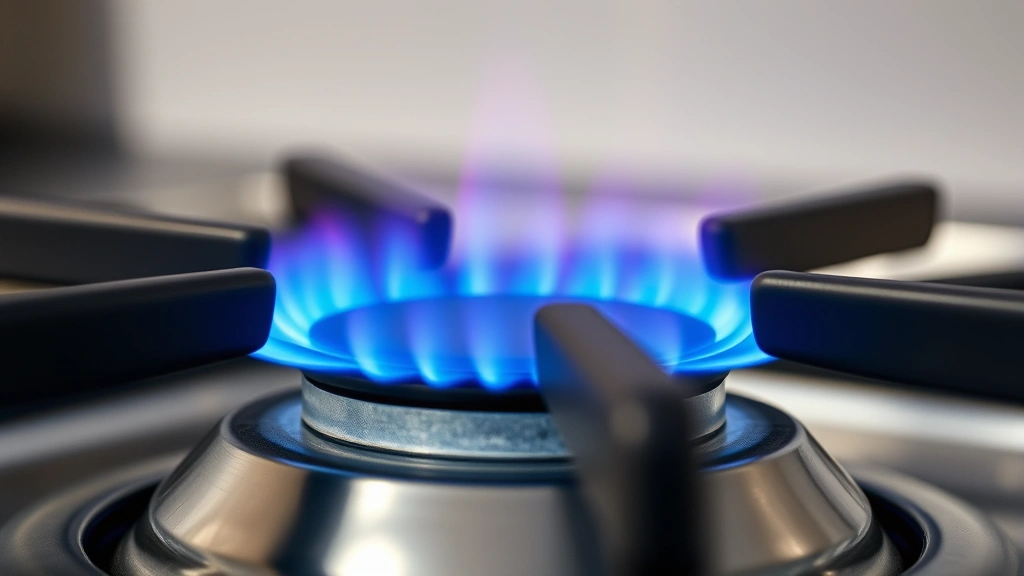
An orange flame on your gas hob is a common concern that many homeowners encounter, and understanding what causes it is essential for both safety and efficiency. When you notice your gas burner producing an orange or yellow flame instead of the typical blue flame, it’s your appliance’s way of signaling that something requires attention. This color change isn’t just a cosmetic issue—it can indicate incomplete combustion, inefficient energy use, and potential safety hazards that deserve immediate investigation and resolution.
In today’s world, where energy efficiency and home safety intersect with environmental responsibility, maintaining your gas appliances properly contributes to reducing your household’s carbon footprint. A gas hob burning inefficiently wastes fuel and increases unnecessary emissions, directly impacting your environmental impact. This comprehensive guide will help you understand the causes of orange flames, implement practical safety measures, and learn when professional intervention becomes necessary.
What Causes Orange Flame on Gas Hob
The color of a flame tells you a great deal about what’s happening chemically inside your burner. A healthy gas flame should burn blue with minimal yellow or orange coloring at the very tip. When your orange flame on gas hob appears, several underlying causes might be responsible. The most common culprit is incomplete combustion, which occurs when the burner isn’t receiving the proper ratio of gas to air needed for efficient burning.
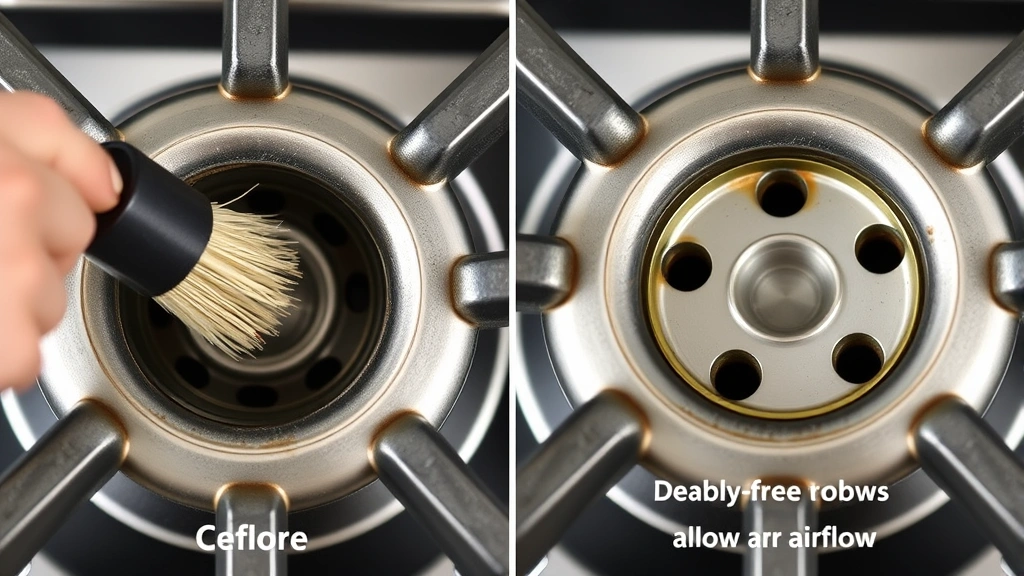
Dust and debris accumulation is one of the primary reasons for flame discoloration. Over time, particles settle on and around the burner ports, blocking the air holes that allow oxygen to mix with the gas. This restriction forces the flame to burn orange or yellow because it lacks sufficient oxygen for complete combustion. The burner’s design relies on precise air-to-fuel ratios, and even minor blockages can disrupt this balance significantly.
Another frequent cause involves the burner cap and head misalignment. If these components aren’t seated properly after cleaning or if they’ve shifted slightly, they can obstruct air intake ports. Additionally, some gas hobs are equipped with sealed burners that are more prone to clogging if not maintained regularly. Moisture and cooking residue can accumulate in these tight spaces, leading to persistent orange flames.
Humidity levels in your kitchen can also play a role. High moisture content in the air can affect how the gas burns, sometimes producing more yellow or orange tones. This is particularly noticeable in kitchens with poor ventilation. The type of cookware you use matters too—certain materials and sizes can affect heat distribution and flame appearance around the pan.
Safety Concerns and Risks
While an orange flame might seem like a minor aesthetic issue, it represents genuine safety concerns that shouldn’t be ignored. Incomplete combustion produces carbon monoxide, a colorless, odorless gas that poses serious health risks to your household. Carbon monoxide can cause headaches, dizziness, nausea, and in severe cases, can be fatal. Proper ventilation is your first line of defense, which is why kitchens with gas appliances should have adequate exhaust systems.
An orange flame also indicates that your burner is operating inefficiently, wasting fuel and energy. This inefficiency translates directly into higher utility bills and unnecessary environmental impact. When your gas hob isn’t burning completely, you’re not just losing money—you’re contributing to unnecessary greenhouse gas emissions. Understanding the relationship between appliance efficiency and environmental responsibility is crucial for conscious homeowners.
The risk of grease fires increases when burners aren’t functioning optimally. Orange flames tend to burn cooler and less predictably than blue flames, potentially causing unexpected flare-ups. If you’re using your hob for high-heat cooking, this becomes even more problematic. Additionally, the presence of soot or residue buildup around orange flames can create fire hazards if not addressed promptly.
Gas leaks represent another potential danger associated with malfunctioning burners. If your hob is producing orange flames due to internal component damage or misalignment, it might also be leaking gas. You should always check for the distinctive rotten egg smell that gas companies add to natural gas for safety purposes. If you detect this smell, vacate the area immediately and call your gas company’s emergency line.
Understanding Incomplete Combustion
To fully grasp why your gas hob produces an orange flame, you need to understand the chemistry of combustion. Complete combustion occurs when gas molecules combine with sufficient oxygen to produce water vapor and carbon dioxide. This process releases the maximum amount of energy and produces the characteristic blue flame. Incomplete combustion, by contrast, happens when insufficient oxygen is available, resulting in the production of carbon monoxide and soot along with the visible yellow or orange flame.
The color spectrum of gas flames provides valuable diagnostic information. A blue flame indicates complete combustion at approximately 1,300 degrees Fahrenheit or higher. Yellow flames burn at lower temperatures, around 1,100 degrees Fahrenheit, while orange flames indicate even cooler combustion temperatures. This temperature difference directly impacts cooking efficiency—your cookware won’t heat as quickly or evenly when sitting above an orange flame compared to a blue flame.
The Bunsen burner principle, which your gas hob operates on, requires precise air intake. The burner draws in air through ports near the base, where it mixes with gas before ignition. Any obstruction to these air ports disrupts the stoichiometric ratio—the ideal proportion of fuel to oxygen. When this ratio is off, you get incomplete combustion and the telltale orange flame. This is why cleaning and maintaining your burner ports is so critical for safe, efficient operation.
Soot production during incomplete combustion creates another problem. The black residue that accumulates on your cookware and burner components further restricts airflow, creating a vicious cycle. Each time you use the hob with an orange flame, more soot builds up, making the problem progressively worse. This is why addressing the issue promptly prevents escalating complications.
Quick Fixes and Solutions
Before calling a technician, you can attempt several straightforward solutions to restore your gas hob to proper function. The most effective fix involves thoroughly cleaning your burner components. Start by turning off the gas and allowing the hob to cool completely. Remove the burner cap and head if your model permits—consult your manufacturer’s manual for specific instructions, as some sealed burners cannot be disassembled.
Use a soft brush or old toothbrush to gently clean the burner ports, removing any visible debris, dust, or cooking residue. Pay special attention to the small air intake holes, which are most prone to clogging. For stubborn buildup, soak the components in warm water with a small amount of dish soap for 15-20 minutes before brushing. Avoid using harsh chemicals or abrasive materials that could damage the burner head.
Inspect the burner cap and head for cracks or damage while they’re removed. Even small cracks can disrupt proper air intake and flame quality. If you notice damage, replacement parts are usually inexpensive and readily available. Ensure that when you reassemble the components, they’re properly aligned and seated securely. Misalignment is a common cause of orange flames that’s easily corrected.
Check the area around your burners for accumulated grease or food particles that might be affecting airflow. Wipe down the surrounding surfaces with a damp cloth. If your hob has a removable base plate or tray, clean underneath as well. Sometimes debris falls below the surface and interferes with proper gas flow.
Test your burners after cleaning. Light them and observe the flame color. If it’s now predominantly blue with just a tiny yellow tip, your problem is likely solved. If the orange flame persists, you may need to repeat the cleaning process more thoroughly or consider professional assistance. Keep a record of when you clean your burners—establishing a regular maintenance schedule prevents problems from developing in the first place.
Prevention and Maintenance
Preventing orange flames is far easier than troubleshooting them, and establishing a regular maintenance routine is key to long-term appliance health. Clean your burners monthly, or more frequently if you cook heavily. This preventative approach maintains consistent flame quality and ensures your hob operates at peak efficiency. When your appliance runs efficiently, you’re supporting your efforts to reduce your environmental footprint by minimizing wasted energy.
Always wipe up spills immediately after cooking. Food residue that hardens on burner components becomes increasingly difficult to remove and more likely to cause airflow problems. Keep a damp cloth nearby while cooking for quick cleanup. This simple habit prevents most common burner issues before they develop.
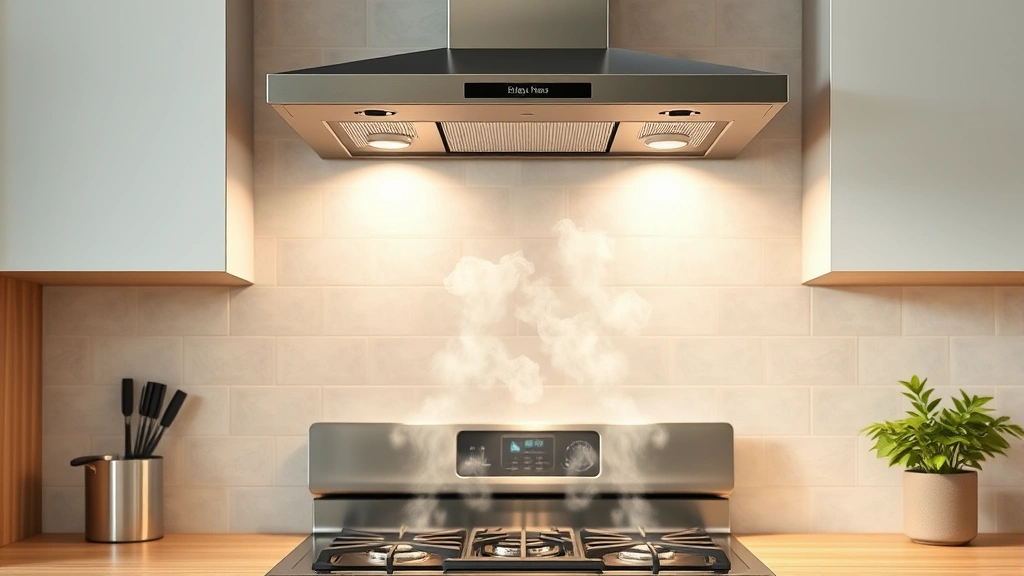
Ensure adequate kitchen ventilation when using your gas hob. A properly functioning exhaust hood not only removes cooking odors but also helps maintain optimal air pressure in your kitchen, which indirectly supports proper burner function. If your kitchen ventilation is inadequate, consider upgrading your exhaust system. This improvement benefits both your appliance performance and indoor air quality.
Use cookware that fits your burners appropriately. Oversized pans can disrupt airflow patterns around the flame, while undersized cookware may not fully cover the burner, allowing heat to escape inefficiently. Proper cookware selection contributes to both safety and efficiency. Stainless steel and cast iron cookware tends to distribute heat more evenly than lighter materials.
Store cleaning supplies and other items away from your hob area. Dust and particles from stored materials can drift onto burners during cooking. Keep the space around your gas hob clear and organized. This simple habit reduces contamination and makes it easier to spot problems early.
Consider scheduling annual professional inspections, especially if your hob is older than five years. Professional technicians can identify potential issues before they become serious problems. This proactive approach aligns with sustainable living principles by extending appliance lifespan and reducing the need for premature replacement.
When to Call a Professional
While many orange flame issues can be resolved with cleaning, certain situations require professional intervention. If your flame remains orange after thorough cleaning and proper reassembly, internal components may be damaged or misaligned beyond DIY repair capability. Gas hobs contain complex mechanisms, and attempting to repair internal damage yourself could create safety hazards.
Contact a professional technician if you detect any gas smell around your hob, even if the burners appear to function. Gas leaks are serious safety concerns that only qualified technicians should address. Similarly, if you notice any cracks in the burner head, damage to the control knobs, or unusual sounds coming from the appliance, professional assessment is warranted.
If multiple burners simultaneously produce orange flames, this suggests a broader issue with your gas supply or the hob’s internal mixing system. A professional can diagnose whether the problem lies with your appliance or your home’s gas line. This distinction is crucial because gas line issues require intervention from your gas utility company.
Older hobs, particularly those over ten years old, may have worn internal components that can’t be cleaned away. If your vintage hob suddenly develops orange flames despite regular maintenance, replacement might be more cost-effective than repair. Modern gas hobs are significantly more efficient than older models, so upgrading could reduce your energy consumption substantially.
When hiring a technician, ensure they’re certified and insured. Ask for references and verify their credentials with your local licensing board. Professional repairs protect your safety and come with warranties, providing peace of mind that the work was completed correctly.
Sustainable Cooking Practices
Addressing your orange flame on gas hob connects directly to broader sustainability goals. Efficient cooking appliances consume less energy, reducing household carbon emissions and lowering utility bills simultaneously. This dual benefit makes appliance maintenance a practical sustainability action.
Gas cooking, while efficient for certain tasks, has environmental implications worth considering. When you explore sustainable energy solutions, you might discover that induction cooktops or other electric alternatives could further reduce your household’s environmental impact. However, if you choose to maintain your gas hob, ensuring it operates efficiently is essential.
Proper flame quality supports efficient cooking techniques that save energy. A blue flame concentrates heat effectively, allowing you to cook faster and use lower heat settings than you would with an orange flame. This efficiency translates into measurable energy savings over time. Additionally, efficient burners produce less soot and residue, reducing the frequency of deep cleaning required.
Consider meal planning and cooking methods that align with sustainability principles. Batch cooking, using residual heat, and choosing recipes suited to your available burner sizes all contribute to reduced energy consumption. When your burners function optimally with proper blue flames, these efficient cooking strategies become even more effective.
The relationship between appliance maintenance and environmental responsibility extends to the broader concept of definition of sustainability. Maintaining what you already own—rather than replacing it prematurely—represents a fundamental sustainability principle. By keeping your gas hob in proper working condition, you’re making an environmentally conscious choice.
Explore how green technology innovations transforming our future might eventually impact kitchen appliances. As technology evolves, more sustainable cooking options become available. Until you’re ready to upgrade, maintaining your current equipment is the most sustainable approach.
FAQ
Is an orange flame on a gas hob dangerous?
An orange flame indicates incomplete combustion, which produces carbon monoxide. While brief exposure from occasional cooking isn’t immediately dangerous, prolonged exposure in poorly ventilated kitchens poses serious health risks. The flame also signals inefficient operation that wastes energy and money. Address orange flames promptly to ensure safety and efficiency.
Can I use my gas hob with an orange flame?
While occasional use is unlikely to cause immediate harm, regular cooking with an orange flame isn’t recommended. The burner operates inefficiently, wasting gas and energy while producing more emissions. Additionally, orange flames are cooler and less predictable, potentially affecting cooking quality and safety. Resolve the issue before resuming regular use.
How often should I clean my gas burners?
Monthly cleaning is ideal for most households, though frequency depends on cooking habits. If you cook daily or frequently prepare foods prone to splattering, clean burners every two weeks. Even light cooking benefits from quarterly deep cleaning. Regular maintenance prevents problems from developing and keeps your hob functioning optimally.
What’s the difference between blue and orange flames?
Blue flames indicate complete combustion with proper oxygen supply, burning at higher temperatures and producing maximum energy. Orange flames signal incomplete combustion due to insufficient oxygen, burning cooler and producing carbon monoxide and soot. The color directly reflects combustion efficiency and safety status.
Should I replace my gas hob if it keeps producing orange flames?
Not necessarily. If cleaning resolves the issue, your hob is fine. However, if problems persist despite thorough maintenance, replacement might be warranted. Modern hobs are significantly more efficient than older models. Consider your hob’s age, repair costs, and how often you use it when making this decision. Upgrading to sustainable energy solutions like induction cooktops could provide long-term benefits.
Can humidity cause orange flames?
Yes, high humidity can affect flame appearance and combustion quality. Moisture in the air can interfere with the gas-air mixture, sometimes producing more yellow or orange tones. Improving kitchen ventilation helps manage humidity levels and supports proper burner function. This is another reason why adequate exhaust systems are important.
What should I do if my gas hob smells like rotten eggs?
That distinctive smell indicates a gas leak. Evacuate your home immediately and call your gas company’s emergency line from outside. Don’t use any electrical devices or create sparks. This is a serious safety issue requiring immediate professional attention. Never attempt to locate or repair gas leaks yourself.
How do I know if my burner is damaged?
Inspect the burner head for visible cracks, chips, or discoloration beyond normal wear. Check that the burner cap sits evenly and makes solid contact with the base. Look for excessive soot or residue that won’t clean away. If you notice physical damage, replacement parts are usually inexpensive and readily available. Consult your manufacturer’s manual or contact an appliance supplier for the correct replacement components.
Visit the SustainWise Hub Blog for more insights on maintaining efficient home systems and reducing your household’s environmental impact through practical maintenance and upgrades.