
Eco-Friendly Gas Fire Pits? Expert Insights on Sustainable Outdoor Heating
When the sun sets and temperatures drop, outdoor fire pits create a gathering space for family and friends. Yet traditional wood-burning options release significant carbon emissions and particulate matter into the atmosphere. An outdoor gas fire pit presents a compelling alternative for environmentally conscious homeowners seeking warmth without compromising their sustainability values. This comprehensive guide explores whether gas fire pits truly qualify as eco-friendly, examines their environmental impact, and reveals expert strategies for minimizing your outdoor heating footprint.
The outdoor entertainment landscape has evolved dramatically over the past decade. As climate awareness grows and air quality concerns mount, consumers increasingly question the environmental credentials of their purchases. Gas fire pits occupy an interesting middle ground—cleaner than wood burning but not entirely emissions-free. Understanding this nuance empowers you to make informed decisions aligned with your environmental priorities.
How Gas Fire Pits Compare to Wood-Burning Alternatives
Wood-burning fire pits have charmed outdoor spaces for centuries, but their environmental profile has become increasingly problematic. When wood burns, it releases carbon dioxide, carbon monoxide, particulate matter, and volatile organic compounds directly into the atmosphere. The EPA identifies wood smoke as a significant air quality concern, particularly in residential areas where multiple households operate fire pits simultaneously.
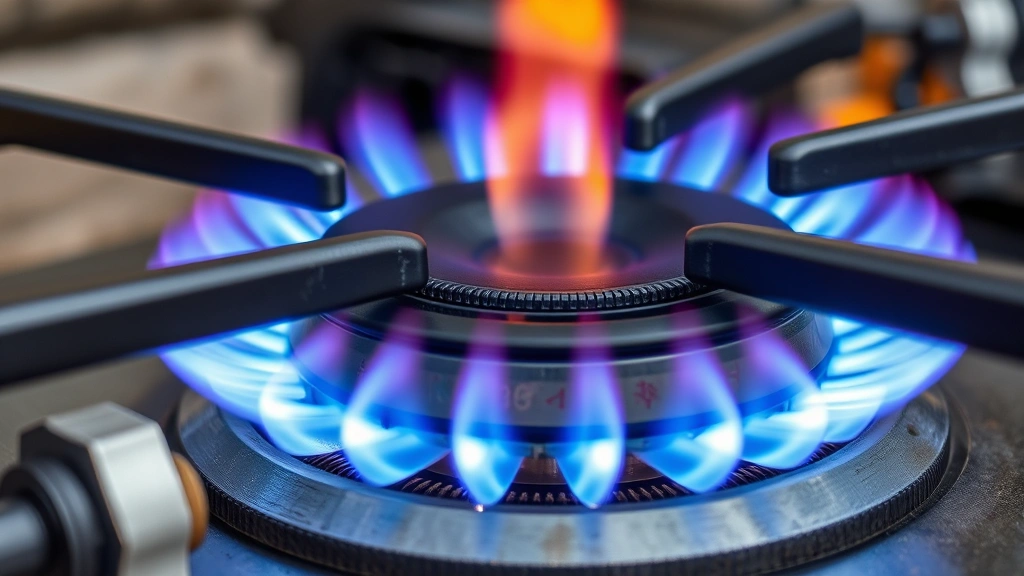
An outdoor gas fire pit eliminates many of these pollutants. Natural gas and propane burn more completely than wood, producing primarily carbon dioxide and water vapor. This cleaner combustion process reduces harmful particulates that contribute to respiratory problems and smog formation. For homeowners in air quality management districts or regions with wood-burning restrictions, gas fire pits often represent the only legal outdoor heating option.
However, “cleaner” doesn’t automatically mean “clean.” Gas combustion still releases greenhouse gases, making it essential to evaluate whether your heating needs justify the emissions. The key distinction lies in scale and frequency—occasional weekend gatherings produce minimal environmental impact compared to nightly operation throughout winter months.
Consider also the source of your fuel. If you’re evaluating natural gas vs propane options, both carry distinct environmental considerations. Understanding these differences helps align your fire pit choice with broader sustainability goals outlined in our sustainable energy solutions guide.

Environmental Impact and Emissions Analysis
Quantifying the environmental impact of outdoor gas fire pits requires examining multiple factors: fuel source, combustion efficiency, usage patterns, and lifecycle emissions. A typical natural gas fire pit operating for four hours produces approximately 15-20 pounds of carbon dioxide—equivalent to driving a gasoline vehicle roughly 20 miles.
Propane-fueled models generate slightly higher emissions per unit of heat due to propane’s energy density characteristics, though the difference proves marginal for typical residential use. The more significant variable involves how often you operate your fire pit. Seasonal entertainment use differs dramatically from daily operation, creating vastly different environmental footprints.
The extraction and distribution of fossil fuels introduces additional environmental costs beyond direct combustion. Natural gas extraction requires infrastructure development, potential methane leakage during transport, and processing energy. Propane involves similar extraction challenges plus additional compression and transportation energy. These “upstream” emissions should factor into your overall assessment.
To contextualize these impacts, compare your outdoor gas fire pit usage to other household energy consumption. Most families generate substantially more emissions from heating, cooling, and transportation than from seasonal fire pit operation. This doesn’t eliminate environmental concerns but provides perspective for prioritization. If reducing your environmental footprint matters deeply, simultaneously exploring advantages of electric vehicles and transitioning to renewable electricity sources typically yields greater emissions reductions than eliminating gas fire pits alone.
Recent lifecycle assessments from environmental research institutions reveal that natural gas fire pits produce 60-70% fewer lifecycle emissions than wood-burning alternatives when accounting for fuel production, transport, and combustion. This advantage, while meaningful, remains modest compared to eliminating the fire pit entirely or utilizing alternative heating methods.
Natural Gas vs Propane: Which Fuel Matters More
The choice between natural gas and propane fire pits involves environmental, practical, and economic considerations. Natural gas, distributed through underground pipelines in many communities, offers convenience and typically lower operating costs. Propane, stored in above-ground tanks, provides flexibility for properties lacking natural gas infrastructure.
From an environmental perspective, both fuels present similar combustion profiles, producing comparable carbon dioxide emissions per unit of heat. However, natural gas extraction and distribution involve different environmental challenges than propane. Our detailed comparison of natural gas vs propane explores these distinctions comprehensively, helping you evaluate which option aligns with your specific situation.
Natural gas systems eliminate the need for propane tank refills, reducing transportation emissions from delivery vehicles. Conversely, propane offers superior portability and works in locations without pipeline infrastructure. If you’re choosing between these options for an outdoor fire pit, consider your home’s existing utilities, long-term residency plans, and local fuel availability.
An important environmental consideration involves methane emissions from natural gas systems. Methane, a potent greenhouse gas roughly 25-28 times more effective at trapping heat than carbon dioxide over a 100-year period, can leak from distribution infrastructure. While modern systems minimize these losses, they remain a legitimate environmental concern that propane avoids.
For maximum environmental responsibility, pair either fuel choice with efficiency optimization and minimal usage patterns. A high-efficiency propane fire pit operated occasionally produces less environmental impact than an inefficient natural gas model running continuously.
Efficiency Ratings and Energy Consumption
Not all outdoor gas fire pits perform equally. Modern designs vary dramatically in fuel consumption efficiency, with some models converting 80-90% of fuel energy into usable heat while others waste substantial energy as escaping hot air and radiation losses.
Look for fire pits certified by efficiency standards organizations. Products meeting EPA guidelines for outdoor gas appliances demonstrate verified performance characteristics. These certifications ensure manufacturers’ efficiency claims have undergone independent testing, eliminating marketing exaggeration.
Several design features significantly impact efficiency. Enclosed designs with glass or metal screens trap heat more effectively than open-flame models. Burner configuration matters substantially—multiple small burners distribute heat more evenly than single large burners. Reflective backing behind the flames redirects heat toward seating areas rather than upward into the atmosphere.
Thermostatic controls allow precise temperature regulation, preventing excess fuel consumption when ambient conditions change. Wind screens and strategic positioning near structures can amplify heating efficiency by reducing heat dispersal. These seemingly minor details compound into meaningful environmental and economic benefits over a fire pit’s operational lifetime.
When evaluating efficiency, request BTU (British Thermal Unit) output ratings and fuel consumption specifications. A fire pit producing 40,000 BTUs while consuming three pounds of propane hourly differs significantly from one requiring five pounds for identical heat output. This information directly translates to operating costs and environmental impact.
Sustainable Outdoor Heating Strategies
Choosing an outdoor gas fire pit represents one decision within broader outdoor heating strategy. Truly eco-conscious homeowners integrate multiple approaches to minimize environmental impact while maintaining comfortable entertaining spaces.
Zone-based heating concentrates warmth where people gather rather than heating entire outdoor areas. Tabletop fire pits, for example, provide intimate warmth for small groups with minimal fuel consumption. This targeted approach reduces unnecessary emissions while maintaining comfort.
Seasonal timing optimization acknowledges that shoulder seasons (spring and fall) require less heating than peak winter months. Scheduling outdoor gatherings during warmer periods naturally reduces fire pit dependency. When winter entertainment becomes necessary, briefer sessions produce less environmental impact than extended use.
Complementary heat sources reduce reliance on fire pits. Outdoor heaters using radiant technology direct warmth precisely toward occupants rather than dispersing energy broadly. Solar-powered outdoor lights and heated seating incorporate renewable energy, reducing overall fossil fuel dependency.
Alternative materials exploration reveals emerging sustainable options. Bioethanol fire pits produce minimal emissions and operate without fuel tanks, though their heat output remains limited. Green technology innovations continue developing cleaner outdoor heating solutions that may eventually replace gas fire pits entirely.
Carbon offset programs allow environmentally motivated homeowners to neutralize their fire pit emissions. Organizations specializing in verified carbon credits enable you to fund renewable energy projects or reforestation initiatives equivalent to your heating emissions. While imperfect, this approach acknowledges reality—some outdoor entertaining likely occurs regardless of environmental concerns.
Integrating these strategies with mindful fuel selection creates a comprehensive sustainability approach. Your environmental footprint reduction gains momentum through cumulative choices rather than single dramatic changes.
Installation and Maintenance Best Practices
Proper installation and maintenance directly impact environmental performance. A poorly installed gas fire pit wastes fuel through incomplete combustion and excess gas flow. Professional installation by certified technicians ensures your system operates at designed efficiency levels.
Key installation considerations include proper ventilation, correct gas line sizing, and appropriate clearances from structures and vegetation. Inadequate ventilation forces your fire pit to work harder, consuming more fuel for equivalent heat output. Oversized gas lines deliver excessive fuel, while undersized lines restrict optimal burner operation.
Regular maintenance preserves efficiency throughout your fire pit’s operational lifetime. Annual inspections identify wear in burner components, gas connections, and ignition systems. Cleaning burner ports removes debris that restricts proper gas flow. Replacing worn ignition components ensures reliable starts without repeated fuel-wasting ignition attempts.
Seasonal preparation before extended storage prevents degradation. Propane systems benefit from fuel stabilizer additives that preserve fuel quality during off-season months. Natural gas systems require purging to remove residual moisture that corrodes internal components. These preventive measures extend equipment lifespan, reducing the environmental impact of premature replacement.
Document all maintenance activities and keep receipts for professional service. This record demonstrates proper stewardship if you eventually sell your home, potentially increasing property value while reducing waste from replacing neglected equipment.
Cost-Benefit Analysis for Eco-Conscious Homeowners
Environmental responsibility intersects with financial practicality in outdoor fire pit decisions. Understanding true costs—both monetary and environmental—enables informed choices aligned with your values and budget.
Initial installation costs for outdoor gas fire pits typically range from $1,500-$5,000 depending on fuel type, size, and whether you’re retrofitting existing structures or building new installations. Natural gas systems generally cost more upfront due to trenching and connection requirements but offer lower operating expenses. Propane systems involve lower installation costs but higher per-unit fuel expenses.
Operating costs vary based on usage patterns and local fuel prices. A propane fire pit operating four hours weekly during a five-month season might consume 30-40 pounds of propane, costing $60-$100 depending on regional pricing. Natural gas costs typically prove 40-50% lower for equivalent heat output, though this advantage varies geographically.
Environmental cost calculations should include fuel production emissions, combustion emissions, and equipment manufacturing impact. A fire pit manufactured in energy-intensive processes and operated for two decades generates different total environmental burden than one used briefly then replaced. Longevity and efficiency both matter.
The true value proposition emerges when comparing alternatives. If your choice involves either installing a gas fire pit or burning wood nightly throughout winter, gas clearly proves superior environmentally and financially. If the alternative involves simply gathering without fire-based heating, eliminating the fire pit entirely produces the lowest environmental impact.
Tax incentives and rebates occasionally apply to efficient outdoor heating systems, particularly in regions prioritizing air quality improvement. Research local environmental agency programs—some offer propane system incentives to eliminate wood burning, effectively subsidizing cleaner alternatives.
FAQ
Are outdoor gas fire pits considered eco-friendly?
Gas fire pits occupy a middle ground—significantly cleaner than wood burning but not truly emissions-free. They produce 60-70% fewer lifecycle emissions than wood alternatives while still generating meaningful carbon dioxide. “Eco-friendly” depends on your comparison baseline and personal environmental priorities.
Which produces lower emissions: natural gas or propane fire pits?
Both fuels produce similar combustion emissions per unit of heat. Natural gas avoids propane’s transportation emissions but carries methane leakage risks in distribution infrastructure. The difference proves marginal for typical residential use; efficiency and usage patterns matter more than fuel type selection.
How can I minimize my outdoor gas fire pit’s environmental impact?
Operate your fire pit seasonally rather than year-round, choose high-efficiency models with proper certifications, maintain equipment regularly, use zone-based heating, and consider carbon offset programs. Combining multiple strategies creates meaningful environmental benefits.
What’s the environmental cost of manufacturing a gas fire pit?
Manufacturing typically accounts for 10-15% of a fire pit’s total lifecycle environmental impact. Choosing durable, well-constructed models that operate for 15-20 years distributes manufacturing impact across extended use, improving overall environmental performance compared to cheaper models requiring replacement.
Should I choose a tabletop fire pit over a full-size model?
Tabletop models consume significantly less fuel while providing adequate warmth for small gatherings. If your entertaining typically involves fewer than six people, tabletop options offer superior environmental performance without sacrificing functionality or ambiance.
Can I offset the emissions from my gas fire pit?
Yes, verified carbon offset programs allow you to fund renewable energy and reforestation projects equivalent to your fire pit emissions. While imperfect, this approach acknowledges that some outdoor entertaining occurs regardless of environmental concerns, providing a mechanism for environmental responsibility.


