Portable Gas Tanks: Are They Eco-Friendly?
Portable gas tanks have become ubiquitous in modern life, powering everything from camping stoves and generators to lawnmowers and recreational vehicles. Their convenience and portability make them attractive for outdoor enthusiasts and emergency preparedness alike. However, as environmental consciousness grows, many people are asking whether these portable fuel containers align with sustainable living practices. The answer is nuanced, requiring examination of their environmental impact across manufacturing, usage, and disposal phases.
Understanding the ecological footprint of portable gas tanks involves looking beyond their immediate utility. While they serve practical purposes, their production consumes resources, their use generates emissions, and their disposal presents challenges. This comprehensive guide explores whether portable gas tanks can be considered eco-friendly, what alternatives exist, and how to minimize their environmental impact if you choose to use them.
Understanding Portable Gas Tanks and Their Uses
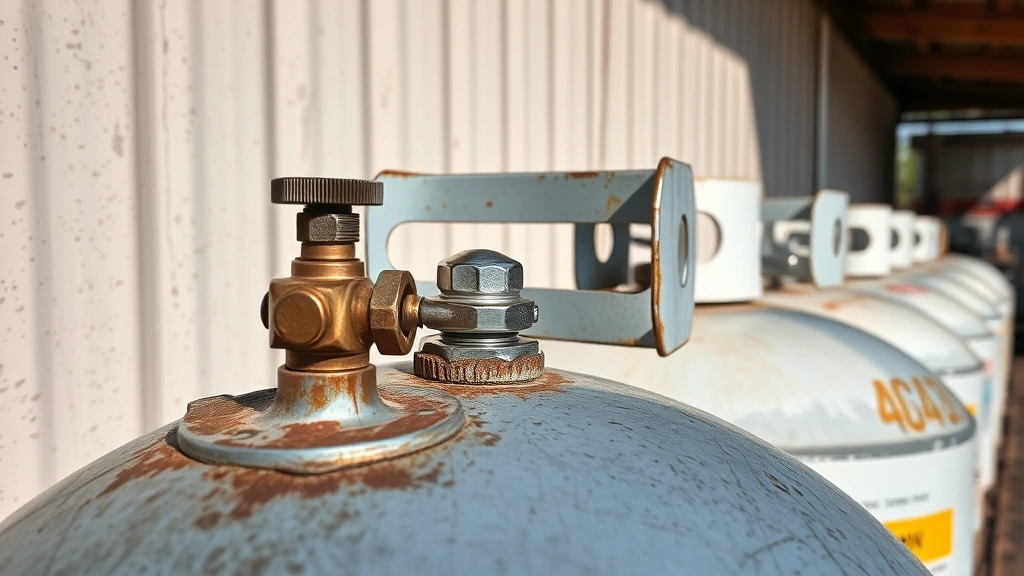
Portable gas tanks, commonly called propane tanks or fuel canisters, are containers designed to store and transport gaseous or liquid fuels. They range from small camping canisters holding a few ounces to larger tanks capable of storing twenty pounds or more of propane. These tanks serve diverse purposes: powering outdoor grills, heating portable heaters, fueling backup generators, and supplying energy for remote work sites.
The prevalence of portable gas tanks reflects their practical advantages. They’re relatively affordable, store energy in a compact form, and provide immediate fuel availability without grid dependence. For people in rural areas, outdoor enthusiasts, and those preparing for emergencies, portable gas tanks offer genuine utility. However, this convenience comes with environmental trade-offs worth examining carefully.
Most portable gas tanks contain propane, a hydrocarbon gas extracted from natural gas processing and crude oil refining. Understanding what’s inside these tanks helps clarify their environmental implications. Propane itself is a fossil fuel, meaning its use inherently involves burning non-renewable resources and releasing carbon dioxide into the atmosphere.

Environmental Impact of Manufacturing and Materials
The environmental cost of portable gas tanks begins before they’re ever filled with fuel. Manufacturing these containers requires raw materials, energy, and industrial processes that generate their own environmental footprint. Most portable gas tanks are constructed from steel or aluminum, both metals requiring energy-intensive extraction and processing.
Steel production accounts for approximately 7-9% of global carbon dioxide emissions, according to research from the International Energy Agency. Aluminum manufacturing is similarly energy-intensive, consuming roughly 15 kilowatt-hours of electricity per kilogram produced. For a portable gas tank weighing several pounds, this represents a significant initial carbon investment before any fuel is ever burned.
The manufacturing process also involves welding, coating, and quality testing, each step consuming energy and potentially generating waste. Protective coatings applied to prevent rust and corrosion may include materials that raise environmental concerns. Transportation from manufacturing facilities to distribution centers adds additional emissions to the tank’s lifecycle carbon footprint.
When considering whether to purchase a portable gas tank, this embodied carbon matters. A tank used only once or twice never fully amortizes its manufacturing impact. However, tanks used repeatedly over many years can distribute this initial environmental cost across numerous uses, improving their relative efficiency compared to single-use alternatives.
Emissions and Climate Considerations
The most significant environmental concern with portable gas tanks stems from combustion emissions. When propane burns, it releases carbon dioxide, the primary greenhouse gas driving climate change. One pound of propane produces approximately 1.5 pounds of carbon dioxide when completely combusted. For a twenty-pound tank, that represents thirty pounds of CO2 released into the atmosphere.
To contextualize this impact, the average American generates approximately sixteen tons of carbon dioxide annually through all activities. A single portable gas tank’s worth of propane combustion contributes roughly 0.015 tons to this total. While modest for a single tank, the cumulative effect across millions of tanks in use becomes substantial.
Beyond carbon dioxide, propane combustion produces other emissions depending on burning conditions and equipment efficiency. Incomplete combustion can generate carbon monoxide, a toxic gas harmful to human health and an indirect climate forcer. Poorly maintained equipment or improper ventilation creates health risks alongside environmental concerns.
Methane leakage during propane extraction, processing, and distribution represents an additional climate impact often overlooked. Methane is approximately 28-34 times more potent than carbon dioxide at trapping heat over a century-long timeframe. Even small leakage percentages during the supply chain contribute meaningfully to climate impact. This is why comparing natural gas versus propane involves examining these upstream emissions carefully.
Some portable gas tank users might consider advantages of electric vehicles as an indication of broader trends toward electrification. Similar electrification trends are emerging in portable power solutions, though current options remain limited for many applications.
Safety, Leakage, and Pollution Risks
Beyond climate emissions, portable gas tanks pose environmental risks through leakage and improper handling. Propane is a volatile organic compound, and even small leaks contribute to ground-level ozone formation, a major air pollutant affecting respiratory health and vegetation. Tanks stored improperly or damaged during transport may leak without user awareness.
Water contamination represents another concern, particularly in areas with multiple tanks or poor storage practices. Propane itself doesn’t readily dissolve in water, but additives used in commercial propane and residual contaminants can affect water quality. Tanks left exposed to weather may corrode, increasing leakage risks and environmental contamination potential.
Improper disposal of empty or damaged tanks creates lasting environmental problems. Tanks containing residual propane cannot be safely recycled through standard metal recycling programs. Many end up in landfills, where corrosion eventually releases remaining contents into soil and groundwater. Some states have implemented tank return programs, but availability varies widely, making proper disposal challenging for many users.
The EPA’s recycling and disposal guidelines recommend checking with local hazardous waste facilities for proper tank disposal. However, limited awareness means many tanks are disposed of improperly, creating persistent environmental hazards.
Comparative Analysis: Alternatives to Portable Gas Tanks
Evaluating whether portable gas tanks are eco-friendly requires comparing them to alternatives. For many applications, viable substitutes exist with lower environmental impact.
Battery-Powered Equipment: Rechargeable batteries have revolutionized portable tools and outdoor equipment. Modern lithium-ion batteries offer sufficient power density for camping equipment, portable heaters, and tools. While battery production involves environmental costs, particularly in mining lithium and cobalt, their reusability over hundreds of charge cycles distributes these impacts across extended use. Battery-powered equipment generates zero direct emissions during operation and eliminates combustion safety risks.
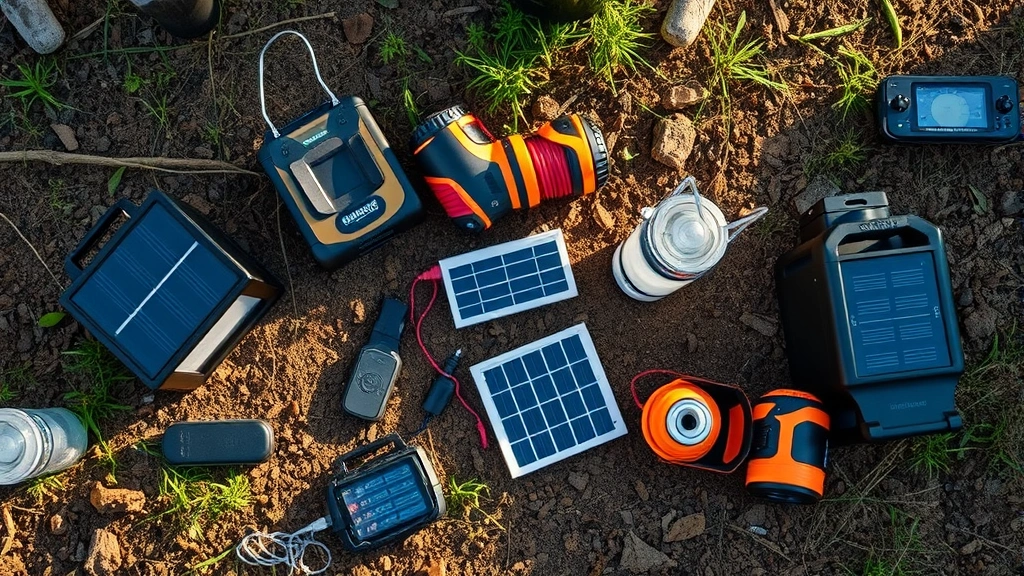
Solar-Powered Solutions: For many outdoor applications, solar panels represent the most sustainable energy source. Portable solar chargers, solar-powered camping lights, and solar generators eliminate ongoing fuel consumption entirely. Initial equipment costs are higher, but operational costs approach zero, and environmental impact minimizes significantly over time. Solar solutions work best for applications tolerating variable power availability and requiring modest energy quantities.
Grid-Connected Alternatives: For stationary applications like backup generators or outdoor heating, grid connection eliminates portability but offers environmental benefits if your regional electricity grid includes renewable sources. Many areas increasingly source power from wind and solar facilities, making grid electricity progressively cleaner. Sustainable energy solutions increasingly feature grid integration as a core component.
Renewable Gas Options: Emerging alternatives include biogas and renewable propane derived from organic waste and sustainable feedstocks. These fuels produce carbon dioxide when burned but avoid the fossil fuel extraction and associated climate impacts of conventional propane. Availability remains limited currently, but expanding production capacity may make renewable gas options increasingly accessible.
Hybrid Approaches: Many users benefit from combining solutions. Using battery-powered equipment for routine tasks and reserving portable gas tanks for emergency situations or specific applications requiring their unique capabilities reduces overall consumption and environmental impact.
Sustainable Practices for Gas Tank Users
If you determine that portable gas tanks meet your genuine needs, adopting sustainable practices minimizes their environmental impact. These strategies reduce emissions, prevent leakage, and ensure responsible disposal.
Optimize Tank Utilization: Maximize the environmental amortization of manufacturing impacts by using tanks frequently and purposefully. Avoid purchasing tanks for infrequent uses; instead, consider renting or borrowing when possible. Sharing tanks among community members or neighbors further improves efficiency.
Maintain Equipment Properly: Well-maintained burners and appliances achieve higher combustion efficiency, reducing emissions and fuel consumption. Regular inspection of connections, valves, and regulators prevents leaks that waste fuel and harm the environment. Replace worn components promptly rather than accepting inefficient operation.
Store Tanks Safely: Proper storage prevents corrosion, leakage, and safety hazards. Keep tanks upright, in cool locations away from direct sunlight, and protected from weather. Inspect tanks regularly for damage or corrosion. Store tanks outdoors when possible, avoiding enclosed spaces where leaks pose safety risks and environmental contamination potential.
Plan Responsible Disposal: Research proper disposal options before purchasing tanks. Many propane suppliers accept empty tanks for refilling or recycling. Hazardous waste facilities can safely process damaged tanks. Never leave tanks in landfills or attempt unauthorized disposal methods. Some areas have take-back programs; investigate these before purchasing.
Track Consumption: Monitor how much propane you actually use. Awareness often reveals opportunities to reduce consumption or switch to alternatives for less critical applications. Documenting usage helps identify efficiency improvements and informs future purchasing decisions.
Consider Environmental Footprint Reduction: Offset portable gas tank emissions by supporting verified carbon offset projects. While not eliminating your impact, offsetting acknowledges the climate cost and supports renewable energy development. Investigate how to reduce your environmental footprint comprehensively rather than viewing portable gas tanks in isolation.
The Future of Portable Energy Storage
Technology is rapidly transforming portable energy solutions, potentially reducing dependence on fossil fuel tanks. Green technology innovations transforming our future increasingly address portable power needs through sustainable alternatives.
Advanced Battery Technologies: Solid-state batteries, lithium-metal batteries, and other emerging technologies promise higher energy density, faster charging, and improved safety. These advances will make battery-powered alternatives viable for applications currently requiring portable gas tanks.
Hydrogen Fuel Cells: Hydrogen-powered portable generators and equipment represent another frontier. Fuel cells produce electricity through chemical reactions between hydrogen and oxygen, emitting only water vapor. However, hydrogen production methods vary in sustainability; green hydrogen from renewable-powered electrolysis offers genuine environmental benefits, while hydrogen from natural gas reforming maintains fossil fuel dependence.
Improved Solar Technology: Increasingly efficient solar panels and better energy storage integration make solar-powered portable solutions more practical. Flexible solar panels, transparent photovoltaics, and improved charge controllers expand application possibilities.
Regulatory Evolution: As climate policy tightens, regulations increasingly restrict fossil fuel equipment or incentivize alternatives. These market pressures drive innovation toward sustainable portable power solutions. Early adoption of alternatives positions users ahead of regulatory changes.
The trajectory clearly points toward reduced reliance on portable fossil fuel tanks. However, during the transition period, thoughtful use of existing technology combined with deliberate movement toward alternatives represents the most pragmatic approach.
FAQ
Are portable gas tanks recyclable?
Portable gas tanks cannot enter standard metal recycling programs while containing propane residue. They must be properly depressurized and cleaned before recycling. Most propane suppliers and hazardous waste facilities offer tank recycling or take-back programs. Contact your local waste management authority to locate proper disposal options.
What is the carbon footprint of a portable gas tank?
A twenty-pound propane tank’s manufacturing footprint typically represents 15-25 pounds of carbon dioxide equivalent. Combustion of the propane itself generates approximately thirty pounds of CO2. Total lifecycle impact depends on frequency of use and disposal method. Tanks used repeatedly over years distribute manufacturing impact across multiple uses, improving efficiency.
Can I refill portable gas tanks indefinitely?
Most portable propane tanks have inspection and recertification requirements every ten to twelve years. After this period, tanks must be inspected by certified professionals and recertified or retired. This safety requirement prevents aging tanks with potential structural integrity issues from remaining in service. Inspections typically cost $15-30 and extend tank life.
Are there eco-friendly alternatives for camping and outdoor activities?
Yes, numerous alternatives exist. Battery-powered camping stoves, portable solar panels with rechargeable lights, and electric coolers eliminate propane dependence for many camping applications. Hybrid approaches using propane only for essential heating while relying on solar and battery power for other needs represent practical sustainability compromises.
How do propane emissions compare to other fossil fuels?
Propane produces slightly lower emissions than gasoline or diesel per unit of energy but higher than natural gas. Renewable alternatives like solar and battery power eliminate direct combustion emissions entirely. For climate-conscious consumers, propane should be considered a temporary solution while transitioning toward zero-emission alternatives.
What happens if a portable gas tank leaks?
Propane leaks create immediate safety hazards and environmental pollution. If you smell propane, move to fresh air immediately and call emergency services. Do not use electrical switches or ignition sources. After emergency response, contact the tank supplier or hazardous waste facility for proper handling. Damaged tanks should not be refilled.


