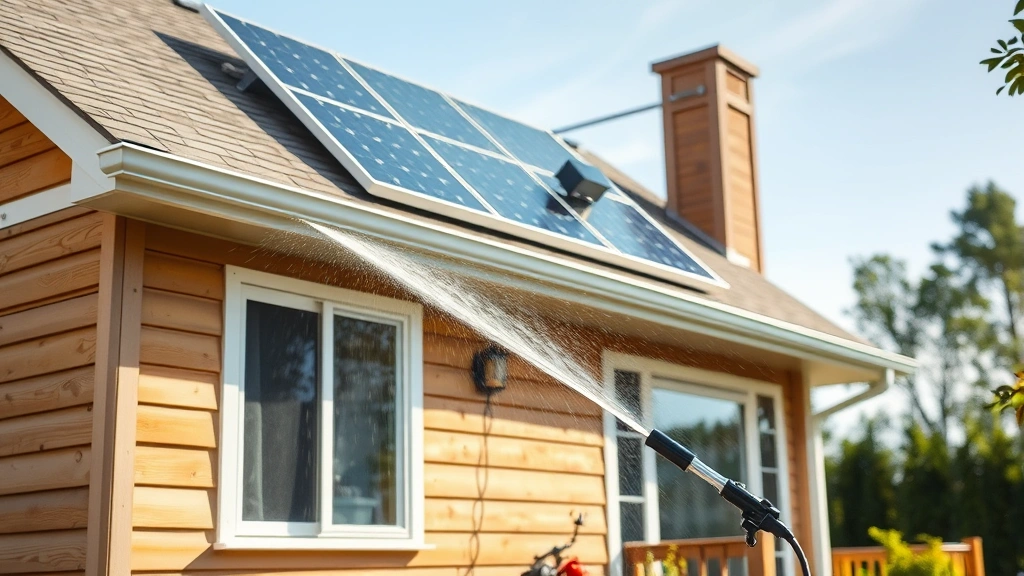
Is Gas Pressure Washing Eco-Friendly? Expert Insights on Environmental Impact
Pressure washing has become a staple for homeowners and businesses seeking to maintain clean surfaces, from driveways to building facades. However, as environmental consciousness grows, many are questioning whether gas-powered pressure washers align with sustainability principles. The answer is nuanced: while effective and powerful, gas pressure washers present significant environmental challenges that deserve careful consideration before purchase.
The debate between gas and electric pressure washers reflects a broader conversation about sustainable energy solutions in everyday life. Understanding the environmental footprint of your cleaning equipment is essential for making responsible consumer choices. This comprehensive guide examines the ecological impact of gas pressure washers, compares them to alternatives, and explores what experts recommend for environmentally conscious property maintenance.
How Gas Pressure Washers Impact the Environment
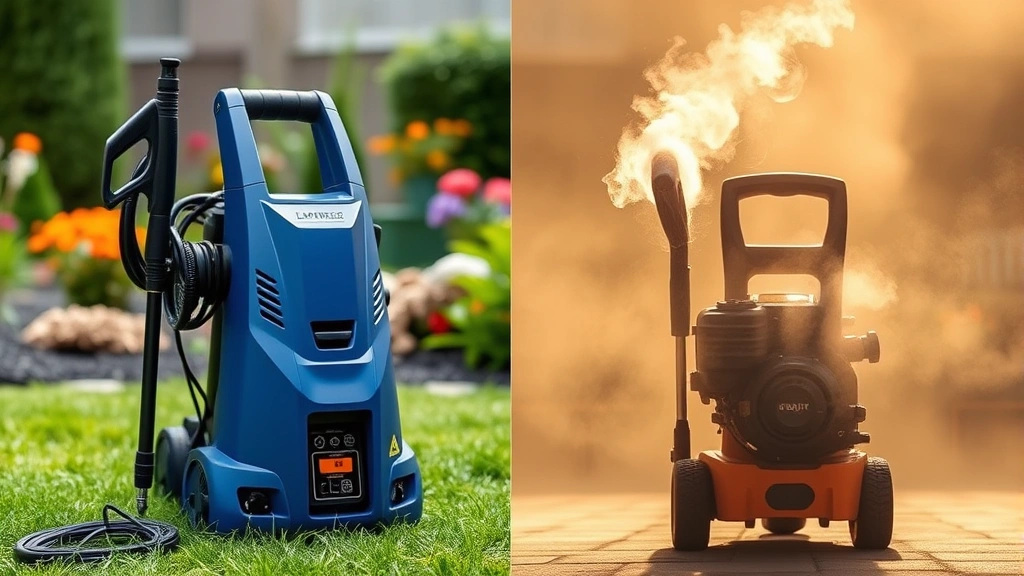
Gas-powered pressure washers operate using small internal combustion engines, typically two-stroke or four-stroke designs that burn gasoline to generate the mechanical force needed for high-pressure water jets. These engines are fundamentally different from their electric counterparts in terms of environmental impact. A single gas pressure washer, while seemingly insignificant on an individual level, contributes meaningfully to cumulative environmental degradation when multiplied across millions of residential and commercial users worldwide.
The environmental concerns surrounding gas pressure washers extend beyond simple fuel consumption. Manufacturing these machines requires resource extraction, processing, and transportation—factors that increase their overall carbon footprint before they ever leave the showroom. Additionally, the typical lifespan of a gas pressure washer, maintenance requirements involving oil changes and fuel stabilization, and eventual disposal all contribute to its total environmental cost. When examining whether gas pressure washers are eco-friendly, we must consider this complete lifecycle perspective rather than focusing solely on operational emissions.
Experts from environmental organizations emphasize that gas-powered equipment represents an outdated approach to outdoor maintenance. As green technology innovations advance, more efficient and cleaner alternatives become available. The transition away from gas-powered tools mirrors broader shifts in transportation, such as the movement toward advantages of electric vehicles, where battery-powered solutions offer significant environmental benefits.
Emissions and Air Quality Concerns
One of the most significant environmental drawbacks of gas pressure washers is their direct contribution to air pollution. Small gasoline engines, particularly two-stroke models, emit substantial quantities of nitrogen oxides (NOx), volatile organic compounds (VOCs), and particulate matter. Research from the U.S. Environmental Protection Agency indicates that a single gas-powered pressure washer operating for just one hour produces emissions equivalent to driving a modern automobile for approximately 100 miles.
This startling statistic reveals why environmental advocates increasingly scrutinize gas pressure washing equipment. The combustion process in small engines is inherently less efficient than in larger, regulated industrial engines. Fuel doesn’t combust completely, leading to unburned hydrocarbons and carbon monoxide release into the atmosphere. These pollutants contribute to ground-level ozone formation, a major component of smog that harms respiratory health and damages vegetation. For individuals with asthma or other respiratory conditions, operating or being near a gas pressure washer can trigger serious health complications.
Carbon dioxide emissions from gas pressure washers also accumulate, contributing to climate change. While a single machine’s annual emissions might seem modest—typically ranging from 0.5 to 2 tons of CO2 annually depending on usage frequency—the collective impact across millions of households and businesses becomes substantial. When considering how to save energy at home, switching from gas to electric pressure washing equipment represents a meaningful reduction in household carbon emissions.
The California Air Resources Board has specifically targeted small off-road engines as significant pollution sources, implementing increasingly strict emission standards. Several states now restrict the sale of certain gas-powered outdoor equipment, recognizing that cleaner alternatives are technologically viable. This regulatory trend suggests that gas pressure washers will face greater restrictions in coming years, making the switch to electric models a forward-thinking decision.
Water Usage and Pollution Risks
Beyond atmospheric emissions, gas pressure washers present environmental challenges related to water consumption and contamination. These machines use substantial quantities of water—typically 1.5 to 4 gallons per minute depending on pressure output—which raises concerns in water-scarce regions. During extended cleaning projects, a single pressure washer can consume hundreds of gallons, exacerbating stress on local water supplies, particularly during drought conditions.
The water discharged from pressure washing operations often carries contaminants that pose environmental risks. Detergent residues, oil from machinery, rust, paint particles, and other surface contaminants wash directly into storm drains without treatment. These contaminated waters eventually reach rivers, lakes, and groundwater supplies, harming aquatic ecosystems. Pesticides from treated lawns and heavy metals from roofing materials can persist in the environment, accumulating in food chains and posing long-term ecological damage.
Gas pressure washers frequently use petroleum-based cleaning solutions and degreasers that are particularly problematic. These chemical formulations are designed to break down tough residues but often persist in the environment, resisting natural degradation. When these products enter waterways, they can disrupt aquatic life, interfere with photosynthesis in aquatic plants, and create dead zones where fish cannot survive. The combination of high-pressure water spray and chemical additives creates a pollution scenario that many environmental scientists consider unnecessary for residential and light commercial applications.
Water recirculation systems and proper filtration—features that make pressure washing more sustainable—are rarely implemented in consumer-grade gas pressure washers. Professional-grade equipment sometimes includes these technologies, but standard homeowner models lack such environmental safeguards. This design gap highlights why SustainWise Hub Blog emphasizes the importance of choosing appropriate equipment for your cleaning needs.
Gas Pressure Washers vs. Electric Alternatives
The comparison between gas and electric pressure washers reveals compelling reasons to choose electric models for most residential applications. Electric pressure washers produce zero direct emissions during operation, eliminating the air quality concerns associated with combustion engines. They operate more quietly, reducing noise pollution that affects neighborhoods and wildlife. The environmental advantage of electric models becomes even more pronounced when considering electricity sources; as power grids incorporate increasing percentages of renewable energy, electric pressure washers become progressively cleaner over time.
Electric pressure washers offer several additional advantages that align with sustainability goals. They require minimal maintenance—no oil changes, spark plug replacements, or seasonal fuel stabilization. This reduces waste generation and the environmental cost of maintenance products. Electric models produce zero emissions, eliminating exposure to harmful exhaust fumes for operators and nearby residents. For most residential cleaning tasks, including deck washing, driveway cleaning, and house exterior maintenance, electric pressure washers provide sufficient power while delivering superior environmental performance.
Performance comparisons show that modern electric pressure washers have closed the gap with gas models. Mid-range electric units now provide 1,800 to 2,500 PSI (pounds per square inch) of pressure, adequate for the vast majority of homeowner applications. While commercial-grade gas pressure washers exceeding 4,000 PSI still have applications in heavy-duty industrial settings, these represent a small fraction of total pressure washer use. For typical residential users, the environmental case for switching to electric is overwhelming.
Cost considerations also favor electric models. While initial purchase prices may be comparable, electric pressure washers cost significantly less to operate and maintain. Electricity expenses are typically 60-70% lower than gasoline costs for equivalent usage. The absence of regular maintenance requirements saves both money and environmental resources. Battery-powered models, representing the newest technology, offer cordless convenience and operate with near-silent efficiency, appealing to environmentally conscious consumers who value both sustainability and user experience.
Making the Switch to Greener Cleaning Methods
Transitioning from gas to electric pressure washers represents one of the most straightforward ways homeowners can reduce their environmental footprint. The process requires minimal disruption—simply purchasing an electric model and learning its operation, which differs only slightly from gas equipment. For most users, this switch delivers immediate environmental benefits without sacrificing cleaning effectiveness.
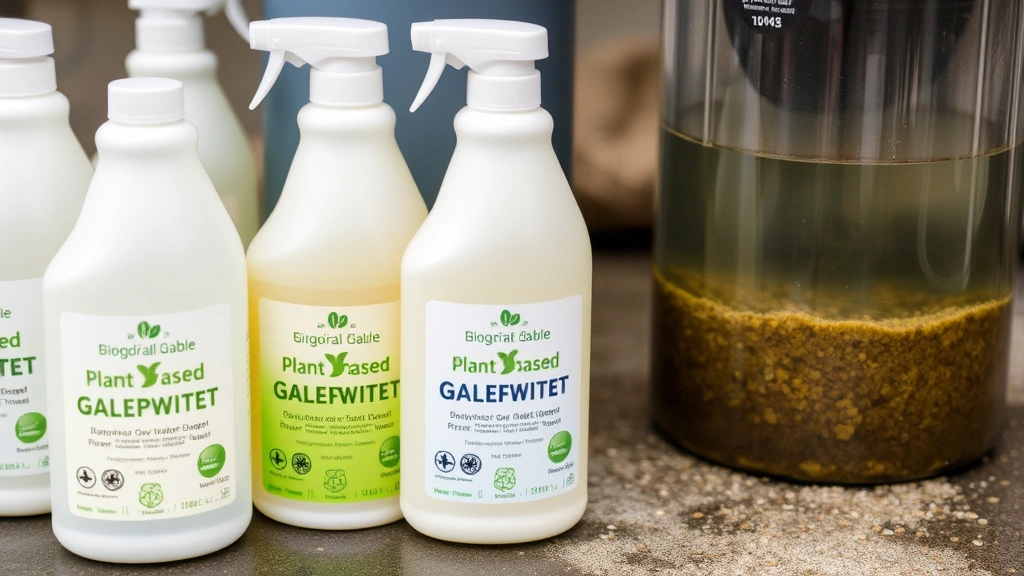
Beyond equipment selection, adopting greener cleaning practices amplifies environmental benefits. Using biodegradable, plant-based cleaning solutions instead of petroleum-based detergents protects waterways and aquatic ecosystems. Many effective biodegradable options now exist that perform comparably to conventional products while breaking down safely in the environment. Consulting product reviews and certifications from organizations like Ecocert helps identify genuinely sustainable cleaning products.
Water conservation techniques reduce the environmental impact of pressure washing. Adjusting pressure settings to the minimum necessary for effective cleaning reduces water consumption. Capturing and filtering runoff prevents contamination of storm drains and local waterways. Scheduling pressure washing during cooler months reduces water evaporation losses. These practices represent simple modifications that significantly enhance overall sustainability.
Professional pressure washing services increasingly offer environmentally responsible options. Many companies now operate electric or hybrid equipment fleets, use biodegradable cleaning solutions, and implement proper runoff management. Hiring such services supports businesses committed to sustainable energy solutions and environmental stewardship. This creates market incentives for continued innovation in green cleaning technologies.
For those unable to immediately purchase electric equipment, renting provides an accessible alternative. Equipment rental companies increasingly stock electric pressure washers, allowing homeowners to experience the technology before committing to purchase. Rental options also spread the environmental cost of equipment manufacturing across multiple users, improving overall lifecycle efficiency. Many communities now offer equipment-sharing programs that further optimize resource utilization.
Best Practices for Responsible Pressure Washing
If you continue using a gas pressure washer—perhaps due to specific power requirements or temporary circumstances—implementing responsible practices minimizes environmental harm. Operating equipment only when necessary prevents unnecessary emissions. Maintaining the engine in optimal condition ensures efficient fuel combustion and reduces emissions. Following manufacturer maintenance schedules, using quality fuel, and keeping air filters clean all improve efficiency and reduce environmental impact.
Limiting pressure washing frequency represents another straightforward sustainability practice. Many surfaces require less frequent cleaning than homeowners assume. Annual or biennial pressure washing, rather than more frequent applications, substantially reduces water and fuel consumption while still maintaining property appearance. Spot-cleaning specific problem areas rather than washing entire surfaces further reduces resource use.
Proper containment and disposal of pressure washing runoff prevents environmental contamination. Using tarps or temporary barriers to direct runoff toward gravel areas or rain gardens allows natural filtration. Avoiding pressure washing near storm drains prevents direct contamination of waterways. Allowing runoff to percolate through soil filters out contaminants naturally, protecting groundwater and surface water quality.
When disposing of gas pressure washers, proper recycling prevents environmental damage. Gasoline residues and oil require specialized handling. Many communities offer hazardous waste collection events specifically for small engines and equipment containing fuel and oil. Never dispose of pressure washers in regular trash or leave them for landfill, as leaking fuel and oil contaminate soil and groundwater. Responsible disposal represents the final step in minimizing a gas pressure washer’s environmental impact.
Education and awareness-raising within your community amplifies your environmental impact. Sharing information about electric pressure washer alternatives with neighbors, friends, and community groups encourages broader adoption of cleaner technologies. Supporting local initiatives promoting green equipment and practices strengthens community commitment to environmental stewardship. Engaging with municipal decision-makers to encourage restriction of gas-powered outdoor equipment accelerates the transition to sustainable alternatives.
FAQ
Are electric pressure washers truly eco-friendly?
Electric pressure washers represent a significantly more sustainable choice than gas models. They produce zero direct emissions during operation, require minimal maintenance, and operate more quietly. As electricity grids incorporate more renewable energy sources, electric pressure washers become progressively cleaner. However, true sustainability depends on using biodegradable cleaning products, minimizing water consumption, and properly managing runoff. When all factors are considered, electric pressure washers are substantially more eco-friendly than gas alternatives for typical residential applications.
How much water does pressure washing waste?
A typical pressure washer uses 1.5 to 4 gallons per minute, meaning a one-hour cleaning session consumes 90 to 240 gallons of water. Extended projects can easily exceed 500 gallons. While this represents significant consumption, water usage becomes more concerning in drought-prone regions. Implementing water conservation practices—using minimum necessary pressure, capturing and filtering runoff, and scheduling during cooler periods—can reduce consumption by 20-40% without compromising cleaning effectiveness.
Can I use environmentally friendly cleaning solutions with pressure washers?
Yes, biodegradable and plant-based cleaning solutions work effectively with both gas and electric pressure washers. Many commercial products now offer sustainable alternatives that perform comparably to conventional petroleum-based detergents. Look for certifications from environmental organizations and products specifically labeled as biodegradable and non-toxic. Mixing your own solutions using vinegar, baking soda, or castile soap provides another cost-effective and environmentally responsible option for many cleaning applications.
What is the carbon footprint difference between gas and electric pressure washers?
Operating a gas pressure washer for 100 hours annually produces approximately 1-2 tons of CO2 emissions. An equivalent electric pressure washer operating on a typical U.S. electricity grid produces roughly 0.1-0.3 tons of CO2 annually, accounting for power generation emissions. In regions with renewable energy predominance, electric pressure washer emissions drop dramatically. Over a 10-year lifespan, switching from gas to electric reduces pressure washing-related emissions by 80-90%, making this one of the highest-impact sustainability decisions homeowners can make.
Are there situations where gas pressure washers are necessary?
For most residential applications, electric pressure washers provide adequate power. However, heavy-duty commercial cleaning, industrial applications, and specialized tasks sometimes require the high pressure (4,000+ PSI) that only gas models deliver. These scenarios represent a small fraction of total pressure washer use. For homeowners, the performance difference between modern electric and gas models is negligible for typical applications like driveway, deck, and house cleaning. When gas equipment is necessary, minimizing usage and implementing responsible practices reduces environmental harm.


