Propane Gas Fireplace: Is It an Eco-Friendly Choice? Expert Tips for Sustainable Heating
When winter arrives, many homeowners seek cozy warmth without excessive energy bills. A propane gas fireplace offers an appealing middle ground between traditional wood-burning fireplaces and modern electric heating systems. But does this heating solution truly align with environmental sustainability goals? This comprehensive guide explores the ecological impact of propane gas fireplaces, compares them to alternative heating methods, and provides expert recommendations for making the most environmentally responsible choice for your home.
Understanding whether a propane gas fireplace qualifies as eco-friendly requires examining multiple factors: fuel efficiency, carbon emissions, installation requirements, and how it fits within your overall home energy strategy. We’ll break down these considerations to help you make an informed decision that balances comfort, cost, and environmental responsibility.
Environmental Impact of Propane Fireplaces
Propane gas fireplaces occupy a unique position in the heating landscape. Unlike wood-burning fireplaces, which release significant particulate matter and volatile organic compounds, propane combustion produces cleaner emissions consisting primarily of carbon dioxide and water vapor. However, propane itself is a fossil fuel derived from crude oil and natural gas processing, which means it contributes to greenhouse gas emissions when burned.
The environmental profile of propane becomes clearer when you understand its production and distribution cycle. Propane extraction involves drilling and refining processes that require energy input. Transportation via truck, rail, or pipeline adds additional carbon emissions to the fuel’s lifecycle footprint. When burned in your fireplace, propane releases approximately 12.4 kilograms of carbon dioxide per gallon of fuel consumed.
According to the Environmental Protection Agency, residential heating accounts for approximately 10% of total U.S. greenhouse gas emissions. Propane heating contributes to this figure, though more efficiently than many alternatives. The key distinction lies in how propane compares to other fuel sources and heating technologies available today.
Modern propane gas fireplaces with sealed combustion designs offer environmental advantages over older open-fireplace models. Sealed systems draw combustion air from outside rather than from your home’s interior, preventing heated indoor air from escaping up the chimney. This design feature significantly improves overall heating efficiency and reduces the amount of propane needed to maintain comfortable temperatures.
Efficiency Comparison with Other Heating Methods
To determine whether a propane gas fireplace represents an eco-friendly heating choice, comparing its efficiency to alternatives provides essential context. Traditional wood-burning fireplaces operate at approximately 10-15% efficiency, meaning 85-90% of the heat energy escapes through the chimney. Modern propane gas fireplaces dramatically outperform this standard, typically achieving 70-90% efficiency ratings.
When comparing natural gas versus propane heating systems, both fossil fuels demonstrate similar efficiency levels. The choice between them often depends on infrastructure availability in your region. Natural gas requires pipeline installation, while propane can be delivered via tank, offering greater flexibility for rural properties or areas without natural gas infrastructure.
Natural gas furnaces used for central heating typically achieve 80-95% efficiency, slightly outperforming propane fireplaces in some cases. However, fireplaces serve a different function—they provide zone heating for specific spaces rather than whole-home climate control. Using a propane fireplace to heat one room while maintaining lower temperatures elsewhere can reduce overall energy consumption compared to running a central heating system continuously.
Electric heating systems, including heat pumps and electric resistance heaters, convert nearly 100% of electrical energy into heat. However, the environmental impact depends heavily on your region’s electrical grid composition. In areas powered primarily by renewable energy sources, electric heating presents a cleaner alternative. Conversely, regions relying on fossil fuel power plants may find propane heating more environmentally favorable than electric options.
Heat pump technology represents the most efficient heating method available today, with seasonal efficiency ratings exceeding 300% in moderate climates. These systems move existing heat rather than generating new heat, dramatically reducing energy consumption. For homeowners seeking maximum environmental benefit, sustainable energy solutions incorporating heat pumps alongside propane backup heating offer optimal performance.
Understanding Your Carbon Footprint from Propane Heating
Calculating the carbon footprint of your propane gas fireplace requires understanding both direct and indirect emissions. Direct emissions occur when propane burns in your fireplace, releasing stored carbon into the atmosphere. Indirect emissions result from fuel extraction, processing, transportation, and storage—activities that consume energy and generate emissions before fuel reaches your home.
The lifecycle emissions of propane typically range from 13-15 kilograms of CO2 equivalent per gallon when accounting for production and transportation impacts. A typical household using propane for heating might consume 500-1,000 gallons annually, depending on climate, home size, and insulation quality. This translates to 6,500-15,000 kilograms of CO2 emissions yearly—equivalent to driving a gasoline car 4,000-9,000 miles.
To contextualize this impact, consider how propane heating compares within your household’s total carbon footprint. According to EPA emissions data, the average American household generates approximately 16 metric tons of CO2 annually across all activities including transportation, electricity use, and heating. Propane heating typically represents 15-25% of a household’s total carbon footprint.
Reducing this footprint requires a multi-pronged approach. While switching heating fuels offers one strategy, improving home insulation, sealing air leaks, and using propane more efficiently often provide better returns on investment. A propane fireplace used as supplemental heating for frequently occupied spaces can actually reduce overall household emissions compared to heating an entire home to comfortable temperatures.
Expert Tips for Optimizing Propane Fireplace Efficiency
Maximizing the environmental benefits of your propane gas fireplace begins with understanding how to operate it efficiently. Modern fireplaces include thermostatic controls that automatically adjust flame height based on room temperature. Using these features prevents excessive fuel consumption during mild weather when minimal heating is needed.
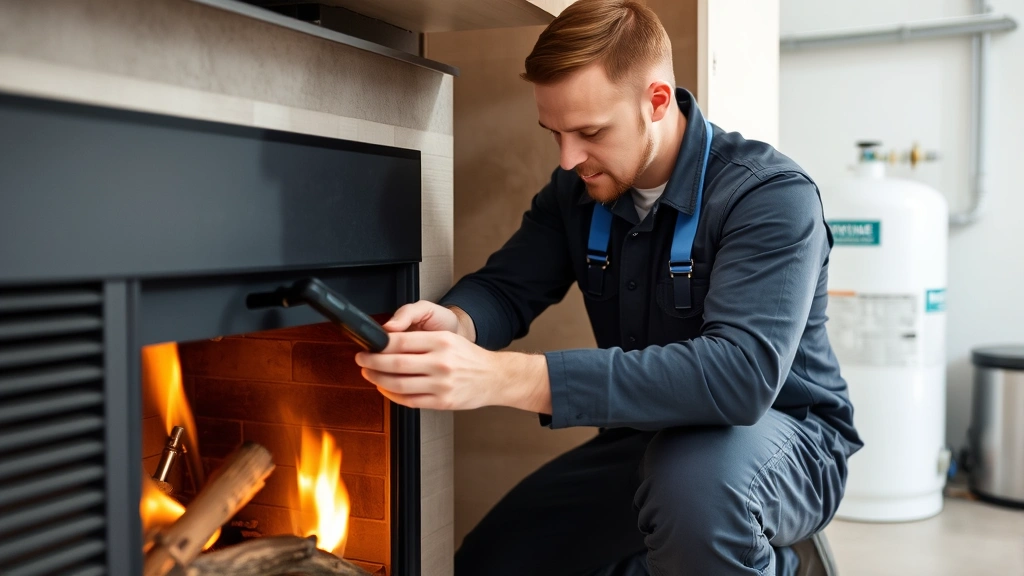
Maintenance and Regular Inspections significantly impact efficiency. A well-maintained propane fireplace operates at peak performance, consuming less fuel while producing more heat. Schedule annual inspections with qualified technicians to ensure proper combustion, clean burners, and verify all safety systems function correctly. Gas fireplace repair services should address any efficiency concerns promptly, as degraded components force your system to work harder.
Optimize Thermostat Settings by establishing lower baseline temperatures and using your fireplace to heat specific zones. Rather than maintaining 72°F throughout your entire home, consider setting central heating to 68°F and using the propane fireplace in your primary living spaces. This zoning strategy can reduce overall energy consumption by 10-15%.
Improve Home Insulation around your fireplace area. Ensure walls surrounding the fireplace don’t have air leaks that allow heated air to escape. Weatherstripping around doors and windows in rooms where you use the fireplace reduces the heating load on your system, requiring less propane consumption.
Use Glass Doors when your fireplace isn’t actively burning. Many propane fireplaces feature optional glass enclosures that prevent room air from being drawn up the chimney during non-use periods. This simple addition can improve your home’s overall thermal efficiency.
Consider Propane Fireplace Inserts if you have an older, inefficient unit. Modern inserts can be installed in existing fireplace openings, upgrading efficiency from 50% to 80% or higher. This retrofit approach costs less than complete replacement while dramatically improving environmental performance.

Installation and Maintenance Considerations
The environmental impact of your propane gas fireplace extends beyond fuel consumption to encompass installation and ongoing maintenance. Professional installation ensures your system operates safely and efficiently, preventing energy waste from improper setup.
Venting Requirements significantly affect installation complexity and efficiency. Direct-vent propane fireplaces draw combustion air from outside and exhaust gases through a sealed pipe, preventing heated indoor air loss. Natural-vent systems draw combustion air from your home and require a traditional chimney, losing substantial heat. Choosing direct-vent designs maximizes efficiency and reduces environmental impact.
Propane Tank Storage and Safety require proper placement and regular maintenance. Underground or well-insulated above-ground tanks minimize temperature fluctuations that can affect fuel pressure and combustion efficiency. Regularly scheduled tank inspections catch leaks early, preventing fuel loss and environmental contamination.
Seasonal Maintenance Tasks include cleaning burners, inspecting ignition systems, and verifying proper gas pressure settings. These routine procedures maintain peak efficiency and prevent safety issues. Many propane suppliers offer maintenance packages that ensure your fireplace receives professional attention throughout its operational life.
Professional Inspection Schedules should occur annually before the heating season begins. Technicians verify combustion efficiency, check for gas leaks, and ensure all safety features function properly. This preventive approach catches efficiency degradation early, maintaining environmental performance throughout your fireplace’s lifespan.
Sustainable Alternatives to Propane Gas Fireplaces
While propane fireplaces offer efficiency advantages over wood-burning alternatives, several other options merit consideration for environmentally conscious homeowners. Evaluating these alternatives helps determine the optimal heating solution for your specific situation and climate.
Electric Fireplaces provide ambiance with zero direct emissions. Modern electric models feature realistic flame effects and heat output comparable to gas fireplaces. However, their environmental benefit depends entirely on your electrical grid’s energy composition. In regions with high renewable energy percentages, electric fireplaces represent superior environmental choices. In coal-dependent regions, propane may prove cleaner.
Heat Pump Technology offers the most efficient heating available today. Air-source heat pumps extract warmth from outside air even in cold climates, moving it indoors with exceptional efficiency. Ground-source (geothermal) heat pumps achieve even higher efficiency ratings. While installation costs exceed propane systems, long-term energy savings and environmental benefits justify the investment for most homeowners.
Biomass Heating Systems using sustainably harvested wood or agricultural waste offer renewable alternatives to fossil fuels. Modern pellet stoves and wood boilers achieve efficiency ratings exceeding 85%, comparable to propane systems. However, biomass heating requires local availability of sustainable fuel sources and produces particulate emissions requiring proper air quality management.
Solar Thermal Heating captures renewable energy directly from the sun, reducing or eliminating fossil fuel heating needs. Combining solar thermal systems with propane backup heating creates a hybrid approach maximizing environmental benefits. This strategy leverages propane’s reliability during extended cloudy periods while minimizing overall fuel consumption.
For comprehensive information on sustainable approaches, explore how to reduce your environmental footprint through integrated home energy strategies. Understanding how heating choices fit within your broader sustainability goals ensures coherent decision-making.
When evaluating alternatives, consider your region’s climate, available fuel sources, and long-term energy plans. A propane fireplace may serve as an excellent interim solution while you plan transitions toward renewable heating technologies. U.S. Department of Energy resources provide detailed comparisons of heating technologies to support your decision-making process.
Frequently Asked Questions
Are propane gas fireplaces truly eco-friendly?
Propane gas fireplaces occupy a middle ground in the eco-friendliness spectrum. They significantly outperform wood-burning fireplaces in efficiency and emissions, typically achieving 70-90% efficiency compared to 10-15% for traditional fireplaces. However, as fossil fuels, propane fireplaces generate greenhouse gas emissions when burned. Their environmental profile improves when used for zone heating rather than whole-home climate control, and when maintained properly to operate at peak efficiency. For maximum eco-friendliness, consider renewable alternatives like heat pumps or solar thermal systems.
How much does a propane fireplace cost to operate annually?
Operating costs depend on propane prices in your region, fireplace usage hours, and efficiency ratings. At average U.S. propane prices around $2.50 per gallon, operating a propane fireplace for 6 hours daily during a 120-day heating season costs approximately $600-$900 annually, assuming 70-80% efficiency and moderate flame settings. Actual costs vary significantly by location and usage patterns. Using a fireplace for zone heating rather than running central heating throughout your home often reduces total heating costs.
What’s the difference between direct-vent and natural-vent propane fireplaces?
Direct-vent fireplaces draw combustion air from outside and exhaust gases through sealed pipes, preventing heated indoor air loss. They achieve 80-90% efficiency and suit homes without existing chimneys. Natural-vent fireplaces require traditional chimneys, draw indoor air for combustion, and lose substantial heat up the chimney, achieving only 50-70% efficiency. Direct-vent systems provide superior environmental performance by minimizing energy waste, though natural-vent options work well in homes with existing chimneys.
Can I convert my wood-burning fireplace to propane?
Yes, propane fireplace inserts can be installed in existing wood-burning fireplace openings. This conversion dramatically improves efficiency from approximately 10-15% to 70-85%, making it an excellent sustainability upgrade. Conversion costs typically range from $1,500-$4,000, significantly less than complete fireplace replacement. The environmental benefits of upgrading from wood to propane include reduced indoor air pollution, eliminated smoke and particulate emissions, and substantially lower fuel consumption.
How does propane heating compare to natural gas in terms of environmental impact?
Propane and natural gas produce similar greenhouse gas emissions per unit of energy generated—approximately 12 kilograms of CO2 per gallon of propane equivalent. The primary difference lies in distribution: natural gas requires pipeline infrastructure, while propane uses portable tanks. For environmental impact assessment, both fuels perform comparably. The choice between them typically depends on regional availability and infrastructure rather than environmental considerations. Both significantly outperform wood-burning alternatives and offer reasonable middle-ground efficiency compared to renewable heating options.
What maintenance practices improve propane fireplace efficiency?
Annual professional inspections ensure optimal combustion and identify efficiency degradation early. Regular burner cleaning removes deposits that reduce heat output. Verifying proper gas pressure settings maintains efficient combustion. Checking door seals and glass surfaces prevents heat loss through air leaks. Using thermostatic controls to maintain minimal flame settings during mild weather reduces fuel consumption. Seasonal maintenance before heating season begins catches potential issues before cold weather arrives. These practices maintain your fireplace at peak efficiency throughout its operational life.
Should I choose a propane fireplace or a heat pump for environmental reasons?
Heat pumps represent the most efficient heating technology available, with seasonal efficiency ratings exceeding 300% in moderate climates. For maximum environmental benefit, heat pumps are superior to propane fireplaces. However, propane fireplaces excel as supplemental heating for specific spaces and offer reliability during extended power outages. An optimal strategy combines heat pump technology with propane fireplace backup heating, leveraging each system’s strengths. This hybrid approach maximizes environmental benefits while ensuring reliable heating throughout the year.


