
Propane vs Natural Gas: Expert Comparison Guide
When it comes to heating, cooking, and powering appliances, homeowners and businesses face a critical decision between propane and natural gas. Both fuels have become integral to modern energy consumption, yet they differ significantly in sourcing, efficiency, cost, and environmental impact. Understanding these distinctions helps you make an informed choice that aligns with your sustainability goals and household needs.
The propane versus natural gas debate extends beyond simple convenience—it touches on energy security, carbon footprint, and long-term financial planning. Whether you’re building a new home, upgrading your heating system, or evaluating your current energy setup, this comprehensive guide provides the insights you need to compare these two popular fossil fuel options effectively.
What Are Propane and Natural Gas?
Propane and natural gas are both hydrocarbon-based fossil fuels that serve as primary energy sources for millions of households and businesses worldwide. Natural gas, primarily composed of methane, is extracted from underground deposits and delivered through extensive pipeline networks. This infrastructure has been developed over decades, making natural gas widely accessible in urban and suburban areas across North America.
Propane, conversely, is a byproduct of crude oil refining and natural gas processing. It’s stored as a liquid under pressure in tanks, offering flexibility for areas without pipeline access. The portability of propane makes it an attractive option for rural properties, mobile homes, and seasonal applications. Both fuels release energy through combustion, but their characteristics—including energy density, storage requirements, and distribution methods—create distinct advantages and limitations for different applications.
Key Differences Between Propane and Natural Gas
Understanding the fundamental differences between these fuels is essential for making the right choice for your property. The distinctions span chemical composition, physical properties, and practical applications that affect everything from installation costs to operational efficiency.
Chemical Composition and Energy Content: Natural gas consists primarily of methane (CH₄), with trace amounts of ethane and other hydrocarbons. Propane (C₃H₈) contains three carbon atoms and eight hydrogen atoms, giving it a higher energy density per unit volume. This means propane delivers approximately 2.5 times more energy per gallon than natural gas, making it more efficient for portable applications and areas with limited infrastructure.
Storage and State: Natural gas remains gaseous at standard temperature and pressure, requiring pipeline infrastructure for delivery. Propane liquefies under moderate pressure, allowing storage in portable tanks ranging from small portable cylinders to large underground reservoirs. This fundamental difference dictates where each fuel can be practically used and how it’s distributed to end users.
Pressure Requirements: Natural gas operates at lower pressures through pipeline systems, while propane requires higher pressure containment. This affects appliance design, installation complexity, and safety protocols. Propane appliances typically operate at pressures between 10 and 20 pounds per square inch, compared to natural gas systems operating at much lower pressures.
Odor and Detection: Natural gas and propane are both naturally odorless. For safety reasons, utility companies add mercaptan—a sulfur-containing compound with a distinctive rotten egg smell—to both fuels. This additive enables users to detect leaks immediately, preventing dangerous accumulations. Understanding this safety feature is crucial for recognizing potential hazards in your home.
Energy Efficiency and Performance
When evaluating sustainable energy solutions, efficiency metrics matter significantly. Both propane and natural gas demonstrate high combustion efficiency in modern appliances, typically ranging from 85% to 95% depending on equipment age and maintenance.
Heating Applications: Propane furnaces and water heaters often achieve slightly higher efficiency ratings than their natural gas counterparts, partly due to propane’s higher energy density. A propane water heater rated at 90% efficiency delivers more usable heat per unit of fuel consumed compared to a natural gas model at the same efficiency percentage. However, modern condensing furnaces using natural gas can approach 98% efficiency, narrowing this advantage.
Cooking Performance: Propane burns hotter than natural gas, reaching approximately 3,596°F compared to natural gas’s 3,000°F flame temperature. Professional chefs often prefer propane for cooking applications because it provides faster heating and more responsive flame control. This performance difference matters for high-heat cooking techniques, though it’s less significant for everyday home cooking.
Appliance Response Time: Propane appliances typically respond faster to temperature adjustments due to its higher pressure and energy density. Natural gas systems, while slightly slower to respond, offer more consistent performance in areas with stable pipeline pressure. The practical difference in home settings is minimal for most users.
Maintenance and cleaning also affect efficiency. Both fuel types require regular furnace and appliance inspections to maintain optimal performance. Annual servicing ensures burners operate cleanly, combustion efficiency remains high, and safety systems function properly. Neglecting maintenance can reduce efficiency by 5-10% over time.
Cost Comparison and Market Factors
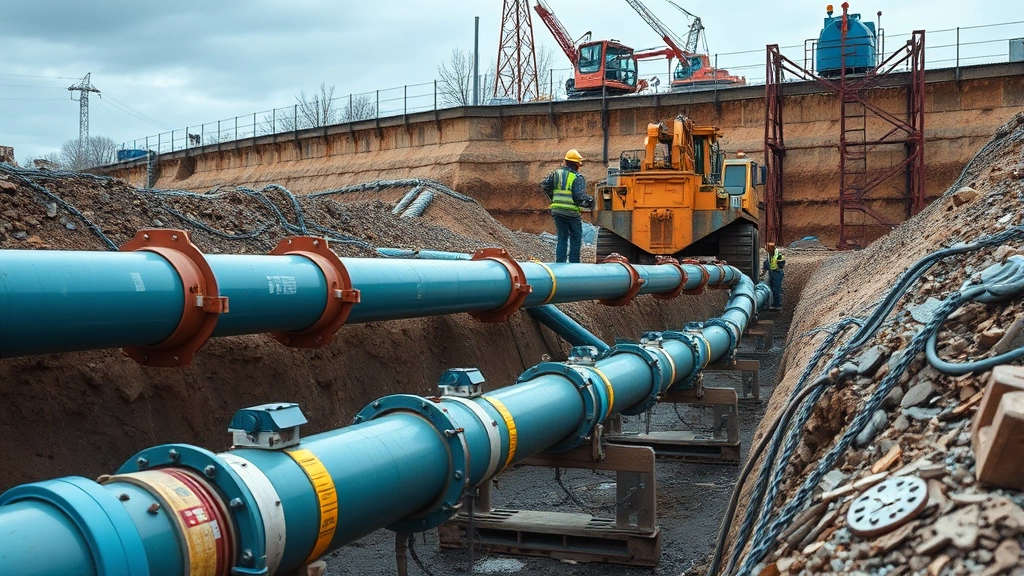
Cost considerations often drive the propane versus natural gas decision, though pricing fluctuates based on market conditions, supply chains, and geographic location. Understanding the cost structure helps you project long-term expenses and calculate return on investment for system conversions.
Fuel Costs: Natural gas typically costs less per unit of energy than propane, averaging $10-15 per million BTU compared to propane’s $15-25 per million BTU in most U.S. markets. However, because propane delivers 2.5 times more energy per gallon, the effective cost difference narrows considerably. A household using propane for heating might spend $1,200-1,800 annually, while natural gas could cost $1,000-1,500 for equivalent heating needs.
Infrastructure and Installation: Natural gas requires pipeline connection, involving significant upfront costs ($3,000-5,000) if your property lacks existing service. Propane systems need only tank installation ($1,500-3,000), making it more affordable for remote properties. However, pipeline connection is a one-time expense, while propane tank maintenance and potential replacement add ongoing costs.
Market Volatility: Propane prices fluctuate more dramatically than natural gas due to smaller market size and seasonal demand spikes during winter. Natural gas prices, while still volatile, benefit from more stable long-term contracts and larger trading volumes. If budget predictability matters to you, natural gas offers more stable pricing patterns.
Bulk Purchase Benefits: Propane users can negotiate better rates by purchasing in bulk during summer months when prices drop. This strategy requires adequate storage capacity but can reduce annual heating costs by 10-15%. Natural gas customers don’t have this flexibility, as they purchase energy as consumed through utility billing.
Environmental Impact and Carbon Emissions
Environmental considerations increasingly influence energy choices. Both propane and natural gas are fossil fuels with carbon footprints, but their environmental impact differs in important ways that align with reducing your environmental footprint.
Carbon Dioxide Emissions: Natural gas produces approximately 120 pounds of CO₂ per million BTU of energy, while propane generates about 140 pounds per million BTU. However, when accounting for propane’s higher energy density, the practical difference per unit of delivered heat is minimal—roughly 15% higher emissions from propane. This distinction matters at scale but is relatively small for individual households.
Methane Leakage: Natural gas infrastructure presents a significant environmental concern through methane leakage. Methane, the primary component of natural gas, is 84-86 times more potent than carbon dioxide over a 20-year period according to EPA data. Pipeline leaks, compressor stations, and distribution system losses release methane directly into the atmosphere, potentially negating some of natural gas’s apparent carbon advantage. Studies suggest 1-2% of natural gas escapes through leakage in distribution systems.
Propane Production and Transport: Propane extraction as a refining byproduct means its production is already accounted for in crude oil processing. However, transporting propane via truck creates transportation emissions. The carbon intensity of propane delivery depends on distance traveled and delivery frequency—rural properties receiving monthly deliveries have higher per-unit transport emissions than those in frequent-delivery zones.
Long-Term Climate Impact: When evaluating climate impact comprehensively, natural gas’s methane leakage problem partially offsets its lower per-BTU emissions. The IPCC emphasizes that reducing natural gas system leakage is crucial for climate goals. Neither fuel represents a sustainable long-term energy solution; both should be viewed as transitional options while transitioning toward renewable energy alternatives.
For the most environmentally conscious households, consider green technology innovations like heat pumps and solar thermal systems that eliminate fossil fuel dependence entirely.
Storage, Delivery, and Infrastructure
The infrastructure supporting each fuel type significantly impacts accessibility, reliability, and convenience for end users. These practical considerations often determine which fuel option works best for your specific location and circumstances.
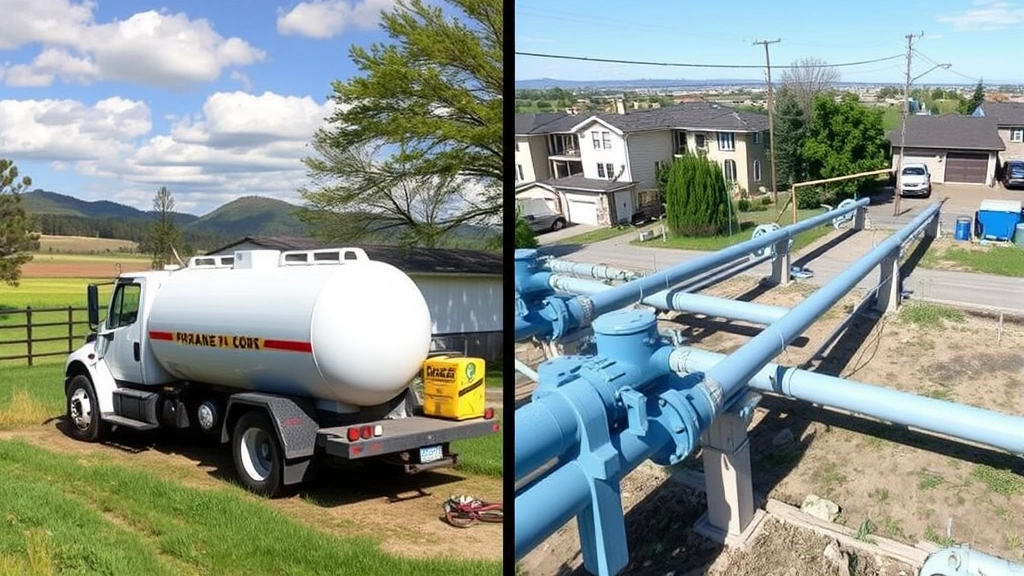
Natural Gas Pipeline Infrastructure: Extensive pipeline networks deliver natural gas directly to homes and businesses in urban and suburban areas. This established infrastructure means service is typically reliable, with minimal interruption. However, rural properties often lack pipeline access, making natural gas unavailable regardless of its advantages. Pipeline infrastructure requires ongoing maintenance and capacity management, and new connections to underserved areas face regulatory and financial barriers.
Propane Delivery Systems: Propane reaches customers through truck delivery, making it accessible virtually anywhere. Delivery frequency varies from monthly to quarterly, depending on consumption and tank size. Properties typically maintain 500-1,000 gallon tanks for residential heating, with automatic delivery triggered when tanks reach 20-25% capacity. This system works well for predictable consumption but requires tank space and regular supplier relationships.
Tank Maintenance and Safety: Propane tanks require periodic inspection and maintenance to ensure safety and longevity. Federal regulations mandate tank inspections every 5-12 years, depending on tank age and type. Underground propane tanks avoid aesthetic concerns but cost more to install and maintain. Above-ground tanks are easier to service but require dedicated yard space.
Supply Chain Resilience: Natural gas supply depends on pipeline integrity and upstream production capacity. Extreme weather can disrupt pipeline operations, and geopolitical factors affect natural gas availability in some regions. Propane supply chains, while dependent on refinery output and transportation, offer more localized flexibility. During severe winters, propane shortages can occur in regions with high demand and limited supply, particularly affecting rural areas.
Safety Considerations
Both fuels present safety considerations that require proper handling, maintenance, and user awareness. Understanding these safety aspects helps you manage risks effectively and respond appropriately to potential hazards.
Leak Detection and Response: The mercaptan additive in both fuels provides reliable leak detection through smell. If you detect gas odor, immediately evacuate the area, avoid using electrical switches or ignition sources, and call your utility company or emergency services from a safe location. Never attempt to locate leaks yourself using flames or other dangerous methods.
Carbon Monoxide Production: Incomplete combustion of either fuel produces carbon monoxide, a colorless, odorless gas that poses serious health risks. Proper appliance venting and regular maintenance prevent carbon monoxide accumulation. Installing carbon monoxide detectors throughout your home provides essential protection. Gas appliances require adequate ventilation and annual professional inspection to ensure safe operation.
Propane-Specific Hazards: Propane’s higher pressure creates unique risks. Tank ruptures or valve failures can cause rapid pressure release and potential explosions. Proper tank installation, regular inspections, and professional servicing mitigate these risks. Propane is also heavier than air, so leaks accumulate at ground level, potentially creating explosive concentrations in low-lying areas.
Natural Gas Safety: Natural gas’s lower density means it rises and disperses more readily than propane. However, natural gas leaks in confined spaces can still create explosive mixtures. Pipeline ruptures, while rare in residential areas, can cause serious incidents. Utility companies continuously monitor pipeline integrity to prevent such occurrences.
Appliance Safety Features: Modern appliances include multiple safety features: automatic shutoff valves, flame failure detection, and pressure regulators. These systems prevent dangerous operation conditions. Older appliances may lack these features, making periodic upgrades important for safety. Professional installation ensures all safety systems function correctly.
Appliance Compatibility and Conversion
Switching between propane and natural gas isn’t always straightforward, as most appliances are designed specifically for one fuel type. Understanding conversion possibilities and limitations helps you plan system changes effectively.
Fuel-Specific Design: Propane and natural gas require different burner orifices, regulators, and valve settings due to their different pressures and energy densities. A propane furnace cannot safely operate on natural gas without modification, and vice versa. Attempting to use the wrong fuel damages equipment and creates safety hazards.
Conversion Kits and Professional Conversion: Many appliances can be converted between fuels using specialized conversion kits available from manufacturers. These kits include new burner components, orifices, and regulators calibrated for the alternative fuel. Professional technicians handle conversions, ensuring proper installation and safety certification. Conversion costs typically range from $300-800 per appliance, depending on complexity.
Appliance Replacement Considerations: For older appliances, conversion may be impractical or uneconomical. Replacing the entire unit with a model designed for your available fuel often makes more sense, especially when upgrading to high-efficiency models. Modern Energy Star-certified appliances offer superior efficiency, lower operating costs, and advanced safety features that justify replacement costs.
Dual-Fuel Appliances: Some appliances, particularly grills and portable heaters, come with dual-fuel capability, allowing operation on either propane or natural gas with simple connection adjustments. However, true dual-fuel home heating systems remain rare due to design complexity and cost considerations.
Regional Availability and Accessibility
Geographic location fundamentally determines which fuel option is practical for your property. Understanding regional availability helps you make decisions aligned with your location’s infrastructure and resources.
Urban and Suburban Access: Most urban and suburban areas have established natural gas infrastructure, making it the default fuel choice. Pipeline networks reach the vast majority of homes in these regions, and competition among natural gas suppliers keeps prices relatively competitive. Propane remains available as an alternative but is less commonly used in areas with pipeline access.
Rural and Remote Properties: Rural properties typically lack natural gas pipeline access, making propane the only fossil fuel heating option available. Some rural areas also lack reliable propane delivery infrastructure, requiring residents to explore alternative energy solutions like renewable energy technologies or electric heating systems. Understanding your area’s propane delivery reliability before committing to propane heating is essential.
Regional Price Variations: Propane prices vary significantly by region based on proximity to refineries, delivery distances, and local competition. Areas served by multiple propane suppliers typically have lower prices than regions with limited supplier options. Natural gas prices also vary regionally but are generally more stable due to pipeline interconnections and larger market sizes.
Seasonal Availability Issues: Winter demand spikes can create propane shortages in some regions, particularly during unusually cold seasons. Natural gas systems, while occasionally strained during extreme cold, rarely experience complete supply shortages in developed areas. If reliable winter heating is critical, this consideration may favor natural gas in regions with history of propane shortages.
Future Infrastructure Development: Some areas are expanding natural gas pipeline networks to previously underserved regions. If pipeline expansion is planned for your area, it may be worth waiting before making long-term propane commitments. Conversely, areas with stable infrastructure are unlikely to see significant changes, making current fuel availability your practical baseline.
FAQ
Is propane or natural gas more efficient?
Both fuels achieve similar efficiency in modern appliances (85-95%), but propane’s higher energy density means it delivers more heat per unit consumed. Propane furnaces often have slightly higher efficiency ratings, though advanced natural gas condensing furnaces can approach 98% efficiency. The practical efficiency difference is minimal for most applications.
Which fuel is cheaper: propane or natural gas?
Natural gas typically costs less per unit of energy, but propane’s higher energy density narrows the gap. Overall heating costs depend on your specific appliances, usage patterns, and local market prices. Natural gas offers more stable pricing, while propane prices fluctuate more seasonally but can be reduced through bulk summer purchases.
Can I convert my appliances from natural gas to propane?
Many appliances can be converted using manufacturer-supplied conversion kits, installed by professional technicians. Conversion costs typically range from $300-800 per appliance. However, older appliances may not be convertible, making replacement more practical.
What is the environmental impact of propane versus natural gas?
Both are fossil fuels with carbon footprints. Propane produces about 15% higher emissions per unit of energy but has no methane leakage concerns. Natural gas has lower per-BTU emissions but loses this advantage through 1-2% leakage in distribution systems. Neither represents a sustainable long-term solution compared to renewable energy alternatives.
Which fuel is safer: propane or natural gas?
Both fuels are safe when properly installed, maintained, and used. Natural gas is slightly safer due to its lower density and better dispersal characteristics, while propane’s higher pressure presents unique risks. Both require proper venting, regular maintenance, and carbon monoxide detection for safe operation.
Is propane available in my area?
Propane is available virtually everywhere through truck delivery systems, making it accessible even in remote areas. However, delivery frequency and supplier availability vary regionally. Contact local propane suppliers to confirm service availability and delivery schedules for your specific location.
What’s the best fuel choice for my home?
If natural gas pipeline access is available, it typically offers the best combination of cost, convenience, and stability. For rural properties without pipeline access, propane is usually the practical choice. For the most environmentally conscious option, consider exploring alternatives to natural gas and propane like heat pumps, electric heating, or solar thermal systems that eliminate fossil fuel dependence.


