
Is Questar Gas Sustainable? Analysis & Insights
Questar Gas, now operating under the Dominion Energy umbrella, serves over 900,000 customers across Utah and Wyoming with natural gas distribution. As environmental consciousness grows and climate concerns intensify, questions about the sustainability of traditional gas utilities have become increasingly important. Understanding whether Questar Gas aligns with modern sustainability standards requires examining their environmental practices, carbon footprint, renewable energy initiatives, and commitment to transitioning toward cleaner energy solutions.
The natural gas industry faces significant scrutiny regarding its environmental impact. While natural gas produces fewer emissions than coal or oil when burned, it remains a fossil fuel with inherent sustainability challenges. Methane leakage throughout the distribution network, extraction impacts, and the industry’s overall contribution to greenhouse gas emissions raise legitimate concerns. This comprehensive analysis explores Questar Gas’s sustainability credentials, operational practices, and future direction in an era demanding urgent climate action.

Questar Gas Overview and Market Position
Questar Gas operates as a regulated utility providing natural gas service to residential, commercial, and industrial customers throughout Utah and southwestern Wyoming. The company has been serving communities since the late 1800s and maintains a network of approximately 24,000 miles of distribution pipelines. As part of Dominion Energy, one of the largest energy companies in North America, Questar Gas benefits from corporate resources while maintaining regional operational autonomy.
The utility’s customer base reflects the growing populations in the Mountain West region, with particular concentration in the Salt Lake City metropolitan area and surrounding communities. Questar Gas’s business model depends on continued natural gas consumption, which creates inherent tensions with sustainability goals. However, as a regulated utility, the company operates under oversight from state regulatory commissions that increasingly consider environmental factors in rate decisions and operational approvals.
Understanding Questar Gas’s sustainability requires acknowledging its role within the broader energy landscape. Natural gas serves as a bridge fuel in many energy transition strategies, offering lower carbon emissions than coal while renewable energy infrastructure develops. However, critics argue that investing heavily in gas infrastructure locks in fossil fuel dependence for decades, potentially delaying transition to truly sustainable energy sources.
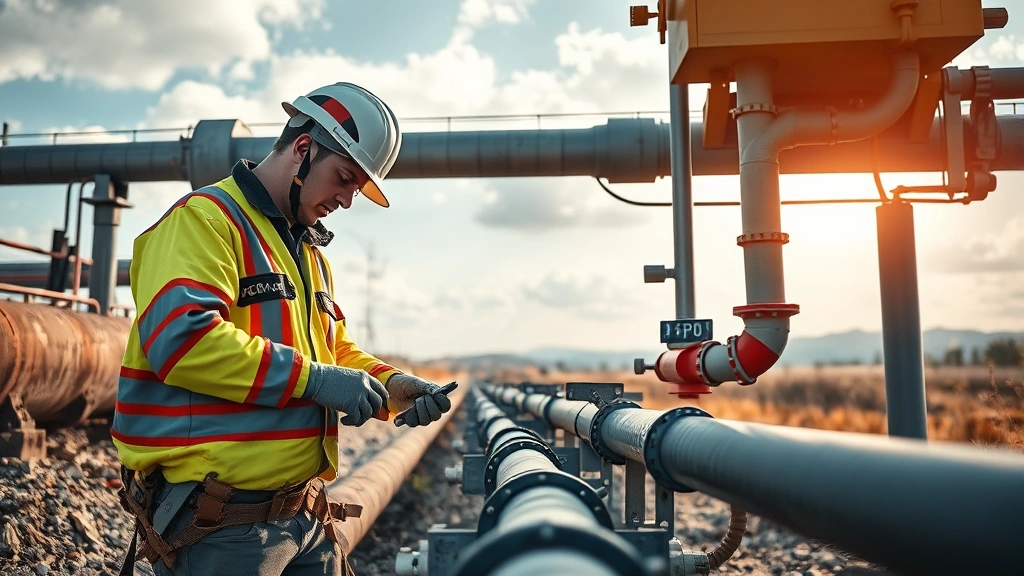
Environmental Impact Assessment
The environmental impact of Questar Gas operations encompasses multiple dimensions: direct emissions from gas combustion by customers, fugitive methane emissions from pipeline infrastructure, operational emissions from company vehicles and facilities, and indirect impacts from extraction and production. Natural gas is not renewable, and its extraction involves significant environmental considerations including water usage, land disturbance, and potential groundwater contamination.
Natural gas combustion produces carbon dioxide and water vapor as primary products, with natural gas generating approximately 50 percent fewer carbon emissions than coal per unit of energy produced. However, this relative advantage diminishes when considering methane emissions throughout the supply chain. Methane possesses a global warming potential approximately 25-28 times greater than carbon dioxide over a 100-year period, making methane leakage a critical sustainability concern.
Questar Gas’s distribution operations contribute to overall emissions in multiple ways. Pipeline maintenance activities, compressor stations, and regulator stations all represent potential emission sources. The company’s vehicle fleet, office facilities, and operational infrastructure generate additional carbon emissions. While these direct operational emissions represent a smaller percentage than customer-side combustion, they remain relevant to overall sustainability assessment.
Sustainability Initiatives and Programs
Questar Gas has implemented various sustainability initiatives aimed at reducing environmental impact and supporting customer conservation efforts. The company operates energy efficiency programs designed to help customers reduce natural gas consumption through appliance upgrades, insulation improvements, and behavioral changes. These programs align with broader state energy efficiency mandates and represent one avenue through which the utility contributes to sustainability goals.
Dominion Energy’s corporate sustainability commitments influence Questar Gas operations. The parent company has established goals including reducing greenhouse gas emissions intensity and investing in renewable energy infrastructure. However, critics note that these commitments often focus on electricity generation rather than gas distribution operations, which receive less prominent attention in corporate sustainability reporting.
The company participates in industry associations and collaborative efforts aimed at improving natural gas sector sustainability. Engagement with organizations focused on methane emission reduction and pipeline safety demonstrates acknowledgment of sustainability concerns. However, the extent to which these efforts translate into meaningful operational changes remains subject to debate among environmental advocates.
Energy efficiency programs represent Questar Gas’s most direct sustainability contribution. By helping customers reduce consumption, the utility achieves multiple objectives: lower customer bills, reduced system-wide demand, decreased emissions, and improved customer satisfaction. These programs often include rebates for high-efficiency appliances, weatherization assistance, and educational resources about energy conservation.
Methane Emissions and Leak Detection
Methane leakage from natural gas distribution systems represents a significant sustainability challenge across the industry. Studies have documented that actual methane emissions from gas utilities often exceed official estimates, with some research suggesting leak rates double or triple reported figures. This “methane gap” undermines the climate benefits of natural gas relative to other fossil fuels and raises questions about utility sustainability claims.
Questar Gas has invested in leak detection and repair programs designed to minimize fugitive emissions from its distribution network. The company utilizes various technologies including infrared cameras, electronic sensors, and mobile detection equipment to identify leaks. Repair protocols prioritize hazardous leaks affecting customer safety while addressing non-hazardous leaks on longer timelines, which raises sustainability questions about prioritization.
The regulatory environment influences methane emission management practices. State commissions increasingly require utilities to report emissions data and establish reduction targets. However, regulatory standards vary significantly, and enforcement mechanisms remain inconsistent. Questar Gas operates under Utah and Wyoming regulatory oversight, with differing standards and requirements across these jurisdictions.
Recent research from universities and environmental organizations has documented significant methane emissions from distribution networks in the Questar Gas service territory. These findings suggest that current leak detection and repair efforts may not fully address the sustainability challenge posed by methane emissions. Advocates argue for more aggressive leak reduction targets and accelerated repair timelines.
Renewable Energy Integration
Unlike electric utilities that can integrate renewable electricity sources, natural gas utilities face inherent challenges in transitioning toward renewable fuels. However, renewable natural gas (RNG) and green hydrogen represent emerging alternatives that gas utilities could potentially incorporate into their business models. Questar Gas has shown limited engagement with these emerging technologies compared to some peer utilities.
Sustainable energy solutions increasingly include renewable gas alternatives that could complement or eventually replace conventional natural gas. Renewable natural gas, derived from organic waste sources, can be injected into existing pipeline infrastructure and utilized by current customers without appliance modifications. Green hydrogen, produced through electrolysis using renewable electricity, represents another potential pathway toward decarbonization.
Dominion Energy has initiated limited renewable gas projects in other service territories, demonstrating corporate awareness of this technology pathway. However, Questar Gas has not prominently featured renewable gas integration in its sustainability communications or operational plans. This suggests either limited near-term commitment or uncertainty about economic viability in the company’s service territories.
The sustainability case for renewable gas depends on multiple factors including feedstock sourcing, production methods, and lifecycle emissions. While renewable gas offers potential advantages over conventional natural gas, it remains more expensive and available in limited quantities. Scaling renewable gas to meaningful levels would require significant investment and infrastructure development.
Comparing Questar to Industry Standards
Assessing Questar Gas’s sustainability requires context comparing the company to industry peers and established standards. The natural gas utility sector has increasingly adopted sustainability frameworks and reporting standards, though implementation varies widely. Some utilities have established ambitious emissions reduction targets, while others maintain more limited commitments.
Industry benchmarks for methane emissions, energy efficiency program investment, and renewable energy integration provide reference points for evaluation. Utilities in regions with strong climate policies, such as California and the Northeast, have generally adopted more aggressive sustainability measures than utilities in less regulated markets. Questar Gas’s operations in Utah and Wyoming, regions with moderate climate policy activity, reflect this pattern of less aggressive sustainability commitments compared to utilities in more environmentally progressive states.
The EPA’s Natural Gas STAR Program provides a framework for evaluating utility sector methane reduction efforts. Participation in this voluntary program indicates commitment to emissions reduction, though critics argue that voluntary standards lack the enforcement mechanisms necessary for meaningful environmental impact. Questar Gas’s participation status and performance metrics within this program reflect its positioning relative to industry leaders.
Peer utilities operated by comparable companies show varying sustainability commitments. Some have established science-based emissions reduction targets aligned with climate science recommendations, while others maintain business-as-usual operational approaches. Questar Gas’s sustainability profile places it in the moderate range, with meaningful programs but not among the most aggressive in the industry.
Customer Sustainability Options
Questar Gas customers interested in reducing their environmental impact have several options, though limitations exist regarding the utility’s direct offerings. Reducing your environmental footprint as a gas customer involves multiple strategies beyond utility programs, including personal consumption choices and engagement with broader energy transitions.
Energy efficiency improvements represent the most direct pathway for customers seeking sustainability. Questar Gas rebate programs support weatherization, appliance upgrades, and HVAC system improvements that reduce natural gas consumption. These investments deliver financial returns through lower bills while reducing environmental impact. Customers should investigate available rebates and incentives before undertaking efficiency projects.
Customers interested in more substantial sustainability impacts face limited options within the Questar Gas system. Transitioning away from natural gas toward electric heating and cooking, powered by renewable electricity, represents a more meaningful decarbonization pathway. However, this transition requires significant upfront investment and coordination with electricity providers to ensure renewable energy sources.
Advantages of electric vehicles extend beyond transportation to include home heating and cooking electrification. Heat pump technology, which efficiently transfers heat rather than generating it through combustion, represents an increasingly viable alternative to natural gas heating. As electricity grids incorporate more renewable energy, electrification becomes increasingly attractive from sustainability perspectives.
Customers can advocate for utility policy changes through regulatory commission proceedings and public engagement. Rate case filings, integrated resource plans, and sustainability initiatives all provide opportunities for customer input regarding utility priorities and practices. Organized consumer groups and environmental advocates increasingly participate in these regulatory processes to influence utility decision-making.
Future Sustainability Roadmap
Questar Gas faces significant long-term sustainability challenges related to its fundamental business model. As climate imperatives intensify and renewable energy becomes increasingly cost-competitive, natural gas utilities must navigate declining demand scenarios and evolving regulatory requirements. The company’s future sustainability depends on strategic choices regarding renewable gas integration, customer electrification support, and business model evolution.
Natural gas news regularly covers utility sector transitions and emerging sustainability challenges. Industry observers anticipate continued evolution in utility business models as electrification accelerates and renewable energy dominates new generation capacity. Utilities that proactively embrace these transitions may position themselves more favorably than those resisting change.
Dominion Energy’s corporate strategy will significantly influence Questar Gas’s sustainability trajectory. The parent company’s capital allocation decisions, sustainability commitments, and strategic investments determine available resources for emissions reduction and renewable energy development. Recent corporate announcements suggest increasing focus on renewable energy and electrification, though gas utilities remain important revenue sources.
Regulatory developments in Utah and Wyoming will shape Questar Gas’s sustainability requirements and incentives. State commissions increasingly incorporate climate and sustainability considerations into utility oversight, though less aggressively than in some other regions. Future regulatory evolution could mandate more aggressive emissions reduction targets, renewable gas integration requirements, or support for customer electrification.
International Energy Agency methane tracking and global climate commitments create external pressure for utility sector transformation. As nations implement stronger climate policies and methane regulations, utilities operating in multiple jurisdictions face pressure to adopt more stringent standards across all operations. This global context influences even regional utilities like Questar Gas.
The sustainability outlook for natural gas utilities remains uncertain and contested. Optimistic scenarios emphasize renewable gas and hydrogen pathways toward continued utility relevance under decarbonized systems. Pessimistic scenarios project declining gas demand, stranded infrastructure investments, and utility sector disruption. Questar Gas’s future sustainability depends on effectively navigating this uncertain landscape while serving customers’ energy needs responsibly.
Comparative Renewable Energy Transition
Green technology innovations are fundamentally transforming energy systems worldwide, creating both opportunities and challenges for traditional utilities. Questar Gas must adapt to this transformation by supporting customer transitions toward renewable energy sources and developing business models aligned with decarbonized energy systems.
Electric heating technologies, particularly heat pumps, have advanced dramatically in recent years and now offer competitive performance in cold climates like those in Utah and Wyoming. These technologies represent genuine sustainability alternatives to natural gas heating when powered by renewable electricity. Questar Gas could support customer transitions toward electrification as part of comprehensive sustainability strategy, though this approach conflicts with traditional utility incentives to maximize gas sales.
Building electrification represents a critical pathway toward achieving climate goals in developed nations. Replacing natural gas heating, cooking, and water heating with electric alternatives powered by renewable electricity offers substantial emissions reductions. Some progressive utilities have begun supporting customer electrification as part of long-term sustainability positioning, recognizing that business model evolution serves both environmental and financial interests.
The U.S. Department of Energy heat pump resources provide information about emerging heating technologies relevant to customers in Questar Gas service territories. Federal incentives for heat pump installation and electrification have expanded significantly, making these technologies increasingly accessible to residential customers. Questar Gas customers should investigate available incentives when considering heating system replacements.
Stakeholder Perspectives and Criticisms
Environmental advocates frequently criticize natural gas utilities, including Questar Gas, for insufficient sustainability commitments and continued infrastructure investment that locks in fossil fuel dependence. Critics argue that utility resources directed toward gas system expansion could more effectively support renewable energy development and building electrification. This perspective emphasizes that true sustainability requires fundamental business model transformation rather than incremental efficiency improvements.
Conversely, utility representatives and industry advocates emphasize the role of natural gas in reliable energy systems and economic development. They highlight natural gas advantages relative to coal and oil, and emphasize ongoing investments in safety, reliability, and emissions reduction. This perspective views gradual transition supported by renewable gas and efficiency improvements as more practical than rapid system transformation.
Regulatory commissions balance competing interests between utility financial viability, customer affordability, and environmental protection. This complex balancing act influences decisions regarding utility sustainability requirements and incentives. Questar Gas’s sustainability profile reflects regulatory expectations in its service territories, which remain less stringent than in some other regions.
Customers hold diverse perspectives on utility sustainability, ranging from strong environmental commitment to prioritization of reliability and affordability. Questar Gas must serve this diverse customer base while navigating evolving sustainability expectations. Transparent communication about environmental performance and available sustainability options helps customers make informed decisions aligned with their values.
Methane Emissions and Climate Impact
The climate impact of Questar Gas operations depends significantly on methane emissions throughout the distribution system. Recent research has revealed that methane emissions from gas utilities often exceed official estimates, with implications for climate impact calculations. Studies conducted in similar geographic and climate regions suggest that Questar Gas system emissions may be substantial.
Methane’s powerful warming potential means that relatively small percentage reductions in leak rates can deliver significant climate benefits. Investments in leak detection, pipe replacement, and system modernization represent cost-effective climate mitigation opportunities. However, economic incentives for utilities may not fully align with climate imperatives, creating tension between profit maximization and environmental responsibility.
Life cycle assessment studies comparing natural gas to alternative energy sources reveal that methane emissions significantly impact relative climate performance. When methane emissions are accurately accounted for, natural gas advantages over coal diminish considerably. This finding underscores the importance of aggressive methane management programs as essential components of any utility sustainability strategy.
Questar Gas customers concerned about climate impact should consider that their gas consumption contributes not only direct combustion emissions but also fugitive methane emissions throughout the distribution system. Reducing consumption through efficiency improvements or transitioning to alternative energy sources delivers climate benefits beyond direct emissions reductions.
FAQ
Is Questar Gas a renewable energy company?
No, Questar Gas is not a renewable energy company. The utility distributes natural gas, which is derived from fossil fuel sources. While natural gas produces fewer emissions than coal or oil when burned, it is not renewable. The company does not primarily generate renewable energy, though parent company Dominion Energy operates significant renewable electricity generation in other service territories.
What sustainability programs does Questar Gas offer?
Questar Gas offers energy efficiency rebate programs that help customers reduce natural gas consumption through appliance upgrades, weatherization improvements, and HVAC system enhancements. These programs represent the utility’s primary direct sustainability contribution. The company also participates in industry associations focused on methane reduction and operational safety.
How does Questar Gas compare to other utilities on sustainability?
Questar Gas maintains moderate sustainability commitments compared to industry peers. The company is less aggressive than utilities in regions with strong climate policies but more engaged than some utilities in less regulated markets. Specific comparisons depend on metrics examined, including methane emissions, renewable energy integration, and energy efficiency investment levels.
Can Questar Gas customers use renewable natural gas?
Questar Gas does not currently offer renewable natural gas to customers as a standard service option. While the technology exists to blend renewable gas into distribution systems, the utility has not implemented widespread programs. Individual customers should contact the company directly to inquire about any pilot programs or emerging options.
What should customers do to reduce their environmental impact?
Customers can reduce environmental impact by participating in Questar Gas energy efficiency programs, improving home insulation, upgrading to high-efficiency appliances, and considering electrification technologies like heat pumps. Longer-term, transitioning away from natural gas toward renewable electricity-powered alternatives represents the most substantial sustainability pathway.
Does Questar Gas report on methane emissions?
Questar Gas reports methane emissions data as required by regulatory commissions and corporate sustainability frameworks. However, reported emissions may not fully capture actual fugitive emissions from the distribution system. Customers and advocates should review available emissions reports and compare reported figures to independent research estimates.


