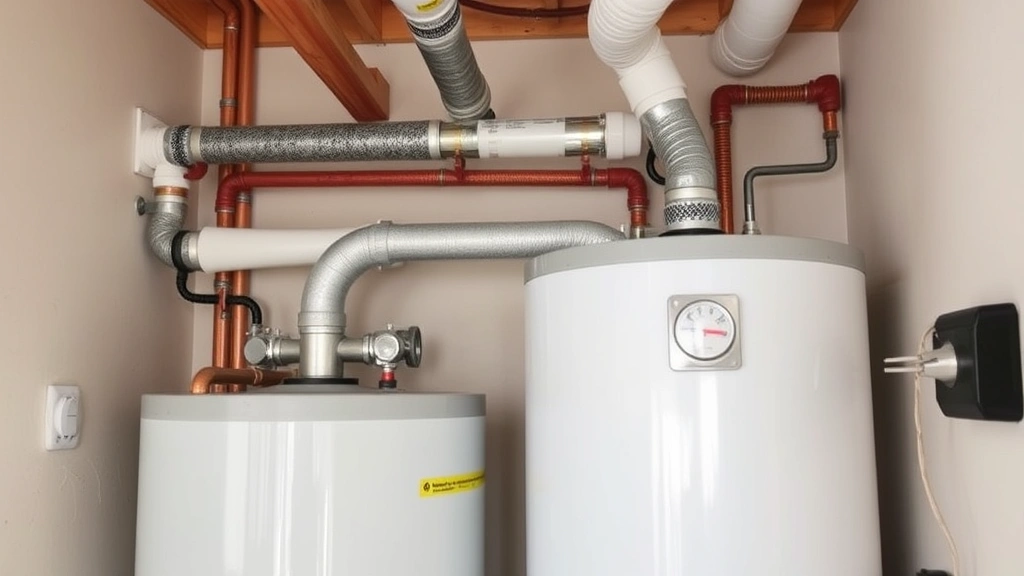
Is Rheem Eco-Friendly? 40-Gallon Gas Water Heater Review
When it comes to choosing a water heater for your home, the decision extends far beyond simple functionality. Today’s environmentally conscious consumers are asking critical questions about energy efficiency, carbon footprint, and long-term sustainability impact. The Rheem 40-gallon gas water heater has emerged as a popular choice in the market, but does it truly align with eco-friendly principles? This comprehensive review examines whether this widely-used appliance deserves a place in sustainable homes and what alternatives might better serve your environmental goals.
Water heating accounts for approximately 17-25% of residential energy consumption in American households, making it one of the largest energy expenses after heating and cooling. Understanding the ecological implications of your water heater choice is essential for anyone committed to reducing their environmental impact. We’ll explore Rheem’s offerings, their efficiency ratings, manufacturing practices, and how they compare to other sustainable options available today.
Rheem Brand Overview and Sustainability Commitment
Rheem Manufacturing Company, headquartered in Atlanta, Georgia, has been in the HVAC and water heating business for over a century. As one of North America’s leading manufacturers of heating and cooling equipment, Rheem serves millions of households and commercial properties. The company’s sustainability narrative has evolved significantly in recent years, though questions remain about the depth of their environmental commitments compared to emerging competitors.
The brand positions itself as committed to energy efficiency and environmental responsibility, publishing sustainability reports and investing in research and development for more efficient systems. However, like many established manufacturers, Rheem’s eco-friendly credentials are mixed. While they produce some genuinely efficient models, they also continue manufacturing conventional units that don’t represent cutting-edge sustainability. Understanding this nuance is crucial for making an informed decision about whether a Rheem 40-gallon gas water heater aligns with your values.
Rheem’s parent company, Paloma Industries Limited, operates across multiple continents and has made public commitments to reducing carbon emissions. Yet the company’s overall environmental footprint remains substantial given the scale of manufacturing operations. For homeowners serious about sustainability principles, it’s important to evaluate whether Rheem’s products represent the best available options or simply meet minimum efficiency standards.
Energy Efficiency Ratings and Performance Metrics
The Rheem 40-gallon gas water heater typically achieves an Energy Factor (EF) rating between 0.59 and 0.65, depending on the specific model. The Energy Factor measures how efficiently a water heater converts fuel into hot water, with higher numbers indicating better performance. For context, standard gas water heaters generally range from 0.50 to 0.70 EF, placing Rheem models in the middle-to-upper range of conventional gas heaters.
This efficiency level translates to approximately 9,500-10,000 kilowatt-hours of natural gas consumption annually for an average household. While this represents reasonable efficiency for a gas-powered system, it’s important to understand that gas water heaters inherently produce greenhouse gas emissions through combustion. The efficiency improvement compared to older models is meaningful but shouldn’t obscure the fundamental carbon cost of natural gas consumption.
Rheem’s Performance line includes models with improved insulation and burner technology that can achieve slightly better efficiency ratings. Some models feature condensing technology, which captures heat from exhaust gases to preheat incoming water, significantly improving efficiency. However, these premium models represent a smaller portion of Rheem’s overall product lineup and come at substantially higher price points.
When evaluating sustainable energy solutions, it’s crucial to recognize that EF ratings alone don’t capture the complete environmental picture. The source of the energy matters significantly—natural gas produces roughly half the carbon emissions of coal but substantially more than renewable electricity.
Environmental Impact of Gas Water Heaters
Natural gas water heaters present a fundamental environmental challenge that efficiency improvements can only partially mitigate. When natural gas combusts, it releases carbon dioxide and methane, both potent greenhouse gases. A typical 40-gallon gas water heater produces approximately 3-4 metric tons of CO2 equivalent annually, depending on usage patterns and efficiency ratings.
Beyond direct combustion emissions, there are upstream environmental costs associated with natural gas extraction, processing, and distribution. Methane leakage during these stages represents a significant climate concern, as methane traps heat 25-28 times more effectively than CO2 over a 100-year period. The full lifecycle carbon footprint of a gas water heater often exceeds what manufacturers highlight in their marketing materials.
For homeowners genuinely committed to reducing their environmental footprint, this reality presents a challenging decision point. While a Rheem 40-gallon gas water heater represents a reasonable choice compared to older, less efficient models, it’s not the most eco-friendly solution available. The environmental credentials of gas water heaters improve when paired with renewable electricity sources for backup heating or when installed in regions with cleaner natural gas supplies, but these scenarios remain relatively uncommon.
The manufacturing process for gas water heaters also carries environmental costs. Steel production, insulation materials, and component manufacturing all require energy inputs and generate emissions. Rheem’s manufacturing facilities operate under various environmental regulations, but transparency about specific emissions from production processes remains limited.
Rheem 40-Gallon Model Features and Specifications
Rheem’s 40-gallon gas water heater lineup includes several models targeting different consumer segments. The Classic and Performance series represent the primary options, with the Classic line offering basic reliability and the Performance line featuring enhanced efficiency and durability features. Tank capacity of 40 gallons suits small-to-medium households, providing adequate hot water for 2-4 people with typical usage patterns.
Standard features across most Rheem 40-gallon models include:
- Six-year or ten-year limited warranties depending on the model tier
- Automatic gas shut-off valve for safety
- Glass-lined steel tank with magnesium anode rod for corrosion protection
- Thermostat controls with adjustable temperature settings
- Durable stainless steel or powder-coated exterior finish
- Energy Guide labels displaying estimated annual operating costs
The Performance Plus models incorporate additional features such as enhanced insulation, improved burner design, and electronic ignition systems that eliminate pilot light waste. These upgrades contribute to the improved EF ratings mentioned earlier, though they also increase the purchase price significantly.
Installation requirements are relatively straightforward for gas water heaters, though proper venting of combustion gases is essential. Rheem provides detailed installation guidelines, and professional installation is strongly recommended to ensure safety and warranty compliance. The lifespan of a typical Rheem 40-gallon gas water heater is 8-12 years with proper maintenance, which is consistent with industry standards.
Manufacturing and Materials Sustainability
Examining how Rheem manufactures their water heaters reveals mixed sustainability performance. The company operates manufacturing facilities in multiple locations, including the United States, Mexico, and other regions. While Rheem has implemented some environmental management systems and efficiency improvements in manufacturing operations, comprehensive sustainability data remains limited in public disclosures.
The primary materials in a Rheem 40-gallon gas water heater include:
- Steel tank – Requires significant energy to produce; recycled content varies by model
- Insulation – Typically polyurethane foam; environmental impact depends on manufacturing processes and end-of-life handling
- Brass and copper components – Highly recyclable materials with established recovery systems
- Glass lining – Provides corrosion protection; environmental impact limited during use phase
- Anode rod – Usually magnesium; sacrificial component requiring eventual replacement
Rheem has made some progress toward using more sustainable materials and processes, but the company lags behind leaders in green technology innovations. The water heater industry as a whole has been slow to adopt circular economy principles, and Rheem’s recycling programs for end-of-life units remain underdeveloped compared to best practices in other industries.
The company’s manufacturing facilities have achieved some certifications and environmental compliance standards, but independent verification of comprehensive sustainability practices is limited. For consumers prioritizing manufacturing ethics and environmental responsibility, Rheem’s transparency could be substantially improved.
Comparing Rheem to Alternative Water Heating Solutions
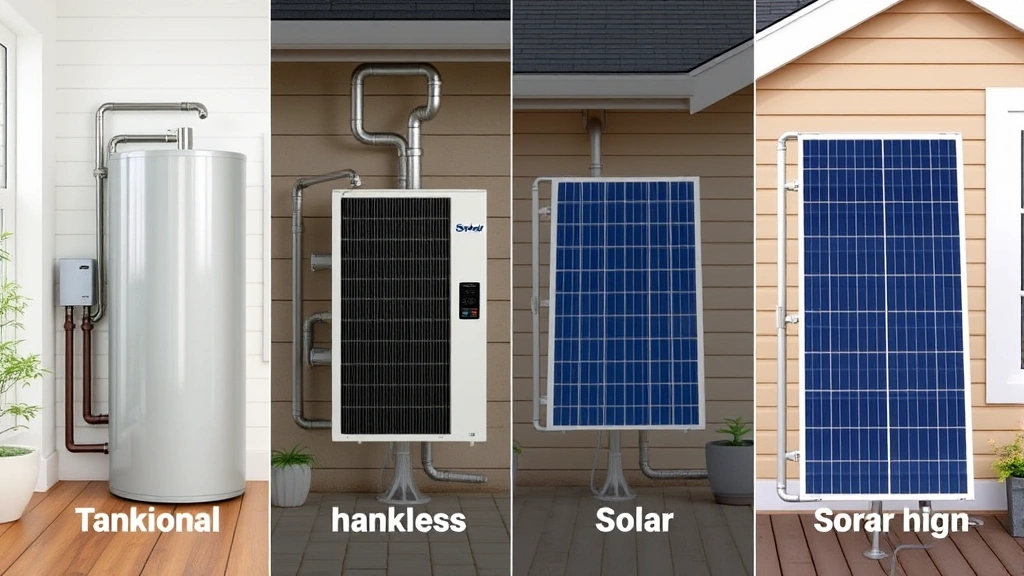
To properly assess whether a Rheem 40-gallon gas water heater is eco-friendly, comparison with alternatives is essential. Several options exist that may better serve sustainability goals, each with distinct advantages and trade-offs.
Heat Pump Water Heaters: These systems use electricity to move heat from the surrounding air or ground into the water, achieving efficiency ratings of 2.0-3.5 EF or higher. While they cost more upfront and require adequate space for installation, heat pump water heaters reduce energy consumption by 50-60% compared to conventional gas units. When powered by renewable electricity, they offer substantially lower carbon footprints than gas alternatives.
Solar Water Heaters: Systems that capture thermal energy directly from sunlight can meet 50-80% of hot water needs depending on climate and installation quality. While requiring significant upfront investment and roof space, solar water heaters produce zero operational emissions and provide excellent long-term cost savings. However, they typically require backup heating systems for cloudy periods and winter months.
Tankless Gas Water Heaters: These on-demand systems heat water as needed rather than maintaining a tank at constant temperature. They can achieve EF ratings of 0.82-0.94, representing substantial efficiency improvements over traditional tanks. However, they still rely on natural gas combustion and may not be suitable for households with high simultaneous hot water demands.
Electric Resistance Water Heaters: Standard electric water heaters have similar efficiency ratings to gas models but produce zero direct emissions. When powered by renewable electricity sources, they offer comparable carbon footprints to heat pumps at lower upfront costs, though they consume more energy overall.
For homeowners considering these alternatives while evaluating Rheem’s offerings, the choice depends on several factors: available space, climate conditions, electricity grid composition, natural gas availability, budget constraints, and long-term residency plans. A Rheem 40-gallon gas water heater may be the most practical choice for some situations, but it’s rarely the most eco-friendly option when alternatives are feasible.
Installation and Long-Term Environmental Considerations
The environmental impact of a water heater extends beyond its operational efficiency to include installation practices and end-of-life disposal. Professional installation of a Rheem 40-gallon gas water heater is strongly recommended to ensure proper venting, gas line connections, and safety compliance. Improper installation can reduce efficiency and create safety hazards.
During installation, several environmental considerations arise:
- Venting requirements – Proper exhaust venting ensures combustion gases exit safely; improper venting reduces efficiency
- Insulation of hot water pipes – Additional insulation reduces heat loss and energy waste during water distribution
- Thermostat settings – Setting appropriate temperatures (120-125°F) balances comfort and energy efficiency
- Integration with other systems – Coordinating with home insulation, HVAC systems, and renewable energy installations optimizes overall efficiency
The lifespan of a Rheem 40-gallon gas water heater is typically 8-12 years under normal conditions. Regular maintenance extends this period and maintains efficiency, while neglect accelerates degradation and increases energy consumption. Annual flushing to remove sediment buildup is recommended to maintain optimal performance.
End-of-life disposal presents another environmental consideration. The steel tank, copper components, and brass fittings are recyclable, but most water heaters end up in landfills. Rheem has not established comprehensive take-back or recycling programs, leaving disposal responsibility primarily to consumers and installers. This represents a missed opportunity for closing the material loop and reducing manufacturing demands for new units.
Cost-Benefit Analysis for Eco-Conscious Homeowners
Evaluating whether a Rheem 40-gallon gas water heater makes sense requires balancing upfront costs, operational expenses, environmental impact, and long-term value. A typical Rheem 40-gallon gas water heater costs $400-800 for the unit itself, with professional installation adding $300-500 depending on local labor rates and existing infrastructure.
Annual operating costs depend on regional natural gas prices and household hot water consumption. For an average household, annual operating costs typically range from $200-350. Over a 10-year lifespan, this translates to $2,000-3,500 in fuel costs alone, substantially exceeding the initial purchase price.
When comparing to alternatives:
- Heat pump water heaters cost $1,200-2,500 installed but reduce annual operating costs to $100-200, paying for themselves in 7-10 years while reducing carbon emissions by 50%+
- Solar water heaters require $3,000-8,000 investment but can virtually eliminate water heating costs in sunny climates, with 25-30 year operational lifespans
- Tankless gas units cost $1,000-2,500 installed with slightly lower operating costs than traditional tanks but limited efficiency gains
For homeowners with 5+ year residency plans and access to electricity-based alternatives, the long-term financial and environmental benefits of heat pump or solar systems typically outweigh the lower upfront costs of a gas water heater. However, for renters, temporary situations, or homes without adequate space for alternatives, a Rheem 40-gallon gas water heater represents a practical, middle-ground solution.
Combining a gas water heater with other sustainable energy practices can improve overall environmental performance. Installing a smart thermostat, improving home insulation, reducing hot water consumption through low-flow fixtures, and eventually transitioning to renewable electricity sources all complement any water heating choice.
Frequently Asked Questions
Is Rheem a sustainable company?
Rheem has made commitments to sustainability and efficiency improvements, but their practices are mixed. While they produce some efficient models, the company hasn’t achieved leadership status in environmental responsibility compared to specialized green manufacturers. Their transparency regarding manufacturing emissions and end-of-life recycling programs remains limited.
How does a Rheem 40-gallon gas water heater compare to electric models?
Gas models typically achieve slightly lower Energy Factor ratings than electric resistance heaters but operate more efficiently in regions with high electricity costs. However, electric heat pump water heaters substantially outperform both gas and conventional electric models. The environmental comparison depends heavily on the electricity grid’s energy sources in your region.
Can I improve the efficiency of my existing Rheem 40-gallon water heater?
Yes, several measures can improve efficiency without replacement: insulating the hot water tank and pipes, lowering the thermostat to 120°F, installing low-flow showerheads and faucet aerators, fixing leaks promptly, and flushing sediment annually. These actions reduce energy consumption by 10-20% and lower operating costs significantly.
What is the expected lifespan of a Rheem 40-gallon gas water heater?
With proper maintenance, Rheem 40-gallon units typically last 8-12 years. Some well-maintained units reach 15 years, while others fail earlier without regular flushing and maintenance. Warranty coverage ranges from 6-10 years depending on the model tier.
Are there better eco-friendly water heater alternatives to Rheem?
Yes, heat pump water heaters, solar systems, and tankless models often provide better environmental performance. The best choice depends on your climate, available space, budget, and electricity grid composition. Brands like Stiebel Eltron, AO Smith, and Navien offer competitive eco-friendly alternatives.
How much can I save by switching from a gas to a heat pump water heater?
Heat pump water heaters typically reduce annual operating costs by 50-60% compared to gas models, saving $100-200 annually for most households. Over a 15-year lifespan, these savings total $1,500-3,000 and reduce carbon emissions by several metric tons.
Does Rheem offer any high-efficiency or green water heater models?
Rheem’s Performance Plus line includes condensing gas models with EF ratings up to 0.95, representing significant efficiency improvements over standard units. However, these models cost substantially more and still rely on natural gas combustion, limiting their environmental benefits.
What should I consider when choosing between water heater options?
Key factors include: upfront cost, annual operating expenses, available space for installation, climate and regional energy sources, hot water demand patterns, expected residency duration, and environmental priorities. A comprehensive life-cycle cost analysis considering all these factors helps identify the optimal choice for your specific situation.


