RGP Lenses: Eco-Friendly Vision Solution?
When considering personal health choices, environmental impact often takes a backseat. Yet rigid gas permeable contact lenses represent a fascinating intersection of vision care and sustainability. Unlike their disposable soft contact counterparts, RGP lenses offer a compelling ecological narrative that deserves serious examination. This comprehensive guide explores whether rigid gas permeable contact lenses truly qualify as an eco-friendly vision solution.
The contact lens industry generates significant environmental waste annually. Millions of soft lenses end up in landfills or sewage systems, creating microplastic pollution that threatens aquatic ecosystems. RGP lenses, with their durability and longevity, present an intriguing alternative for environmentally conscious consumers seeking to reduce their ecological footprint while maintaining clear vision. Understanding the full lifecycle environmental impact of these lenses requires examining manufacturing processes, usage patterns, and disposal methods.
What Are Rigid Gas Permeable Lenses?
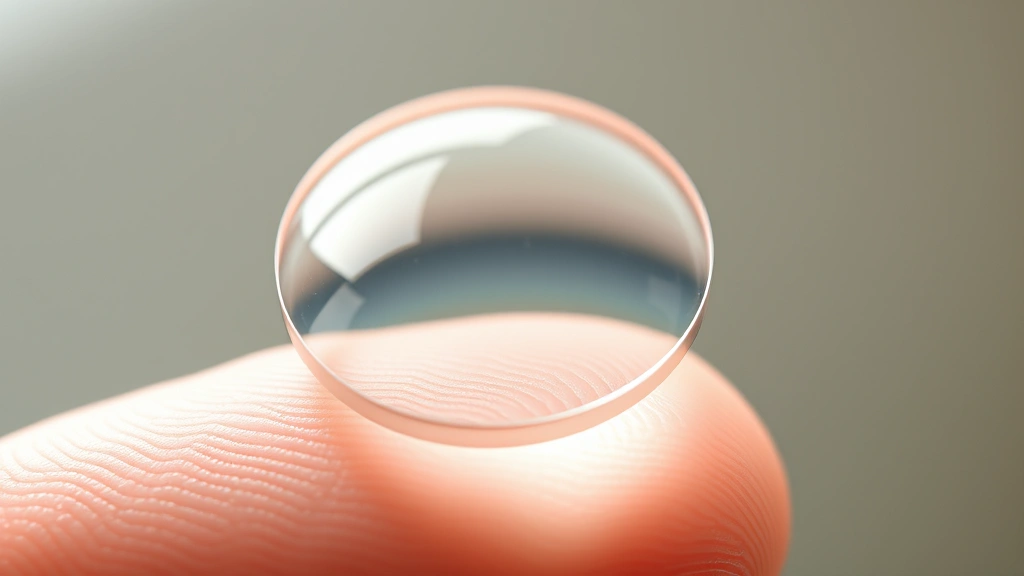
Rigid gas permeable lenses, commonly called RGP or GP lenses, are hard contact lenses manufactured from durable plastic polymers that allow oxygen to pass through to the cornea. Unlike soft lenses made from hydrogel or silicone hydrogel materials, RGP lenses maintain their shape and provide crisp vision correction for various refractive errors including myopia, hyperopia, astigmatism, and presbyopia.
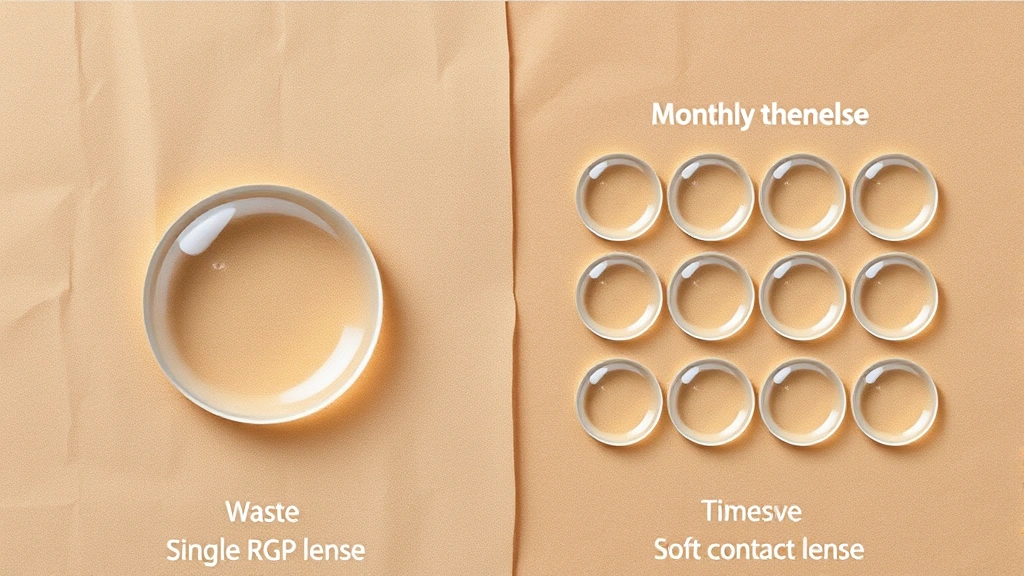
These lenses were developed in the 1970s as an improvement over earlier hard lenses, offering enhanced comfort and oxygen permeability. RGP lenses require consistent care using specialized solutions and proper handling techniques. They typically last between one to three years with proper maintenance, significantly longer than soft lenses which are often replaced monthly or weekly. This extended lifespan forms the foundation of their environmental appeal, though the complete sustainability picture requires deeper investigation.
The material composition of RGP lenses includes silicone, fluoropolymers, and other polymeric compounds that provide optical clarity and durability. These materials are specifically engineered to resist protein buildup and maintain structural integrity over extended periods. Understanding these materials helps clarify the manufacturing and disposal implications discussed throughout this article.
Environmental Impact of RGP Lens Manufacturing
Manufacturing rigid gas permeable contact lenses involves precision polymer processing in controlled laboratory environments. The production process begins with synthesizing specialized plastic compounds, which requires energy inputs and chemical processing. While individual lens manufacturing generates minimal waste compared to mass-produced items, the chemical synthesis stage does consume resources and generate byproducts.
RGP lens production facilities employ stringent quality control measures to ensure optical precision and biocompatibility. These processes involve multiple chemical treatments, curing procedures, and testing protocols. The energy consumption per lens is relatively modest, but multiplied across millions of lenses produced annually, the cumulative impact becomes significant. However, this manufacturing footprint must be contextualized against the extended usage period of each lens.
One important consideration involves comparing manufacturing emissions across the product lifecycle. A single RGP lens manufactured once and used for two years generates lower per-wear manufacturing emissions than monthly soft lenses requiring replacement. This efficiency advantage represents a key sustainability argument favoring RGP adoption. Additionally, modern manufacturing facilities increasingly implement green technology innovations transforming optical production through energy-efficient processes and waste reduction protocols.
Durability and Longevity Benefits
The most compelling environmental argument for rigid gas permeable contact lenses centers on their exceptional durability. A single RGP lens can provide years of reliable vision correction with minimal degradation. This longevity dramatically reduces the replacement frequency compared to soft lenses, which require monthly or even weekly replacement schedules.
Consider the arithmetic: a person wearing monthly disposable soft lenses requires twelve replacements annually, generating twelve lens pairs (twenty-four individual lenses) for disposal. Over a three-year period, that accumulates to seventy-two individual soft lenses entering waste streams. An RGP wearer using the same pair of lenses throughout that period generates only two lenses for disposal—a ninety-seven percent reduction in lens waste.
Beyond waste reduction, the durability advantage extends to packaging materials. Each soft lens replacement comes packaged in plastic blisters containing saline solution, sterile packaging, and shipping materials. RGP lenses, requiring far fewer replacements, dramatically reduce packaging waste. This includes plastic blisters, cardboard boxes, and protective materials. Over a lifetime of vision correction, the cumulative packaging reduction becomes substantial and measurable.
RGP lens durability also means fewer manufacturing cycles required to maintain consistent vision correction. Fewer manufacturing events translate to reduced aggregate energy consumption and chemical processing across the supply chain. This lifecycle advantage positions RGP lenses favorably within sustainability frameworks that measure environmental impact across complete product lifespans.
RGP vs Soft Contact Lenses: Environmental Comparison
A comprehensive environmental comparison between RGP and soft contact lenses reveals nuanced tradeoffs rather than clear superiority. Soft lenses offer advantages in comfort and ease of use, potentially reducing user abandonment rates that might otherwise drive consumers toward alternative vision correction methods with larger environmental footprints, such as eyeglasses with multiple frames.
Soft lens materials, particularly silicone hydrogel formulations, represent advanced polymer technology developed to improve comfort and oxygen transmission. However, this sophistication comes with manufacturing complexity and specialized processing requirements. The silicone hydrogel manufacturing process involves more intricate chemical synthesis than RGP lens production, potentially offsetting some environmental advantages of RGP durability.
Water consumption differs significantly between lens types. Soft lenses require aqueous storage solutions and daily rinsing with saline, consuming water resources throughout their usage period. RGP lenses also require aqueous solutions, but the extended replacement cycles mean fewer solution containers purchased and disposed of annually. A two-year RGP lens lifespan requires roughly one-sixth the solution purchases compared to monthly soft lens replacements.
Microplastic pollution represents perhaps the most critical environmental distinction. Soft lenses, when discarded or lost, contribute to microplastic accumulation in water systems. The materials used in soft lens manufacturing persist in environments for decades, fragmenting into harmful microparticles. RGP lenses, being more durable and less prone to fragmentation, present reduced microplastic risk during their extended lifespan. However, eventual disposal still requires consideration within broader environmental footprint reduction strategies.
Care Products and Chemical Waste
Both RGP and soft lens wearers must use specialized care solutions, but the frequency and volume differ substantially. RGP lens care involves daily cleaning with protein-removing solutions, weekly enzymatic treatments, and storage in specialized solutions. While this seems labor-intensive, the extended lens lifespan means fewer total solution bottles purchased annually.
Care solution containers represent significant packaging waste in the contact lens industry. A soft lens wearer purchasing monthly lenses typically acquires multiple solution bottles monthly, generating twelve or more bottles yearly. RGP wearers, with extended lens lifespans, purchase fewer solution bottles proportionally. Over three years, this difference accumulates to substantial packaging reduction.
Chemical composition of care solutions deserves environmental consideration. Multipurpose solutions for RGP and soft lenses contain preservatives, surfactants, and buffering agents that eventually enter wastewater systems. While individual solution containers contain modest chemical quantities, aggregate discharge across millions of users creates environmental implications. Modern formulations increasingly emphasize biodegradable components and reduced chemical persistence in aquatic environments.
Enzymatic cleaning tablets used for RGP lens maintenance represent another care product category. These tablets contain proteolytic enzymes derived from natural sources, designed to dissolve protein buildup. The tablets typically come in recyclable or compostable packaging, though actual recycling rates remain low. Encouraging proper disposal of care product containers through recycling programs could significantly reduce the chemical waste impact associated with lens maintenance.
Recycling and End-of-Life Considerations
Proper disposal of contact lenses remains an underaddressed environmental concern. Soft lenses frequently end up in wastewater systems, either through direct flushing or via drainage from cleaning and storage containers. These lenses reach treatment facilities where their durability creates processing challenges. RGP lenses, being harder and more resistant to degradation, similarly persist through wastewater treatment processes, potentially accumulating in biosolids applied to agricultural land.
Neither RGP nor soft lenses have established recycling infrastructure in most regions. The lenses’ small size, specialized material composition, and low aggregate volume make recycling economically challenging. However, some forward-thinking organizations are developing collection programs. Contact lens wearers should investigate local options for responsible lens disposal rather than defaulting to trash or sewer routes.
The ideal end-of-life scenario for RGP lenses involves incineration at licensed medical waste facilities where temperatures exceed eight hundred fifty degrees Celsius, completely breaking down polymer chains. This approach prevents environmental accumulation while recovering energy value from the lens material. Soft lenses undergo similar incineration when properly disposed, but the challenge lies in achieving proper collection rather than widespread disposal through conventional waste streams.
Lens case disposal presents another overlooked environmental factor. RGP lens cases, typically made from plastic, should be replaced regularly to prevent bacterial contamination. These cases, along with soft lens cases, contribute to plastic waste streams. Selecting cases made from recycled materials or exploring case reuse programs through eye care providers represents a practical sustainability improvement. Some practitioners offer case recycling initiatives as part of their environmental responsibility programs.
Cost-Effectiveness and Sustainability
Economic and environmental sustainability often align in contact lens selection. RGP lenses typically cost more upfront than soft lenses, ranging from one hundred fifty to three hundred dollars per pair compared to fifty to one hundred fifty dollars for soft lenses. However, the extended lifespan means fewer total replacements, potentially reducing long-term costs despite higher per-lens pricing.
Over a ten-year period, an RGP wearer replacing lenses every two years spends approximately six hundred to one thousand two hundred dollars on lenses. A soft lens wearer replacing lenses monthly spends approximately six hundred to eighteen hundred dollars annually, totaling six thousand to eighteen thousand dollars over the same period. This dramatic cost difference reflects the durability advantage while simultaneously reducing environmental impact through fewer manufacturing and disposal cycles.
Insurance coverage differs between lens types, potentially affecting actual out-of-pocket costs. Many vision insurance plans cover annual lens replacement allowances, which may favor soft lens wearers if coverage limits remain fixed regardless of lens type. However, long-term analysis considering total out-of-pocket expenses over years typically favors RGP economics once replacement frequency is factored into calculations.
The cost-effectiveness advantage of RGP lenses strengthens the sustainability case by aligning environmental benefits with financial incentives. Consumers motivated by economic savings simultaneously reduce environmental impact, creating positive feedback loops that encourage adoption. This alignment between economic and environmental sustainability represents an ideal scenario for promoting eco-friendly practices within consumer choice frameworks.
Practical Tips for Sustainable RGP Use
Maximizing the sustainability benefits of rigid gas permeable contact lenses requires intentional practices throughout their usage lifecycle. First, prioritize proper care and handling to extend lens lifespan beyond typical two-year replacement schedules. Some wearers successfully maintain RGP lenses for three to four years through meticulous care routines, further reducing environmental impact.
Second, select care products with environmental certifications and sustainable packaging. Look for solutions in recyclable containers and enzymatic tablets packaged in minimal materials. Investigate whether your eye care provider participates in care product recycling programs, and actively participate if available. Some manufacturers now offer mail-back programs for used care product containers.
Third, never dispose of lenses through sewage systems or general trash. Contact your eye care provider about proper disposal options, or investigate local medical waste facilities accepting small quantities of contact lens waste. Some progressive optometry practices maintain collection containers for patient lens disposal, ensuring proper handling through appropriate channels.
Fourth, consider the broader context of your vision correction choices. If you currently wear soft lenses and experience comfort issues, RGP lenses might offer both improved vision and environmental benefits. Conversely, if you wear eyeglasses exclusively, switching to any contact lens type—soft or RGP—might increase environmental impact. The most sustainable choice always depends on individual circumstances and needs.
Fifth, explore complementary sustainable practices within your vision care routine. Select reusable lens cases made from durable materials, clean cases with appropriate solutions rather than tap water, and maintain consistent replacement schedules to prevent infections requiring additional medical interventions. These practices, while seemingly minor, contribute to the overall sustainability profile of your vision correction approach.
Finally, share knowledge about RGP sustainability benefits with others considering vision correction options. As consumer awareness of environmental impacts grows, manufacturers respond by developing more sustainable products and practices. Increased demand for eco-friendly contact lens solutions incentivizes industry innovation toward sustainable energy solutions in manufacturing and green technology innovations throughout supply chains.
FAQ
Are RGP lenses truly more sustainable than soft lenses?
RGP lenses offer significant sustainability advantages through extended lifespan, reduced replacement frequency, and lower packaging waste. However, the complete picture requires considering manufacturing processes, care product usage, and disposal methods. For most users prioritizing environmental impact, RGP lenses represent a superior choice, but individual circumstances vary. Consult with your eye care provider about which option best suits your specific needs and sustainability goals.
How long do RGP lenses typically last?
Rigid gas permeable lenses generally remain viable for one to three years with proper care. Some careful users extend this to four years, though manufacturers typically recommend replacement at two-year intervals. Lifespan depends on handling practices, care consistency, and individual eye physiology. Regular eye exams ensure lenses continue providing optimal vision and comfort throughout their usable life.
Can RGP lenses be recycled?
Currently, no established consumer recycling programs exist for contact lenses. Your eye care provider may offer disposal options, or you can contact local medical waste facilities. Incineration at licensed facilities represents the most environmentally responsible disposal method. Never flush lenses or dispose through regular trash when responsible alternatives exist.
Do RGP lenses cost more than soft lenses?
Initial RGP lens costs typically exceed soft lens prices, but extended lifespan makes them more economical long-term. RGP lenses cost approximately one hundred fifty to three hundred dollars per pair and last two to three years. Soft lenses cost fifty to one hundred fifty dollars per pair but require monthly replacement. Over ten years, RGP lenses typically prove significantly more cost-effective.
What care products do RGP lenses require?
RGP lenses require specialized multipurpose solutions for daily cleaning and storage, along with enzymatic cleaning tablets for weekly protein removal. Some wearers use peroxide-based systems for deeper cleaning. Proper care prevents protein and deposit accumulation, extending lens lifespan and maintaining comfort. Your eye care provider recommends appropriate products based on your specific lens type and individual needs.
Are there environmental concerns with RGP lens care solutions?
Care solution chemicals eventually enter wastewater systems, where treatment facilities process them before environmental discharge. Modern formulations increasingly emphasize biodegradable components and reduced environmental persistence. Using only the recommended amount of solution and disposing of containers through recycling programs minimizes chemical waste. Selecting care products from manufacturers committed to environmental responsibility further reduces impact.
How do RGP lenses compare to eyeglasses environmentally?
Eyeglasses offer different sustainability profiles than contact lenses. A single pair of glasses lasts several years, but many wearers maintain multiple pairs, potentially increasing resource consumption. Lens replacements within frames generate optical waste. Contact lenses eliminate frame-related waste but create their own disposal challenges. The most sustainable choice depends on individual preferences and usage patterns.
Can RGP lenses improve my environmental footprint?
Switching to RGP lenses from monthly soft lenses significantly reduces your vision care environmental impact through decreased manufacturing cycles, packaging waste, and chemical solution consumption. However, overall environmental footprint depends on numerous factors beyond vision correction. Implementing broader sustainability practices, such as those described in how to reduce your environmental footprint, creates more substantial impact than lens choice alone.


