
Rivian CEO on Gas Cars: A Step Back in Sustainability
The automotive industry stands at a critical crossroads. As global emissions continue to rise and climate targets grow more urgent, one of the industry’s most vocal sustainability advocates—Rivian’s leadership—has issued a stark warning about the automotive sector’s troubling retreat toward gasoline-powered vehicles. This shift represents not just a missed opportunity for environmental progress, but a fundamental step backward in humanity’s fight against climate change.
The conversation around vehicle electrification has intensified as major manufacturers face economic pressures, supply chain challenges, and shifting consumer preferences. Yet the implications of slowing EV adoption extend far beyond quarterly earnings reports. They affect air quality in our communities, the long-term viability of our climate goals, and the legacy we leave for future generations.
Understanding Rivian’s Position on EV Transition
Rivian, the electric vehicle manufacturer founded in 2009, has positioned itself as a sustainability-focused alternative to traditional automakers. The company’s leadership has consistently advocated for accelerated electrification of the transportation sector, viewing the transition to electric vehicles not merely as a business opportunity but as an environmental imperative. When Rivian’s CEO criticizes the U.S. auto industry’s shift toward gas-powered vehicles, he’s articulating concerns rooted in decades of climate science and environmental research.
The criticism centers on a troubling trend: several major automakers have recently announced delays or reductions in their EV production timelines, citing consumer demand concerns and manufacturing complexities. Some manufacturers have even suggested maintaining gasoline vehicle production longer than previously planned. From Rivian’s perspective, this represents a capitulation to short-term market pressures at the expense of long-term environmental sustainability.
This debate reflects deeper tensions within the automotive industry. Traditional manufacturers invested heavily in internal combustion engine technology over more than a century. Transitioning to electric powertrains requires substantial capital investment, retooling of manufacturing facilities, and retraining of workforce personnel. Meanwhile, newer companies like Rivian entered the market with electrification as their core strategy, giving them a different perspective on feasibility and urgency.
The advantages of electric vehicles extend beyond environmental benefits. Lower operating costs, reduced maintenance requirements, and improved performance characteristics make EVs increasingly attractive to consumers who understand the total cost of ownership. Yet consumer awareness remains uneven, and infrastructure gaps continue to slow adoption rates.
The Environmental Cost of Gasoline Vehicles
To understand why Rivian’s leadership expresses such concern about the auto industry’s retreat from electrification, we must examine the environmental impact of continued reliance on gasoline-powered transportation.
The transportation sector accounts for approximately 27% of total greenhouse gas emissions in the United States, according to the U.S. Environmental Protection Agency. Within that sector, light-duty vehicles—cars, SUVs, and light trucks—represent the largest source of emissions. A single gasoline vehicle emits roughly 4.6 metric tons of carbon dioxide annually during its operational lifetime, with cumulative impacts extending across its entire supply chain.
The environmental consequences of prolonging gasoline vehicle production extend beyond carbon emissions. Tailpipe pollution contributes to respiratory diseases, cardiovascular problems, and premature mortality. Communities adjacent to highways and urban centers experience disproportionate exposure to these pollutants, creating environmental justice concerns that intersect with sustainability goals.
Electric vehicles eliminate direct tailpipe emissions entirely. Even when accounting for electricity generation methods and battery production, EVs produce substantially fewer emissions over their lifetime compared to gasoline vehicles. As electrical grids become increasingly powered by renewable energy sources, the environmental advantage of EVs grows even more pronounced. The Union of Concerned Scientists has documented that EVs typically produce 50-70% fewer emissions than comparable gasoline vehicles, depending on regional electricity sources.
The mining and processing of fossil fuels carries its own environmental burdens. Oil extraction disrupts ecosystems, threatens water quality, and contributes to habitat destruction. The continued expansion of gasoline vehicle production perpetuates these environmental harms, undermining global efforts to protect biodiversity and natural resources.
Industry Pressures and Economic Realities
Understanding the auto industry’s hesitation about full electrification requires acknowledging genuine economic and logistical challenges. The transition to electric vehicle manufacturing represents one of the most significant industrial transformations in modern history.
Battery production capacity remains a critical bottleneck. Lithium, cobalt, and nickel—essential battery materials—face supply constraints and geopolitical complications. The expansion of mining operations necessary to support widespread EV adoption raises its own sustainability questions, though battery recycling technologies continue to improve. Manufacturers must balance rapid EV scaling with responsible sourcing of raw materials and fair labor practices throughout their supply chains.
Consumer adoption varies significantly across regions and demographics. Rural areas with limited charging infrastructure face particular barriers to EV adoption. Lower-income households may struggle with higher upfront vehicle costs, despite lower long-term operating expenses. These realities create legitimate challenges for automakers attempting to balance market demand with sustainability commitments.
The skilled workforce transition also presents complications. Gasoline vehicle manufacturing has supported millions of jobs across production, maintenance, and supply chains. Transitioning these workers to EV manufacturing and service roles requires substantial retraining investments and transition support. Union negotiations and labor considerations influence manufacturer timelines and strategies.
Yet these challenges, while real, do not justify abandonment of electrification goals. Rather, they demand more thoughtful policy support, infrastructure investment, and industry collaboration. The sustainable energy solutions available today offer pathways to address these concerns while maintaining momentum toward transportation electrification.
Why EV Infrastructure Matters
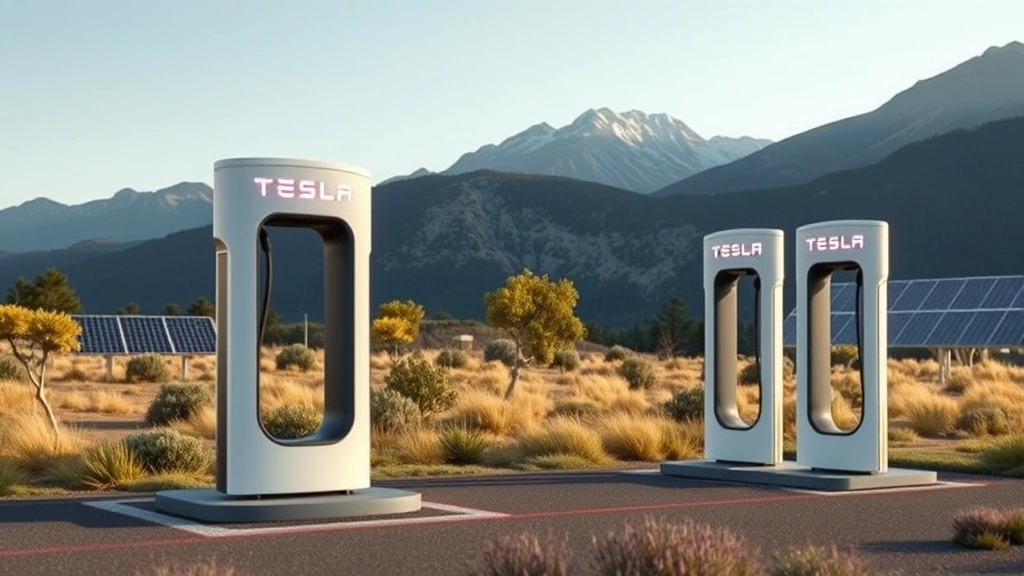
One of Rivian CEO’s most compelling arguments centers on the critical importance of charging infrastructure development. The expansion of reliable, accessible charging networks represents the foundation upon which successful EV adoption depends.
Current charging infrastructure remains inadequate for widespread EV adoption. The United States has approximately 50,000 public charging stations, compared to roughly 150,000 gasoline stations. This disparity creates legitimate anxiety among potential EV buyers, even as home charging becomes increasingly accessible to those with dedicated parking spaces.
Charging network development requires coordinated investment from government, utilities, and private companies. The Biden administration’s infrastructure legislation allocated significant funding for EV charging expansion, representing recognition of infrastructure’s critical role. Yet implementation remains uneven, with rural and low-income communities often underserved by deployment efforts.
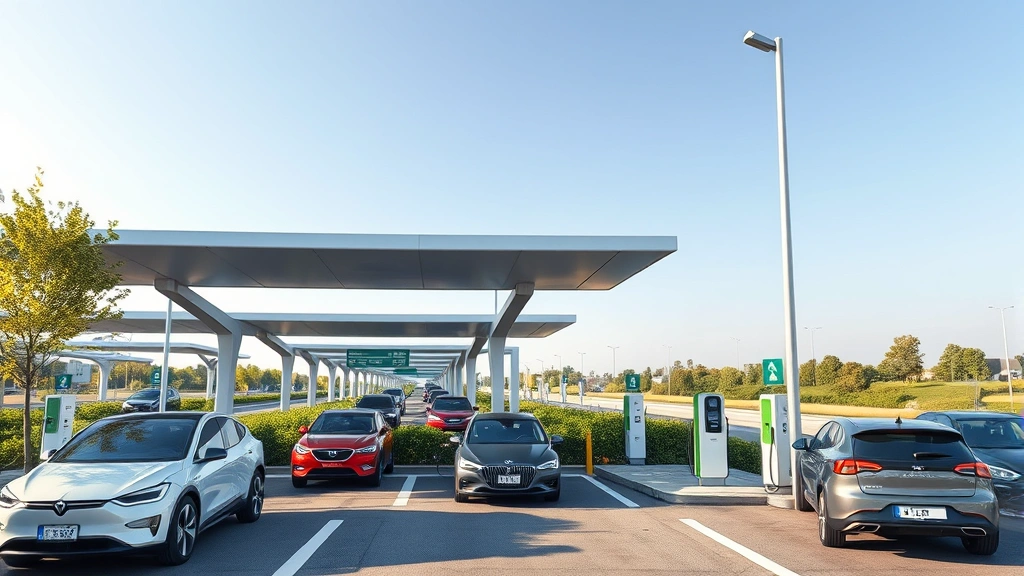
Fast-charging technology continues advancing, with newer stations capable of adding 200+ miles of range in 30 minutes. These improvements address one of consumers’ primary concerns about EV practicality. As charging becomes faster and more ubiquitous, range anxiety—the fear of running out of battery charge—diminishes as a barrier to adoption.
The Federal Highway Administration’s Alternative Fuels Corridor Program aims to establish reliable charging networks along major interstate routes. These efforts recognize that comprehensive infrastructure development is prerequisite to successful transportation electrification at scale.
Rivian’s own charging network strategy, including proprietary charging stations and partnerships with existing networks, demonstrates how manufacturers are attempting to address infrastructure gaps. However, industry-wide coordination and standardization would accelerate progress more effectively than fragmented, manufacturer-specific approaches.
The Path Forward for Sustainable Transportation
Rivian’s criticism of the automotive industry’s retreat from electrification reflects a broader vision for sustainable transportation’s future. Rather than viewing electrification as optional or aspirational, this perspective treats it as imperative and achievable.
The green technology innovations transforming our future extend beyond vehicle electrification to encompass autonomous driving, shared mobility platforms, and integrated transportation systems. These technologies, many of which function optimally with electric powertrains, promise to reshape how societies approach urban and long-distance travel.
Government policy plays a decisive role in accelerating this transition. Stricter emissions standards, tax incentives for EV purchases, investments in charging infrastructure, and support for battery manufacturing all influence manufacturer decisions and consumer adoption rates. Several nations have announced plans to phase out gasoline vehicle sales entirely—the European Union targeting 2035, and the United Kingdom 2030. These regulatory frameworks create market certainty that encourages long-term manufacturer investment in electrification.
Consumer education and awareness remain essential. Many potential EV buyers underestimate vehicles’ cost-effectiveness over their operational lifetime, or overestimate range limitations. Transparent information about total cost of ownership, charging availability, and performance characteristics can shift purchasing decisions toward sustainable options.
The ways to reduce your environmental footprint increasingly include transportation choices. Individual vehicle purchases represent significant environmental decisions with cascading consequences. When consumers choose electric vehicles, they contribute to market signals that influence manufacturer investments and policy priorities.
Supply chain sustainability deserves increased attention. Ethical battery material sourcing, fair labor practices, and responsible recycling programs must accompany electrification expansion. Manufacturers claiming environmental leadership must extend sustainability commitments throughout their entire operations, not merely to tailpipe emissions.
Collaboration across industry sectors accelerates progress. Utilities, charging network operators, vehicle manufacturers, and technology companies must coordinate to create seamless, reliable EV ecosystems. Rivian’s partnerships with other organizations demonstrate recognition that industry-wide transformation requires collective action rather than isolated corporate efforts.
FAQ
Why does Rivian criticize other automakers’ gas vehicle production?
Rivian’s leadership views continued gasoline vehicle production as environmentally counterproductive, delaying necessary transportation decarbonization and contradicting manufacturers’ stated climate commitments. The criticism reflects concerns that economic pressures are overriding environmental responsibilities.
What are the main barriers to EV adoption?
Critical barriers include charging infrastructure gaps, higher upfront vehicle costs, range limitations in some models, limited model variety, and consumer awareness gaps. Geographic disparities mean rural areas face particular challenges. The SustainWise Hub Blog explores these challenges in greater depth.
How do EV emissions compare to gasoline vehicles?
EVs produce 50-70% fewer emissions over their lifetime, even accounting for battery production and electricity generation methods. As electrical grids incorporate more renewable energy, this advantage increases substantially.
Can the auto industry realistically transition to all-electric production?
Yes, though it requires coordinated effort. Battery production capacity must expand, charging infrastructure must become ubiquitous, workforce retraining must occur, and consumers must embrace electrification. These challenges are surmountable with adequate policy support and industry commitment.
What role should government play in accelerating EV adoption?
Government can establish emissions standards, provide purchase incentives, invest in charging infrastructure, support battery manufacturing, and create regulatory certainty encouraging long-term manufacturer investment. International examples demonstrate these policies effectively accelerate transitions.
How does EV charging infrastructure development progress currently?
Infrastructure expansion is accelerating through federal funding, private investment, and utility partnerships. However, deployment remains uneven geographically, with rural and low-income communities often underserved. Continued investment is necessary to achieve adequate coverage.


