Rochester Gas & Electric: Building a Sustainable Future?
Rochester Gas and Electric (RG&E), a major utility serving western and central New York, stands at a critical crossroads in the energy transition. As communities nationwide embrace renewable energy and climate action, RG&E’s commitment to sustainability has become increasingly scrutinized by environmentally conscious customers and policymakers. This examination explores the company’s current initiatives, challenges, and potential pathways toward genuine environmental stewardship in an era demanding urgent decarbonization.
The utility sector faces unprecedented pressure to transition away from fossil fuels while maintaining reliable service and affordability. For Rochester Gas and Electric specifically, this means balancing traditional gas distribution with renewable energy investments, modernizing aging infrastructure, and meeting New York State’s ambitious climate targets. Understanding RG&E’s sustainability trajectory requires examining both their stated goals and measurable actions.
RG&E’s Current Energy Portfolio and Infrastructure
Rochester Gas and Electric operates as a subsidiary of Digitally-focused parent company, serving approximately 1.5 million customers across a substantial geographic region in New York State. The utility’s energy portfolio remains heavily dependent on natural gas and electricity generation from various sources, including fossil fuels, hydroelectric power, and increasingly, renewable energy.
The company’s infrastructure includes extensive natural gas pipelines, electric transmission and distribution networks, and various generation facilities. Understanding this infrastructure is essential for assessing RG&E’s sustainability trajectory. The aging nature of much of this infrastructure presents both challenges and opportunities for modernization aligned with climate goals.
RG&E’s current generation mix reflects historical energy patterns but shows signs of gradual transition. While natural gas continues to dominate, the utility has begun integrating renewable sources through power purchase agreements and infrastructure investments. This transition, however, remains incremental rather than transformative in many respects.
Renewable Energy Initiatives and Commitments
Rochester Gas and Electric has made public commitments to renewable energy expansion, though the pace and scale warrant careful examination. The company participates in New York’s renewable energy markets and has signed power purchase agreements for wind and solar generation. These initiatives represent progress but must be evaluated against the state’s aggressive climate mandates.
New York State’s Climate Leadership and Community Protection Act requires utilities to achieve 70% renewable electricity by 2030 and carbon-neutral electricity by 2040. RG&E must align its investment strategies with these timelines. The utility has invested in sustainable energy solutions through grid modernization projects and renewable energy procurement.
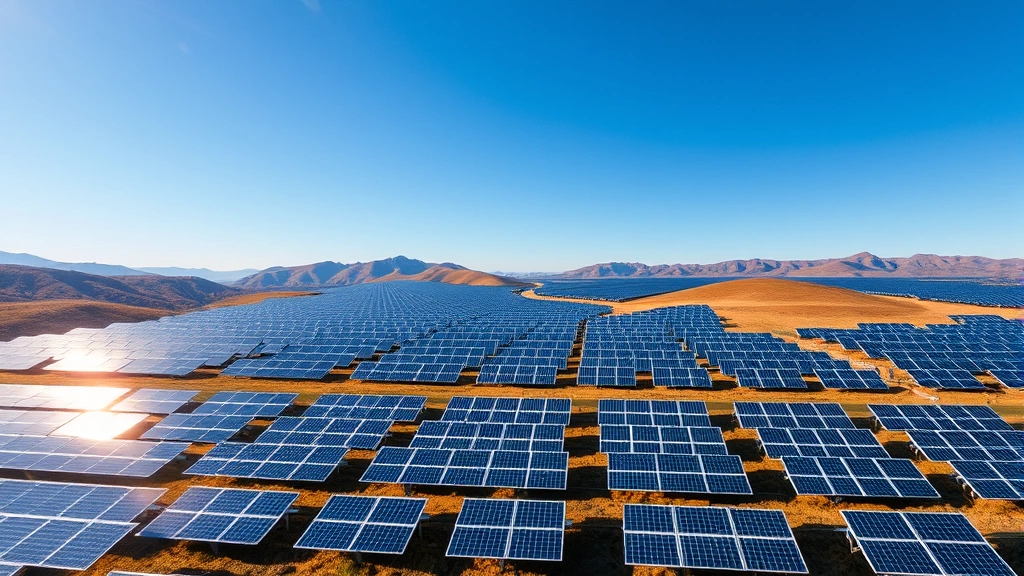
Wind energy represents a significant component of RG&E’s renewable strategy. The utility sources power from upstate New York wind farms, contributing to regional renewable generation. Solar energy development, while growing, remains a smaller portion of the portfolio, presenting opportunities for expansion through rooftop installations and utility-scale solar farms.
Hydroelectric power provides baseline renewable generation for RG&E customers, with the utility benefiting from existing hydroelectric facilities in the region. This reliable renewable source supports grid stability while reducing carbon emissions compared to fossil fuel generation.
” alt=”Wind turbines in landscape with green fields and clear sky at sunset”>
Natural Gas Operations and Environmental Concerns
While RG&E pursues renewable energy, the utility remains deeply invested in natural gas distribution and generation. This creates inherent tensions with climate objectives, as natural gas, though cleaner than coal, remains a fossil fuel contributing to greenhouse gas emissions. Understanding these operations is crucial for assessing genuine sustainability progress.
The question of whether natural gas is renewable has become increasingly important in sustainability discussions. Natural gas is not renewable; it’s a finite fossil fuel with significant methane emissions during extraction, processing, and distribution. RG&E’s extensive gas pipeline network, while serving customer needs, locks in fossil fuel infrastructure that complicates long-term decarbonization.
Methane leakage from natural gas distribution systems represents a critical environmental concern. RG&E has implemented leak detection and repair programs, but environmental advocates argue these efforts remain insufficient. Methane is approximately 80 times more potent than carbon dioxide over a 20-year period, making pipeline integrity essential for climate goals.
The utility’s natural gas customer base continues to grow in certain service areas, potentially extending fossil fuel dependence. RG&E faces pressure to transition customers from gas heating and appliances to electric alternatives, a process requiring significant infrastructure investment and customer education. The company’s strategy for managing this transition remains a key sustainability indicator.
Grid Modernization and Smart Technology
RG&E has invested in grid modernization initiatives that support renewable energy integration and improved efficiency. Smart grid technology enables better demand management, distributed energy resource integration, and real-time monitoring of system performance. These technological upgrades are essential infrastructure for a sustainable energy future.
Advanced metering infrastructure (AMI) deployed by RG&E provides customers with detailed consumption data, enabling more informed energy decisions. Smart thermostats, demand response programs, and time-of-use pricing facilitate customer participation in grid optimization. These tools support the broader goal of saving energy at home and reducing peak demand.
Battery storage technology integration represents another crucial modernization component. As renewable energy generation becomes more prevalent, energy storage becomes essential for managing intermittency. RG&E’s investment in storage solutions directly impacts the feasibility of high renewable penetration on the grid.
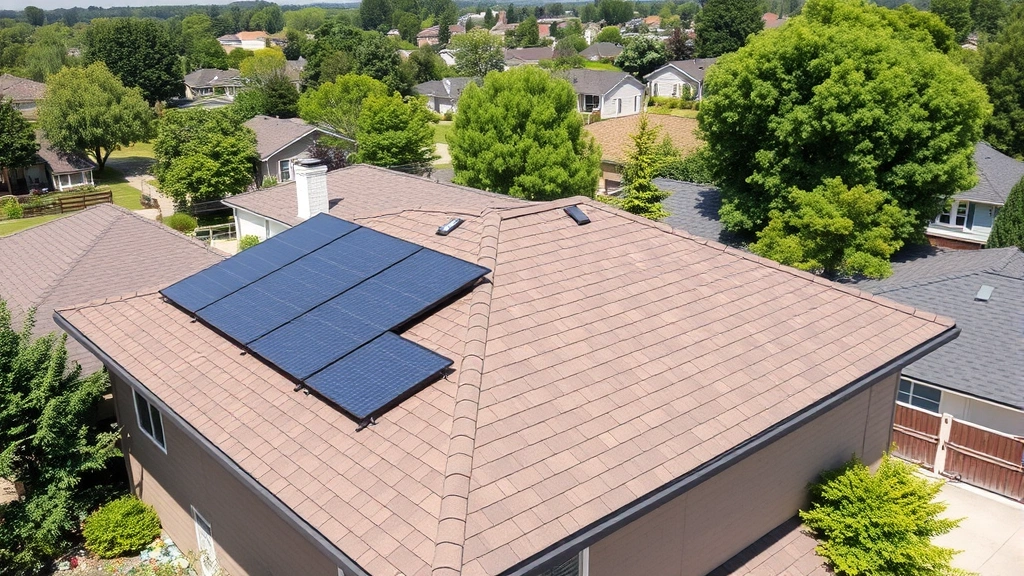
Microgrid development and distributed energy resources (DERs) enable communities to generate and manage their own power. RG&E’s support for these technologies, including rooftop solar interconnection and community solar programs, facilitates customer participation in the clean energy transition. The utility’s policies regarding DER interconnection and compensation significantly influence adoption rates.
” alt=”Solar panels on residential rooftop with trees and suburban houses in background”>
Customer Programs and Energy Efficiency
RG&E offers various programs aimed at helping customers reduce energy consumption and transition to cleaner energy sources. These initiatives, while valuable, determine the effectiveness of the utility’s sustainability commitment through measurable participation and results.
Energy efficiency programs provide rebates and incentives for appliance upgrades, insulation improvements, and heating system optimization. These programs reduce overall demand, lower customer bills, and decrease carbon emissions. RG&E’s investment in efficiency represents a cost-effective climate strategy, as efficiency improvements often deliver positive return on investment.
The utility’s electric vehicle charging infrastructure initiative supports transportation electrification. As advantages of electric vehicles become clearer, utility support for charging networks accelerates adoption. RG&E’s workplace and public charging stations enable customers to transition from gasoline vehicles.
Community solar programs democratize renewable energy access for customers unable to install rooftop systems. RG&E’s community solar offerings allow renters and those with unsuitable roofs to subscribe to shared solar installations. Program expansion indicates commitment to equitable renewable energy access.
Low-income assistance programs ensure that sustainability initiatives benefit disadvantaged communities. RG&E’s bill assistance and efficiency upgrade programs for low-income customers address energy equity while supporting decarbonization. The scale and effectiveness of these programs reflect genuine commitment to just transition principles.
Challenges on the Path to Decarbonization
RG&E faces significant obstacles in achieving ambitious sustainability goals. These challenges, both technical and regulatory, require strategic solutions and substantial investment. Understanding these barriers illuminates the complexity of utility-scale decarbonization.
Infrastructure lock-in represents a fundamental challenge. Existing natural gas pipelines, generation facilities, and customer connections create financial and operational incentives to maintain fossil fuel systems. Transitioning this infrastructure requires enormous capital investment, regulatory support, and customer acceptance. The stranded asset risk—where investments lose value due to transition—complicates financial planning.
Regulatory frameworks often lag behind climate science and sustainability innovation. RG&E operates within regulatory structures that may not fully incentivize renewable energy transition or penalize emissions. Advocating for regulatory reform that aligns utility business models with climate goals remains essential.
Customer affordability concerns complicate sustainability investments. Utility rate increases necessary to fund renewable energy infrastructure and grid modernization face customer resistance. RG&E must balance climate imperative with affordability, requiring creative financing mechanisms and equitable rate structures.
Geographic and resource constraints affect renewable energy potential. While New York has substantial wind resources upstate, RG&E’s service territory includes areas with limited solar radiation and wind resources. Developing green technology innovations for these contexts and accessing out-of-state renewable resources presents logistical challenges.
Grid reliability and resilience concerns arise during renewable energy transitions. Intermittency of wind and solar generation requires sophisticated forecasting, storage, and demand management. RG&E must invest substantially in these technologies while maintaining the reliability customers expect.
Comparative Analysis with Peer Utilities
Examining RG&E’s sustainability efforts relative to peer utilities provides context for assessing progress. Comparable utilities nationwide offer benchmarks for renewable energy penetration, efficiency programs, and decarbonization timelines.
Some utilities have achieved higher renewable energy percentages through aggressive procurement and generation investments. These leaders demonstrate that accelerated transition is technically feasible, though it requires substantial commitment and investment. RG&E’s position relative to peers indicates whether the utility is a sustainability leader or laggard within its industry.
Utility business model innovation varies significantly. Some companies have restructured to decouple profits from energy sales volume, aligning financial incentives with efficiency and decarbonization. RG&E’s regulatory framework determines whether such innovations are possible within its service territory.
Transparency and accountability mechanisms differ among utilities. Forward-thinking utilities publish detailed sustainability reports, set specific emissions reduction targets, and invite stakeholder input on decarbonization strategies. RG&E’s commitment to transparency and stakeholder engagement indicates seriousness about sustainability goals.
Peer utilities’ experiences with grid modernization, distributed energy resources, and electrification provide lessons applicable to RG&E. Learning from both successes and failures of comparable utilities accelerates progress toward sustainable energy futures.
Future Outlook and Recommendations
RG&E’s sustainability future depends on strategic choices and investments made in coming years. Several pathways could accelerate progress toward genuine environmental stewardship and climate alignment.
Accelerated renewable energy procurement beyond current commitments would demonstrate serious climate commitment. RG&E should target 80-90% renewable electricity by 2035, ahead of state mandates, signaling confidence in transition feasibility. Expanding power purchase agreements with wind and solar developers creates market certainty supporting industry growth.
Natural gas transition planning requires explicit strategy. RG&E should establish timelines for reducing gas customer base through electrification of heating, cooking, and hot water. Heat pump deployment, induction cooking, and heat recovery ventilation represent proven alternatives to natural gas appliances. Utility incentives supporting these transitions accelerate adoption.
Grid modernization acceleration enables higher renewable penetration. RG&E should prioritize battery storage deployment, demand response program expansion, and advanced forecasting capabilities. Investment in these technologies creates the technical foundation for 100% renewable electricity.
Community engagement and just transition support ensure equitable sustainability outcomes. RG&E should establish community advisory boards, fund workforce development for clean energy jobs, and prioritize renewable energy benefits for disadvantaged communities. Genuine sustainability includes social equity and economic justice.
Transparent accountability mechanisms strengthen credibility. RG&E should publish annual sustainability reports with specific metrics, third-party verification, and progress tracking. Science-based emissions reduction targets aligned with climate science provide clear benchmarks for assessing progress.
Collaboration with regional utilities enables economies of scale in renewable energy development and infrastructure investment. Joint procurement, shared storage resources, and coordinated grid management enhance efficiency and reduce costs. RG&E’s participation in regional sustainability initiatives multiplies impact.
Frequently Asked Questions
What percentage of RG&E’s electricity comes from renewable sources?
RG&E’s renewable energy percentage fluctuates based on power purchase agreements and generation mix changes. As of recent reports, approximately 20-30% of electricity comes from renewable sources, primarily wind and hydroelectric power. The utility targets significant increases to meet New York’s 70% renewable electricity requirement by 2030, requiring substantial acceleration of current trends.
Does RG&E offer renewable energy options for customers?
Yes, RG&E offers renewable energy programs including community solar subscriptions, energy efficiency incentives, and green pricing options. Customers can support renewable energy development through voluntary programs, though participation rates vary. The utility continues expanding these offerings to meet growing customer demand for clean energy.
How does RG&E address methane emissions from gas pipelines?
RG&E implements leak detection and repair (LDAR) programs to minimize methane emissions from natural gas distribution infrastructure. The utility uses infrared imaging and other technologies to identify leaks, prioritizing repairs based on emission rates. Environmental advocates argue these efforts, while important, remain insufficient and call for accelerated transition away from gas infrastructure.
What is RG&E’s timeline for achieving carbon neutrality?
RG&E must comply with New York’s mandate for carbon-neutral electricity by 2040, though the utility may pursue earlier targets. Specific company-wide decarbonization timelines depend on regulatory requirements and corporate sustainability commitments. Transparency regarding these timelines enables stakeholder accountability.
How can RG&E customers support sustainability?
RG&E customers can participate in efficiency programs, subscribe to community solar, install rooftop solar with utility interconnection, adopt electric vehicles and charging, and advocate for stronger utility sustainability commitments. Individual actions combined with collective pressure for systemic change accelerate the energy transition.
What role does RG&E play in New York’s climate goals?
As a major utility serving western and central New York, RG&E plays a critical role in achieving state climate targets. The utility’s renewable energy procurement, grid modernization, and customer programs directly impact regional emissions reduction progress. RG&E’s success or failure in decarbonization significantly determines whether New York meets its climate commitments.