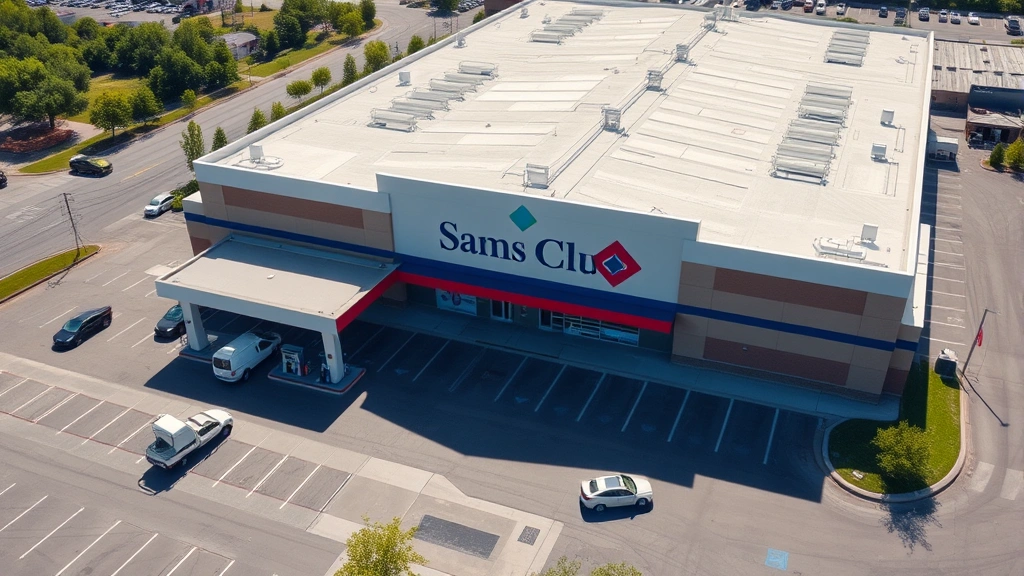
Sam’s Club Gas Prices: Comprehensive Savings Analysis for Budget-Conscious Drivers
Sam’s Club has established itself as a go-to destination for bulk purchases and member-exclusive deals, and their fuel program is no exception. For millions of drivers seeking to reduce fuel expenses, understanding how Sam’s Club gas prices compare to traditional gas stations can lead to significant annual savings. This comprehensive analysis explores pricing strategies, membership benefits, and whether the investment truly pays off for your driving habits.
Fuel costs represent one of the largest household expenses for American families, with gas prices fluctuating based on crude oil markets, regional demand, and seasonal variations. Warehouse clubs like Sam’s Club leverage their bulk purchasing power to offer discounted fuel prices to members, creating an attractive value proposition for frequent drivers. However, the equation becomes more complex when factoring in membership costs, fuel quality, and location convenience.
How Sam’s Club Gas Pricing Works
Sam’s Club operates a straightforward fuel pricing model exclusively for members who hold valid membership cards. Unlike traditional gas stations that serve any customer, Sam’s Club fuel stations are located within or adjacent to warehouse facilities, creating a members-only environment. The pricing structure typically undercuts regional averages by 10-30 cents per gallon, though this margin fluctuates based on global crude oil prices and local market conditions.
The warehouse giant purchases fuel in massive quantities, allowing them to negotiate better wholesale prices with suppliers. These savings are passed directly to members through reduced pump prices. Sam’s Club typically updates their fuel prices daily, aligning with market movements and ensuring competitive rates. Members can check current prices through the Sam’s Club mobile app or website before visiting their local station, enabling strategic fuel purchasing decisions.
Sam’s Club offers multiple fuel grades including regular unleaded, mid-grade, premium, and diesel at most locations. Premium fuel typically costs 40-50 cents more per gallon than regular, while diesel pricing varies based on agricultural demand and seasonal factors. This tiered pricing structure allows drivers to choose fuel options matching their vehicle requirements and budget constraints.

Membership Costs vs. Fuel Savings
The fundamental question for potential Sam’s Club fuel customers centers on whether membership costs justify the fuel savings. Sam’s Club offers several membership tiers: Gold Star ($60 annually), Plus ($110 annually), and Business memberships at various price points. For the average driver consuming 500-600 gallons annually, fuel savings alone typically range from $50-180 per year depending on local pricing differentials.
Breaking even on a Gold Star membership requires approximately $60 in annual fuel savings, which equates to just 15-20 fillups at average savings rates. Most regular drivers achieve breakeven within their first month of membership, making the fuel program a relatively low-risk investment. However, Plus membership requires higher fuel consumption or additional warehouse shopping to justify the extra $50 annual cost.
Strategic members maximize value by combining fuel savings with other warehouse benefits including discounted groceries, office supplies, and household items. When calculating total membership value, fuel represents just one component of the broader savings equation. Members who shop exclusively for fuel may find the economics marginal, while comprehensive warehouse users typically realize substantial annual value.
Consider your annual mileage when evaluating membership viability. Drivers traveling 15,000+ miles annually will almost certainly recover membership costs through fuel savings alone. Conversely, drivers with minimal annual mileage should evaluate other membership benefits before committing.
Comparing Prices to Competitors
Sam’s Club fuel prices compete directly with Costco, BJ’s Wholesale, and regional warehouse chains, though prices vary significantly by location and current market conditions. Costco typically offers similar or slightly better pricing than Sam’s Club, though membership costs are comparable. BJ’s Wholesale provides competitive pricing primarily in northeastern markets where they maintain strong warehouse density.
Traditional gas stations operated by major brands like Shell, Chevron, and ExxonMobil typically charge 15-25 cents more per gallon than warehouse clubs. Discount chains like Murphy USA and RaceTrac offer competitive pricing but generally trail warehouse club rates. Regional independent stations occasionally undercut warehouse prices but lack the consistency and reliability of established chains.
Geographic location dramatically influences pricing comparisons. Urban areas with intense competition between warehouse clubs often feature the lowest prices regionally, while rural markets with limited warehouse access see minimal price competition. Seasonal factors also matter significantly, with summer driving season typically featuring higher prices across all retail channels due to increased demand and specialized fuel blends.
The U.S. Energy Information Administration tracks weekly average gasoline prices by region, providing benchmarks for comparing local warehouse club rates against national trends. This data helps consumers determine whether their local Sam’s Club fuel pricing reflects genuine savings or merely tracks market averages.
Fuel Quality and Standards
Sam’s Club fuel meets all EPA Tier 2 gasoline standards, ensuring consistent quality across all locations. The fuel contains standard detergents required by federal regulations, promoting engine cleanliness and performance. While warehouse club fuel doesn’t carry premium brand names like Chevron Techron or Shell V-Power, the baseline quality remains equivalent to standard offerings at traditional stations.
All gasoline sold in the United States contains mandated detergent packages, regardless of retailer. The distinction between fuel brands often reflects marketing rather than substantial quality differences. Sam’s Club fuel undergoes the same regulatory testing and quality assurance processes as premium-branded competitors, providing customers confidence in product consistency.
Diesel fuel quality at Sam’s Club also meets federal standards and typically includes anti-gelling additives beneficial for cold weather performance. Trucking professionals and heavy equipment operators frequently purchase Sam’s Club diesel, validating its suitability for demanding applications.
The absence of premium additive packages means Sam’s Club fuel may not provide the enhanced cleaning or performance benefits associated with branded premium fuels. However, for standard driving conditions and properly maintained vehicles, baseline fuel quality proves entirely adequate. Drivers concerned about maximum engine cleanliness can periodically use premium branded fuel while maintaining Sam’s Club as their routine fuel source.
Environmental Impact Considerations
While Sam’s Club fuel savings benefit household budgets, considering broader environmental implications helps align purchasing decisions with sustainability values. Fossil fuel consumption contributes significantly to climate change, regardless of retail source. However, several environmental factors merit consideration when evaluating warehouse club fuel purchasing.
Warehouse club fuel stations typically serve multiple customers efficiently through consolidated locations, reducing aggregate transportation emissions compared to scattered traditional gas stations. Customers driving to a centralized warehouse location often combine fuel purchases with other shopping, maximizing trip efficiency. This consolidation represents a modest environmental advantage over frequent visits to dispersed traditional gas stations.
More substantially, fuel savings can incentivize increased driving if customers view lower costs as enabling additional travel. This rebound effect potentially increases overall fuel consumption and emissions. Conversely, lower fuel costs improve affordability for budget-conscious households, potentially reducing financial stress without necessarily increasing driving behavior.
The most significant environmental consideration involves transitioning beyond gasoline entirely. Explore advantages of electric vehicles, which eliminate tailpipe emissions and offer substantially lower operating costs. For households planning vehicle replacement, electric options provide superior environmental performance compared to optimizing gasoline fuel purchases. Additionally, investigate sustainable energy solutions for comprehensive household decarbonization strategies beyond transportation.
Sam’s Club’s fuel purchasing volume influences supplier behavior and market dynamics. Collective consumer pressure through purchasing choices encourages fuel retailers to explore lower-carbon fuel blends and renewable fuel integration. Supporting retailers prioritizing sustainability initiatives, even incrementally, contributes to broader market transformation toward cleaner transportation fuels.
Maximizing Your Sam’s Club Fuel Benefits
Strategic fuel purchasing enhances Sam’s Club membership value. Timing fuel purchases around price fluctuations requires monitoring daily updates through the mobile app. Purchase fuel when prices dip below typical ranges, and consider filling the tank completely rather than partial purchases to maximize savings per transaction.
Combining fuel purchases with other warehouse shopping amplifies overall membership value. Grocery items, household supplies, and seasonal products often feature significant markdowns compared to traditional retailers. Consolidating errands into single warehouse trips reduces transportation emissions and maximizes time efficiency alongside fuel savings.
Sam’s Club Plus membership includes additional fuel benefits including extra discounts at certain locations and priority access during peak periods. For frequent drivers, Plus membership may justify the additional $50 annual cost through accumulated fuel savings and enhanced convenience. Calculate personal breakeven points based on local pricing and driving frequency.
Leverage Sam’s Club’s fuel rewards programs and promotional offers. Periodically, the warehouse chain offers bonus fuel discounts or cashback opportunities for members using Sam’s Club credit cards. These promotional periods represent optimal times to fill tanks, maximizing cumulative annual savings.
Track fuel expenses throughout the year to quantify actual savings compared to your previous gas station usage. Detailed records help evaluate whether membership benefits justify renewal and inform decisions about membership tier upgrades. Many members discover their actual fuel savings exceed initial calculations, validating continued membership.
Alternative Fuel Options
While Sam’s Club fuel offers excellent value for traditional gasoline vehicles, exploring alternative fuel options provides broader perspective on long-term transportation economics and environmental impact. Electric vehicles eliminate gasoline consumption entirely, offering operating costs 60-70% lower than comparable gas vehicles. Although upfront purchase prices remain higher, federal tax credits and state incentives substantially reduce net costs.
Hybrid vehicles combine traditional engines with electric motors, improving fuel efficiency 30-50% compared to conventional vehicles. For drivers hesitant about full electrification, hybrids provide environmental and economic benefits while maintaining familiar refueling infrastructure. Sam’s Club fuel savings benefit hybrid owners, though overall fuel consumption decreases significantly.
Biofuels including ethanol-blended gasoline (E10, E85) and biodiesel represent renewable alternatives to conventional fossil fuels. Most Sam’s Club locations offer standard E10 fuel, which contains 10% ethanol derived from agricultural sources. E85 fuel (85% ethanol) availability varies by location but offers lower emissions and reduced fossil fuel dependence for compatible vehicles.
Investigate natural gas renewable energy potential and its applications in transportation. While traditional natural gas remains fossil-based, renewable natural gas derived from waste decomposition and agricultural residues offers climate-neutral alternatives. Limited vehicle availability restricts current adoption, but expanding infrastructure may increase accessibility.
For comprehensive household sustainability, explore how to save energy at home through efficiency improvements and renewable energy adoption. Transportation represents just one component of household carbon footprints; comprehensive sustainability strategies address heating, cooling, electricity, and consumption patterns holistically.
Stay informed about evolving fuel and vehicle technologies through natural gas news and broader energy sector developments. Rapid technological advancement in electric vehicles, battery technology, and renewable fuels continuously reshapes transportation economics and environmental implications.
FAQ
Do I need a Sam’s Club membership to buy gas?
Yes, Sam’s Club fuel stations exclusively serve members with valid membership cards. Non-members cannot purchase fuel at Sam’s Club locations. However, membership provides access to numerous other warehouse benefits beyond fuel.
How much can I save annually with Sam’s Club fuel?
Annual savings depend on driving frequency, local pricing differentials, and current market conditions. Average drivers consuming 500-600 gallons annually typically save $50-180 per year. Heavy drivers consuming 1000+ gallons may save $200-400 annually, easily justifying membership costs.
Does Sam’s Club fuel affect vehicle performance?
Sam’s Club fuel meets all federal quality standards and performs equivalently to standard fuel from traditional retailers. Vehicles operate normally with no performance differences compared to branded premium fuels. The absence of premium additive packages represents the primary distinction.
Can I use a credit card at Sam’s Club fuel stations?
Sam’s Club fuel stations accept Sam’s Club branded credit cards and debit cards. Traditional credit cards (Visa, Mastercard) are not accepted at fuel pumps, though they’re accepted inside warehouse locations. This restriction incentivizes Sam’s Club credit card adoption and membership loyalty.
How often do Sam’s Club fuel prices change?
Sam’s Club updates fuel prices daily, aligning with market movements and wholesale cost fluctuations. Prices typically change overnight, with updated rates available through the mobile app each morning. Price changes reflect crude oil market dynamics and regional supply-demand factors.
Is Sam’s Club fuel better for the environment?
Sam’s Club fuel meets identical environmental standards as all U.S. gasoline. The primary environmental advantage involves consolidated warehouse locations reducing aggregate transportation emissions. Substantially greater environmental benefits emerge from transitioning to electric vehicles or hybrid technologies.
What happens if I don’t use my membership?
Sam’s Club memberships remain valid for 12 months from purchase, regardless of usage frequency. However, unused memberships represent wasted investment. If you anticipate minimal warehouse shopping or fuel purchases, traditional gas stations may better serve your needs.
Can I purchase fuel with a guest pass?
Fuel purchases require valid membership cards; guest passes do not authorize fuel station access. However, guests can accompany members inside warehouses for shopping. This restriction ensures fuel benefits exclusively reach dues-paying members.


