
Are Small Gas Grills Eco-Friendly? Expert Insights on Environmental Impact
When it comes to outdoor cooking, small gas grills have become increasingly popular among homeowners seeking convenience and efficiency. However, the question of whether these appliances align with environmental sustainability remains complex and often misunderstood. Unlike their charcoal or wood-burning counterparts, small gas grills operate on propane or natural gas, presenting a nuanced environmental profile that requires careful examination. Understanding the true ecological impact of these grills involves analyzing their emissions, energy efficiency, and comparison with alternative cooking methods.
The sustainability debate surrounding small gas grills extends beyond simple carbon calculations. These compact cooking devices represent a middle ground in the outdoor cooking spectrum, offering better efficiency than traditional methods while still relying on fossil fuel combustion. For environmentally conscious consumers, determining whether a small gas grill fits into a green lifestyle requires weighing multiple factors, from methane emissions and fuel sourcing to long-term durability and waste reduction. This comprehensive guide explores the environmental implications of small gas grills through expert analysis, helping you make informed decisions about your outdoor cooking choices.
Environmental Impact of Small Gas Grills
The environmental impact of small gas grills centers primarily on their carbon footprint and greenhouse gas emissions. When you use a small gas grill, you’re burning either propane or natural gas to generate heat for cooking. This combustion process releases carbon dioxide (CO2) into the atmosphere, contributing to climate change. According to the Environmental Protection Agency, residential cooking appliances account for a measurable portion of household energy consumption, though grills represent a smaller category than indoor cooking devices.
The carbon emissions from a small gas grill depend on several variables: the size of the grill, cooking frequency, heat output, and fuel efficiency. A typical small gas grill burning propane produces approximately 5-12 pounds of CO2 per hour of operation, though this varies significantly based on burner intensity and usage patterns. While this might seem substantial, contextualizing this against annual household emissions provides important perspective. For occasional backyard cooking, the absolute contribution remains relatively modest compared to heating, cooling, and transportation-related emissions.
Natural gas grills present additional environmental considerations beyond CO2 emissions. Natural gas as an energy source involves extraction, processing, and transportation challenges that impact overall sustainability. Methane leakage during these stages represents a significant concern, as methane is approximately 25-28 times more potent than CO2 at trapping atmospheric heat over a century-long period. Understanding current natural gas news and developments helps consumers stay informed about industry practices and environmental standards affecting fuel quality.
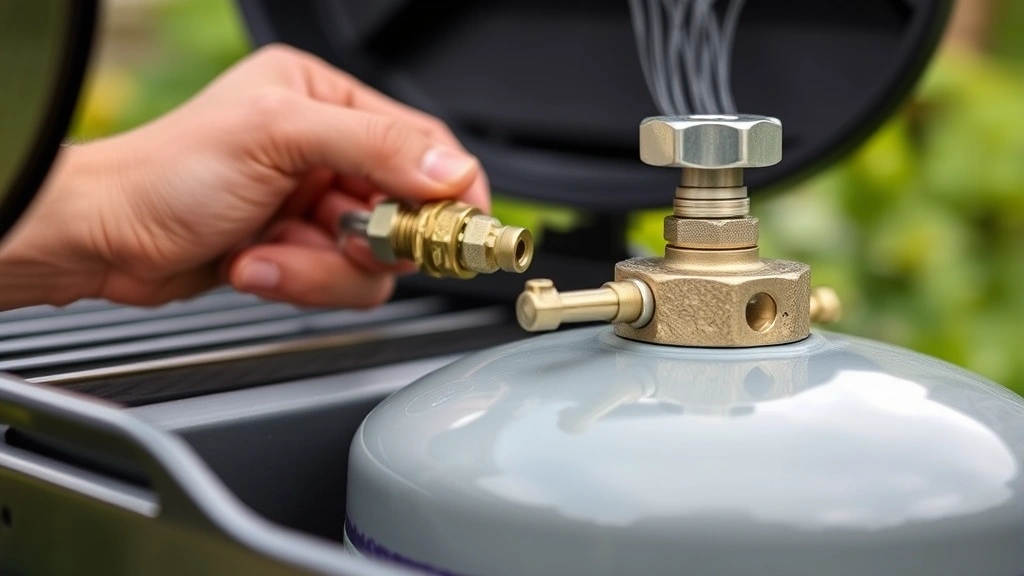
Emissions Comparison with Other Cooking Methods
To properly assess whether small gas grills are eco-friendly, comparing their emissions with alternative outdoor cooking methods provides essential context. Charcoal grills, for instance, produce significantly higher carbon emissions per unit of cooking time. Charcoal production involves energy-intensive processes, and burning charcoal releases more CO2 and particulate matter than natural gas combustion. Studies indicate charcoal grills can produce 2-3 times more emissions than equivalent gas grills for similar cooking sessions.
Wood-fired grills and smokers present an even more complex environmental picture. While wood is technically a renewable resource when harvested sustainably, the combustion process creates substantial smoke and particulate emissions. These not only contribute to air quality degradation but also release greater quantities of CO2 and other pollutants. Traditional wood burning lacks the efficiency and emissions control that gas grills provide, making small gas grills the superior choice from a pure emissions standpoint when compared to these alternatives.
Electric grills and pellet grills offer interesting comparisons. Electric grills produce zero direct emissions during operation, though their total environmental impact depends on regional electricity grid composition. In areas powered primarily by renewable energy sources, electric grills represent the most sustainable option. However, in regions relying on fossil fuel-generated electricity, the advantage diminishes considerably. Pellet grills occupy a middle ground, burning compressed wood pellets with moderate efficiency and emissions levels between charcoal and gas options.
Indoor cooking appliances, when compared to outdoor grills, generally consume less energy due to superior insulation and heat retention. However, they don’t offer the same cooking experience or seasonal flexibility. For those committed to outdoor cooking, small gas grills emerge as the most practical lower-emission option currently available in the mainstream market.
Understanding Fuel Sources and Natural Gas
The sustainability of small gas grills depends significantly on whether they use propane or natural gas. Propane grills operate independently using portable tanks, while natural gas grills connect to municipal gas lines. Both fuels are hydrocarbons derived from fossil fuel extraction, but their sourcing, delivery, and efficiency characteristics differ importantly.
Propane represents a byproduct of crude oil refining and natural gas processing. As a liquefied petroleum gas (LPG), propane offers high energy density and efficient combustion. The primary environmental concern involves propane extraction and transportation logistics. Since propane requires bottled delivery, each refill involves transportation emissions. However, propane’s energy content means fewer refills occur compared to other fuels, potentially offsetting some transportation impacts. Additionally, propane combustion produces relatively clean emissions compared to other fossil fuel options, with lower particulate matter and minimal sulfur dioxide release.
Natural gas grills connected to municipal lines eliminate transportation and packaging concerns associated with propane bottles. However, this convenience comes with broader environmental implications. Determining whether natural gas qualifies as renewable requires examining extraction and distribution practices. Natural gas extraction through conventional drilling and hydraulic fracturing (fracking) raises environmental concerns including groundwater contamination risks, induced seismic activity, and methane leakage throughout the supply chain.
Methane emissions represent the most significant environmental concern with natural gas systems. Leakage occurs at extraction sites, processing facilities, transmission pipelines, and distribution networks. Studies by environmental organizations estimate that 1-3% of natural gas escapes as methane before reaching end users. Given methane’s potent greenhouse gas properties, these leaks substantially increase the carbon footprint of natural gas consumption compared to direct CO2 emissions alone.
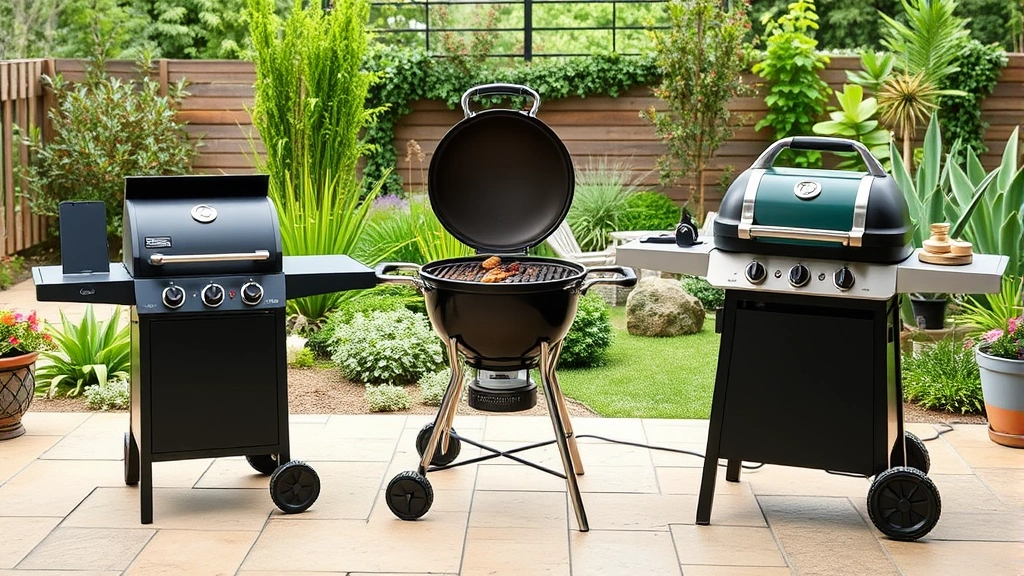
Efficiency Benefits and Energy Considerations
One significant advantage of small gas grills lies in their energy efficiency compared to alternative cooking methods. Gas combustion converts approximately 75-80% of fuel energy into usable heat, representing substantial efficiency gains over charcoal (which achieves only 20-30% efficiency) and comparable to modern electric grills. This efficiency means less fuel consumption for equivalent cooking output, reducing overall environmental impact per meal prepared.
Small gas grills inherently offer efficiency advantages over their full-sized counterparts. The reduced cooking surface area and chamber volume mean less heat loss and faster preheat times. Smaller grills reach operating temperature more quickly, reducing fuel consumption before actual cooking begins. For households cooking for 2-4 people regularly, a small gas grill represents a more efficient choice than oversized models that waste energy heating unused cooking space.
Modern small gas grills incorporate efficiency-enhancing features including improved burner design, better insulation, and thermostatic controls. Some models include stainless steel construction that reflects heat more effectively, reducing overall fuel requirements. When selecting a small gas grill, prioritizing models with these efficiency features can meaningfully reduce environmental impact over the appliance’s lifetime.
Considering practical tips for saving energy at home extends naturally to outdoor cooking practices. Using your small gas grill efficiently—through proper maintenance, appropriate heat settings, and batch cooking—maximizes the environmental benefits of this already relatively efficient cooking method.
Sustainability Factors Beyond Emissions
Evaluating whether small gas grills are truly eco-friendly requires examining factors beyond direct emissions. Product longevity and durability significantly influence overall environmental sustainability. A small gas grill lasting 15-20 years spreads its manufacturing environmental impact across decades of use, whereas a lower-quality model requiring replacement every 5 years generates proportionally more waste and manufacturing emissions.
Manufacturing impacts include material extraction, processing, and transportation. Small gas grills typically incorporate stainless steel, aluminum, cast iron, and other metals requiring energy-intensive production. However, these durable materials support long product lifespans, mitigating manufacturing impacts through extended use periods. Purchasing from manufacturers committed to sustainable production practices and ethical supply chains further improves the overall sustainability profile.
End-of-life considerations also matter significantly. Quality small gas grills constructed from recyclable materials can eventually be processed through metal recycling programs, recovering valuable materials and avoiding landfill waste. Conversely, poorly constructed models combining mixed materials and corroded components become difficult to recycle effectively. When your small gas grill reaches end-of-life, exploring recycling options through local scrap metal facilities or specialized appliance recycling programs prevents unnecessary waste.
Water usage during grill cleaning and maintenance represents a minor but relevant sustainability consideration. Small grills require less water for cleaning than larger models, contributing marginally to reduced household water consumption. This compounds with other water-saving practices when viewed holistically across home sustainability efforts.
Greener Alternatives to Consider
For those prioritizing maximum environmental sustainability, exploring alternatives to small gas grills provides valuable options. Electric grills powered by renewable energy represent the lowest-emission choice, particularly in regions with clean electricity grids. Modern electric grills have improved significantly, offering comparable cooking quality to gas models while eliminating direct combustion emissions entirely. Investigating sustainable energy solutions for home applications can help identify whether renewable-powered electric grilling fits your circumstances.
Solar-powered grills represent an emerging technology combining renewable energy with outdoor cooking. While currently limited in market availability and cooking capability, these devices exemplify the direction of sustainable outdoor cooking innovation. As solar technology advances and costs decline, solar grills may become increasingly practical for environmentally committed homeowners.
For those maintaining commitment to gas grilling, biogas or renewable natural gas (RNG) presents a promising future alternative. RNG derived from organic waste decomposition and wastewater treatment offers carbon-neutral fuel characteristics when properly sourced. However, current availability remains limited to specific geographic regions with established RNG infrastructure. Monitoring developments in renewable gas availability and advocating for expanded RNG programs supports this sustainable transition.
Reducing overall grilling frequency represents perhaps the most straightforward sustainability improvement. Dedicating grilling to special occasions rather than routine cooking reduces fuel consumption and associated emissions. Combining grilling with other outdoor activities and social gatherings maximizes the value derived from each grilling session, improving the sustainability return on fuel investment.
Tips for Using Your Grill More Sustainably
If you own or plan to purchase a small gas grill, implementing sustainable usage practices significantly reduces environmental impact. Proper maintenance including regular cleaning, inspecting burners, and checking for gas leaks ensures optimal efficiency. A well-maintained grill burns fuel more completely and effectively, reducing waste and emissions. Annual professional inspections catch efficiency-compromising issues before they substantially impact performance.
Preheating efficiently involves turning on your grill only when ready to cook rather than extended advance warming periods. Most small gas grills reach operating temperature within 5-10 minutes. Minimizing preheat time directly reduces fuel consumption and emissions. Using a grill thermometer helps avoid excessive heat settings, as higher temperatures waste fuel without improving cooking quality for most applications.
Batch cooking maximizes grill utilization by preparing multiple meals or larger quantities during single sessions. This spreads the startup emissions and preheat fuel consumption across more food items, improving the environmental efficiency per meal served. Coordinating grilling with household meal planning enables this practice naturally.
Proper grill cover usage protects your small gas grill from weather damage, extending operational lifespan and maintaining efficiency. A well-preserved grill functions more effectively, burns fuel more cleanly, and avoids premature replacement—all positive sustainability outcomes. Quality covers also reduce weather-related performance degradation that might otherwise encourage purchasing a replacement.
Exploring comprehensive sustainability resources through the SustainWise Hub Blog provides ongoing insights into reducing environmental impact across all household activities, including outdoor cooking practices.
FAQ
Are small gas grills more eco-friendly than charcoal grills?
Yes, small gas grills generally produce significantly lower emissions than charcoal grills. Gas combustion achieves approximately 75-80% efficiency and produces fewer greenhouse gases and pollutants compared to charcoal burning, which operates at only 20-30% efficiency and releases greater quantities of CO2, particulate matter, and other emissions.
What’s the environmental difference between propane and natural gas grills?
Propane grills eliminate methane leakage concerns associated with natural gas pipeline distribution but require transportation for bottle refills. Natural gas grills avoid packaging waste but depend on infrastructure prone to methane leakage during extraction and distribution. For overall emissions, differences remain relatively modest, though natural gas may have slight advantages in regions with low methane leakage rates.
How does a small gas grill compare to an electric grill environmentally?
Electric grills produce zero direct emissions during operation, making them superior if powered by renewable electricity. However, in regions relying on fossil fuel-generated electricity, the environmental advantage diminishes significantly. Small gas grills may actually produce lower total emissions in areas with carbon-heavy electricity grids. Consider your local electricity source when making this comparison.
Can I reduce my small gas grill’s environmental impact?
Absolutely. Maintaining your grill properly, minimizing preheat time, batch cooking, using appropriate heat settings, and extending the grill’s operational lifespan all meaningfully reduce environmental impact. Additionally, limiting grilling frequency to special occasions further decreases fuel consumption and associated emissions.
Are there sustainable fuel alternatives for gas grills?
Renewable natural gas (RNG) derived from organic waste represents a promising carbon-neutral alternative, though availability remains limited to specific regions. Solar-powered grills represent emerging technology, though current options remain limited. Ultimately, reducing grilling frequency or transitioning to renewable electricity-powered electric grills offer the most accessible sustainable alternatives currently available.
What’s the environmental cost of manufacturing a small gas grill?
Manufacturing impacts depend on materials and production practices but typically involve energy-intensive metal processing. However, these upfront impacts distribute across the grill’s 15-20 year operational lifespan, making the annual manufacturing environmental cost relatively modest. Choosing durable, quality models maximizes this benefit by extending the period over which manufacturing impacts are amortized.
Is natural gas considered a renewable energy source?
Natural gas is a fossil fuel, not renewable. Understanding whether natural gas qualifies as renewable reveals that while some renewable alternatives like biogas exist, conventional natural gas extraction depletes finite resources. This distinction matters when evaluating long-term sustainability of gas grill ownership.
How do small gas grills compare to vehicle emissions?
A small gas grill operating for one hour produces emissions roughly equivalent to driving a passenger vehicle 5-10 miles. This perspective helps contextualize grill emissions within broader household carbon footprints. However, occasional grilling contributes minimally to annual emissions compared to transportation and home heating/cooling, which remain the largest household emission sources.


