Southeast Gas: Sustainable Practices in 2023
The energy sector in the Southeast is undergoing a significant transformation as companies prioritize environmental responsibility alongside operational efficiency. Southeast Gas, as a major energy provider in the region, has implemented comprehensive sustainable practices designed to reduce emissions, enhance energy efficiency, and support the transition toward cleaner energy sources. In 2023, these initiatives reflect a broader commitment to environmental stewardship and climate action that reshapes how natural gas companies operate in an increasingly eco-conscious market.
Understanding the sustainable practices adopted by Southeast Gas provides valuable insights into how traditional energy providers are adapting to meet modern environmental standards. From renewable energy integration to methane leak reduction programs, the company demonstrates that fossil fuel providers can meaningfully contribute to climate goals while maintaining reliable service delivery. This comprehensive examination explores the key initiatives, technological innovations, and strategic commitments that define Southeast Gas’s approach to sustainability in 2023.
Methane Emission Reduction Initiatives
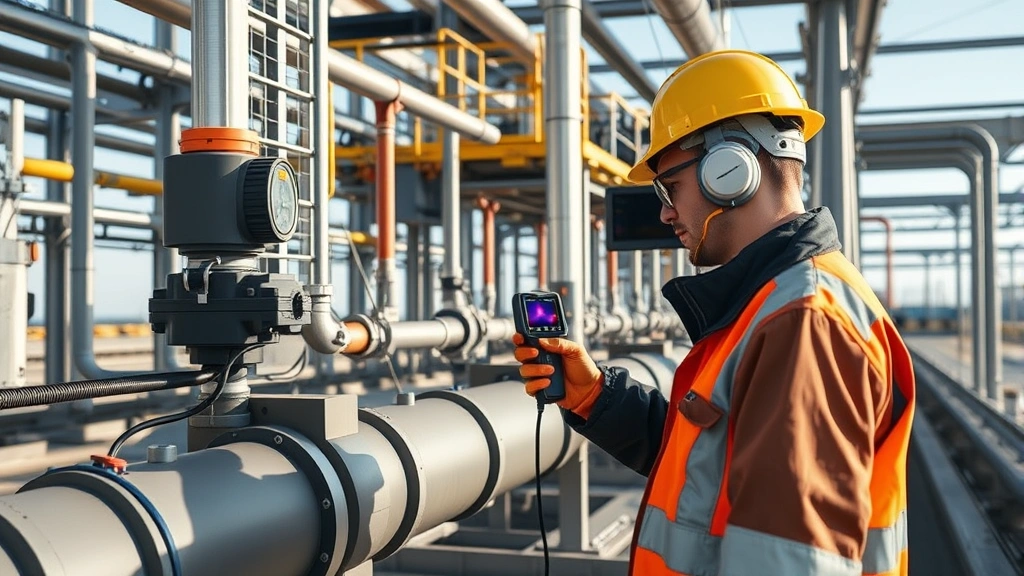
Methane represents one of the most potent greenhouse gases, with a warming potential significantly higher than carbon dioxide over shorter timeframes. Southeast Gas has prioritized methane leak detection and repair programs as central to its sustainability strategy. The company employs advanced technologies including infrared cameras, drone surveillance, and acoustic monitoring systems to identify leaks in its extensive pipeline network across the Southeast region.
The Methane Challenge Program established by Southeast Gas includes regular inspections of distribution lines, compressor stations, and storage facilities. By detecting and repairing leaks promptly, the company prevents thousands of metric tons of methane from entering the atmosphere annually. This commitment aligns with broader industry standards and regulatory requirements, demonstrating that environmental protection and operational excellence are complementary objectives.
In 2023, Southeast Gas reported a 15% reduction in methane emissions compared to 2022 levels, exceeding initial targets. This achievement resulted from systematic pipeline upgrades, replacement of older equipment prone to leakage, and implementation of predictive maintenance protocols. The company invested over $50 million in leak detection infrastructure, recognizing that preventing emissions at the source proves more cost-effective than attempting mitigation after release.
These methane reduction efforts contribute significantly to the company’s broader climate strategy and support regional air quality improvements. By addressing fugitive emissions, Southeast Gas demonstrates corporate responsibility while protecting community health and environmental integrity throughout its service territory.
Renewable Energy Integration and Partnerships
While natural gas remains Southeast Gas’s primary business, the company recognizes the imperative to integrate renewable energy sources and support the broader transition toward clean energy. In 2023, Southeast Gas established strategic partnerships with sustainable energy solutions providers to develop hybrid energy systems that combine natural gas with solar, wind, and biogas technologies.
One significant initiative involves investing in renewable natural gas (RNG) projects that capture methane from landfills, wastewater treatment facilities, and agricultural operations. These facilities convert waste-derived methane into pipeline-quality gas, providing a carbon-neutral alternative to conventional natural gas. Southeast Gas has committed to sourcing 5% of its gas supply from renewable sources by 2025, with plans to increase this percentage substantially in subsequent years.
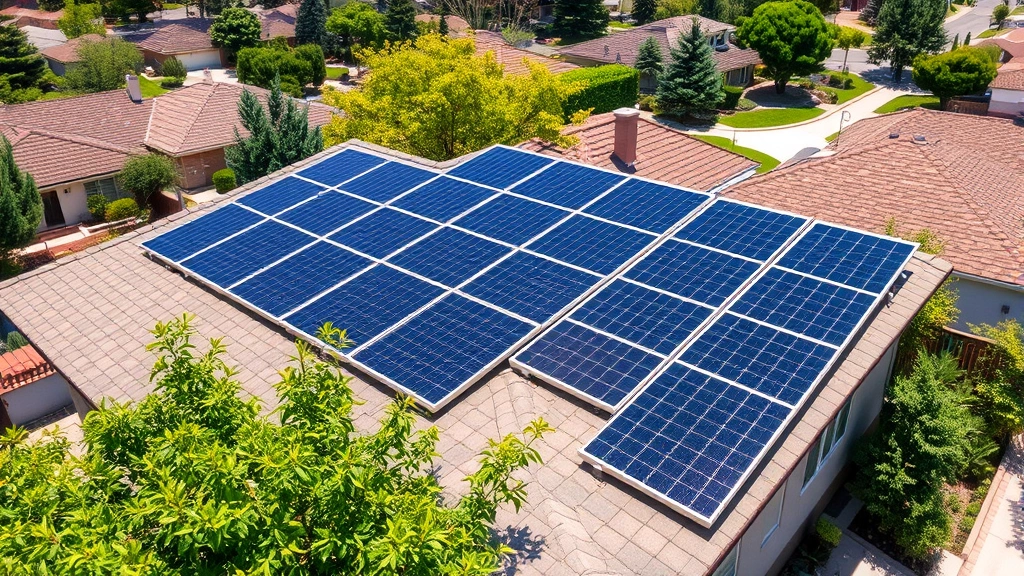
The company also supports customer adoption of hybrid heating systems and provides incentives for residential and commercial clients to combine natural gas appliances with solar thermal systems. This approach acknowledges that renewable energy adoption requires time and infrastructure development while offering practical solutions that reduce overall carbon footprints immediately. Educational programs help customers understand how reducing environmental footprint benefits both personal finances and planetary health.
Partnerships with renewable energy organizations and research institutions enable Southeast Gas to stay informed about emerging technologies and best practices. These collaborations foster innovation while building stakeholder confidence that the company takes climate action seriously and invests in solutions beyond its traditional business model.
Infrastructure Modernization and Smart Technology
Aging infrastructure represents a significant challenge for gas utilities, with older systems prone to inefficiencies, leaks, and safety risks. Southeast Gas has implemented an ambitious infrastructure modernization program that replaces outdated pipes and equipment with modern, efficient alternatives. This initiative involves replacing cast iron and bare steel pipes—some installed decades ago—with corrosion-resistant materials that maintain system integrity and reduce maintenance costs.
The deployment of smart metering technology enables real-time monitoring of gas consumption patterns and rapid identification of anomalies indicating leaks or failures. These advanced metering infrastructure (AMI) systems provide customers with detailed usage data, empowering them to make informed decisions about consumption and identify opportunities for conservation. The granular data collected also helps Southeast Gas optimize distribution networks and predict maintenance needs before failures occur.
Digital asset management systems track equipment condition and performance across the entire network, enabling data-driven maintenance scheduling that prevents emergency situations while reducing costs. By leveraging artificial intelligence and machine learning algorithms, Southeast Gas identifies patterns in equipment degradation and implements preventive measures that extend asset lifespan while improving reliability.
These technological investments align with the green technology innovations transforming our future, demonstrating how traditional utilities can modernize operations to achieve environmental and economic benefits simultaneously. Smart technology integration also enhances customer service by providing transparency and enabling more efficient response to service requests.
Community Engagement and Environmental Education
Sustainability extends beyond corporate operations to include community partnerships and educational initiatives that foster environmental awareness and action. Southeast Gas invests in community programs that promote energy efficiency, environmental conservation, and climate literacy. The company sponsors workshops, school partnerships, and public awareness campaigns that help residents understand their role in climate action.
The Energy Efficiency Assistance Program provides low-income households with free energy audits and rebates for efficiency upgrades including weatherization, insulation improvements, and appliance replacements. This initiative recognizes that environmental protection must be equitable, ensuring that all community members can benefit from efficiency improvements regardless of economic status. By reducing energy consumption in underserved communities, the program simultaneously lowers utility bills and decreases environmental impact.
Southeast Gas also partners with environmental organizations and educational institutions to develop curriculum materials that teach students about energy systems, climate science, and sustainable practices. These educational investments build long-term support for climate action while developing workforce skills needed for the clean energy transition. Internship programs and scholarship opportunities help students pursue careers in renewable energy and environmental engineering.
Community advisory boards provide residents with voice in company decision-making, ensuring that sustainability initiatives reflect community priorities and concerns. Regular town halls and stakeholder meetings foster transparent dialogue about environmental performance, future plans, and opportunities for collaborative action. This engagement approach recognizes that sustainable practices require social license and genuine partnership with the communities served.
Operational Efficiency and Cost Savings
An important aspect of Southeast Gas’s sustainability strategy involves operational efficiency improvements that simultaneously reduce environmental impact and lower costs. The company has implemented comprehensive energy management programs across all facilities, including office buildings, operations centers, and maintenance facilities. LED lighting upgrades, HVAC system optimization, and renewable energy installations at company facilities have reduced operational energy consumption by 20% since 2020.
Fleet electrification represents another significant efficiency initiative, with Southeast Gas transitioning service vehicles to electric and hybrid-electric models. The company has deployed charging infrastructure at maintenance facilities and established partnerships with electric vehicle providers to accelerate fleet conversion. This transition reduces fuel costs, decreases air pollution, and demonstrates commitment to the advantages of electric vehicles for commercial applications.
Waste reduction and recycling programs throughout Southeast Gas operations divert substantial quantities of material from landfills. The company has implemented circular economy principles in procurement practices, prioritizing suppliers who demonstrate strong environmental performance and sustainable manufacturing practices. By incorporating sustainability criteria into purchasing decisions, Southeast Gas leverages its procurement power to drive positive environmental change throughout its supply chain.
Water conservation programs address another critical resource. Compressor cooling systems and other operational processes have been retrofitted to use recirculating systems that dramatically reduce water consumption. These efficiency improvements reduce operational costs while protecting local water resources in water-stressed regions of the Southeast.

Renewable Gas Development Programs
Recognizing that complete fossil fuel elimination requires time and technological development, Southeast Gas has invested substantially in renewable gas (also called biogas or biomethane) projects. These initiatives capture methane from organic waste sources and convert it to pipeline-quality gas suitable for existing infrastructure and appliances. This approach enables rapid carbon reduction without requiring massive infrastructure replacement.
Southeast Gas partners with landfill operators, wastewater utilities, and agricultural facilities to develop gas capture projects. Landfill gas-to-energy facilities convert methane that would otherwise be released to the atmosphere into usable fuel. Wastewater treatment plants similarly capture biogas produced during treatment processes, generating energy while treating sewage. Agricultural biodigesters convert livestock manure into energy and soil amendments, creating multiple environmental and economic benefits for farming operations.
The company has established renewable gas certification programs that verify the carbon benefits of biogas projects and enable customers to purchase renewable gas with confidence. These programs provide transparent accounting of lifecycle carbon reductions, ensuring that environmental claims are substantiated and measurable. Third-party verification adds credibility and supports market development for renewable gas products.
Investment in renewable gas infrastructure positions Southeast Gas as a leader in transitioning the natural gas industry toward carbon neutrality. While renewable gas cannot completely replace conventional natural gas immediately, it provides a practical pathway for reducing carbon emissions from existing gas systems while renewable electricity and hydrogen technologies mature.
Climate Commitments and Long-Term Goals
Southeast Gas has established ambitious climate commitments that align with global climate goals and regional environmental priorities. The company has pledged to achieve net-zero greenhouse gas emissions from its operations by 2050, with interim targets for 2030 and 2040. These commitments extend beyond regulatory requirements, reflecting genuine corporate commitment to climate action and stakeholder expectations for environmental responsibility.
The company’s Sustainability Report 2023, published in accordance with EPA guidelines and Global Reporting Initiative standards, provides transparent accounting of environmental performance and progress toward climate goals. This commitment to transparency enables stakeholders to assess performance objectively and hold the company accountable for stated commitments.
Southeast Gas has also embraced the Science Based Targets initiative, which ensures that climate commitments align with climate science requirements for limiting global warming to 1.5 degrees Celsius. This alignment demonstrates that the company’s environmental goals reflect genuine climate science rather than symbolic gestures or insufficient targets.
Long-term investments in renewable gas, hydrogen fuel development, and carbon capture technologies position Southeast Gas to transition progressively toward cleaner energy systems. The company recognizes that natural gas will play a declining but important role in energy systems for decades, and commits to ensuring that role minimizes environmental impact while supporting community energy needs.
Workforce development programs prepare employees for transitions in job requirements as the company evolves its business model. Training in renewable gas technologies, electric vehicle maintenance, and energy efficiency upgrades ensures that workers can contribute meaningfully to the clean energy transition while maintaining stable employment. This approach recognizes that just transition principles must guide energy sector transformation.
Frequently Asked Questions
What are the main environmental benefits of Southeast Gas’s sustainability initiatives?
Southeast Gas’s initiatives reduce methane emissions, decrease overall energy consumption, support renewable energy development, and minimize waste. These efforts collectively reduce the company’s carbon footprint while improving air quality and protecting water resources in the Southeast region. The company’s commitment to transparency enables stakeholders to verify environmental benefits through independent reporting.
How does renewable natural gas differ from conventional natural gas?
Renewable natural gas is produced from organic waste sources including landfill gas, wastewater biosolids, and agricultural manure. It provides the same energy content and can use existing pipeline and appliance infrastructure as conventional natural gas. The key difference is that renewable gas production captures methane that would otherwise be released to the atmosphere, making it carbon-neutral or carbon-negative depending on lifecycle accounting.
What can customers do to support Southeast Gas’s sustainability goals?
Customers can participate by enrolling in renewable gas programs, implementing energy efficiency improvements, utilizing smart meter data to monitor consumption, and participating in community feedback opportunities. The company also offers incentives for customers who adopt hybrid heating systems combining natural gas with solar thermal technology. Educational programs help customers understand their role in climate action.
How does Southeast Gas compare to other regional energy providers in sustainability?
Southeast Gas’s methane reduction achievements, renewable gas investments, and transparency reporting place the company among regional leaders in sustainability. However, all fossil fuel providers face inherent limitations in environmental performance. Customers interested in maximum environmental benefit should explore all available sustainable energy solutions and consider opportunities to transition to renewable electricity where feasible.
What role will natural gas play in future energy systems?
Most climate scenarios anticipate that natural gas will play a declining but important role in energy systems through 2050. Natural gas provides flexible, dispatchable power that complements variable renewable sources and provides heating in regions where electrification faces technical or economic barriers. Renewable gas and hydrogen may eventually replace most fossil natural gas, but this transition requires time and technology development that Southeast Gas is actively supporting.
How can I learn more about Southeast Gas’s sustainability performance?
The company publishes annual sustainability reports detailing environmental performance, climate commitments, and progress toward goals. These reports are available on the company website and follow standardized reporting frameworks enabling comparison with other utilities. Customers can also contact community relations to learn about specific programs and initiatives available in their service area.
For broader context on energy sustainability, explore resources on definition of sustainability and visit the SustainWise Hub Blog for comprehensive information on environmental topics.
What certifications or standards does Southeast Gas follow?
Southeast Gas complies with EPA environmental regulations and participates in voluntary programs including the Natural Gas STAR Program, which recognizes companies implementing best practices for methane reduction. The company also adheres to Global Reporting Initiative sustainability reporting standards and is pursuing Science Based Targets certification. These frameworks ensure that environmental commitments reflect genuine standards rather than self-defined benchmarks.


