Are Speedway Gas Prices Sustainable? Analyst Insight
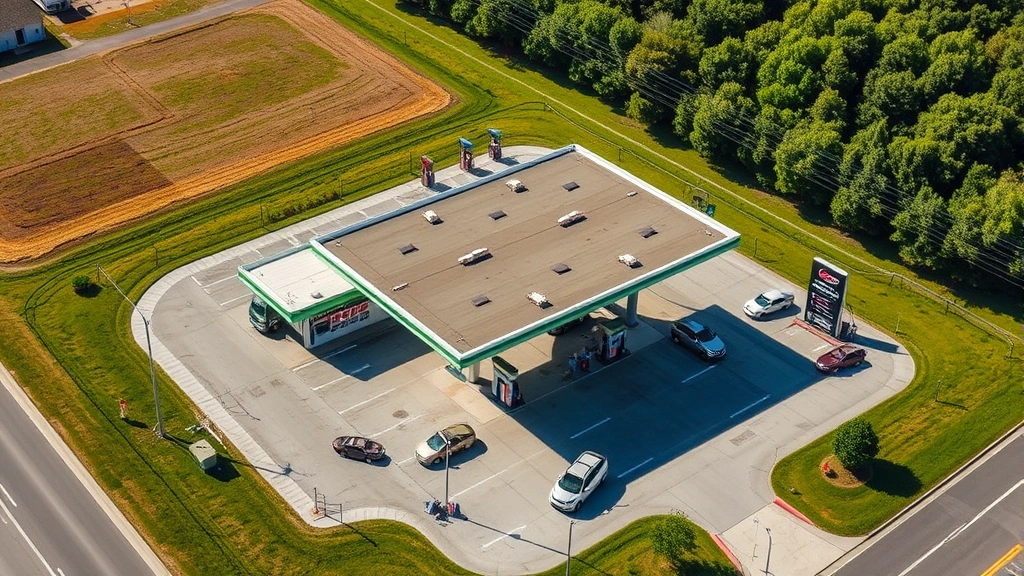
Speedway, one of America’s largest convenience store chains with over 3,900 locations, has become a focal point in discussions about fuel pricing and environmental sustainability. As consumers increasingly scrutinize where they purchase gasoline, questions about Speedway gas prices and their relationship to broader sustainability goals have gained prominence. This analysis examines whether current Speedway pricing models align with long-term environmental and economic sustainability principles, and what this means for conscious consumers navigating their energy choices.
The convenience fuel market operates under unique pressures that distinguish it from traditional gas stations. Speedway’s pricing strategy, inventory management, and corporate positioning reflect both market competition and evolving consumer expectations around environmental responsibility. Understanding these dynamics requires examining pricing mechanisms, supply chain impacts, and the broader context of fossil fuel economics in an era increasingly focused on sustainable energy solutions.
Understanding Speedway’s Market Position
Speedway operates within a highly competitive convenience retail sector where fuel sales often serve as traffic drivers for higher-margin products. The company’s pricing strategy reflects this dual-revenue model: gasoline operates on razor-thin margins (typically 5-15 cents per gallon), while convenience items generate substantially higher profit percentages. This business structure fundamentally influences how Speedway prices fuel and whether those prices can be considered sustainable from an economic perspective.
The chain’s ownership changes significantly impact pricing dynamics. When Murphy USA acquired Speedway in 2021, the transaction created new operational frameworks and cost structures that directly affected pump prices. Understanding this corporate landscape is essential for evaluating whether current pricing reflects true market conditions or corporate consolidation effects. The relationship between convenience store chains and fuel pricing raises important questions about market concentration and consumer choice.
Speedway’s geographic distribution across primarily Midwest and Eastern U.S. regions means pricing varies considerably based on local market conditions, state regulations, and regional supply chains. This geographic variation complicates any blanket assessment of sustainability. Some locations operate in competitive markets with multiple fuel retailers, while others function in areas with limited alternatives, affecting price competitiveness and consumer options.
Consumer behavior research indicates that convenience and loyalty programs often outweigh pure price considerations in fuel purchasing decisions. Speedway’s rewards program and integrated payment systems create customer lock-in effects that may reduce price sensitivity. This behavioral dimension suggests that published pump prices tell only part of the story regarding what consumers actually pay and whether they’re making sustainable choices.
Gas Pricing Mechanics and Sustainability Implications
Fuel pricing operates through complex supply chain mechanisms influenced by crude oil markets, refining capacity, transportation costs, and retail markup strategies. Speedway’s prices fluctuate daily based on wholesale fuel index prices, typically the OPIS (Oil Price Information Service) or similar benchmarks. Understanding these mechanics is crucial for assessing whether pricing is “sustainable” from an economic standpoint.
The sustainability question extends beyond simple affordability. True economic sustainability requires pricing that reflects the full cost of production, distribution, and environmental externalities. Current gasoline pricing in the United States, including at Speedway stations, does not incorporate the environmental costs of carbon emissions, air pollution, or climate change impacts. This market failure means pump prices are artificially low from a true sustainability perspective.
When analyzing whether Speedway prices are sustainable, economists point to the absence of carbon pricing mechanisms in most U.S. states. A gallon of gasoline that sells for $3.50 at a Speedway pump would cost significantly more if it reflected environmental externalities including greenhouse gas emissions, particulate matter pollution, and climate adaptation costs. This pricing gap represents a fundamental disconnect between market prices and genuine sustainability.
The volatility of crude oil markets introduces additional sustainability concerns. Price spikes driven by geopolitical events or supply disruptions can strain consumer budgets and discourage transition to advantages of electric vehicles and alternative fuels. Conversely, price dips reduce incentives for energy efficiency and sustainable transportation choices. From a stability perspective, Speedway’s reliance on commodity market pricing represents a structural sustainability challenge.
Speedway’s competitive positioning requires maintaining price parity with regional competitors while achieving adequate margins. This creates pressure toward aggressive pricing that may not reflect long-term sustainability costs. The convenience retail model essentially subsidizes fuel consumption through low-margin gasoline sales that drive convenience purchases, perpetuating fossil fuel dependence rather than encouraging sustainable alternatives.
Environmental Cost Analysis
The environmental sustainability of Speedway gas prices cannot be evaluated without examining the full lifecycle impacts of gasoline consumption. Each gallon sold at Speedway pumps represents approximately 24 pounds of carbon dioxide emissions when combusted, plus additional emissions from extraction, refining, and transportation. These environmental costs are entirely absent from pump pricing, creating a massive valuation gap.
According to EPA climate impact research, transportation accounts for approximately 29% of U.S. greenhouse gas emissions, with gasoline vehicles representing the largest component. Every gallon Speedway sells contributes to this emissions profile, yet the price charged to consumers bears no relationship to these climate costs. From an environmental sustainability perspective, Speedway’s pricing is fundamentally unsustainable because it enables overconsumption of a climate-damaging product.
Beyond carbon emissions, gasoline combustion generates nitrogen oxides, particulate matter, and volatile organic compounds that damage air quality and public health. These health externalities impose costs on society through increased medical expenses, lost productivity, and reduced life expectancy. Health economists estimate these costs at $0.30-$0.50 per gallon, yet consumers pay nothing for these impacts at the pump. Speedway’s pricing structure, like all retail gasoline sellers, externalizes these significant environmental and health costs.
The extraction and refining phases of gasoline production generate their own environmental impacts including water contamination, habitat disruption, and energy consumption. Speedway’s supply chain depends on these upstream processes, yet the convenience retailer bears no responsibility for these impacts. This separation between consumption point and production impacts obscures the true environmental cost of the product being sold.
Comparing fossil fuel pricing to is natural gas renewable energy alternatives reveals the subsidy nature of current fuel markets. Renewable energy sources increasingly compete on price without environmental subsidies, suggesting that true market-based pricing would favor renewable transitions. Speedway’s pricing model perpetuates fossil fuel dependence by failing to reflect true costs.
Consumer Alternatives and Sustainable Choices
For consumers concerned about sustainability, evaluating whether to purchase fuel at Speedway requires considering available alternatives. The most impactful choice involves advantages of electric vehicles, which eliminate direct fuel consumption and associated emissions. Electric vehicles charged with renewable electricity represent the most sustainable transportation option available to consumers today.
For those unable to transition to electric vehicles, fuel choice becomes important. Ethanol-blended gasoline (E10, containing 10% ethanol) represents a partial alternative, though sustainability benefits remain contested. Biodiesel and other biofuels offer additional options, though availability varies significantly by location. Speedway’s product offerings in different markets reflect these alternatives to varying degrees.
Beyond fuel type, consumption reduction represents perhaps the most sustainable approach. Strategies including carpooling, public transportation utilization, remote work, and trip consolidation all reduce fuel consumption regardless of where that fuel is purchased. How to save energy at home principles extend to transportation choices, encouraging consumers to reduce overall energy consumption rather than optimizing fuel sources.
Some consumers prioritize purchasing fuel from retailers demonstrating environmental commitment through renewable energy investments or carbon reduction initiatives. While Speedway has initiated various sustainability programs, the company’s primary business remains fossil fuel retail. Consumers seeking to support truly sustainable businesses may prefer retailers with stronger renewable energy portfolios or alternative fuel infrastructure.
Price transparency and loyalty programs complicate consumer decision-making. Speedway’s rewards program may offer price advantages that override concerns about supplier sustainability. This illustrates how consumer behavior doesn’t always align with stated sustainability values when immediate financial incentives override longer-term environmental considerations.
Corporate Sustainability Initiatives
Murphy USA, Speedway’s parent company, has implemented various sustainability initiatives designed to address environmental concerns. These include store efficiency improvements, fleet electrification for company vehicles, and renewable energy pilots at select locations. However, these corporate initiatives remain marginal relative to the company’s core business of selling fossil fuels.
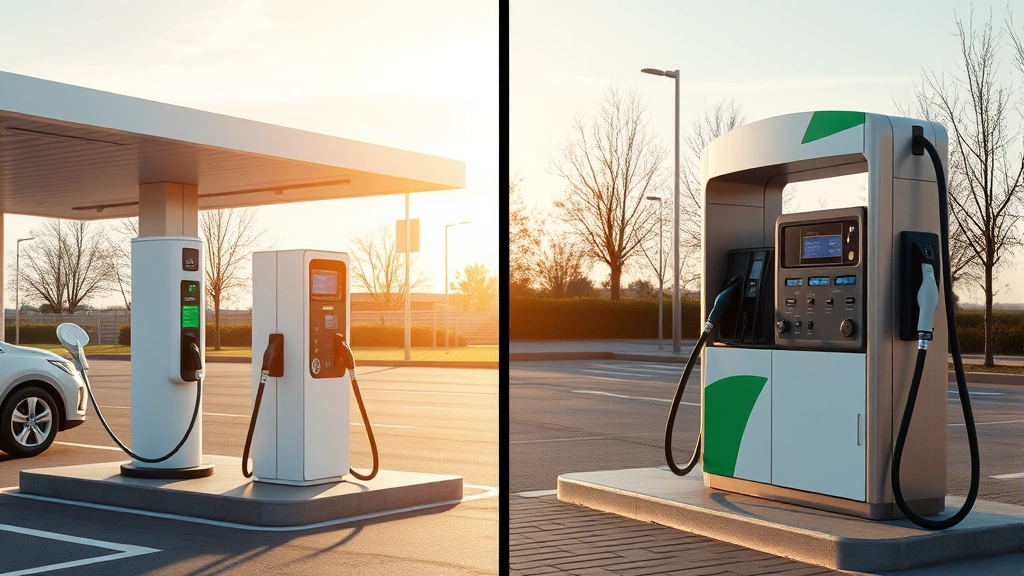
The company has explored alternative fuel infrastructure development, including electric vehicle charging stations at some locations. These initiatives represent important steps toward green technology innovations transforming our future, though their scale remains limited compared to fossil fuel sales. Scaling alternative fuel infrastructure would require substantial capital investment and strategic commitment beyond current initiatives.
Corporate sustainability reporting from Murphy USA addresses environmental goals, though critics argue these commitments remain insufficient given the company’s fossil fuel dependence. The fundamental tension exists between corporate sustainability messaging and business model reality: a company primarily profiting from fossil fuel sales faces inherent sustainability challenges regardless of peripheral green initiatives.
Transparency around supply chain sustainability remains limited. Consumers purchasing fuel at Speedway have minimal information about extraction practices, refinery standards, or transportation impacts associated with their purchases. Enhanced supply chain transparency could enable more informed consumer decisions and incentivize upstream sustainability improvements.
Industry-wide trends suggest increasing pressure on fossil fuel retailers to develop alternative business models. Some convenience store chains have invested heavily in sustainable energy solutions and alternative fuel infrastructure. Speedway’s pace of transition lags behind some competitors, potentially creating long-term business risk as consumer preferences and regulatory environments evolve.
Future Outlook for Fuel Pricing
The future sustainability of gasoline pricing depends significantly on policy developments around carbon pricing and emissions regulations. If carbon pricing mechanisms are implemented—either through carbon taxes or cap-and-trade systems—fuel prices would increase substantially to reflect environmental costs. Such policy changes would fundamentally alter the economics of fuel retail, including Speedway’s pricing strategies.
Electric vehicle adoption rates will influence fuel demand and pricing dynamics. As EV market share increases, gasoline demand decreases, potentially impacting prices at retailers like Speedway. This creates an interesting feedback loop where sustainable transportation choices directly affect the viability of traditional fuel retail business models. Speedway’s long-term sustainability depends partly on adaptation to declining fuel demand.
Climate policy evolution at federal and state levels will increasingly pressure fossil fuel retailers toward alternative business models. Some states have implemented aggressive emissions reduction targets requiring transportation electrification. These regulatory trends suggest that traditional gasoline retail faces structural headwinds regardless of pricing strategies.
Technological innovations in battery storage, renewable energy, and electric transportation continue accelerating. These developments strengthen the economic case for sustainable alternatives while weakening the competitive position of fossil fuels. Speedway’s pricing strategy operates within this broader context of technological disruption.
Consumer expectations around corporate sustainability continue rising, particularly among younger demographics. Future competitive advantage may depend on environmental credibility and authentic sustainability commitment rather than pure price competition. Speedway’s ability to attract environmentally conscious consumers depends partly on evolving its business model beyond traditional fuel retail.
International carbon pricing mechanisms and supply chain sustainability standards may eventually influence U.S. retail fuel pricing. Global climate commitments create pressure for pricing reforms that would make current Speedway prices unsustainable from both environmental and economic perspectives.
FAQ
Are Speedway gas prices cheaper than competitors?
Speedway’s pricing varies by location and time. In competitive markets, prices typically align with regional averages. The company’s rewards program may offer effective discounts that improve value proposition. However, pure pump price comparisons show Speedway competitive but not consistently cheapest.
Does Speedway offer renewable fuel options?
Most Speedway locations offer E10 gasoline (10% ethanol blending). Availability of higher ethanol blends or biodiesel varies by location. The company has limited renewable fuel infrastructure compared to some competitors, though renewable initiatives are expanding.
How do environmental costs factor into sustainable fuel pricing?
Current gasoline pricing excludes environmental externalities including carbon emissions, air pollution, and climate impacts. True sustainable pricing would incorporate these costs, making gasoline substantially more expensive. This pricing gap represents a fundamental market failure in fossil fuel markets.
What’s the most sustainable fuel purchasing choice?
From a sustainability perspective, eliminating fuel consumption through electric vehicles, public transportation, or reduced travel represents the most impactful choice. For necessary gasoline consumption, supporting retailers investing in renewable infrastructure and alternative fuels aligns better with sustainability goals.
Will Speedway’s pricing become more sustainable?
Speedway’s pricing sustainability depends on policy developments around carbon pricing, electric vehicle adoption rates, and consumer demand for sustainable alternatives. Regulatory pressure and market evolution will likely force significant business model changes in coming decades.
How can consumers make more sustainable fuel choices?
Beyond choosing fuel sources, reducing overall consumption through efficient driving, trip consolidation, and transportation mode selection represents the most impactful approach. For those unable to transition to electric vehicles, selecting retailers demonstrating environmental commitment through alternative fuel infrastructure and sustainability initiatives supports broader market transition.