Table of Contents
Introduction
Here’s something that’s been keeping business leaders up at night: how do you build a supply chain that’s both profitable and planet-friendly? It’s not just a nice-to-have anymore. Consumers are asking tougher questions, regulators are tightening the screws, and frankly, the old “profits at any cost” approach just isn’t cutting it. Sustainability in supply chain management has moved from the “someday” pile to the “right now” urgent list.
The shift is real, and it’s happening fast. Your customers want to know where their products come from—and they want those origins to be clean, ethical, and sustainable. Companies that get this right are seeing something amazing: they’re cutting costs, boosting their reputation, and actually sleeping better at night knowing they’re part of the solution. But here’s the thing—sustainable supply chains aren’t just about feeling good. They’re about smart business practices like waste reduction, energy efficiency, and choosing suppliers who share your values. If you’re serious about this journey, you’ll want to look into exploring sustainable agriculture techniques that keep our planet healthy for the long haul. And don’t forget—you need solid business sustainability strategies that weave eco-friendly thinking into every corner of your operation.
Now, let’s be honest—this isn’t a walk in the park. Getting full transparency from every supplier in your chain? That’s tough. Really tough. But it’s also absolutely critical if you want to meet environmental and social standards that actually mean something. The good news? Technology is stepping up to help. Advanced artificial intelligence in supply chain management is changing the game completely. We’re talking about AI that can predict demand more accurately, optimize routes to cut emissions, and spot inefficiencies that humans might miss. It’s like having a crystal ball that actually works—and it helps you make money while protecting the planet.
What’s really exciting is how this ripples out beyond your company. Businesses that prioritize sustainability aren’t just doing the right thing—they’re often doing the smart thing financially. Lower operational costs? Check. Better brand reputation? Absolutely. Easier compliance with regulations? You bet. Plus, we’re living in an age of incredible green innovations. Electric vehicles, renewable energy systems, waste-to-energy technologies—the list keeps growing. Want to see what’s coming next? Check out these green technology innovations that are literally reshaping how we think about business and sustainability.
What You’ll Learn in This Guide
This guide isn’t just another theoretical deep-dive. It’s a practical roadbook for anyone who wants to build supply chains that work—for business, for people, and for the planet. Whether you’re running a company, managing supply chain operations, or championing sustainability initiatives, you’ll walk away with actionable insights you can start using tomorrow.
- The Importance of Sustainability: We’ll break down exactly why sustainable supply chains matter—not just for PR, but for your bottom line. You’ll see how cutting emissions, managing resources smarter, and building stronger supplier relationships can actually strengthen your entire business model.
- Overcoming Implementation Challenges: Yes, there are obstacles. High upfront costs, murky supplier transparency, data headaches—we’ll tackle them head-on. More importantly, we’ll show you practical ways to work around these challenges using smart tools and strategic partnerships.
- Strategies for Sustainable Supply Chains: This is where we get into the nitty-gritty. Supplier engagement tactics that actually work. Materials that are both eco-friendly and cost-effective. Transportation optimization that cuts both emissions and costs. And renewable energy investments that pay for themselves.
- Measuring and Monitoring Performance: You can’t improve what you don’t measure. We’ll walk through the essential metrics—carbon footprint tracking, waste reduction targets, energy consumption monitoring—and show you how to turn this data into real improvements.
Looking forward, the future of supply chain sustainability is being written right now. Blockchain technology is making supply chains more transparent than ever. AI is optimizing everything from inventory levels to delivery routes. And the circular economy—where waste becomes input for something else—is moving from concept to reality. If you want to understand how technology is driving these changes, diving into AI applications in supply chain management will open your eyes to possibilities you might not have considered. As we work through this guide together, you’ll learn not just what to do, but when to bring in experts and how to prepare for the big shifts that are coming.
By the time you finish reading, you won’t just understand sustainability in supply chains—you’ll have a clear action plan. You’ll know which battles to fight first, which technologies to invest in, and how to build momentum that actually sticks. Most importantly, you’ll be ready to lead the kind of transformation that makes your organization stronger while making the world a little bit better. Sound like something worth your time? Let’s get started.

Here’s the thing about sustainability in supply chains—it’s no longer just a “nice to have.” Environmental responsibility has become absolutely critical, and businesses that ignore it do so at their own peril. But here’s what’s exciting: integrating sustainable practices throughout your supply chain doesn’t just shrink your ecological footprint. It actually aligns perfectly with what consumers want and what regulators demand. So let’s dig into what makes sustainable supply chains work, why they’re game-changers for business, and (let’s be honest) the real challenges you’ll face along the way. By the end of this, you’ll understand exactly how sustainable methods can transform your operations, boost your environmental stewardship, and drive the kind of long-term success that actually matters.
Why Sustainability Matters in Supply Chains
Want to know why sustainable supply chains aren’t just trendy buzzwords? They’re foundational to staying competitive and relevant in today’s market. The benefits go way beyond just being environmentally responsible—though that’s obviously important too. When businesses embrace sustainability, they typically see reduced waste and emissions. Translation? Real cost savings through smarter resource use and easier regulatory compliance. But here’s where it gets interesting: these initiatives also boost your brand reputation big time. Eco-conscious consumers (and they’re everywhere now) develop genuine trust and loyalty when they see companies walking the walk, not just talking the talk. This creates competitive differentiation that money can’t buy. To really see how this plays out across different industries, check out sustainability in various industry sectors—it’s fascinating how different businesses tailor their approaches.
Let’s talk numbers for a second. Sustainable supply chains can slash costs through reduced material waste and energy consumption. That’s money back in your pocket. But there’s another angle here: regulatory environments worldwide are getting stricter by the day. Companies that get ahead of this curve don’t just avoid penalties—they often score incentives and gain access to markets that prioritize green initiatives. Smart, right? Navigating these regulatory complexities requires solid strategies and transparent supplier relationships. That’s where innovative solutions like green technology innovations come into play, helping you hit sustainability goals while actually improving operations. The result? Supply chain networks that are both resilient and adaptable.
Key Benefits of Sustainable Supply Chains
When we talk about successful sustainable supply chains, we’re looking at benefits that span multiple dimensions. Here’s what really matters:
- Reduced Environmental Impact: Using eco-friendly materials and cutting waste directly lowers greenhouse gas emissions and conserves natural resources. This isn’t just good PR—it’s essential for tackling climate change and protecting biodiversity.
- Cost Savings Through Efficiency: Streamlined operations with lower energy use and minimal waste translate to immediate cost reductions. Better efficiency often means improved profit margins and less dependence on volatile resources.
- Improved Brand Reputation: Today’s consumers and business partners actively seek out sustainable and ethical practices. Companies known for responsible supply chains don’t just attract customers—they create advocates who stick around.
- Regulatory Compliance: Staying ahead of environmental laws and international standards reduces legal risks and keeps market access smooth. Plus, it positions your company as a proactive sustainability leader.
See how sustainability weaves environmental responsibility together with real business value? That’s why it’s become the cornerstone of modern corporate strategy. Now, knowing these benefits is one thing—but what about the practical obstacles companies face when trying to implement these practices? Let’s tackle those head-on.
Challenges to Implementing Sustainability
Okay, so sustainable supply chains sound amazing (because they are), but let’s be real about the challenges. Global supply networks are complex beasts. You’ve got diverse suppliers, financial constraints, and a whole lot of moving parts. Those upfront costs for sustainable materials, new technologies, and certifications? They can be hefty, especially if you’re a smaller company working with tight budgets. Then there’s the communication challenge—getting transparent information across all your supply chain partners is often harder than herding cats. And don’t get me started on international regulations that vary wildly from region to region. It’s enough to make anyone’s head spin.
Here’s another pain point: data collection. Companies constantly struggle with measuring carbon footprints, tracking waste reduction, and monitoring energy consumption accurately. Why? Because data systems are often fragmented, and reporting standards are all over the place. This makes it nearly impossible to validate sustainability claims, track real progress, or communicate achievements convincingly to stakeholders. The solution? Strategic planning, investment in advanced monitoring tech, and rock-solid collaboration frameworks among suppliers, manufacturers, and distributors. Tools like technology in supply chain management can provide the insights and capabilities needed to tackle these hurdles effectively.
Common Challenges in Sustainable Supply Chain Integration
Let’s break down the key challenges that typically slow down the transition to sustainable supply chains:
- High Upfront Costs: Implementing eco-friendly materials, renewable energy systems, and monitoring technologies requires serious initial investment. The long-term savings are real, but that upfront capital requirement can be a dealbreaker for many businesses.
- Lack of Supplier Transparency: When you can’t see what your suppliers are actually doing, verifying compliance with sustainability standards becomes a nightmare. This lack of visibility increases risks and can damage your reputation through indirect impacts.
- Complex Global Networks: Different geographic locations mean different cultures, regulations, and capabilities. Managing standardized sustainability initiatives across all supply chain tiers requires flexible, tailored approaches—not one-size-fits-all solutions.
- Data Collection and Measurement Difficulties: Fragmented systems and inconsistent data make accurate tracking of sustainability KPIs nearly impossible. Without good data, you can’t report effectively, benchmark progress, or drive continuous improvement.
Understanding these challenges puts you in a much better position to develop strategies that actually work. Because here’s the truth—companies that successfully navigate these obstacles don’t just survive the transition to sustainability, they thrive because of it. Ready to explore the actionable strategies that can embed sustainability into every part of your supply chain? That’s exactly where we’re headed next.
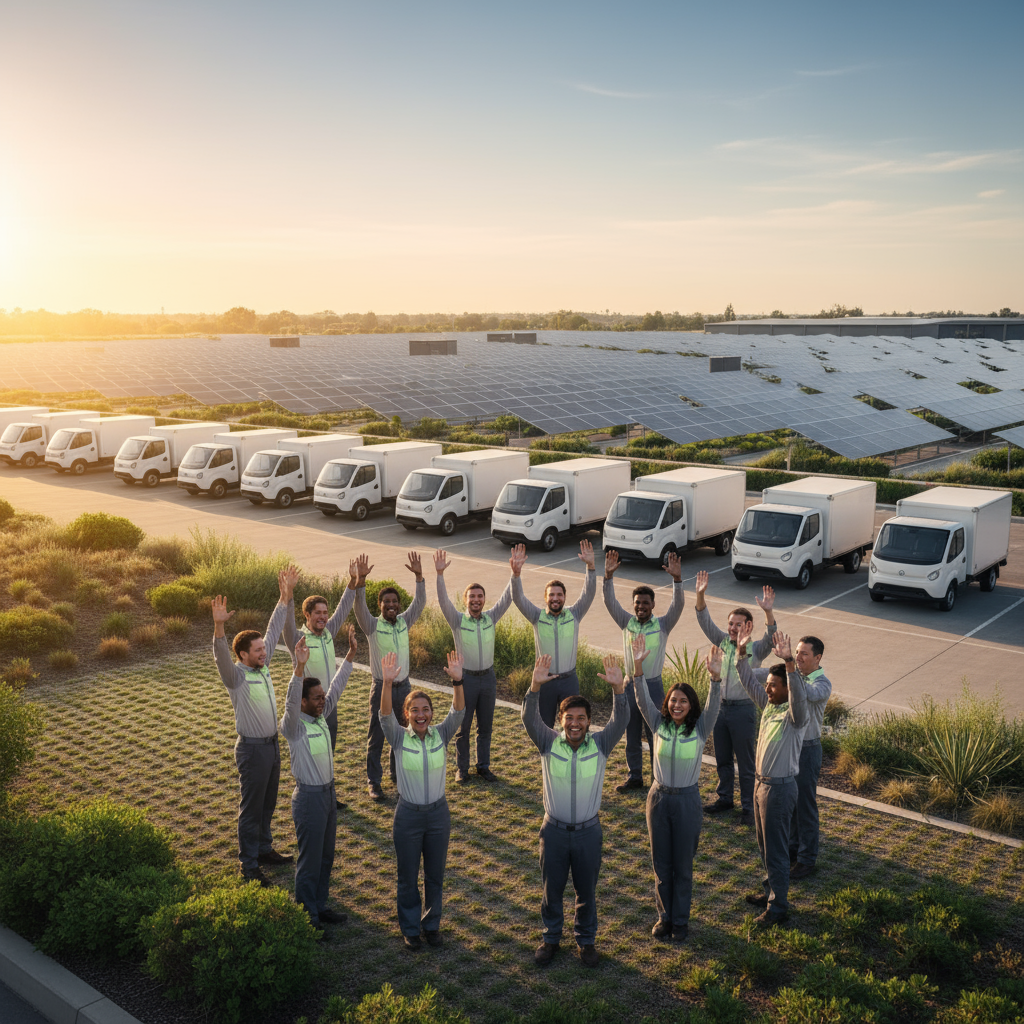
Here’s the reality: sustainability in supply chain management isn’t just about doing the right thing anymore—it’s about staying competitive. We’ve covered a lot of ground in this guide, and one thing should be crystal clear by now: sustainable supply chains deliver real benefits. We’re talking cost savings, stronger brand reputation, and keeping regulators happy. Plus, your customers care about this stuff more than ever. But let’s be honest—it’s not all smooth sailing. You’ll face hefty upfront costs, tangled global supplier networks, and the headache of collecting reliable data. Knowing what you’re up against? That’s half the battle won.
Making sustainability work takes more than good intentions—you need a solid game plan. Start with supplier audits (and make them thorough), switch to eco-friendly materials where you can, and invest in renewable tech that actually makes sense for your business. The key is tracking what matters: your carbon footprint, energy use, and how your suppliers are really performing. And here’s where it gets exciting—new tech like blockchain and AI aren’t just buzzwords anymore. They’re game-changers that can give you the transparency and optimization you’ve been struggling to achieve.
Ready to take this further? Different industries have their own unique challenges, so check out our deep dive into sustainability in the fashion industry for sector-specific insights that might surprise you. If you’re curious about the latest tech that’s making all this possible, our guide on green technology innovations showcases solutions that are actually working for businesses right now. Water management is another crucial piece of the puzzle—our resource on how to reduce water pollution covers practical strategies you can implement tomorrow. For the tech enthusiasts among you, don’t miss our comprehensive look at technology in supply chain management—it’s packed with tools that deliver both business value and environmental wins. And if you want the big picture on weaving sustainability into every corner of your business, our guide to business sustainability strategies has you covered.
Look, transforming your supply chain isn’t going to happen overnight. But you now have the roadmap to make it happen—step by step, partner by partner, innovation by innovation. Every small change you make adds up to something bigger than your bottom line. Yes, it’s complex. Yes, it requires commitment. But the companies that figure this out first? They’re going to own the future. So get your team excited, embrace the technology that makes sense, and make sustainability part of your DNA. Your stakeholders will notice, your competitors will scramble to catch up, and you’ll sleep better knowing you’re building something that lasts.
Frequently Asked Questions
-
What is sustainability in supply chain management?
- The integration of environmentally and socially responsible practices throughout the supply chain process.
-
How can companies start implementing sustainability?
- Begin with supplier assessments, set measurable goals, and invest in sustainable materials and technologies.
-
What are common challenges in sustainable supply chains?
- High costs, lack of transparency, and complex global networks.
-
Which metrics are most important to track?
- Carbon footprint, waste reduction, supplier ratings, and energy consumption.
-
What future trends will impact supply chain sustainability?
- Technologies like blockchain and AI, and growing regulatory requirements.