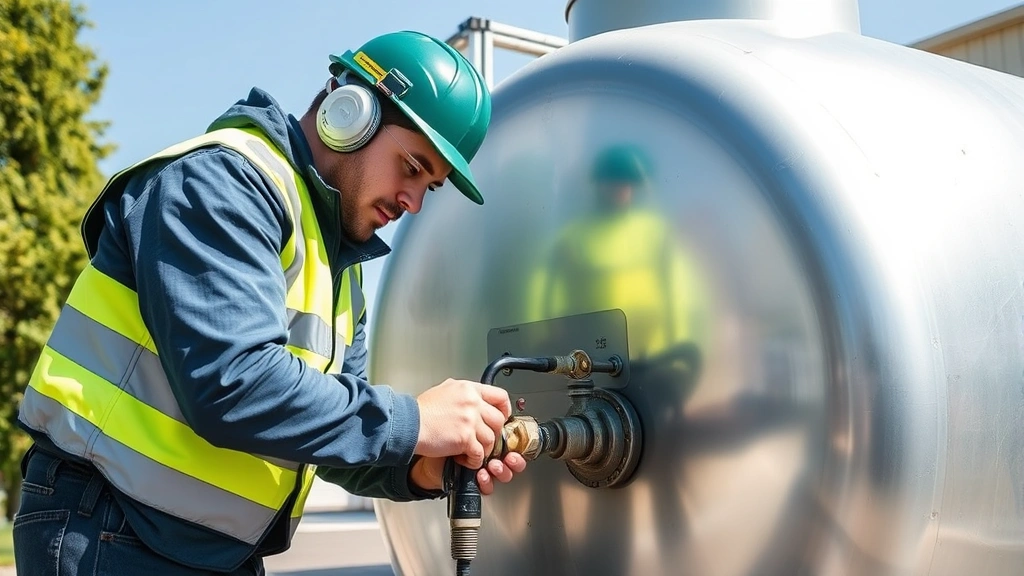
Gas Tank Safety Tips: Expert Advice for Responsible Usage
Propane and liquefied petroleum gas (LPG) tanks are essential energy sources for millions of households and businesses worldwide, providing reliable heating, cooking, and hot water solutions. However, these pressurized containers demand careful handling and maintenance to ensure safety for your family and property. Whether you’re using a tanque de gas for residential purposes, camping adventures, or commercial applications, understanding proper safety protocols is not just prudent—it’s essential for preventing accidents, injuries, and environmental damage.
Gas tank safety extends beyond simple precautions; it encompasses a comprehensive understanding of how these systems work, recognizing warning signs of malfunction, and implementing preventive maintenance schedules. This guide provides expert recommendations backed by industry standards and safety organizations to help you manage your gas tank responsibly while contributing to broader environmental sustainability efforts.
Understanding Your Gas Tank System
Before implementing safety measures, you must comprehend how your gas tank operates. A standard propane tank consists of a steel or aluminum container filled with liquefied gas under pressure, equipped with a pressure relief valve, liquid withdrawal tube, and various safety features. The pressure inside these tanks can reach several hundred pounds per square inch, making them potentially hazardous if mishandled or damaged.
Modern gas tanks include multiple safety mechanisms: overfill protection devices that prevent excessive filling, excess flow check valves that stop gas flow during emergencies, and pressure relief valves that release excess pressure automatically. Understanding these components helps you appreciate why strict safety protocols exist and why following manufacturer instructions is non-negotiable.
Different tank sizes serve different purposes. Small portable tanks (5-20 pounds) work well for grills and camping equipment, while larger stationary tanks (100-1000 pounds) supply homes and businesses. Each size category has specific handling requirements and safety considerations. Familiarizing yourself with your tank’s specifications, capacity, and age is the foundation of responsible gas management.
Pre-Use Inspection Checklist
Before connecting your tanque de gas to any appliance, conduct a thorough visual inspection. Check for rust, corrosion, dents, or physical damage that might compromise the tank’s integrity. Even minor dents can weaken the container’s structure, potentially leading to leaks or catastrophic failure under pressure.
Inspect the valve mechanism carefully. The valve should turn smoothly without resistance or grinding sounds. If you notice difficulty opening or closing the valve, do not force it—contact a certified technician. Check the pressure gauge if your tank has one; readings outside the normal range indicate potential problems requiring professional attention.
Examine all connection points, including the regulator, hose, and fittings. Look for visible cracks, corrosion, or loose connections. The regulator—the device that controls gas flow—should sit securely without wobbling. Ensure the hose has no visible damage, and verify that all connections use appropriate thread-seal tape or dope designed specifically for gas applications.
Check the expiration date on your tank. In many jurisdictions, propane tanks require recertification every 5-12 years, depending on local regulations. Using an expired tank is illegal and dangerous. The recertification date is typically stamped on the collar of the tank.
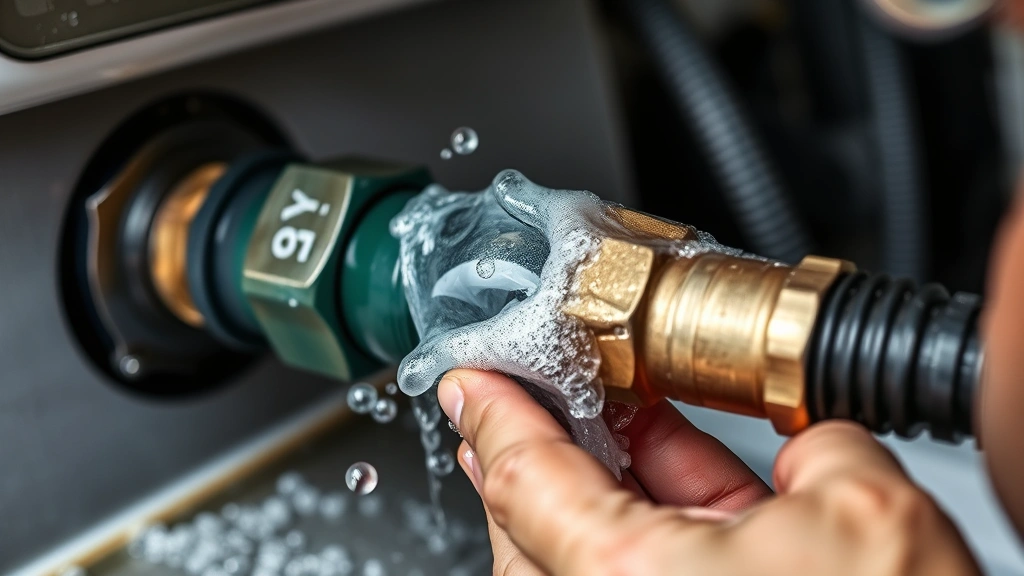
Test for leaks using a soapy water solution before every use. Mix dish soap with water and apply it to all connections while the valve is open. Bubbles indicate escaping gas—immediately close the valve and have a professional inspect the system. This simple test prevents gas leaks that could lead to fires, explosions, or health hazards.
Storage and Placement Guidelines
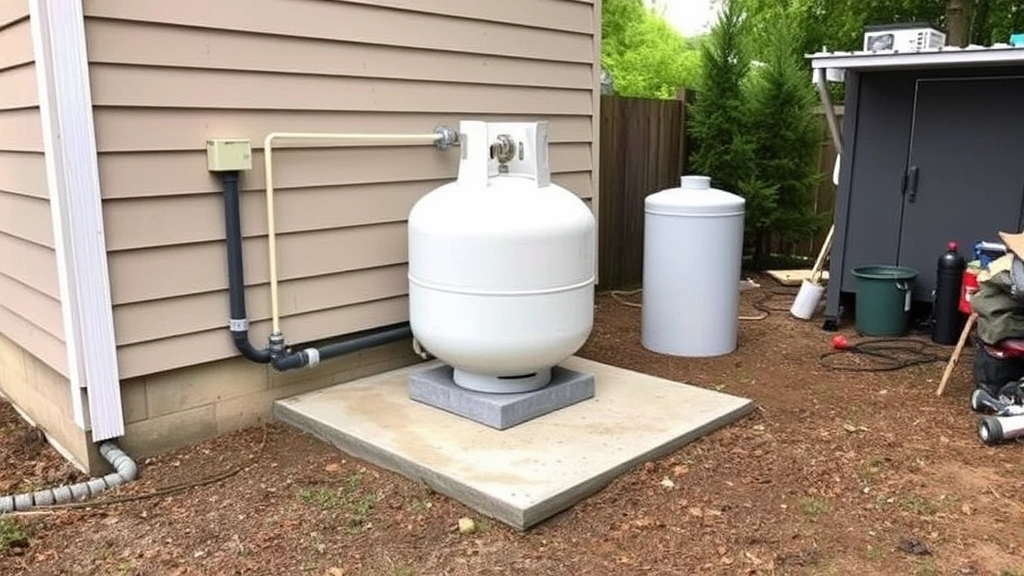
Proper storage is fundamental to gas tank safety. Store your tanque de gas in a well-ventilated outdoor area, never indoors or in enclosed spaces like basements, attics, or garages. Propane is heavier than air and accumulates at ground level; indoor storage creates explosion risks if the tank leaks.
Position tanks upright on stable, level ground. Avoid placing them where they might tip over or where they could be struck by vehicles or equipment. Keep tanks away from heat sources, direct sunlight, and areas where temperatures exceed 120°F (49°C), as excessive heat increases internal pressure and can trigger the safety relief valve.
Maintain clear space around your tank—at least 10 feet from windows, doors, and air intakes. This distance prevents gas from entering buildings if leakage occurs. Keep tanks away from electrical equipment, ignition sources, and reactive chemicals. Never store multiple tanks in close proximity without proper spacing and ventilation.
For temporary storage, use a designated outdoor cabinet designed for propane tanks. These structures provide weather protection while maintaining ventilation. Ensure the cabinet has proper drainage to prevent water accumulation, which causes rust and corrosion. Check stored tanks monthly, even if unused, to monitor for leaks or damage.
When storing tanks long-term, ensure they are properly capped and sealed. An empty tank should still be treated with the same care as a full one, as residual gas remains inside. Never store a tank in a location where it might freeze or experience extreme temperature fluctuations.
Handling and Transportation Safety
Transporting a tanque de gas requires careful attention to prevent accidents. Always secure tanks in an upright position during transport, never laying them horizontally or at angles. Use a vehicle with good ventilation—never place tanks in the trunk of a car or in enclosed compartments without air circulation.
Drive carefully to your destination, avoiding rough roads and sudden movements that could damage the tank or connections. Never leave a tank unattended in a vehicle; always transport it directly from the supplier to your storage location. Keep the temperature moderate during transport—avoid leaving tanks in hot vehicles for extended periods.
When connecting a tank to an appliance, ensure the appliance is outdoors or in a well-ventilated space. Never use gas appliances indoors unless they’re specifically designed for interior use with proper venting. Always turn off the tank valve before disconnecting or connecting any equipment.
If you must carry a portable tank, keep it upright and secure it against movement. Never carry tanks in the passenger compartment of vehicles; always transport them in open truck beds or cargo areas with proper ventilation. Follow local regulations regarding gas tank transport—some areas require special permits or certifications for moving large quantities of propane.
Leak Detection and Response
Gas leaks represent the most serious safety risk associated with tanque de gas use. Propane is odorless in its natural state, but distributors add a distinctive rotten egg smell (mercaptan) to help detect leaks. If you notice this smell, take immediate action—do not ignore it or assume it’s a minor issue.
Upon detecting a suspected leak, immediately close the main valve on your tank. Do not attempt to locate the leak yourself or try repairs. Evacuate the area and call emergency services or your gas supplier’s emergency line from a safe location away from the tank. Do not use electrical switches, phones, or devices that might create sparks.
Never use a flame to check for leaks—this is extremely dangerous and can cause explosions. The soapy water method is the only safe way to identify small leaks. After applying soapy water to suspected areas, watch for bubbles indicating escaping gas. Even tiny leaks should be addressed by professionals before the tank is used again.
If you smell gas indoors, evacuate immediately without closing doors or windows, as this might trap gas inside. Turn off the main gas supply if you can do so safely without entering the affected area. Call emergency services and let professionals handle the situation. Never re-enter the building until authorities declare it safe.
Document any leaks or issues with your tank. Keep records of repairs, inspections, and maintenance. This documentation helps track the tank’s condition and informs decisions about replacement or recertification. If leaks occur frequently, the tank may be reaching the end of its safe service life.
Maintenance and Servicing
Regular maintenance extends your tanque de gas lifespan and ensures continued safety. Schedule annual inspections with certified technicians who can assess valve function, check for corrosion, and verify all safety mechanisms operate correctly. These professionals have specialized equipment to detect leaks and pressure problems invisible to untrained eyes.
Have your tank recertified according to local regulations. In most areas, tanks require hydrostatic testing every 5-12 years to verify structural integrity. This process involves filling the tank with water and pressurizing it to check for weakness or damage. Only certified facilities can perform recertification, and your tank must be recertified to remain legal for use.
Clean your tank’s exterior regularly to prevent rust and corrosion. Use mild soap and water, avoiding harsh chemicals that might damage protective coatings. Inspect the paint or protective finish annually; if it’s chipped or peeling, apply touch-up paint to prevent rust development.
Replace regulators and hoses according to manufacturer recommendations, typically every 5-15 years depending on usage and environmental conditions. Even if they appear functional, degraded components can fail unexpectedly. Using high-quality replacement parts designed for your specific tank model ensures optimal performance and safety.
Keep detailed maintenance records including inspection dates, any repairs performed, parts replaced, and professional service reports. These records prove you’ve maintained your tank properly and help identify patterns that might indicate emerging problems. If selling your home or equipment, these records add value by demonstrating responsible stewardship.
Emergency Procedures
Develop and practice an emergency response plan specific to your gas tank setup. Everyone in your household should understand basic safety procedures, including how to shut off the main valve, when to evacuate, and how to contact emergency services.
If a tank is leaking visibly or the smell is overwhelming, evacuate immediately and call emergency services. Do not attempt heroic measures to fix the problem yourself. Emergency responders have training and equipment to handle gas emergencies safely. Your priority is getting everyone to a safe distance.
If a fire involves a propane tank, evacuate the area immediately and let firefighters handle it. Do not attempt to extinguish a fire involving gas tanks—the results can be catastrophic. Propane tanks can explode when exposed to intense heat, sending shrapnel considerable distances. Maintain a safe perimeter of at least 500 feet if possible.
For minor issues like a stuck valve, do not force it. Contact your gas supplier or a licensed technician. Forcing a valve can damage internal components or cause unexpected gas release. Patience and professional help prevent accidents that forcing might cause.
Keep emergency contact numbers readily accessible: your gas supplier, local fire department, poison control, and a trusted HVAC technician. Program these numbers into your phone and post them near your main gas shutoff valve. During emergencies, quick access to these contacts saves critical time.
Sustainable Energy Alternatives
While propane remains a practical fuel source, considering sustainable energy solutions aligns with modern environmental responsibility. Many homeowners are exploring alternatives that reduce carbon emissions and dependence on fossil fuels. Understanding these options helps you make informed decisions about your long-term energy strategy.
Electric heat pumps provide efficient heating and cooling without burning fossil fuels. Solar thermal systems harness renewable energy for water heating and space heating. Induction cooktops offer electric cooking alternatives to gas ranges, with superior efficiency and precise temperature control. While transitioning requires initial investment, long-term savings and environmental benefits make these options increasingly attractive.
For those unable to switch immediately, improving propane efficiency reduces consumption and costs. Better insulation, programmable thermostats, and regular maintenance of gas appliances maximize efficiency. Consider sustainable transportation options to offset your household’s overall carbon footprint while maintaining current heating systems.
Explore green technology innovations in your region. Many areas now offer rebates or incentives for switching to renewable energy systems. Government programs and utility companies frequently provide financial assistance for energy efficiency upgrades. Research local opportunities to reduce both costs and environmental impact.
Visit the SustainWise Hub Blog for comprehensive guides on transitioning to sustainable energy. Learning about renewable options positions you to make gradual changes aligning with your budget and circumstances. Even small improvements in energy efficiency contribute to broader sustainability goals.
FAQ
How often should I inspect my gas tank?
Inspect your tank visually before every use, checking for damage, corrosion, and leaks. Conduct a thorough professional inspection annually. Have your tank recertified according to local regulations, typically every 5-12 years, to ensure it meets safety standards.
What should I do if I smell gas?
Evacuate the area immediately, moving to fresh air. Close the main valve if you can do so safely without entering the affected space. Call emergency services or your gas supplier’s emergency line from a safe location. Do not use electrical devices, switches, or phones that might create sparks.
Can I store my gas tank indoors?
No. Propane tanks must be stored outdoors in well-ventilated areas. Never store them in basements, attics, garages, or enclosed spaces. Indoor storage creates serious explosion and fire hazards if leakage occurs.
How do I know if my tank is expired?
Check the collar of your tank for a stamped recertification date. If the tank hasn’t been recertified within the required timeframe (typically 5-12 years depending on location), it’s expired and illegal to use. Contact your supplier for recertification or replacement.
What’s the best way to check for leaks?
Mix dish soap with water and apply it to all connections while the valve is open. Bubbles indicate escaping gas. Never use a flame or other heat source to check for leaks, as this creates explosion risks. Only use the soapy water method.
Can I transport a gas tank in my car?
Yes, but only in a well-ventilated vehicle. Keep the tank upright and secure it against movement. Never transport it in the trunk or enclosed compartments. Drive directly from the supplier to your storage location without unnecessary stops.
What should I do if my tank is damaged?
Do not attempt repairs yourself. Contact your gas supplier or a licensed technician immediately. Do not use the tank until a professional has inspected and repaired any damage. Even minor damage can compromise safety.
How can I reduce my propane consumption?
Improve insulation, use programmable thermostats, maintain appliances regularly, and seal air leaks. Consider upgrading to high-efficiency appliances. Eventually, explore renewable energy alternatives like heat pumps or solar systems to reduce dependence on fossil fuels.


