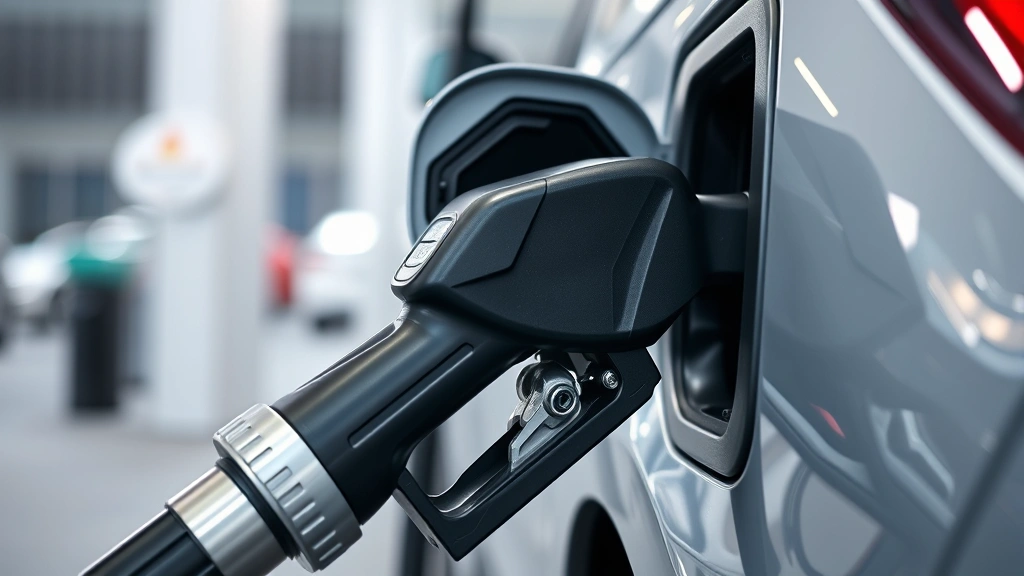
Top Tier Gas Brands: Are They Better? A Comprehensive Consumer Insight
When you pull up to the pump, you’re faced with a choice that seems simple but carries surprising complexity. Top tier gas brands like Shell, Chevron, Mobil, and BP claim superior engine performance and efficiency compared to regular gasoline. But do these premium-priced fuels actually deliver measurable benefits, or are you paying extra for marketing? Understanding the science behind fuel additives, detergent packages, and engine deposits can help you make informed decisions about where to fuel your vehicle.
The gasoline market has evolved significantly over the past two decades, with manufacturers introducing various formulations designed to protect engines and improve efficiency. For environmentally conscious consumers, the choice between fuel brands also intersects with broader sustainability concerns—including fuel economy, emissions, and the carbon footprint of your driving habits. This comprehensive guide explores whether top tier gas brands justify their premium pricing and what alternatives exist for reducing your transportation impact.
What Makes a Gas Brand “Top Tier”?
The term “top tier gasoline” originated from the Environmental Protection Agency (EPA) and major automakers who recognized that fuel quality directly impacts engine longevity and emissions control. Top tier brands voluntarily maintain detergent packages that exceed the EPA’s minimum requirements under the Tier 2 gasoline program. These enhanced formulations contain higher concentrations of detergents designed to prevent fuel injector deposits, intake valve deposits, and combustion chamber buildup.
The major top tier gasoline brands include Chevron, Shell, Mobil, Alon USA, Citgo, Costco, Sunoco, Pilot Flying J, Murphy USA, and Speedway. These companies commit to maintaining detergent levels approximately five times higher than EPA minimums. However, the regulatory landscape continues evolving, and newer standards like the EPA’s Tier 3 program have raised baseline expectations across the entire industry.
Understanding fuel chemistry requires recognizing that gasoline is a complex mixture of hydrocarbons with various additives. The detergents in top tier gasoline work by suspending carbon deposits that would otherwise accumulate on fuel injectors and valves. This suspension prevents the deposits from bonding to engine components, allowing them to pass through the combustion process harmlessly. The question remains: do these superior detergent packages translate into tangible benefits for typical drivers?
Detergent Standards and Engine Performance
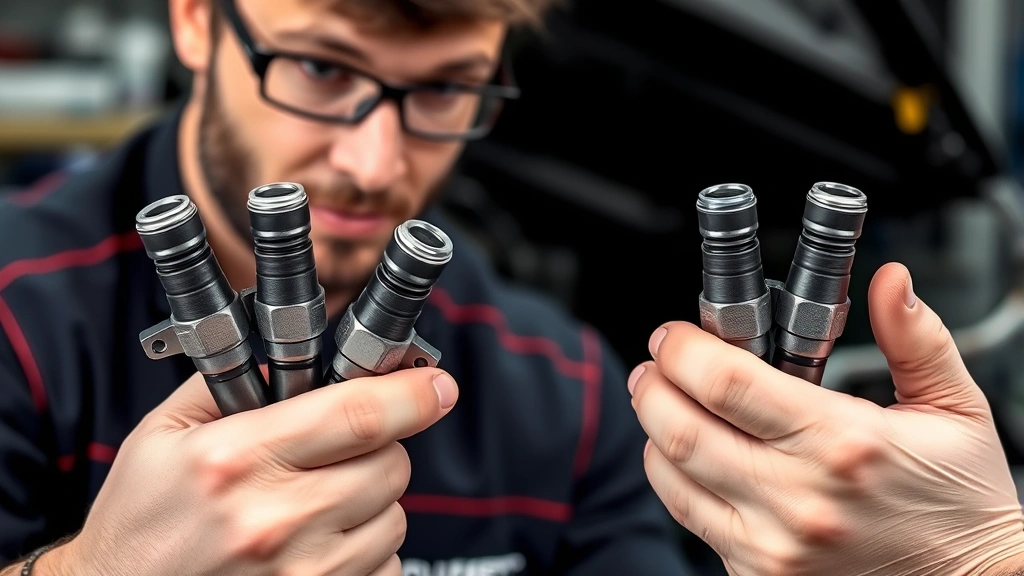
The EPA’s minimum detergent standard, established in the 1990s, requires gasoline to contain at least 11 milligrams per liter of detergent additives. Top tier gasoline brands typically maintain levels between 44 and 100 milligrams per liter—substantially higher concentrations. These enhanced formulations address a genuine problem: fuel injector deposits that can reduce fuel atomization, increase emissions, and decrease fuel economy.
Research from automotive manufacturers and independent laboratories demonstrates that fuel injector deposits develop over time in all engines, regardless of fuel quality. However, the rate and severity of accumulation varies significantly based on detergent concentration. Studies conducted by major automakers show that vehicles fueled exclusively with top tier gasoline experience 50-75% less deposit accumulation compared to minimum-standard fuel over 100,000 miles. This translates to measurable improvements in fuel economy, acceleration, and emissions control system performance.
The connection between fuel quality and engine longevity extends beyond immediate performance metrics. Carbon deposits in combustion chambers alter fuel burn patterns, increasing combustion temperatures and promoting pre-ignition (knocking). Over extended periods, this stress accelerates engine wear and can trigger check engine lights related to oxygen sensor efficiency and catalyst system performance. Premium detergent packages mitigate these issues by maintaining cleaner combustion chambers and fuel injection systems.
Modern direct-injection engines are particularly sensitive to fuel quality because injectors spray fuel directly into combustion chambers rather than intake ports. This design, while improving efficiency, creates conditions where deposits accumulate more rapidly. European automotive associations and major manufacturers increasingly recommend top tier fuel for vehicles with direct injection technology, suggesting this is not merely marketing but engineering reality.
Real-World Performance Differences
Consumer testing reveals mixed but generally positive results for top tier gasoline. In controlled studies, vehicles refueled exclusively with top tier brands demonstrate 1-3% fuel economy improvements over extended driving periods. While this percentage seems modest, it compounds significantly over a vehicle’s lifetime. A driver averaging 15,000 miles annually in a vehicle achieving 25 miles per gallon would save approximately 150-450 gallons over a decade by consistently using premium detergent fuel—representing substantial cost and environmental savings.
Acceleration and throttle response improvements are more subjective but frequently reported by drivers switching to top tier brands. These improvements likely stem from cleaner fuel injectors providing more precise fuel atomization and combustion. The effect becomes more pronounced in vehicles with higher mileage or those previously fueled with minimum-standard gasoline.
However, the benefits plateau for vehicles consistently fueled with top tier gasoline from new. A car that has never accumulated significant fuel injector deposits experiences minimal additional improvement from premium detergent fuel. This suggests that top tier gasoline provides greatest value for higher-mileage vehicles, those with direct injection engines, and drivers seeking to maintain peak engine performance and emissions control system function.
Real-world variability also matters considerably. Driving conditions, maintenance practices, engine design, and individual fuel consumption patterns all influence whether top tier fuel benefits justify its typical 5-15 cent per gallon premium. Short-distance urban driving with frequent cold starts may show less benefit than highway driving where fuel economy improvements become more apparent.

Cost-Benefit Analysis for Consumers
The financial case for top tier gasoline depends on several personal factors. If you purchase 600 gallons annually and top tier fuel costs 10 cents more per gallon, you’ll spend an additional $60 yearly. To justify this expense through fuel economy improvements alone, you’d need to achieve approximately 2.4% efficiency gains—well within the demonstrated range for many drivers. Add in potential longevity benefits and reduced maintenance costs from cleaner engines, and the calculation becomes more favorable.
Conversely, if you drive a newer vehicle consistently fueled with quality gasoline, own a vehicle with conventional port fuel injection, or drive primarily short distances where fuel economy matters less, the incremental cost may exceed tangible benefits. Drivers considering advantages of electric vehicles might recognize that fuel quality becomes irrelevant in a zero-emission transportation future.
The environmental perspective complicates this analysis further. While top tier fuel’s cleaner combustion reduces certain emissions, the extraction, refining, and distribution of any petroleum fuel carries environmental costs. From a sustainability standpoint, the most impactful choice involves reducing overall fuel consumption through improved driving efficiency, vehicle selection, or transitioning toward electric or hybrid alternatives. Optimizing fuel quality represents a marginal improvement within a carbon-intensive system rather than a fundamental solution.
For consumers committed to reducing your environmental footprint, the top tier gasoline decision should be contextualized within broader transportation choices. A driver committed to using premium detergent fuel while operating an inefficient vehicle may create less environmental benefit than a driver using standard fuel in a highly efficient hybrid.
Environmental Considerations
The environmental impact of fuel quality extends beyond individual vehicle performance. Cleaner combustion from premium detergent gasoline reduces emissions of particulate matter, nitrogen oxides, and volatile organic compounds that contribute to air quality degradation and public health problems. In regions with poor air quality, the cumulative effect of vehicles using top tier fuel produces measurable improvements in atmospheric chemistry and respiratory health outcomes.
However, this environmental benefit must be weighed against the energy requirements for manufacturing enhanced fuel additives and the increased complexity of fuel distribution systems. The net environmental advantage of top tier gasoline is positive but modest—roughly equivalent to improving vehicle fuel economy by 2-3% through other means.
A more substantial environmental strategy involves selecting SUVs with best gas mileage or vehicles with exceptional fuel efficiency ratings. A driver who selects a vehicle achieving 35 miles per gallon rather than 25 miles per gallon eliminates the environmental impact of fuel quality differences entirely. Similarly, exploring sustainable energy solutions including hybrid and electric vehicles provides exponentially greater environmental benefits than optimizing conventional fuel quality.
The lifecycle carbon footprint of gasoline—including extraction, refining, distribution, and combustion—represents the dominant environmental concern. Improving fuel quality provides incremental emissions reductions within this high-impact system. For environmentally serious consumers, the priority should focus on reducing fuel consumption through vehicle selection, driving patterns, and electrification rather than optimizing conventional fuel chemistry.
Alternatives to Traditional Gasoline
The most significant alternative to the top tier gasoline debate involves transitioning away from conventional petroleum entirely. Hybrid vehicles that combine gasoline engines with electric motors achieve fuel economies 30-50% superior to conventional vehicles, dramatically reducing both fuel costs and environmental impact. Plug-in hybrids extend this advantage by enabling electric-only driving for daily commutes while maintaining gasoline capability for extended trips.
Battery electric vehicles eliminate tailpipe emissions entirely and reduce well-to-wheel carbon emissions by 50-70% compared to conventional vehicles in most electrical grids. As grid electricity increasingly derives from renewable sources, the environmental case for electrification strengthens continuously. The U.S. Department of Energy’s fuel economy database provides comprehensive comparisons demonstrating that vehicle electrification produces environmental benefits dwarfing any fuel quality optimization.
For drivers unable to transition to electric vehicles immediately, hybrid technology offers an accessible intermediate solution. Hybrid vehicles reduce fuel consumption sufficiently that fuel quality becomes a secondary optimization. A hybrid vehicle using standard-tier gasoline produces lower overall emissions than a conventional vehicle using premium detergent fuel.
Sustainable transportation also encompasses broader lifestyle choices: carpooling, public transportation, cycling, and remote work options all reduce transportation-related emissions more effectively than fuel quality optimization. From a sustainability perspective, the sequence of priorities should be: reduce driving, electrify vehicles, improve vehicle efficiency, then optimize fuel quality for remaining conventional fuel consumption.
Emerging fuel alternatives including sustainable aviation fuel (SAF) adapted for automotive use, synthetic fuels, and advanced biofuels represent longer-term solutions. However, these technologies remain expensive and limited in availability. For most consumers, conventional petroleum will dominate transportation fuel for the foreseeable future, making the top tier gasoline question relevant for practical decision-making.
Frequently Asked Questions
Does top tier gasoline improve fuel economy?
Top tier gasoline typically improves fuel economy by 1-3% through cleaner fuel injector and combustion chamber operation. This benefit is most pronounced in higher-mileage vehicles or those with direct injection engines previously fueled with minimum-standard gasoline. Newer vehicles consistently fueled with quality gasoline experience minimal additional improvement.
Is top tier gas worth the extra cost?
The financial justification depends on individual circumstances. If you drive 15,000+ miles annually and fuel economy improvements exceed 2%, the cost differential is economically justified. However, if you own a newer vehicle, drive primarily short distances, or plan to transition to electric vehicles soon, standard fuel may provide adequate value. Consider your vehicle’s age, engine type, and driving patterns when making this decision.
Can switching to top tier gas fix engine problems?
Top tier gasoline can improve performance in vehicles experiencing fuel injector deposit-related problems, particularly those with accumulated mileage. However, it cannot repair mechanical failures or address problems requiring service. If your vehicle displays check engine lights or performance issues, professional diagnosis is necessary before assuming fuel quality is responsible.
What’s the difference between top tier and premium octane?
Top tier refers to detergent package quality and concentration, while octane rating indicates fuel’s resistance to knocking under compression. These are independent characteristics. You can purchase top tier gasoline in regular (87 octane), mid-grade (89 octane), or premium (91-93 octane) formulations. Most vehicles require regular octane; premium octane is necessary only for high-compression or turbocharged engines.
Should I switch all my fuel to top tier brands?
For vehicles with direct injection engines, higher mileage, or those experiencing performance issues, exclusive top tier fueling provides measurable benefits. For newer conventional vehicles with port fuel injection, occasional top tier fuel (perhaps quarterly) provides deposit cleaning benefits while minimizing cost. Consider your vehicle’s specific requirements rather than applying a universal approach.
How does top tier gas affect emissions?
Top tier gasoline reduces emissions of particulate matter, nitrogen oxides, and hydrocarbons through cleaner combustion. However, the environmental impact is modest compared to vehicle selection and driving pattern optimization. Transitioning to hybrid or electric vehicles provides substantially greater emissions reductions than optimizing conventional fuel quality.


