
RAV4 Gas Mileage: Expert Insights & Tips for Optimal Fuel Efficiency
The Toyota RAV4 has established itself as one of the most popular compact SUVs on the market, balancing practicality, reliability, and fuel efficiency. Whether you’re a current owner looking to maximize your vehicle’s performance or considering purchasing a RAV4, understanding gas mileage is crucial for both your wallet and environmental impact. This comprehensive guide explores everything you need to know about RAV4 fuel economy, from EPA ratings to actionable strategies for improving efficiency.
As transportation accounts for a significant portion of household carbon emissions, optimizing your vehicle’s fuel consumption is an important step in reducing your environmental footprint. The RAV4 offers several advantages in this regard, though modern alternatives like electric vehicles present even greater sustainability potential for eco-conscious drivers.

RAV4 EPA Gas Mileage Ratings by Model Year
The EPA (Environmental Protection Agency) provides standardized fuel economy ratings that help consumers compare vehicles fairly. For the 2024 Toyota RAV4, the EPA estimates vary based on drivetrain and transmission:
- 2024 RAV4 (2.5L Gasoline, FWD): 28 city / 35 highway / 31 combined MPG
- 2024 RAV4 (2.5L Gasoline, AWD): 26 city / 33 highway / 29 combined MPG
- 2024 RAV4 Hybrid (FWD): 40 city / 38 highway / 39 combined MPG
- 2024 RAV4 Hybrid (AWD): 38 city / 36 highway / 37 combined MPG
These ratings represent standard test conditions. Real-world results depend on driving habits, road conditions, and maintenance. According to the U.S. Department of Energy’s fuel economy website, actual mileage can vary by 20-30% from EPA estimates.
Previous generations show how Toyota has continuously improved efficiency. The 2020 RAV4 achieved 26-28 city MPG for gasoline models, while the 2015 RAV4 managed 23-26 city MPG. This progression reflects advances in engine technology and aerodynamic design. For those interested in sustainable energy solutions in transportation, these improvements demonstrate the evolution toward cleaner mobility.
Factors Affecting Your RAV4’s Fuel Economy
Understanding what influences your RAV4’s gas mileage empowers you to make informed driving decisions. Several interconnected variables impact fuel consumption:
Driving Conditions and Habits: City driving consistently produces lower MPG than highway driving because of frequent acceleration, braking, and idling. Cold weather reduces fuel economy by up to 15% due to increased engine friction and longer warm-up periods. Aggressive acceleration and speeding significantly reduce efficiency; driving at 65 mph versus 75 mph can improve mileage by approximately 10%.
Vehicle Load and Cargo: Every 100 pounds of additional weight reduces fuel economy by roughly 1-2%. Roof racks, even when empty, create aerodynamic drag that decreases efficiency. Removing unnecessary items from your trunk directly improves performance.
Tire Condition: Underinflated tires increase rolling resistance, reducing fuel economy by 0.2% for every 1 PSI drop below recommended pressure. Check your RAV4’s tire pressure monthly and maintain the manufacturer-recommended PSI listed on the driver’s door jamb.
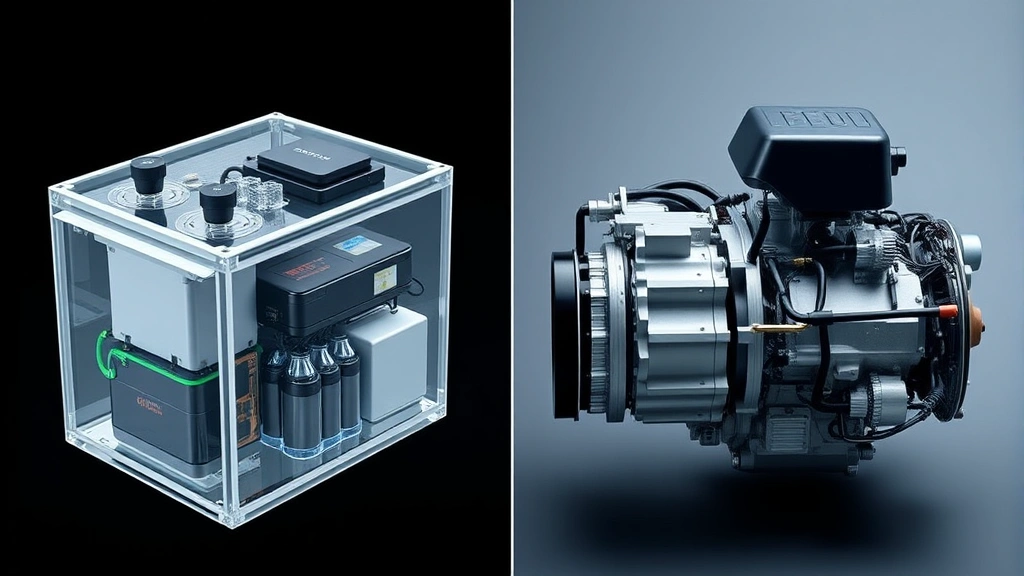
Engine and Transmission Type: The RAV4’s gasoline engine delivers solid efficiency, but the hybrid version significantly outperforms it. The hybrid system recovers energy during braking and assists acceleration, reducing fuel consumption substantially.
Terrain and Traffic: Stop-and-go traffic in urban environments reduces efficiency compared to steady-state highway driving. Hilly terrain requires more energy, particularly during climbing.
Practical Tips to Improve Gas Mileage
Implementing these evidence-based strategies can measurably enhance your RAV4’s fuel efficiency and contribute to sustainable transportation practices:
- Adopt Smooth Acceleration Practices: Gradual acceleration reduces fuel consumption compared to rapid speed increases. Anticipate traffic patterns and maintain consistent speeds whenever possible. Cruise control on highways helps maintain optimal speed without unnecessary fluctuations.
- Plan Efficient Routes: Use navigation apps to identify routes with fewer traffic signals and less congestion. Combining trips into one journey reduces overall fuel consumption compared to multiple shorter trips.
- Minimize Idling: Extended idling wastes fuel and produces zero miles. Modern RAV4s don’t require extended warm-up periods; drive gently immediately after starting.
- Reduce Aerodynamic Drag: Remove roof racks and cargo carriers when not in use. Close windows at highway speeds and use air conditioning judiciously, as it increases engine load.
- Maintain Optimal Tire Pressure: Check pressure weekly, especially during temperature changes. Properly inflated tires reduce rolling resistance and improve economy by 3-5%.
- Use Recommended Fuel Grade: The RAV4 runs on regular unleaded gasoline. Using premium fuel when not required doesn’t improve mileage and wastes money.
- Lighten Vehicle Load: Remove unnecessary items from your vehicle. Store emergency supplies and tools at home unless specifically needed for a trip.
- Monitor Driving Speed: Fuel economy decreases significantly above 50 mph. Driving at moderate, consistent speeds optimizes efficiency.
Maintenance Essentials for Fuel Efficiency
Regular maintenance directly impacts your RAV4’s fuel economy. Neglected vehicles consume significantly more fuel than well-maintained ones:
Engine Air Filter: A clogged air filter restricts airflow to the engine, forcing it to work harder and consume more fuel. Replace your air filter every 15,000-30,000 miles or as recommended in your owner’s manual.
Oil Changes: Using the manufacturer-recommended oil viscosity reduces engine friction and improves efficiency. Synthetic oil often provides better protection and can enhance mileage compared to conventional oil.
Fuel Filter Replacement: A clean fuel filter ensures proper fuel delivery and combustion efficiency. Follow your maintenance schedule to prevent fuel system issues that reduce mileage.
Spark Plugs: Worn spark plugs create incomplete combustion, reducing fuel economy. Replace them according to your RAV4’s maintenance schedule, typically every 30,000-100,000 miles depending on plug type.
Wheel Alignment: Misaligned wheels increase rolling resistance and decrease fuel economy. Have alignment checked annually or if you notice uneven tire wear.
Regular Inspections: Ensure your check engine light isn’t illuminated, as this often indicates issues affecting fuel economy. Schedule regular service appointments to catch problems early.
For those exploring green technology innovations, staying current with maintenance represents an immediate way to maximize your vehicle’s environmental efficiency.
RAV4 Hybrid vs Gasoline Performance
The Toyota RAV4 Hybrid represents a significant advancement in fuel efficiency compared to its gasoline counterpart. Understanding the differences helps inform purchasing decisions:
Fuel Economy Comparison: The 2024 RAV4 Hybrid achieves 37-39 combined MPG compared to 29-31 combined MPG for the gasoline model—a 25-35% improvement. This substantial difference translates to significant fuel savings over the vehicle’s lifetime.
How Hybrid Technology Works: The hybrid system uses both a gasoline engine and electric motor. During acceleration, both power sources work together. During deceleration and braking, the electric motor captures energy and stores it in the battery, eliminating waste. At low speeds and in traffic, the electric motor can power the vehicle independently.
Cost Considerations: The RAV4 Hybrid costs approximately $3,000-$4,000 more than the gasoline version. However, fuel savings typically recover this premium within 4-6 years for average drivers. Additionally, hybrid vehicles often qualify for tax incentives and may have lower maintenance costs due to regenerative braking reducing brake wear.
Performance and Practicality: Hybrid RAV4s deliver responsive acceleration while maintaining efficiency. The cargo space and passenger capacity match gasoline models. Battery longevity is exceptional; Toyota’s hybrid batteries typically last the vehicle’s lifetime with proper care.
For environmentally conscious consumers, the hybrid option significantly reduces emissions compared to gasoline-only vehicles, though electric vehicles provide even greater environmental benefits when powered by renewable energy sources.
Real-World Fuel Economy Expectations
EPA ratings represent controlled test conditions that don’t always reflect real-world driving. Understanding typical variations helps set realistic expectations:
City Driving: Most drivers achieve 10-20% lower mileage than EPA city ratings due to aggressive driving habits, traffic congestion, and cold starts. A RAV4 rated at 28 city MPG might deliver 22-25 MPG in actual city driving.
Highway Driving: Highway mileage often approaches or exceeds EPA estimates, particularly on long trips with consistent speeds. A 35 MPG highway rating is achievable with moderate speeds and smooth acceleration.
Mixed Driving: Real-world combined driving typically falls 5-15% below EPA combined ratings. Factors like climate, terrain, and individual driving style create variation.
Seasonal Variations: Winter fuel economy decreases 10-20% compared to summer driving due to denser air, increased engine friction, and extended warm-up periods. Winter tire compounds also increase rolling resistance.
New Vehicle Break-In: New RAV4s achieve better fuel economy after 500-1,000 miles as engine components seat properly. Gradual improvement continues through the first 5,000 miles.
Tracking your actual mileage using your vehicle’s onboard computer or manual calculations reveals your specific fuel economy patterns. This data helps identify when maintenance is needed or driving habits need adjustment.
Comparing RAV4 Efficiency Across Generations
The Toyota RAV4’s fuel economy has improved substantially over successive generations, reflecting automotive industry progress toward efficiency and emissions reduction:
Fifth Generation (2019-Present): The current RAV4 achieves 26-31 combined MPG for gasoline models and 37-39 combined MPG for hybrids. This generation features improved aerodynamics, lighter materials, and advanced engine technology.
Fourth Generation (2013-2018): These models achieved 22-28 combined MPG, representing a meaningful improvement from earlier versions. The introduction of the hybrid option in 2016 expanded efficiency choices.
Third Generation (2006-2012): Earlier RAV4s managed 19-24 combined MPG, reflecting less advanced engine and transmission technology. These vehicles demonstrate how far automotive efficiency has progressed.
Technological Improvements: Modern RAV4s benefit from direct fuel injection, variable valve timing, eight-speed transmissions, and sophisticated engine management systems. These technologies work together to optimize combustion and reduce waste.
Upgrading from an older RAV4 to a current model can reduce fuel consumption by 30-50%, significantly lowering both operating costs and environmental impact. Visit the EPA’s Most Efficient Vehicles page for comprehensive efficiency comparisons across model years.
For comprehensive sustainability information, explore our sustainability blog for additional insights on transportation’s environmental impact and efficiency strategies.
FAQ
What is the average gas mileage for a Toyota RAV4?
The 2024 Toyota RAV4 averages 29-31 combined MPG for gasoline models and 37-39 combined MPG for hybrid models. Actual mileage varies based on driving conditions, maintenance, and driving habits. City driving typically produces 26-28 MPG while highway driving achieves 33-35 MPG for gasoline models.
How can I improve my RAV4’s fuel economy?
Key strategies include maintaining proper tire pressure, adopting smooth acceleration habits, reducing vehicle weight, minimizing idling, planning efficient routes, and keeping up with regular maintenance. Using cruise control on highways and driving at moderate speeds significantly improves mileage. These practices can improve fuel economy by 10-25%.
Is the RAV4 Hybrid worth the extra cost?
The RAV4 Hybrid costs $3,000-$4,000 more initially but delivers 25-35% better fuel economy. For average drivers, fuel savings recover this premium within 4-6 years. Hybrid vehicles also qualify for potential tax incentives in many regions and typically have lower maintenance costs due to reduced brake wear.
Why is my RAV4’s fuel economy lower than EPA estimates?
Real-world driving conditions differ from EPA test conditions. City driving, aggressive acceleration, cold weather, underinflated tires, carrying heavy loads, and using air conditioning all reduce fuel economy. Most drivers experience 10-20% lower mileage than EPA ratings.
How often should I service my RAV4 for optimal fuel efficiency?
Follow Toyota’s recommended maintenance schedule, typically including oil changes every 10,000 miles, air filter replacement every 15,000-30,000 miles, and spark plug replacement every 30,000-100,000 miles depending on plug type. Regular inspections catch issues affecting fuel economy early.
What tire pressure should I maintain for best fuel economy?
Check your RAV4’s driver’s door jamb for manufacturer-recommended tire pressure, typically 32-36 PSI. Maintain this pressure monthly, as underinflated tires reduce fuel economy by 0.2% per 1 PSI drop. Proper inflation improves mileage by 3-5%.
Does using premium fuel improve RAV4 gas mileage?
No. The RAV4 requires regular unleaded gasoline. Using premium fuel provides no mileage benefit and wastes money. Only use premium if your owner’s manual specifically recommends it for your vehicle.
For additional sustainability insights and information about reducing transportation’s environmental impact, explore fueleconomy.gov and the EPA’s Green Vehicles program for comprehensive vehicle efficiency resources. Organizations like the Union of Concerned Scientists provide excellent information on sustainable transportation practices and environmental impact reduction strategies.


