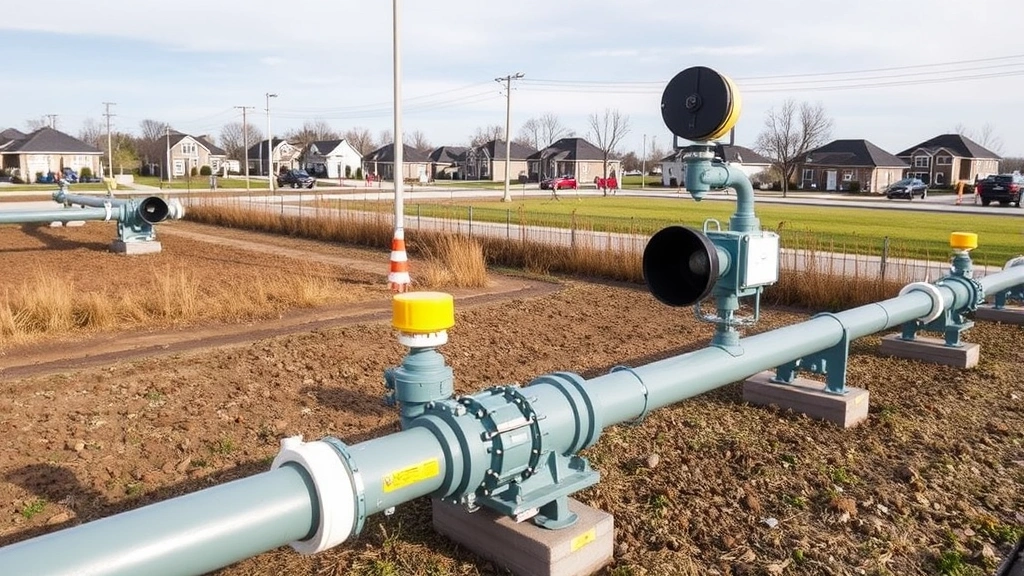
Unisource Gas: Sustainable Future Insights
The energy landscape is undergoing a profound transformation, and Unisource Gas stands at the intersection of traditional energy infrastructure and emerging sustainability initiatives. As businesses and consumers alike seek cleaner energy alternatives, understanding how gas providers are adapting their operations becomes crucial for informed decision-making. This comprehensive guide explores Unisource Gas’s role in the broader context of sustainable energy, examining both current practices and future opportunities for environmental responsibility.
Unisource Gas represents a significant player in the utility sector, serving thousands of customers across multiple regions. While natural gas has historically been considered a bridge fuel in the transition away from coal and oil, the industry faces mounting pressure to innovate and reduce carbon emissions. The company’s approach to sustainability, investment in infrastructure modernization, and commitment to renewable energy integration will shape how the utility sector evolves in the coming decades.
Understanding Unisource Gas and Its Market Position
Unisource Gas operates within a complex energy ecosystem where regulatory requirements, consumer expectations, and climate commitments intersect. The company’s primary responsibility involves delivering reliable natural gas to residential, commercial, and industrial customers while navigating the transition toward decarbonized energy systems. This dual mandate presents both challenges and opportunities for innovation.
The utility sector has historically operated under a regulated monopoly model, where companies maintain exclusive service territories in exchange for rate regulation and public accountability. This structure has allowed Unisource Gas to invest in extensive pipeline networks and customer service infrastructure. However, this same model now requires adaptation as stakeholders demand greater environmental accountability and climate action.
Understanding Unisource Gas’s position requires examining several key factors: their service territory demographics, the composition of their customer base, existing infrastructure capabilities, and regulatory environment. These elements collectively determine how quickly and effectively the company can implement sustainability measures while maintaining service reliability and affordability.
Natural Gas as a Transition Fuel
Natural gas has emerged as a critical component in the global energy transition strategy. Compared to coal and petroleum products, natural gas produces approximately 50% fewer carbon dioxide emissions during combustion. This characteristic has positioned gas utilities like Unisource Gas as important participants in short-term climate mitigation efforts, even as the industry works toward longer-term decarbonization goals.
The “bridge fuel” concept acknowledges that immediate elimination of fossil fuels is neither technologically nor economically feasible for most developed economies. Natural gas power plants can be deployed more quickly than renewable infrastructure and provide the reliability that intermittent renewable sources cannot yet match at scale. This reality means gas utilities retain relevance during the transition period, but with increasing pressure to demonstrate concrete progress toward sustainability objectives.
However, this transitional role comes with important caveats. Methane leakage throughout the supply chain can undermine the climate benefits of natural gas. Even small percentage losses during extraction, processing, transmission, and distribution significantly increase the fuel’s overall greenhouse gas footprint. Unisource Gas and similar providers must therefore prioritize leak detection, pipeline maintenance, and system upgrades to minimize methane emissions. Explore more about sustainable energy solutions to understand the broader context of energy transitions.
Sustainability Initiatives and Green Programs
Forward-thinking gas utilities are implementing comprehensive sustainability programs that address their operational footprint while supporting customer emissions reductions. Unisource Gas’s approach should encompass several key initiatives:
- Methane Emissions Reduction: Systematic replacement of older pipeline segments, improved leak detection using advanced technologies, and regular maintenance protocols significantly reduce fugitive methane emissions.
- Renewable Gas Programs: Investment in biogas and biomethane projects that convert organic waste into usable fuel, effectively recycling carbon and reducing landfill methane emissions.
- Energy Efficiency Rebates: Customer incentive programs that encourage adoption of high-efficiency appliances, heating systems, and building improvements reduce overall gas consumption.
- Carbon Offset Initiatives: Participation in verified carbon offset projects that fund renewable energy, reforestation, and methane capture programs.
- Regulatory Compliance: Adherence to increasingly stringent emissions standards and participation in state and federal climate programs.
These initiatives demonstrate how gas utilities can actively contribute to climate goals rather than simply maintaining the status quo. The effectiveness of these programs depends on adequate funding, regulatory support, and genuine commitment from company leadership.
Renewable Gas Integration
One of the most promising pathways for Unisource Gas to enhance sustainability involves expanding renewable gas integration. Renewable natural gas (RNG), also known as biomethane, is produced from organic materials including agricultural waste, food processing byproducts, wastewater treatment sludge, and landfill gases. When properly sourced and verified, RNG can reduce lifecycle carbon emissions by up to 80% compared to conventional natural gas.
The integration process involves several steps: sourcing verified RNG from qualified producers, purchasing renewable energy credits or power purchase agreements, and blending renewable gas into the distribution system. This approach requires minimal infrastructure changes since RNG is chemically identical to conventional natural gas and compatible with existing appliances and pipelines.
Challenges to broader RNG adoption include limited supply relative to demand, higher costs than conventional gas, and the need for improved verification standards. Unisource Gas can address these barriers through strategic partnerships with agricultural organizations, waste management companies, and renewable energy developers. Supporting the expansion of RNG production capacity in the company’s service territory creates local economic opportunities while advancing climate objectives. Learn more about sustainability definitions that guide these industry transitions.

Customer Efficiency Programs
Reducing gas consumption through customer efficiency improvements represents one of the most cost-effective climate mitigation strategies available. Unisource Gas can expand its role in supporting customer emissions reductions through comprehensive efficiency programs that address residential and commercial sectors.
Residential Programs might include:
- Home energy audits identifying efficiency opportunities and prioritizing improvements
- Rebates for high-efficiency furnaces, water heaters, and HVAC systems
- Weatherization assistance helping customers seal air leaks and improve insulation
- Smart thermostat incentives enabling automated temperature management and demand response participation
- Behavioral programs providing consumption feedback and efficiency tips
Commercial and Industrial Programs could encompass:
- Energy management system installations optimizing facility operations
- Process heating efficiency upgrades reducing fuel consumption in manufacturing
- Combined heat and power systems improving overall energy utilization
- Industrial waste heat recovery capturing previously lost thermal energy
- Custom incentive programs tailored to specific facility types and operational challenges
These programs benefit customers through reduced energy bills, improved comfort, and increased property values. For Unisource Gas, efficiency programs support long-term business sustainability by reducing peak demand pressure, deferring costly infrastructure expansion, and building customer loyalty. Additionally, understanding how to reduce your environmental footprint helps customers align personal choices with company sustainability goals.

Infrastructure Modernization
Unisource Gas’s existing pipeline infrastructure represents both a valuable asset and a potential liability. Aging pipes leak methane, corrode, and require increasingly frequent repairs. Strategic modernization investments address these challenges while enabling future flexibility as the energy system evolves.
Advanced technologies support infrastructure improvements:
- Leak Detection Systems: Aerial surveys, ground-based sensors, and acoustic monitoring identify and locate pipeline leaks with greater precision and speed than traditional methods.
- Smart Metering: Advanced metering infrastructure (AMI) provides real-time consumption data, enabling demand management and rapid anomaly detection.
- Cathodic Protection Upgrades: Improved corrosion prevention extends pipeline lifespan and reduces maintenance costs.
- Pipeline Replacement Programs: Systematic replacement of vulnerable segments with modern materials and improved safety features.
- Distributed Energy Integration: System modifications enabling safe integration of hydrogen blends, renewable gas, and other alternative fuels.
These modernization efforts require substantial capital investment but generate long-term returns through reduced operating costs, improved reliability, and enhanced environmental performance. Regulatory frameworks should support these investments through rate recovery mechanisms that recognize sustainability benefits alongside traditional utility metrics.
Comparing Energy Options
While Unisource Gas plays an important role in the energy transition, customers benefit from understanding how natural gas compares to alternative energy sources. This comparison helps inform both individual decisions and broader energy policy discussions.
Natural Gas vs. Electricity: Electric heating powered by renewable sources offers superior environmental outcomes compared to natural gas, but requires grid decarbonization and may involve higher upfront equipment costs. Electric vehicle advantages demonstrate similar transitions occurring in transportation. Heat pump technology increasingly offers competitive performance with gas heating while enabling demand flexibility.
Natural Gas vs. Oil: Heating oil produces approximately 15-20% more carbon emissions than natural gas while creating higher local air pollution. For customers currently using oil, conversion to natural gas represents a meaningful emissions reduction, though long-term transition to electricity or renewable gas offers greater climate benefits.
Natural Gas vs. Renewable Gas: When comparing natural gas to renewable gas from verified sustainable sources, the latter offers substantial carbon advantages. However, renewable gas currently represents a small percentage of total supply, and pricing typically exceeds conventional gas. As production scales and costs decline, renewable gas should capture increasing market share.
Understanding these comparisons helps customers make informed energy choices while recognizing that optimal solutions vary by location, existing infrastructure, and individual circumstances. Unisource Gas can support this transition by investing in renewable gas availability and helping customers evaluate options aligned with their sustainability values.
Future Outlook and Industry Trends
The future of Unisource Gas and the broader gas utility industry depends on successfully navigating several converging trends and pressures.
Regulatory Evolution: State and federal regulations increasingly mandate emissions reductions, renewable energy integration, and climate planning. The EPA’s greenhouse gas emissions framework establishes baseline expectations for corporate climate accountability. Utilities that proactively exceed regulatory minimums gain competitive advantages through improved stakeholder relationships and reduced compliance risks.
Decarbonization Pathways: Long-term climate goals require near-complete elimination of fossil fuel emissions by mid-century. Gas utilities must develop credible decarbonization strategies that transition away from natural gas while maintaining service reliability. Potential pathways include renewable gas scaling, hydrogen blending, electrification support, and direct air capture integration.
Customer Preferences: Consumer interest in renewable energy and climate action continues growing, particularly among younger demographics and urban populations. Utilities offering renewable gas options, efficiency programs, and transparent climate reporting attract customers and build brand loyalty. Best gas mileage SUV discussions reflect broader consumer interest in efficiency and environmental responsibility across sectors.
Technology Innovation: Emerging technologies including hydrogen production, synthetic natural gas, advanced energy storage, and smart grid systems create new possibilities for decarbonized gas systems. Unisource Gas should monitor these developments and invest in pilot projects testing promising solutions.
Financial and Investor Pressure: Environmental, social, and governance (ESG) investing has grown substantially, with major investment firms increasingly divesting from fossil fuel companies lacking credible climate plans. Unisource Gas’s ability to attract capital for infrastructure investments depends partly on demonstrating genuine commitment to sustainability objectives.
Market Competition: As energy systems decentralize, distributed renewable energy, battery storage, and customer-owned generation create competition for traditional utility services. Gas utilities must adapt by offering value-added services including efficiency programs, demand management, and renewable energy integration rather than relying solely on commodity gas sales.
The most successful scenario involves Unisource Gas evolving from a conventional gas utility into a comprehensive energy services company supporting customer needs across heating, electricity, transportation, and other applications. This transformation requires strategic investment, organizational change, and genuine commitment to sustainability principles.
FAQ
What is renewable natural gas and how does it differ from conventional natural gas?
Renewable natural gas (RNG) is produced from organic waste materials including agricultural byproducts, food processing waste, wastewater treatment sludge, and landfill gases. Chemically identical to conventional natural gas, RNG can reduce lifecycle carbon emissions by up to 80% when properly sourced and verified. The primary difference lies in the feedstock origin and carbon accounting, not in the fuel’s properties or compatibility with existing infrastructure.
How can customers reduce their natural gas consumption?
Practical reduction strategies include upgrading to high-efficiency heating systems, improving building insulation and air sealing, installing smart thermostats for automated temperature management, using heat pump technology for space and water heating, and adopting behavioral practices like lowering thermostat settings and reducing hot water usage. Many utilities including Unisource Gas offer rebates and technical assistance supporting these improvements.
What role do gas utilities play in climate change mitigation?
Gas utilities contribute to climate mitigation through multiple pathways: reducing methane emissions in their operations, supporting customer efficiency improvements, investing in renewable gas integration, and maintaining reliable energy supply during the transition to renewable electricity. However, long-term climate goals ultimately require transitioning away from fossil gas toward electrification and renewable energy.
Is natural gas truly a bridge fuel toward renewable energy?
Natural gas serves as a bridge fuel in the near term, producing substantially fewer emissions than coal while enabling reliable electricity generation and heating during renewable energy expansion. However, this bridge must eventually lead to genuine decarbonization rather than perpetuating fossil fuel dependence. The timeframe for this transition varies by region and sector, typically ranging from 20-40 years for most developed economies.
How can I access Unisource Gas sustainability programs?
Contact Unisource Gas directly through their customer service channels to inquire about available efficiency programs, renewable gas options, and sustainability initiatives. Many utilities maintain dedicated websites and customer representatives providing detailed information about rebates, incentives, and technical assistance. The SustainWise Hub Blog also provides resources for evaluating utility programs and making informed energy choices.
What percentage of Unisource Gas supply comes from renewable sources?
The percentage of renewable gas in Unisource Gas supply varies depending on current program offerings and available renewable gas sources in their service territory. Contact the company directly for specific data on renewable gas availability and participation options. Industry-wide, renewable gas currently represents a small percentage of total gas supply, though this is expanding as production capacity increases and policy support strengthens.
How does methane leakage affect natural gas’s environmental benefits?
Methane is approximately 80-86 times more potent than carbon dioxide over a 20-year period. Even small percentage losses during extraction, processing, transmission, and distribution significantly increase natural gas’s greenhouse gas footprint. If methane leakage exceeds approximately 3-4% of total supply, natural gas offers no climate advantage over coal. This reality emphasizes the critical importance of leak detection, infrastructure maintenance, and system upgrades.


