
Viking Gas Range: Eco-Friendly or Not?
Viking gas ranges have long been synonymous with professional-grade cooking and premium kitchen aesthetics. Yet as environmental consciousness grows, homeowners increasingly ask whether these high-end appliances align with sustainability goals. The truth is nuanced: while Viking ranges offer certain efficiency advantages, they also present environmental trade-offs that deserve careful examination. Understanding the full lifecycle impact—from manufacturing and energy consumption to emissions and disposal—helps you make an informed decision about whether a Viking gas range fits your eco-conscious lifestyle.
The kitchen represents one of the most energy-intensive spaces in modern homes, and your cooking appliance choice significantly influences your household’s carbon footprint. This comprehensive guide explores Viking gas ranges from multiple sustainability angles, comparing them to alternatives and highlighting the environmental considerations that matter most. Whether you’re renovating your kitchen or replacing an aging stove, this analysis will help you weigh the genuine eco-friendly aspects against legitimate environmental concerns.
What Makes a Gas Range Eco-Friendly?
Determining whether any gas range qualifies as truly eco-friendly requires understanding the multiple dimensions of environmental impact. Energy efficiency stands as the primary consideration—how effectively the appliance converts fuel into heat for cooking. However, sustainability extends far beyond efficiency metrics. It encompasses the source of energy, emissions produced during operation, manufacturing footprint, material sourcing, longevity, and end-of-life recyclability.
For gas ranges specifically, eco-friendliness depends on several interconnected factors. First, natural gas combustion produces greenhouse gases, primarily carbon dioxide and methane. Second, the extraction, processing, and distribution of natural gas involves environmental risks, including methane leakage during transport. Third, the manufacturing process for premium brands like Viking requires energy and resources. Fourth, the range’s operational lifespan affects its overall environmental burden—longer-lasting appliances distribute their manufacturing impact across more years of use.
The Environmental Protection Agency provides standards for appliance efficiency, though gas ranges currently lack the rigorous labeling requirements of refrigerators or dishwashers. This means consumers must dig deeper to understand the true environmental profile of any gas cooking appliance.
Viking Gas Range Efficiency Ratings
Viking gas ranges demonstrate respectable efficiency characteristics, though not exceptional by modern standards. Most Viking models feature sealed burners that direct heat more effectively toward cookware compared to open-burner designs. This design improvement means less wasted heat escapes into your kitchen, reducing cooling loads during warm months and improving overall cooking efficiency.
The brand offers burner power ranging from 5,000 to 18,000 BTUs (British Thermal Units) across different models, allowing cooks to match flame intensity to cooking tasks. Higher-powered burners can boil water and sear meat more efficiently, while lower-powered burners provide precise temperature control for simmering. This versatility supports energy-conscious cooking by enabling appropriate heat selection for each culinary task.
However, Viking ranges lack the advanced efficiency features found in some competitor models. They don’t include convection ovens with enhanced heat distribution, smart temperature controls, or modulating burners that adjust flame intensity automatically. Compared to sustainable energy solutions available in modern kitchen technology, Viking’s efficiency gains remain modest. The ovens use traditional radiant heating rather than convection-assisted methods that could reduce cooking times and energy consumption by 15-25%.
For energy consumption estimates, a typical Viking gas range uses approximately 4,000-5,000 BTUs per hour during normal cooking, though this varies significantly based on usage patterns. A household cooking four meals weekly would consume roughly 800,000-1,000,000 BTUs monthly, translating to approximately 8-10 therms of natural gas. At average utility rates, this represents $15-25 monthly in cooking-related gas expenses.
Environmental Impact of Natural Gas Cooking
Natural gas combustion produces several environmental concerns that Viking gas ranges cannot eliminate, regardless of design efficiency. When natural gas burns, it releases carbon dioxide (CO2), the primary greenhouse gas driving climate change. Burning one therm of natural gas produces approximately 5.3 pounds of CO2. For a household using 10 therms monthly for cooking, this equals roughly 53 pounds of CO2 monthly or 636 pounds annually—equivalent to driving a car approximately 1,400 miles.
Beyond CO2, natural gas operations present methane concerns. Methane, the primary component of natural gas, is 80-86 times more potent than CO2 over a 20-year period. Methane leaks occur throughout the supply chain—from extraction wells through distribution pipelines to household appliances. Research from Environmental Defense Fund suggests that upstream methane leakage rates range from 1.7% to 3.5% of total gas supply, meaning a portion of the gas you purchase never reaches your burners but still contributes to atmospheric methane.
Indoor combustion also produces nitrogen oxides (NOx) and particulate matter, which degrade indoor air quality and pose health risks to household occupants. These pollutants are particularly concerning in homes without adequate ventilation. The American Lung Association has raised concerns about gas cooking’s indoor air quality impacts, noting that even properly functioning gas ranges can emit harmful pollutants.
Choosing a natural gas detector becomes especially important if you maintain a Viking gas range, as these devices alert you to dangerous gas leaks before they pose serious health risks. This additional safety measure acknowledges the inherent risks associated with natural gas appliances.
Viking vs. Electric Alternatives
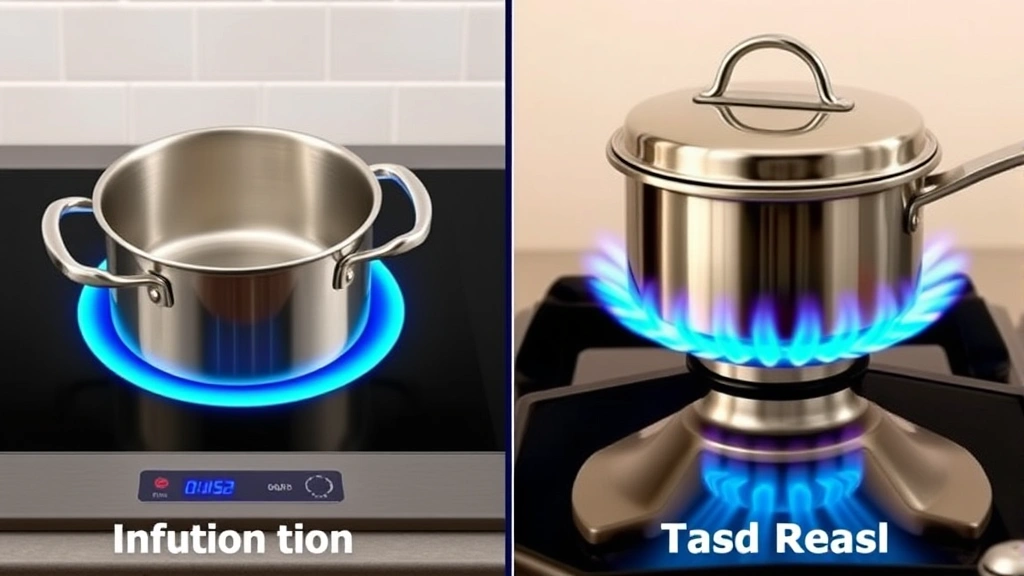
Comparing Viking gas ranges to electric alternatives reveals important sustainability trade-offs. Modern induction cooktops have dramatically improved in recent years, offering efficiency advantages that often outweigh gas range benefits. Induction cooktops transfer approximately 90% of electrical energy directly to cookware, compared to 65-75% efficiency for gas ranges. This superior efficiency means faster cooking times, less wasted heat, and lower energy consumption overall.
The environmental advantage of electric cooking depends critically on your regional electricity grid composition. In areas powered primarily by renewable energy sources—wind, solar, and hydroelectric—electric cooking produces substantially lower carbon emissions than gas. Even in regions relying on natural gas power plants, the centralized generation and distribution of electricity often proves more efficient than on-site combustion in home appliances. According to research from Carbon Brief, electric cooking in most U.S. regions produces fewer lifecycle emissions than gas cooking, and this advantage increases as grids transition toward renewables.
Induction cooktops offer additional benefits: they produce no combustion byproducts, eliminate indoor air quality concerns, provide superior temperature control, and heat cookware faster. They also remain cool to the touch when not in contact with magnetic cookware, improving kitchen safety. The primary disadvantages include higher upfront costs, requirements for magnetic cookware, and potential learning curves for users accustomed to gas cooking.
Convection electric ovens also outperform gas ovens in efficiency and consistency. They distribute heat more evenly, reduce cooking times, and maintain precise temperatures with greater accuracy. However, some professional cooks prefer gas ovens for their responsive heat control and the browning characteristics achieved through direct flame exposure.
Manufacturing and Production Concerns
Viking’s reputation for premium quality reflects considerable manufacturing complexity, which carries environmental costs often overlooked in efficiency discussions. Producing a high-end gas range requires extracting and processing multiple materials: stainless steel, cast iron, aluminum, copper, and various plastics and electronics. Stainless steel production, in particular, is energy-intensive, requiring high-temperature smelting and processing that generates significant carbon emissions.
The company manufactures most Viking ranges in the United States, which provides some supply chain transparency and avoids lengthy international shipping. However, this doesn’t eliminate manufacturing impacts. Producing a single Viking range requires an estimated 3-5 megawatt-hours of electricity and generates approximately 1-2 tons of CO2 equivalent in manufacturing alone. For context, this manufacturing carbon footprint equals 1-3 years of operational cooking emissions for an average household.
Viking’s manufacturing facilities maintain various environmental certifications and practices, though the brand doesn’t publicly emphasize sustainability initiatives as prominently as some competitors. The company has made limited commitments to renewable energy sourcing or carbon neutrality in manufacturing operations. This contrasts with some appliance manufacturers who have published detailed sustainability reports and committed to science-based emissions reduction targets.
Material sourcing practices also warrant scrutiny. While Viking uses quality materials that support product longevity, the company could enhance sustainability by prioritizing recycled content in stainless steel and other components. Some competitors have begun incorporating post-consumer recycled materials, reducing the need for virgin resource extraction.
The packaging used for Viking ranges typically includes excessive plastic and foam materials that generate waste. More sustainable alternatives—recycled cardboard, biodegradable packing materials, and minimal protective elements—would reduce the product’s overall environmental footprint without compromising protection during shipping.
Indoor Air Quality Implications
While outdoor emissions from gas combustion receive significant attention, the indoor air quality impacts of gas cooking deserve equal consideration. Viking gas ranges, like all gas cooking appliances, produce nitrogen dioxide, carbon monoxide, and other combustion byproducts when operating. These pollutants accumulate in your home’s interior, particularly in kitchens with inadequate ventilation.
Research published in peer-reviewed journals has documented that gas cooking increases indoor concentrations of nitrogen dioxide to levels that exceed outdoor ambient air quality standards. Children, elderly individuals, and people with respiratory conditions face heightened vulnerability to these pollutants. Some studies suggest that gas cooking contributes to increased asthma prevalence in households, particularly in poorly ventilated kitchens.
Proper ventilation through range hoods can mitigate these risks, but many Viking installations feature inadequate ventilation systems. Range hoods that recirculate air rather than venting outdoors provide minimal pollution control. Even ducted hoods vary in effectiveness depending on airflow rates and installation quality. The environmental and health costs of gas cooking partially depend on your home’s ventilation infrastructure—a factor often overlooked in purchasing decisions.
Induction and electric cooking eliminate these indoor air quality concerns entirely, producing no combustion byproducts. This represents a significant environmental and health advantage, particularly for households with children or individuals with respiratory sensitivities. The improved indoor air quality from switching to electric cooking provides health co-benefits that extend beyond climate and energy considerations.
Lifespan and Durability Benefits
One legitimate sustainability advantage of Viking gas ranges is their exceptional durability and longevity. Viking ranges frequently operate reliably for 15-20 years or longer with proper maintenance, significantly exceeding the 10-12 year average lifespan of mid-range appliances. This extended operational life spreads the manufacturing carbon footprint across more years of use, effectively reducing the appliance’s annual environmental burden.
The durability advantage arises from Viking’s premium construction, quality components, and professional-grade design. Sealed burners resist corrosion, heavy-duty grates withstand years of use, and robust oven construction maintains temperature consistency over decades. This contrasts with budget appliances that may require replacement every 8-10 years, generating more frequent manufacturing impacts.
From a lifecycle perspective, purchasing a durable Viking range that lasts 18 years generates lower total carbon emissions than replacing a cheaper range twice during the same period. The manufacturing carbon of two cheaper appliances often exceeds that of one Viking unit. This longevity benefit becomes particularly significant when considering that sustainability guides increasingly emphasize the importance of product durability in reducing overall environmental impact.
However, this durability advantage assumes proper maintenance and repair. Viking ranges can be repaired by qualified technicians, and replacement parts remain available even for older models. Supporting repair infrastructure is essential for realizing the environmental benefits of durable products. Conversely, if a Viking range fails catastrophically and cannot be economically repaired, its durability advantage evaporates.
The counterargument suggests that investing in a durable electric or induction appliance—which may cost similarly or less than a Viking gas range—provides greater total environmental benefits. A 15-year-old electric cooktop produces zero operational emissions, while a 15-year-old Viking gas range continues generating the same carbon footprint it always has. Over the appliance’s lifetime, the electric option likely produces lower total emissions despite similar manufacturing impacts.
Making a Sustainable Choice
Deciding whether a Viking gas range aligns with your sustainability values requires honest assessment of your priorities and circumstances. If you’re replacing an aging gas range and have access to reliable natural gas infrastructure, a Viking model offers modest efficiency improvements over older gas appliances. The durability advantage means you’ll avoid frequent replacements, reducing manufacturing-related environmental impacts.
However, if you’re renovating your kitchen or building a new home, the case for Viking gas ranges weakens considerably. Installing induction or modern electric cooktops would provide superior efficiency, eliminate indoor air quality concerns, and reduce operational carbon emissions—particularly if your electricity grid incorporates renewable sources. The long-term environmental case for electric cooking strengthens every year as grids transition toward clean energy.
Consider these practical factors in your decision: your regional electricity grid composition (check EPA Power Profiler for your area), your kitchen ventilation capabilities, your household’s health vulnerabilities, your cooking preferences and habits, and your long-term residency plans. If you’ll remain in your home for 15+ years and can afford quality appliances, durability becomes a more significant sustainability factor.
If you do choose a Viking gas range, maximize its sustainability by: ensuring excellent range hood ventilation that exhausts outdoors, installing a natural gas detector for safety, maintaining burners properly to optimize efficiency, using appropriately-sized cookware to minimize wasted heat, and keeping the appliance well-maintained to extend its operational lifespan.
For those seeking maximum environmental benefits, explore advantages of electric vehicles and apply similar thinking to home appliances: electrification paired with renewable energy sources represents the most sustainable pathway forward. This principle applies equally to kitchen appliances and transportation.
FAQ
Are Viking gas ranges more efficient than other gas ranges?
Viking gas ranges offer moderate efficiency improvements through sealed burners and quality construction, but they don’t significantly outperform other premium gas ranges. The efficiency differences between gas brands remain relatively small compared to the difference between gas and modern electric cooking. Induction cooktops demonstrate substantially higher efficiency (90%) compared to any gas range (65-75%).
What’s the carbon footprint of cooking with a Viking gas range annually?
A typical household using a Viking gas range for regular cooking generates approximately 600-800 pounds of CO2 annually from the appliance alone. This varies based on usage frequency, cooking methods, and household size. Adding manufacturing and supply chain impacts increases the total footprint, though the durability of Viking ranges means these manufacturing emissions spread across 15-20 years of use.
Should I replace my working gas range with an electric cooktop for environmental reasons?
Replacing a functioning appliance early generates significant waste and manufacturing impacts. If your gas range operates well, continue using it until replacement becomes necessary. When replacement time arrives, choosing electric or induction cooking will provide substantial environmental benefits. Premature replacement rarely proves environmentally beneficial unless the existing appliance has serious efficiency or safety issues.
Does ventilation affect the environmental impact of gas ranges?
Ventilation doesn’t reduce the carbon emissions from gas combustion, but it significantly impacts indoor air quality and health outcomes. Proper ventilation that exhausts outdoors removes harmful nitrogen oxides and combustion byproducts from your home. This provides health benefits but doesn’t change the appliance’s operational carbon footprint or the upstream methane leakage issues associated with natural gas supply.
How does Viking compare to induction cooking from a sustainability perspective?
Induction cooking outperforms Viking gas ranges environmentally in most scenarios. Induction provides 90% efficiency versus 65-75% for gas, produces zero operational emissions, and creates no indoor air quality concerns. The environmental advantage increases as electricity grids incorporate more renewable energy. The primary trade-offs involve higher upfront costs and the requirement for magnetic cookware, but the long-term sustainability case favors induction strongly.
Is natural gas cooking dangerous for indoor air quality?
Gas cooking produces nitrogen dioxide, carbon monoxide, and particulate matter that degrade indoor air quality. Research links gas cooking to increased asthma rates and respiratory issues, particularly in poorly ventilated homes. Proper range hood ventilation that exhausts outdoors mitigates these risks, but many kitchens lack adequate ventilation. Electric and induction cooking eliminate these indoor air quality concerns entirely.
Will my Viking gas range last long enough to justify its environmental impact?
Viking ranges typically last 15-20 years with proper maintenance, which can justify the manufacturing carbon footprint by spreading it across many years of use. However, this durability advantage applies only if the appliance actually lasts that long and receives proper maintenance. If it fails early or receives inadequate care, the environmental justification weakens. Additionally, a durable electric alternative might provide greater lifetime environmental benefits despite similar manufacturing impacts.


