Are VP Gas Cans Eco-Friendly? Expert Analysis
VP Racing Fuels has established itself as a prominent manufacturer of specialty fuels and fuel containers, but the question of whether their gas cans align with environmental sustainability remains nuanced. As consumers increasingly scrutinize product choices through an ecological lens, understanding the environmental impact of fuel storage solutions becomes essential. VP gas cans serve millions of users globally, from recreational vehicle enthusiasts to professional landscapers, yet their eco-friendliness requires careful examination across multiple sustainability dimensions.
The fuel storage industry faces mounting pressure to reduce environmental contamination, minimize plastic waste, and support cleaner energy transitions. VP Racing’s product line reflects this evolving landscape, though significant considerations exist regarding material composition, manufacturing processes, and broader implications for fuel consumption patterns. This comprehensive analysis explores whether VP gas cans genuinely merit the eco-friendly designation or whether consumers should seek alternative solutions aligned with deeper sustainability principles.
Understanding VP Gas Cans and Their Design
VP Racing Fuels manufactures fuel containers engineered specifically for high-octane racing fuels and premium gasoline products. Their gas cans represent a specialized segment within the broader fuel storage market, designed with particular attention to fuel integrity and performance preservation. The containers feature robust construction intended to withstand demanding conditions and maintain fuel quality over extended storage periods. Understanding the purpose-built nature of these containers provides essential context for evaluating their environmental credentials.
The design philosophy behind VP gas cans emphasizes functionality and reliability rather than explicit environmental optimization. These containers serve professional users, motorsports enthusiasts, and individuals requiring specialty fuel storage solutions. The manufacturing specifications prioritize leak-resistance, durability, and fuel compatibility—all legitimate practical concerns that can intersect with environmental considerations. However, the primary design driver remains performance rather than sustainability, which fundamentally shapes the eco-friendly assessment.
VP’s container lineup includes various sizes and configurations, accommodating different user needs from small portable quantities to larger storage volumes. This diversity in product offerings means that environmental impact varies depending on specific container type and usage pattern. Some models incorporate features intended to reduce emissions, while others prioritize traditional functionality. The heterogeneous nature of VP’s product range complicates definitive statements about overall eco-friendliness.
Material Composition and Environmental Impact
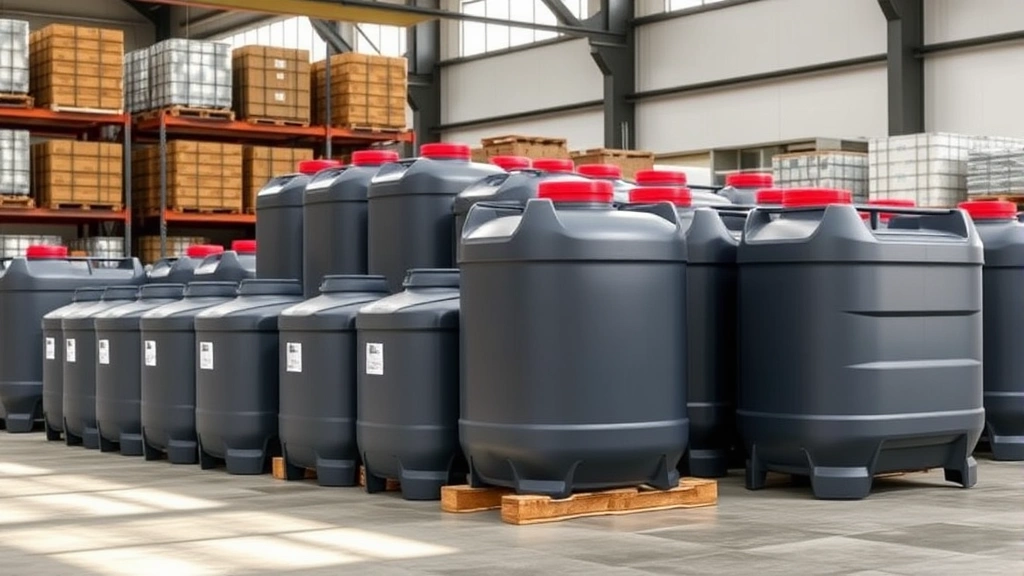
Most VP gas cans utilize high-density polyethylene (HDPE) plastic construction, a material choice that carries significant environmental implications. HDPE represents a petroleum-derived synthetic polymer requiring fossil fuel extraction and energy-intensive manufacturing processes. While HDPE qualifies as recyclable through established municipal programs, actual recycling rates remain disappointingly low globally. The material’s petroleum foundation directly contradicts core sustainability principles emphasizing reduced fossil fuel dependency.
The plastic construction of VP gas cans creates persistent environmental challenges extending far beyond initial manufacturing. Plastic containers persist in landfills and natural environments for centuries, fragmenting into microplastics that contaminate soil, water systems, and food chains. Even when properly recycled, HDPE processing requires significant energy inputs and generates secondary environmental costs. This fundamental material choice undermines claims of genuine eco-friendliness, regardless of other design features or efficiency improvements.
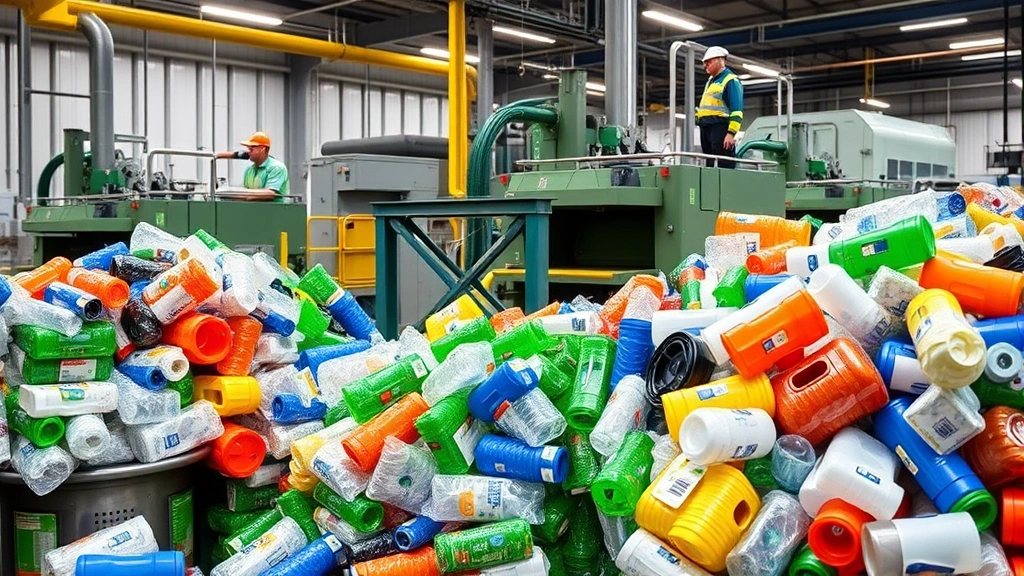
Some VP container lines incorporate recycled plastic content, representing a marginal improvement over virgin material but not addressing the fundamental plastic persistence problem. Incorporating recycled content does reduce virgin plastic extraction demands and provides beneficial end-of-life pathways for existing plastic waste. However, this represents incremental progress rather than transformative environmental solutions. The reliance on plastic construction remains the most significant material-related environmental concern affecting VP gas cans.
Metal alternatives, including steel and aluminum containers, present different environmental trade-offs. While metal production involves substantial energy consumption and mining impacts, metal containers demonstrate superior longevity and recycling rates compared to plastic. Metal’s infinite recyclability without degradation creates fundamentally different lifecycle implications. VP’s preference for plastic construction suggests prioritization of cost reduction over maximum environmental benefit.
Manufacturing and Production Concerns
The industrial manufacturing processes required to produce VP gas cans generate environmental impacts throughout the production supply chain. Plastic injection molding, the primary manufacturing technique for these containers, requires substantial energy inputs and produces waste material. Manufacturing facilities generate emissions contributing to climate change and air quality degradation. The transportation logistics involved in distributing finished products globally adds additional carbon footprint considerations.
VP Racing’s manufacturing operations maintain compliance with applicable environmental regulations, but regulatory compliance represents a minimum standard rather than optimal environmental performance. Many manufacturing processes permitted under current regulations still generate significant environmental harm. The company’s environmental management practices may exceed legal requirements in certain areas, yet comprehensive sustainability audits remain unavailable for public scrutiny.
Raw material sourcing for plastic production involves fossil fuel extraction with well-documented environmental consequences including habitat destruction, water contamination, and carbon emissions. The petrochemical industry’s environmental footprint extends far beyond individual manufacturing facilities, encompassing upstream extraction and refining processes. VP’s reliance on virgin plastic materials perpetuates demand for environmentally damaging extraction industries.
Worker welfare and supply chain ethics represent additional manufacturing considerations intersecting with broader sustainability concerns. Equitable labor practices and safe working conditions throughout manufacturing operations contribute to genuine sustainability beyond purely environmental metrics. The transparency regarding VP’s manufacturing practices and supply chain management remains limited, complicating comprehensive sustainability assessment.

Fuel Vapor Emissions and Air Quality
A critical environmental dimension of fuel storage involves volatile organic compound (VOC) emissions from stored gasoline. Fuel vapor escapes during storage, handling, and use, contributing to ground-level ozone formation and air quality degradation. Some VP gas cans incorporate design features intended to minimize vapor emissions, including pressure-relief valves and improved sealing mechanisms. These innovations represent meaningful progress toward reducing atmospheric pollution from fuel storage.
The Environmental Protection Agency (EPA) establishes regulations governing fuel container emissions, with standards specifically addressing vapor loss during storage and transport. VP containers meeting EPA standards demonstrate compliance with federal air quality protection requirements. However, exceeding minimum regulatory standards would represent genuinely eco-friendly performance. The distinction between compliance and environmental optimization remains crucial when evaluating VP’s actual sustainability performance.
Improved container sealing reduces benzene and other toxic volatile organic compounds entering ambient air and indoor environments. This represents a genuine environmental benefit affecting both atmospheric chemistry and human health. Individuals using VP gas cans for fuel storage benefit from reduced personal exposure to harmful vapors, creating health co-benefits alongside environmental advantages. The vapor emission performance of specific VP container models provides measurable environmental value.
Fuel vapor emissions connect directly to broader climate change concerns, as VOCs participate in atmospheric chemistry processes affecting radiative forcing and climate dynamics. Reducing unnecessary fuel vapor release supports climate mitigation objectives alongside air quality protection. VP’s innovations in vapor containment technology contribute incrementally to these important environmental goals, though the fundamental reliance on fossil fuel storage perpetuates the underlying problem.
Durability and Product Lifecycle
The environmental impact of any product extends throughout its complete lifecycle, from raw material extraction through final disposal or recycling. Durable products requiring less frequent replacement generate lower environmental impact per unit of service provided. VP gas cans designed for longevity and reliable performance reduce the frequency of replacement cycles, potentially generating environmental benefits through extended product lifecycles.
High-quality plastic construction in VP containers resists degradation from fuel exposure, temperature fluctuations, and physical stress. This durability helps ensure containers remain functional for extended periods, reducing replacement frequency. Individuals investing in VP products often maintain them for years or decades, supporting extended product lifecycles. This longevity consideration provides environmental advantages compared to disposable or short-lived alternatives.
However, plastic’s inherent vulnerability to UV degradation and material fatigue eventually necessitates replacement. Unlike metal containers achieving indefinite functionality, plastic containers eventually require disposal regardless of initial quality. The accumulated environmental cost of eventual plastic waste generation partially offsets lifecycle benefits from extended durability. Understanding the realistic lifespan of VP containers reveals both advantages and limitations in their overall environmental profile.
Proper maintenance extending container lifespan maximizes environmental benefits from durability improvements. Users can enhance container longevity through appropriate storage practices, regular inspection, and preventive care. The environmental responsibility extends beyond manufacturing to include consumer stewardship throughout the product lifecycle. VP’s guidance regarding proper container maintenance supports extended lifespan and reduced replacement frequency.
Comparative Analysis with Alternative Options
Evaluating VP gas cans’ eco-friendliness requires comparison with realistic alternative solutions available to consumers. Traditional metal fuel containers, including vintage and modern designs, offer superior environmental profiles in certain dimensions. Metal’s infinite recyclability and extended lifespan provide advantages over plastic alternatives. However, metal production generates substantial manufacturing emissions and mining impacts requiring careful consideration.
Emerging alternative fuel storage technologies, including composite materials and advanced polymers, promise improved environmental performance. Some manufacturers develop containers incorporating bio-based plastics or recycled material content exceeding VP’s current offerings. These alternatives merit serious consideration for environmentally conscious consumers seeking optimal sustainability. The competitive landscape continues evolving as environmental consciousness drives product innovation.
The broader context of fuel storage itself deserves critical examination. Minimizing fuel storage requirements through behavioral changes and technological adoption represents the most fundamentally sustainable approach. Transitioning to electric vehicles and renewable energy alternatives ultimately renders fuel storage containers obsolete. For individuals unable to eliminate fossil fuel dependence entirely, VP containers represent a practical choice with genuine environmental considerations but not a sustainability solution.
Comparing VP cans to generic disposable fuel containers reveals meaningful environmental advantages. VP’s emphasis on durability and quality construction generates environmental benefits through extended product lifecycles. Consumers replacing cheap disposable containers frequently incur greater cumulative environmental costs than maintaining durable VP products. This comparative advantage supports strategic fuel storage choices without implying genuine eco-friendliness of plastic-based solutions.
Certification and Compliance Standards
VP Racing Fuels maintains compliance with Environmental Protection Agency regulations governing fuel container design and emissions performance. EPA certification confirms that products meet federal standards for vapor containment and environmental protection. This regulatory compliance represents a meaningful baseline, ensuring VP containers perform at least as well as legal requirements demand. However, compliance alone does not establish genuine eco-friendly credentials.
The EPA’s fuel container regulations specifically address volatile organic compound emissions and fuel spillage prevention. VP’s compliance with these standards demonstrates commitment to federally mandated environmental protection. Meeting or exceeding these standards supports air quality protection and reduces atmospheric pollution. Understanding the specific regulatory framework contextualizes VP’s environmental performance within governmental oversight structures.
Third-party certifications and environmental labeling provide additional transparency regarding product environmental performance. VP containers may carry certifications indicating compliance with specific environmental standards or sustainability criteria. Examining these certifications reveals whether VP pursues environmental optimization beyond minimum legal requirements. Consumers seeking genuinely eco-friendly products should prioritize containers with recognized environmental certifications.
Industry standards developed by organizations like the American Society for Testing and Materials (ASTM) establish technical specifications for fuel containers. Compliance with ASTM standards ensures product safety and reliability while supporting interoperability across different fuel types and applications. These technical standards create baseline environmental performance requirements that VP and competitors must meet. Understanding the relationship between technical standards and environmental performance clarifies the limitations of regulatory compliance.
Real-World Environmental Performance
The theoretical environmental advantages of VP gas cans manifest differently depending on actual user practices and real-world conditions. Consumers properly maintaining containers, storing them appropriately, and minimizing fuel waste realize maximum environmental benefits from quality construction and vapor containment features. Conversely, users treating containers carelessly or allowing fuel spillage and evaporation negate potential environmental advantages.
Professional users, including landscapers and contractors, typically maintain equipment and fuel storage systems more carefully than casual consumers. These users realize greater environmental benefits from VP containers’ quality construction and durability. The professional context of VP’s primary customer base supports more responsible fuel storage practices than consumer recreational use. This market positioning influences actual environmental performance outcomes.
Geographic and climate factors affect real-world environmental performance of fuel storage containers. Hot climates accelerate fuel evaporation and plastic degradation, reducing container longevity and increasing vapor emissions. Cold climates may extend plastic lifespan while reducing evaporation rates. Understanding local environmental conditions provides context for predicting actual environmental outcomes from VP container use in specific regions.
Individuals seeking to reduce environmental footprint through conscious consumer choices should carefully evaluate whether fuel storage represents a necessary practice or avoidable consumption. For those requiring fuel storage, VP containers offer practical advantages over inferior alternatives. However, this represents damage mitigation rather than genuine environmental solutions. The most eco-friendly fuel container remains the one never needed because fossil fuels have been eliminated from your energy consumption.
Long-term environmental outcomes depend on VP’s evolution toward genuinely sustainable practices. The company’s research into alternative materials, increased recycled content, and enhanced environmental performance demonstrates responsiveness to growing ecological concerns. Future VP products may incorporate superior materials and manufacturing practices. Supporting companies demonstrating commitment to environmental improvement creates market incentives for continued sustainability innovation.
Sustainable Energy Transition Implications
The broader context of sustainable energy solutions reveals the fundamental limitations of optimizing fuel storage containers. However improved VP products become, they fundamentally support continued fossil fuel consumption. The most significant environmental action involves transitioning away from fossil fuels entirely rather than perfecting their storage and distribution. VP containers serve transitional utility but cannot represent long-term sustainability solutions.
Understanding the definition of sustainability clarifies why fuel storage optimization alone proves insufficient. Genuine sustainability requires fundamentally transforming energy systems away from fossil fuels toward renewable alternatives. While VP containers may reduce incremental environmental harm, they perpetuate dependence on fundamentally unsustainable energy sources. Consumers viewing fuel storage as a sustainability choice rather than a temporary necessity misunderstand environmental imperatives.
The fuel storage industry will inevitably decline as green technology innovations transform energy systems. VP Racing Fuels and competitors operate within a declining market category as renewable energy adoption accelerates. Supporting this transition requires individual commitment to reducing fuel consumption regardless of container efficiency. VP products serve necessary functions for current users but should not distract from priority focus on systemic energy transformation.
Making Informed Consumer Choices
Consumers requiring fuel storage should evaluate VP containers within realistic context. For individuals unable to eliminate fossil fuel dependence entirely, VP products offer practical advantages over inferior alternatives. The company’s emphasis on quality construction, vapor containment, and durability generates genuine environmental benefits compared to cheap disposable containers. Making this choice represents pragmatic harm reduction rather than achieving sustainability.
Evaluating specific VP product models reveals meaningful environmental differences between container options. Models incorporating improved sealing, vapor management, and recycled content represent superior environmental choices compared to basic designs. Consumers should prioritize these enhanced products when available, supporting market signals favoring environmental optimization. Detailed product specifications provide transparency enabling informed comparative decisions.
For individuals with opportunity to eliminate fuel storage entirely, this represents the most environmentally responsible choice. Transitioning to electric vehicles, renewable energy systems, and fuel-free transportation and heating eliminates the need for fuel containers entirely. This transformation represents genuine sustainability progress rather than optimizing fossil fuel storage. Prioritizing systemic change over incremental product improvements aligns with environmental imperatives.
Visiting the SustainWise Hub Blog provides additional resources exploring sustainability topics and environmental choices. Developing comprehensive understanding of environmental issues informs better consumer decisions across all product categories. Engaging with sustainability education supports the knowledge development necessary for meaningful environmental action.
FAQ
Are VP gas cans recyclable?
VP gas cans manufactured from high-density polyethylene (HDPE) qualify as recyclable through most municipal recycling programs. However, actual recycling rates remain low, and recycled plastic degrades through repeated cycles. While recyclability represents an improvement over non-recyclable alternatives, it does not address plastic’s fundamental persistence and environmental challenges.
Do VP gas cans reduce fuel evaporation?
Yes, many VP container models incorporate design features including improved sealing and vapor-relief valves that reduce fuel evaporation and volatile organic compound emissions. These innovations provide genuine environmental benefits by minimizing atmospheric pollution from stored fuel. Specific product models vary in emission performance, so consumers should verify specifications for particular containers.
How long do VP gas cans last?
VP gas cans demonstrate substantial durability, often remaining functional for 10-20+ years with proper maintenance. This extended lifespan reduces replacement frequency and cumulative environmental impact compared to disposable alternatives. Actual longevity depends on storage conditions, usage intensity, and maintenance practices. Users can enhance container longevity through appropriate care and storage methods.
What makes fuel containers eco-friendly?
Genuinely eco-friendly fuel containers would utilize renewable or infinitely recyclable materials, require minimal manufacturing energy, prevent fuel vapor emissions, achieve extended lifespans, and ultimately enable reduced fossil fuel consumption. Few existing containers meet all these criteria. The most eco-friendly container remains the one never needed through elimination of fossil fuel dependence.
Should I choose VP cans over other brands?
VP containers offer quality construction and vapor containment advantages compared to many competitors. For individuals requiring fuel storage, VP represents a pragmatic choice supporting extended product lifecycles and reduced emissions. However, the choice between fuel storage container brands represents a minor environmental decision compared to broader choices regarding fuel consumption patterns and energy system transitions.
Do VP containers help the environment?
VP containers provide incremental environmental benefits through improved vapor containment, durability, and quality construction compared to inferior alternatives. However, they fundamentally support continued fossil fuel consumption rather than advancing genuine environmental sustainability. The containers represent practical harm reduction within a fossil fuel dependent system rather than solutions advancing environmental restoration.