Eco-Friendly Alternatives to VP Racing Gas Cans: Sustainable Fuel Storage Solutions
VP Racing gas cans have long been a standard choice for fuel storage, but their environmental impact deserves scrutiny. Traditional plastic fuel containers contribute to petroleum-based waste, potential spills, and chemical leaching into soil and water systems. As environmental consciousness grows, consumers increasingly seek sustainable alternatives that align with ecological responsibility while maintaining practical functionality.
The fuel storage industry is evolving rapidly, offering innovative solutions that reduce environmental harm without compromising safety or performance. Whether you’re a weekend mechanic, gardener, or outdoor enthusiast, understanding the available eco-friendly options empowers you to make choices that benefit both your immediate needs and planetary health. This comprehensive guide explores the most promising alternatives to conventional racing fuel containers.
Why Traditional Fuel Cans Harm the Environment
VP Racing gas cans and similar plastic containers present multiple environmental challenges that extend beyond their initial manufacturing. Most traditional fuel containers are manufactured from virgin polyethylene or polypropylene, petroleum-derived plastics requiring significant energy extraction and processing. This production process generates substantial carbon emissions, contributing to climate change.
The lifespan problem compounds environmental damage. Plastic fuel cans typically last 5-10 years before degradation, leading to disposal in landfills where they persist for centuries. Many containers end up in oceans and natural ecosystems, fragmenting into microplastics that contaminate food chains. Additionally, fuel residue inside disposed containers poses serious environmental risks—petroleum compounds leach into groundwater, affecting aquatic ecosystems and drinking water supplies.
Chemical off-gassing represents another concern. Plastic containers release volatile organic compounds (VOCs) during storage, particularly in warm conditions. These emissions contribute to ground-level ozone formation and air quality degradation. Spills and leaks from plastic containers are more common than many realize, with countless gallons entering soil annually through cracked seams and degraded materials.
Understanding these impacts motivates exploration of superior alternatives that prioritize environmental stewardship while meeting practical storage requirements. Reducing your environmental footprint starts with examining everyday products like fuel containers.
Metal Fuel Containers: A Durable Alternative
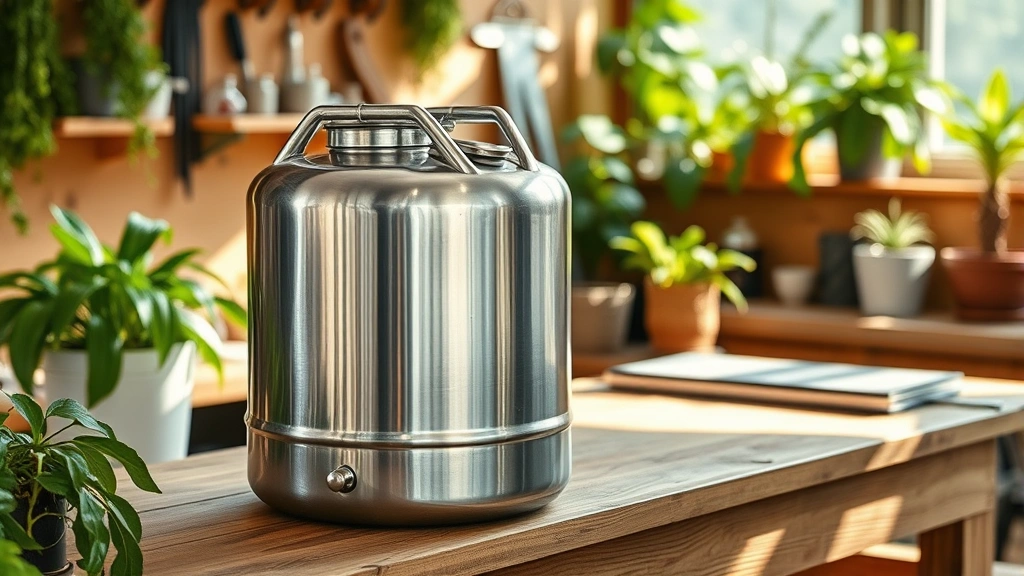
Steel and aluminum fuel containers represent one of the most environmentally responsible alternatives to plastic options. These metals are infinitely recyclable without degradation, meaning a steel fuel can manufactured today could be recycled indefinitely without losing quality. This circular economy approach eliminates the disposal problem inherent to plastic containers.
Steel containers offer exceptional durability, often lasting 20-30+ years with proper maintenance. Their longevity significantly reduces the replacement frequency and associated manufacturing emissions compared to plastic cans requiring replacement every decade. Steel’s inherent strength prevents punctures and leaks that plague plastic containers, reducing environmental contamination risk substantially.
Aluminum containers provide lighter-weight alternatives to steel while maintaining excellent durability. Their reduced weight decreases fuel consumption when transporting heavy equipment, creating a secondary environmental benefit. Aluminum’s superior corrosion resistance extends container lifespan further, though aluminum production requires more energy than steel manufacturing.
Both materials eliminate VOC off-gassing entirely, improving air quality during storage and handling. Metal containers maintain fuel integrity better than plastic, preventing oxidation and contamination that degrades fuel quality. This preservation capability reduces fuel waste and unnecessary replacement purchases.
Cost considerations matter for sustainability. While metal containers typically cost more initially, their extended lifespan makes them more economical long-term. The environmental cost-benefit analysis overwhelmingly favors metal options when calculated across their full lifecycle. Purchasing durable metal containers demonstrates commitment to sustainable energy solutions.

Biodegradable and Plant-Based Options
Emerging biodegradable container technology offers promising alternatives for environmentally conscious consumers. Manufacturers are developing containers from plant-based polymers derived from corn, sugarcane, and cellulose. These bioplastics decompose naturally in appropriate conditions, eliminating the centuries-long persistence of traditional plastics in landfills.
Polylactic acid (PLA) containers represent a significant advancement in sustainable packaging. Derived from renewable resources, PLA containers biodegrade within 2-5 years in industrial composting facilities. While not suitable for all fuel types, PLA containers work effectively for certain applications and temporary storage situations. Their production generates significantly lower carbon emissions than petroleum-based plastics.
Polyhydroxyalkanoates (PHAs) represent another exciting development. These naturally occurring polymers are produced by bacteria and completely biodegrade in marine and soil environments without toxic residue. PHA containers offer superior environmental profiles, though current market availability remains limited and pricing higher than conventional options.
Challenges exist with plant-based containers. Many bioplastics require specific industrial composting conditions unavailable in most municipalities, limiting practical end-of-life management. Some plant-based materials show reduced chemical resistance compared to traditional plastics, potentially affecting fuel integrity during extended storage. Consumers should verify compatibility with specific fuel types before selecting bioplastic containers.
Despite limitations, bioplastic containers represent important progress toward circular economy principles. As technology improves and production scales increase, these options will become more accessible and practical. Supporting bioplastic development through consumer demand encourages continued innovation in sustainable materials.
Recycled Plastic Fuel Storage Solutions
Recycled plastic containers offer a middle-ground approach, utilizing post-consumer waste materials to reduce demand for virgin petroleum. Containers manufactured from recycled high-density polyethylene (HDPE) repurpose plastic waste that would otherwise enter landfills or oceans. This approach significantly reduces manufacturing emissions compared to virgin plastic production, sometimes by 50-70%.
The environmental advantage of recycled plastic containers depends heavily on manufacturing practices and transportation distances. Locally-manufactured recycled containers minimize carbon footprint from shipping. Some manufacturers incorporate recycled content alongside virgin materials to optimize durability and chemical resistance, creating hybrid products with improved sustainability profiles.
Quality considerations matter significantly with recycled plastic options. Some recycled containers show reduced structural integrity compared to virgin plastic alternatives, increasing leak and failure risks. Selecting containers from reputable manufacturers with rigorous quality standards ensures reliability while supporting responsible recycling practices.
Recycled plastic containers remain recyclable themselves, extending the circular lifecycle. However, each recycling iteration may degrade plastic quality slightly, eventually reaching a point where further recycling becomes impractical. Despite this limitation, recycled plastic containers substantially reduce environmental impact compared to virgin plastic options.
Consumers should seek containers certified for fuel storage specifically. Not all recycled plastics are suitable for fuel contact due to chemical compatibility concerns. Proper certification ensures containers won’t degrade or contaminate fuel, maintaining safety and environmental responsibility.

Innovative Safety Features in Eco-Friendly Cans
Modern eco-friendly fuel containers incorporate advanced safety features that rival or exceed traditional options. Improved spill-prevention mechanisms reduce environmental contamination risk significantly. Automatic shut-off nozzles prevent overfilling, eliminating spills that previously contaminated soil and water. Flame arrestor screens prevent external ignition sources from igniting fuel vapors inside containers.
Advanced sealing technology in metal and quality plastic containers virtually eliminates leaks during transport and storage. Pressure relief valves prevent container rupture from temperature fluctuations and vapor pressure buildup. Child-resistant mechanisms ensure accidental exposure risks are minimized, protecting both human safety and environmental integrity.
Some innovative containers feature transparent measurement windows allowing accurate fuel quantity assessment without opening containers. This reduces unnecessary exposure to fuel vapors and minimizes accidental spills from overfilling. Ergonomic handle designs reduce spillage from dropping or fumbling during fuel transfer.
Eco-friendly containers increasingly incorporate reflective or high-visibility labeling to prevent misfueling incidents. Proper fuel identification prevents equipment damage and unnecessary fuel waste. Some manufacturers include secondary containment trays with their containers, capturing any leaks and preventing environmental contamination.
Smart container technology is emerging, with sensors monitoring fuel levels and alerting users to leaks or temperature anomalies. These innovations combine sustainability with enhanced safety, creating superior overall solutions compared to traditional racing fuel containers.
Reducing Fuel Consumption and Emissions
Selecting eco-friendly fuel containers represents one component of broader fuel consumption reduction strategies. Complementing container improvements with behavioral changes multiplies environmental benefits. Exploring advantages of electric vehicles offers perspective on fuel alternatives entirely.
Proper fuel storage practices maximize efficiency and minimize waste. Maintaining containers in cool, dark locations reduces evaporative losses that waste fuel and release VOCs into the atmosphere. Regular inspection prevents leaks that squander resources and contaminate environments. Keeping containers properly sealed eliminates unnecessary exposure to oxygen that degrades fuel quality.
Fuel additives can extend storage life, reducing the need to replace degraded fuel. Stabilizers prevent oxidation during extended storage, maintaining fuel quality for seasonal equipment. This practice reduces waste and minimizes the environmental impact of disposing old fuel improperly.
Consolidating fuel purchases reduces transportation emissions. Buying fuel in bulk for seasonal needs requires fewer trips than frequent small purchases. Coordinating fuel deliveries among neighbors or community members further reduces transportation-related emissions.
Equipment maintenance directly affects fuel efficiency. Well-maintained engines burn fuel more completely, reducing emissions and fuel consumption. Regular tune-ups, air filter replacements, and spark plug maintenance improve efficiency significantly. Properly inflated equipment tires reduce rolling resistance, decreasing fuel requirements.
Behavioral adjustments matter considerably. Operating equipment at appropriate throttle settings conserves fuel compared to running at maximum power continuously. Planning work efficiently to minimize equipment runtime reduces overall fuel consumption substantially. These practical measures complement container improvements in creating comprehensive sustainability strategies.
Certification Standards for Sustainable Containers
Several certification programs ensure fuel containers meet environmental and safety standards. Understanding these certifications helps consumers identify genuinely sustainable options among marketing claims. The Environmental Protection Agency (EPA) establishes fuel container standards addressing environmental protection and safety requirements.
ISO 14001 certification indicates manufacturers implement environmental management systems reducing production impacts. Containers from ISO 14001-certified manufacturers demonstrate commitment to continuous environmental improvement throughout manufacturing processes. This certification doesn’t guarantee eco-friendly materials but indicates responsible manufacturing practices.
Cradle to Cradle certification evaluates products across entire lifecycles, from raw material extraction through disposal and recycling. Containers achieving Cradle to Cradle certification meet rigorous environmental, social, and economic criteria. This comprehensive approach ensures true sustainability rather than greenwashing.
The Sustainable Packaging Coalition provides guidance on environmentally responsible packaging. While primarily focused on shipping containers, their principles apply to fuel storage solutions. Their research-based approach helps consumers distinguish genuinely sustainable options from superficial environmental claims.
Forest Stewardship Council (FSC) certification applies to containers with wood components, ensuring responsible forestry practices. Some innovative containers incorporate sustainable wood elements for handles or structural components, warranting FSC verification.
Consumers should research manufacturer claims independently. Third-party certifications provide more reliable sustainability information than manufacturer marketing. Checking certification validity through issuing organizations ensures containers meet legitimate environmental standards rather than relying on unverified claims.
The Greenguard Certification Program evaluates products for chemical emissions and environmental health impacts. Containers meeting Greenguard standards emit minimal VOCs and hazardous substances, protecting both human health and environmental quality during storage and handling.
FAQ
Are metal fuel containers more expensive than plastic alternatives?
Initially, yes. Metal containers typically cost 20-40% more than plastic options. However, their extended lifespan (20-30+ years versus 5-10 years for plastic) makes them more economical over time. Calculating total cost of ownership across the container’s full lifecycle demonstrates significant savings with metal options.
Can biodegradable containers safely store fuel long-term?
Most biodegradable containers work for temporary storage but aren’t ideal for extended periods. Traditional bioplastics like PLA may degrade or become brittle over time, potentially compromising safety. Always verify manufacturer specifications regarding storage duration and fuel types before selecting bioplastic containers.
What’s the environmental impact of recycled plastic containers?
Recycled plastic containers reduce virgin plastic demand by 50-70%, significantly lowering manufacturing emissions. However, they still eventually reach end-of-life in landfills. Their environmental advantage over virgin plastic is substantial, making them preferable to brand-new containers, though metal and bioplastic options may offer superior long-term sustainability.
Do eco-friendly containers prevent fuel leaks better than traditional cans?
Quality metal containers actually prevent leaks more effectively than plastic options due to superior structural integrity. Recycled plastic containers may show reduced leak prevention if manufacturing quality is compromised. Selecting containers from reputable manufacturers with quality certifications ensures reliable leak prevention regardless of material selection.
How should I dispose of old fuel containers responsibly?
Metal containers should be recycled through scrap metal facilities or municipal recycling programs. Plastic containers should enter plastic recycling streams where available. Never dispose of fuel containers in regular trash. Contact local waste management for proper disposal guidance specific to your area. Some retailers accept used containers for proper recycling.
Are there fuel containers made from completely renewable materials?
Emerging bioplastic options use renewable materials like corn and sugarcane, though true 100% renewable containers remain rare commercially. Most eco-friendly options incorporate renewable content alongside other materials to optimize durability and safety. Continue monitoring market developments as renewable container technology advances.
Can I refill eco-friendly containers indefinitely?
Metal containers withstand essentially unlimited refilling cycles without degradation. Quality plastic and bioplastic containers support repeated refilling but may eventually show wear. Inspect containers regularly for cracks, discoloration, or degradation. Replace containers showing signs of deterioration to maintain safety and prevent leaks.