Washington Gas: Save Money & Energy with Expert Tips
Managing your Washington gas bill pay doesn’t have to be complicated or expensive. Whether you’re heating your home during frigid winters or powering appliances year-round, understanding how to optimize your natural gas usage can significantly reduce your monthly expenses while supporting environmental sustainability. This comprehensive guide reveals practical strategies that Washington residents can implement immediately to lower their energy costs and carbon footprint.
Natural gas accounts for a substantial portion of household energy expenses in the Washington region. By adopting smart conservation practices and leveraging available utility programs, homeowners can achieve savings of 10-30% annually. Beyond financial benefits, reducing gas consumption aligns with broader climate goals and demonstrates commitment to definition of sustainability principles that benefit both your wallet and the planet.
Understanding Your Washington Gas Bill
Before implementing savings strategies, you need to understand what drives your Washington gas bill pay amount. Your monthly statement includes several components: the commodity charge (actual gas used), delivery charges (infrastructure maintenance), taxes, and various fees. Most residential customers pay based on therms consumed, where one therm equals approximately 100,000 BTUs of energy.
Analyzing your billing history reveals consumption patterns. Most Washington households use significantly more gas during winter months (November through March) when heating demands peak. Summer usage typically covers water heating and cooking only. By reviewing your statements from previous years, you can establish baseline consumption and track whether your conservation efforts are effective.
Understanding rate structures helps identify savings opportunities. Washington Gas offers various rate plans, and some customers qualify for budget billing programs that spread costs evenly throughout the year. This prevents shocking winter bills and makes budgeting more predictable. Additionally, examining your usage trends helps identify which appliances or systems consume the most energy, allowing you to prioritize improvement efforts effectively.

Heating System Efficiency Upgrades
Your furnace or boiler likely consumes 40-60% of your total annual gas budget. Upgrading to a high-efficiency system represents the single most impactful investment for reducing gas consumption. Modern condensing furnaces achieve 95% efficiency compared to 80-85% for systems installed before 2000. While initial costs range from $4,000-$8,000, utility savings typically recover this investment within 7-10 years, with additional savings continuing indefinitely.
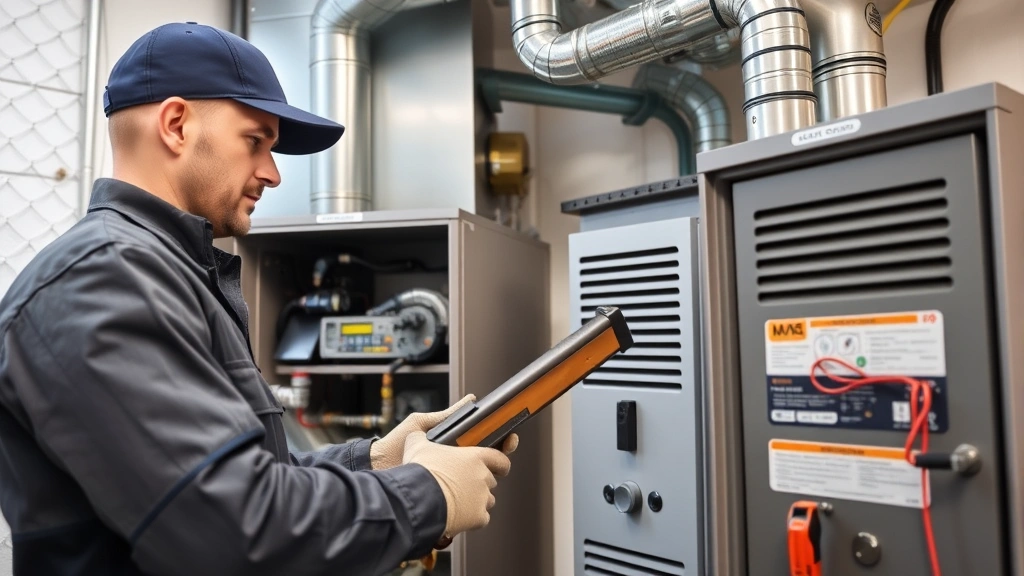
If replacement isn’t immediately feasible, regular maintenance dramatically improves efficiency. Annual professional inspections ensure your system operates at peak performance. During maintenance, technicians clean burners, check gas pressure, inspect heat exchangers, and replace filters. A well-maintained furnace consumes 5-15% less gas than a neglected system. Schedule maintenance before winter arrives to avoid emergency service calls and ensure reliable operation during cold snaps.
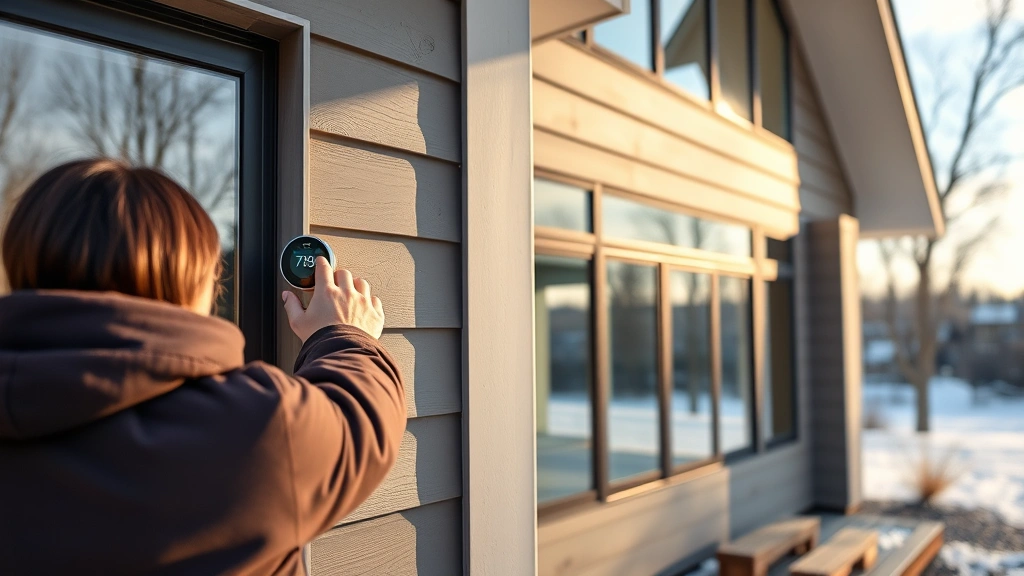
Thermostat management offers immediate, cost-free improvements. Programmable and smart thermostats automatically adjust temperatures based on occupancy and time of day. Lowering your thermostat by 7-10 degrees for 8 hours daily saves approximately 10% on heating costs. During winter, maintaining 68-70°F when home and 62-65°F when away or sleeping provides comfort while maximizing savings. Explore sustainable energy solutions that integrate smart climate control with your home’s overall efficiency strategy.
Ductwork sealing prevents heated air from escaping into unconditioned spaces. Many homes lose 15-30% of conditioned air through leaky ducts. Professional duct sealing costs $300-$600 but can reduce heating costs by 10-20%. Combined with furnace upgrades and thermostat optimization, these improvements create a comprehensive approach to maximizing heating efficiency.
Behavioral Changes for Immediate Savings
You don’t need expensive equipment to start reducing your Washington gas bill pay today. Simple behavioral adjustments deliver immediate results without capital investment. These changes require minimal effort but demand consistency to maintain benefits throughout the year.
Water heating represents the second-largest gas expense for most households. Reducing shower duration from 10 to 5 minutes saves approximately 12.5 gallons of hot water daily. Installing low-flow showerheads (1.5-2 GPM) maintains comfort while cutting water heating gas consumption by 25-40%. Insulating hot water pipes prevents heat loss during distribution, ensuring more energy reaches your fixtures. Setting water heater temperature to 120°F (instead of 140°F) saves 3-5% annually while reducing scalding risks.
Cooking and cooking-related activities consume moderate gas quantities. Using lids on pots reduces cooking time by 25-30%, directly lowering gas consumption. Matching pot size to burner size improves heat transfer efficiency. When possible, use smaller appliances like toaster ovens instead of your full-size oven. These simple practices reduce gas usage while improving kitchen safety and cooking results.
Air sealing around windows, doors, and penetrations prevents conditioned air from escaping. Weatherstripping costs $20-$50 but can reduce heating costs by 5-10%. Caulking gaps around electrical outlets, baseboards, and pipe penetrations provides additional benefits. These low-cost improvements dramatically reduce the workload on your heating system, allowing it to maintain comfortable temperatures with less fuel consumption.
Reverse ceiling fan operation during winter pushes warm air downward, improving distribution without additional heating. This simple action costs nothing and provides measurable comfort improvements. Combined with other behavioral changes, fan reversal contributes to overall efficiency gains.
Washington Gas Utility Programs & Rebates
Washington Gas offers numerous programs designed to help customers reduce consumption and lower bills. Understanding these offerings ensures you maximize available benefits and avoid leaving money on the table.
The Low Income Home Energy Assistance Program (LIHEAP) provides bill payment assistance and weatherization services for eligible households. Weatherization includes insulation improvements, air sealing, and HVAC maintenance that reduce energy consumption while improving home comfort. Contact your local community action agency to determine eligibility and apply for assistance.
Washington Gas’s Energy Efficiency Rebate Program offers incentives for upgrading to high-efficiency equipment. Furnace replacement rebates can reach $300-$500, while water heater upgrades qualify for $50-$100 rebates. Smart thermostat installations receive $25-$75 rebates. These programs substantially reduce net equipment costs and accelerate return on investment timelines.
The Budget Billing Program averages your annual gas costs across 12 months, eliminating seasonal bill spikes. This program helps with budgeting and cash flow management, though it doesn’t directly reduce consumption. However, the predictability often motivates customers to implement additional conservation measures, ultimately achieving greater savings than they would without budget billing structure.
Washington Gas provides free energy audits that identify your home’s specific efficiency opportunities. Auditors assess insulation levels, air sealing needs, equipment age and condition, and usage patterns. Recommendations prioritize improvements by cost-effectiveness and potential savings, helping you allocate resources strategically. Schedule an audit before winter to address critical issues before heating season arrives.
Explore how these utility programs complement green technology innovations transforming our future to create comprehensive home efficiency solutions that serve both your budget and environmental responsibility.
Smart Technology & Monitoring Solutions
Modern technology provides unprecedented visibility into energy consumption patterns and enables automated optimization previously impossible. Smart devices transform passive utility customers into active energy managers capable of identifying and eliminating waste.
Smart thermostats like Nest, Ecobee, and Honeywell Home learn your preferences and automatically adjust temperatures based on occupancy, weather forecasts, and historical patterns. Remote control via smartphone apps allows adjustments from anywhere, preventing unnecessary heating when you’re away. Energy reports highlight consumption trends and suggest optimization opportunities. These devices typically cost $150-$300 but save 10-15% on heating costs, paying for themselves within 2-3 years.
Home energy monitoring systems provide real-time consumption data for your entire home or individual appliances. Devices like Sense and Neurio identify which appliances consume the most energy and alert you to unusual consumption patterns indicating equipment malfunction. This visibility motivates conservation and helps prioritize improvement investments based on actual usage data rather than assumptions.
Smart gas meters (if available in your area) provide hourly consumption data through online portals. This granular information reveals which activities drive consumption, allowing targeted conservation efforts. Some utilities offer free smart meter installation as part of modernization initiatives.
Integration with sustainable energy solutions platforms allows coordination between heating systems, water heaters, and renewable energy sources like solar thermal systems. This holistic approach maximizes efficiency by optimizing when and how different systems operate.
Seasonal Optimization Strategies
Gas consumption patterns vary dramatically across seasons, requiring different strategies for maximum effectiveness. Understanding seasonal dynamics helps you prepare and implement appropriate conservation measures at optimal times.
Winter Strategy (November-March): This period drives 70-80% of annual gas consumption. Priorities include furnace maintenance, thermostat optimization, and air sealing. Install heavy curtains on south-facing windows to capture solar heat during sunny days while providing insulation at night. Ensure attic insulation meets or exceeds recommended R-values for your climate zone. Maintain gutters to prevent ice dams that allow heat escape. Block drafts under doors with draft stoppers. These measures reduce heating demands while maintaining comfort.
Spring/Fall Transition (April-May, September-October): Moderate temperatures reduce heating needs but create opportunities for preventive maintenance. Schedule furnace inspections before winter arrives. Seal air leaks identified during winter. Clean or replace HVAC filters. Test programmable thermostats to ensure proper operation. Prepare weatherstripping and caulking materials for emergency repairs. This planning prevents winter emergencies and ensures systems operate efficiently when needed.
Summer Strategy (June-August): Minimal heating reduces gas consumption, but water heating and cooking still consume energy. Prioritize water heater insulation and temperature reduction. Consider solar water heating systems that supplement or replace gas heating during warm months. Install window treatments that block solar gain, reducing cooling needs if you use air conditioning. Address air sealing and insulation deficiencies identified during winter operation.
Year-round consumption monitoring ensures you maintain savings consistently. Review monthly bills, compare usage to previous years, and adjust strategies based on performance. This ongoing attention prevents backsliding and identifies emerging problems before they significantly impact bills.
Understanding how these seasonal strategies complement how to reduce your environmental footprint demonstrates that energy efficiency improvements simultaneously benefit your finances and the planet by reducing your household’s greenhouse gas emissions.
FAQ
How can I pay my Washington Gas bill online?
Washington Gas customers can pay bills through their online account portal at washingtongas.com. Create an account, link your bank account or credit card, and schedule one-time or recurring payments. Automatic payments eliminate late fees and simplify budgeting. The utility also accepts payments via phone, mail, and in-person at payment centers throughout the service area.
What’s a reasonable Washington gas bill pay amount for my household?
Average residential bills vary significantly by home size, insulation quality, heating system efficiency, and winter weather severity. A typical 2,000 sq ft home with average efficiency might average $80-120 monthly year-round, with winter months reaching $150-250 and summer months dropping to $30-50. Reviewing your usage history and comparing to similar homes identifies whether your consumption is typical or elevated.
Can I switch gas providers in Washington?
Washington Gas holds a regulated monopoly in most service areas, meaning customers cannot switch providers. However, you can optimize consumption through the strategies outlined in this guide and leverage Washington Gas’s efficiency programs. Advocacy for deregulation or alternative suppliers remains an option for interested customers.
How much can I save by implementing these strategies?
Potential savings range from 10-40% depending on your starting point and which strategies you implement. Behavioral changes alone might save 10-15%. Adding thermostat optimization and air sealing could reach 20-25%. Combining these with furnace replacement or major weatherization improvements can exceed 30-40%. Calculate your potential savings by multiplying your annual gas cost by conservative percentages to establish realistic expectations.
Are there tax credits for energy efficiency improvements?
Federal tax credits for energy-efficient equipment vary by year and equipment type. The Inflation Reduction Act (2022) expanded credits for heat pumps, electric water heaters, and other electrification measures. State and local incentives also exist. Consult with a tax professional or visit ENERGY STAR for current credit information and eligibility requirements.
What’s the difference between natural gas efficiency ratings?
Furnaces are rated by Annual Fuel Utilization Efficiency (AFUE), expressed as a percentage. An 95% AFUE furnace converts 95% of fuel to usable heat, with 5% lost up the chimney. Higher ratings indicate better efficiency and lower operating costs. Modern condensing furnaces achieve 90-98% AFUE compared to 78-85% for older systems, justifying replacement for homes with aging equipment.
Can renewable energy sources reduce gas consumption?
Solar thermal systems heat water using sunlight, reducing gas water heater usage 50-80% in favorable climates. Heat pumps powered by electricity can replace gas furnaces while offering superior efficiency metrics. Biomass systems using sustainably harvested wood provide alternative heating. However, these solutions require significant investment and site-specific feasibility analysis. Learn more about advantages of electric vehicles and electrification strategies that extend beyond transportation to home heating applications.
How do I report gas leaks?
If you smell gas, leave your home immediately and call Washington Gas’s emergency line at 1-844-WA-GAS-911 (1-844-922-4711). Do not use electrical switches, phones, or ignition sources. Emergency responders will locate and address leaks. Never attempt to find leaks yourself or repair gas equipment without professional expertise.
This comprehensive guide provides actionable strategies for reducing Washington gas consumption and lowering your monthly Washington gas bill pay amount. Implementation varies by home characteristics and available resources, but even modest changes deliver meaningful savings. Start with low-cost behavioral adjustments and air sealing, then progress to equipment upgrades as budget allows. Visit the SustainWise Hub Blog for additional energy efficiency insights and sustainability strategies that complement your home efficiency improvements.


