Gas Water Heater Efficiency: Expert Tips for Maximum Performance and Sustainability
Gas water heaters remain one of the most common heating systems in residential and commercial properties, accounting for significant energy consumption in most households. Understanding how to optimize your gas water heater’s efficiency is crucial not only for reducing energy bills but also for minimizing your environmental impact. The water heater gas valve plays a critical role in regulating the flow of fuel and controlling temperature, making it essential to understand its function and maintenance requirements.
In today’s climate-conscious world, improving your home’s energy efficiency directly contributes to reducing your environmental footprint. Gas water heaters that operate inefficiently waste energy and increase your carbon emissions. By implementing strategic maintenance practices and understanding the mechanics of your system, you can achieve better performance while supporting broader sustainability goals.
This comprehensive guide covers expert strategies for maximizing gas water heater efficiency, with special focus on the water heater gas valve and its role in system performance. Whether you’re looking to extend your equipment’s lifespan or reduce monthly utility costs, these evidence-based recommendations will help you make informed decisions about your heating system.

Understanding Your Gas Water Heater System
A gas water heater operates through a relatively straightforward mechanical process. Cold water enters the tank through the dip tube, where it settles at the bottom. The burner ignites to heat this water, and the thermostat controls the temperature by regulating the gas supply. Hot water rises to the top and exits through the outlet pipe when you turn on a hot water tap. This continuous cycle means your water heater is working constantly to maintain temperature, even when you’re not actively using hot water.
The efficiency of this process depends on multiple interconnected components. The burner must ignite reliably, the insulation must prevent heat loss, and crucially, the water heater gas valve must precisely control fuel delivery. Understanding these components helps you identify inefficiencies and take corrective action. Many homeowners don’t realize that their water heater’s age significantly impacts efficiency. Systems older than 10-15 years typically operate at 60-70% efficiency, compared to modern units achieving 85-90% efficiency.
Gas water heaters come in various sizes, typically ranging from 30 to 100 gallons. Your household’s hot water demand determines the appropriate size. An oversized heater wastes energy by constantly reheating excess water, while an undersized unit struggles to meet demand and operates inefficiently. Assessing your actual needs is an important first step toward optimization.

The Critical Role of the Water Heater Gas Valve
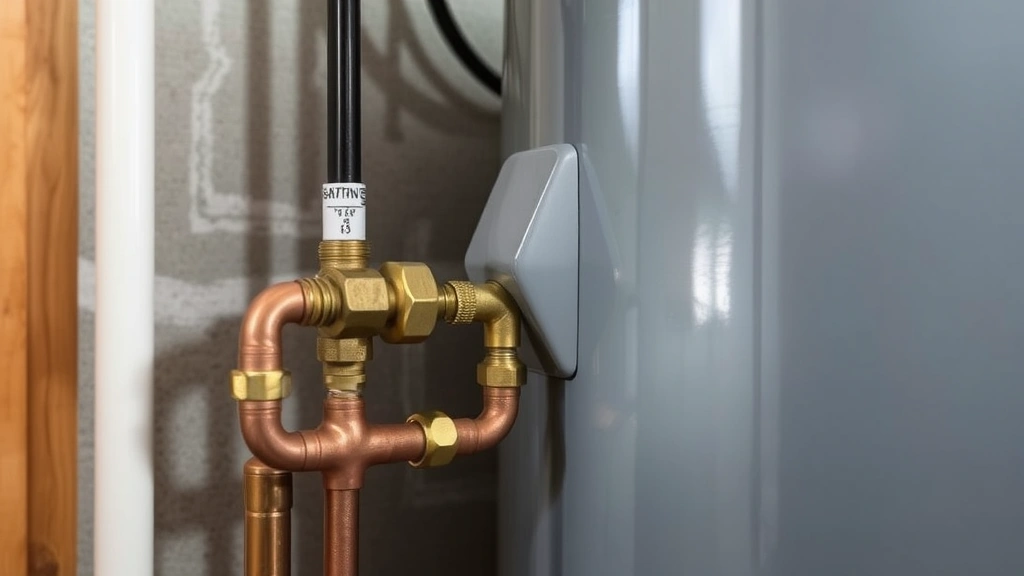
The water heater gas valve serves as the control mechanism that regulates natural gas or propane flow to your burner. This component is far more sophisticated than a simple on-off switch. Modern water heater gas valves include thermostat controls, safety features, and precise flow regulation that directly impact your system’s efficiency and safety. When functioning properly, the gas valve maintains your desired temperature with minimal energy waste.
Several types of water heater gas valves exist, including diaphragm valves, solenoid valves, and combination control valves. The combination control valve, found in most residential units, integrates temperature control, gas regulation, and safety shutoff mechanisms. This valve responds to temperature changes by modulating gas flow—when water temperature drops, the valve opens further to increase heating; when the set temperature is reached, it restricts gas flow to maintain that level.
A malfunctioning water heater gas valve creates several problems. If the valve fails to close properly, your heater continuously burns fuel even after reaching the target temperature, wasting energy. Conversely, if the valve doesn’t open sufficiently, your heater struggles to reach desired temperatures, running longer and less efficiently. Signs of gas valve problems include inconsistent water temperature, frequent pilot light outages, or unusual hissing sounds near the burner. Sustainable energy solutions begin with ensuring each component functions optimally.
Regular inspection of your water heater gas valve is essential. Look for corrosion, mineral deposits, or physical damage. Sediment buildup in the valve reduces its ability to regulate temperature precisely, forcing the burner to work harder and longer. Professional technicians can clean or replace faulty valves, restoring efficiency and extending your heater’s operational life.
Maintenance Strategies for Optimal Performance
Preventive maintenance is the most cost-effective way to maintain gas water heater efficiency. A comprehensive maintenance routine should occur at least annually, ideally before winter when heating demands peak. This maintenance directly supports your efforts to explore proven energy efficiency strategies across your entire home.
The first maintenance priority is flushing the tank. Over time, sediment accumulates at the bottom of your water heater tank, reducing heat transfer efficiency and corroding the tank interior. This sediment layer acts as insulation, forcing your burner to run longer to achieve desired temperatures. Flushing involves draining several gallons from the bottom valve until the water runs clear. This process removes accumulated minerals and debris, restoring efficiency by 5-10% in many cases.
Inspecting the anode rod is equally important. This sacrificial metal rod corrodes instead of the tank, protecting your heater from rust. When the anode rod deteriorates significantly, the tank becomes vulnerable to corrosion and leaks. Most anode rods last 3-5 years and should be replaced when they’re 50% consumed. This simple maintenance task prevents expensive tank replacement and maintains structural integrity.
Check your water heater’s venting system regularly. Blocked or damaged vents prevent proper exhaust of combustion gases, reducing efficiency and creating safety hazards. Ensure vents are clear of debris, properly sealed, and angled correctly for optimal gas flow. Any cracks or separations in vent pipes should be sealed immediately with approved materials.
The pilot light deserves attention too. A clean, blue pilot flame indicates proper combustion. A yellow or orange flame suggests incomplete combustion, reducing efficiency and increasing emissions. If you notice color changes, contact a professional technician to inspect the burner assembly and ensure proper air-fuel mixture.
Temperature Settings and Energy Savings
Your thermostat setting has profound impacts on both efficiency and safety. The Department of Energy recommends setting water heater thermostats to 120 degrees Fahrenheit (49 degrees Celsius). This temperature provides adequate hot water for most household needs while minimizing heat loss and energy consumption. Many homeowners set temperatures higher, believing hotter water is better—this misconception costs thousands in wasted energy annually.
At 120 degrees, you still have sufficient heat for dishwashing, laundry, and bathing. Higher temperatures don’t improve cleaning effectiveness significantly but do increase energy consumption and accelerate tank corrosion. Additionally, excessively hot water poses scalding risks, particularly for children and elderly household members. The 120-degree setting balances comfort, safety, and efficiency.
Consider installing a programmable or smart thermostat on your water heater. These devices allow you to lower temperatures during periods of lower demand, such as overnight or when you’re away from home. Even reducing temperature by 10 degrees during these periods saves considerable energy. Some modern systems integrate with home automation platforms, enabling remote temperature adjustments and consumption monitoring.
Seasonal adjustments optimize efficiency further. During summer months, you may reduce your thermostat setting slightly since ambient temperatures reduce the temperature differential your heater must overcome. Winter adjustments might involve maintaining slightly higher temperatures if you have extensive hot water demands. These seasonal tweaks represent simple yet effective efficiency improvements.
Insulation and Heat Loss Prevention
Even the most efficient water heater loses heat through tank walls and pipes. Standby heat loss—heat radiating from the tank when no water is being used—accounts for 10-20% of energy consumption in many systems. Strategic insulation dramatically reduces this waste.
Tank insulation blankets, typically made from fiberglass or foam, wrap around your water heater and significantly reduce heat loss. These blankets are inexpensive (usually $20-40) and easy to install, yet provide substantial savings—often 4-9% reduction in heating costs. Ensure your insulation blanket doesn’t cover the thermostat, gas valve controls, or burner access panel, as this creates safety hazards.
Pipe insulation is equally important. Hot water traveling through uninsulated pipes loses heat as it moves toward faucets. Insulating pipes with foam sleeves maintains water temperature, reducing the need to reheat water and allowing you to reach desired temperatures faster. This insulation also prevents pipes from freezing in cold climates, protecting your system from damage.
Consider the location of your water heater. Units installed in unheated spaces like basements, garages, or attics experience greater temperature differentials, increasing heat loss. If feasible, relocating your heater to a climate-controlled area reduces energy demands. If relocation isn’t possible, additional insulation around the tank compensates for environmental heat loss.
Upgrading to High-Efficiency Models
If your water heater is 10-15 years old, upgrading to a modern high-efficiency model may provide better long-term value than continued maintenance. Modern gas water heaters achieve 90%+ efficiency compared to 60-70% for older units. This efficiency improvement directly reduces energy consumption and your carbon footprint.
Tankless gas water heaters represent the ultimate efficiency upgrade. These systems heat water on-demand rather than maintaining a constantly heated tank, eliminating standby heat loss entirely. Tankless units achieve efficiency ratings of 95%+ and can reduce water heating energy consumption by 24-34% compared to conventional tanks. While initial costs are higher, long-term energy savings often justify the investment, particularly for households with high hot water demands.
Condensing water heaters represent another advanced option. These systems capture heat from exhaust gases that would normally escape through the vent, using this recovered heat to preheat incoming cold water. This innovative approach achieves efficiency levels of 90%+, significantly outperforming standard models. The ENERGY STAR program certifies high-efficiency water heaters, helping you identify the most efficient options available.
When selecting a replacement heater, consider your household’s hot water needs, available space, and fuel type. Natural gas, propane, electric, and solar options each offer different efficiency profiles. Natural gas remains cost-effective for most households, but exploring alternative energy sources aligns with broader sustainable energy solutions that reduce environmental impact.
Common Efficiency Problems and Solutions
Several common issues reduce water heater efficiency. Recognizing and addressing these problems prevents energy waste and extends equipment lifespan.
Mineral Buildup: Hard water deposits accumulate on heating elements and inside pipes, creating insulating layers that reduce heat transfer. This forces your burner to work longer to achieve desired temperatures. Installing a water softener or using descaling treatments removes mineral deposits and restores efficiency.
Sediment Accumulation: As mentioned earlier, sediment at the tank bottom reduces efficiency significantly. Annual flushing prevents this problem and maintains optimal heat transfer.
Faulty Thermostat: A malfunctioning thermostat fails to regulate temperature accurately, causing the burner to cycle excessively or insufficiently. Testing the thermostat with a thermometer identifies inaccuracies. Professional recalibration or replacement restores precise temperature control.
Leaking Water Heater Gas Valve: Small gas leaks waste fuel and reduce efficiency. You may notice a rotten egg smell (utilities add this odor to natural gas for safety detection) near your heater. Any suspected gas leak requires immediate professional attention for safety reasons.
Poor Combustion Air Supply: Your burner requires adequate oxygen for complete combustion. Blocked air intakes force incomplete combustion, reducing efficiency and increasing emissions. Ensure your heater’s location provides adequate ventilation and that air intake vents are clear.
Inadequate Insulation: If your tank feels hot to the touch, excessive heat is escaping. Adding or upgrading insulation immediately improves efficiency without requiring mechanical repairs.
Integration with Sustainable Energy Solutions
Optimizing your gas water heater efficiency is one component of comprehensive home energy management. For maximum environmental benefit, integrate water heating efficiency improvements with broader strategies to reduce your environmental footprint. This holistic approach creates synergistic benefits that extend beyond individual systems.
Coupling an efficient water heater with solar thermal collectors represents an excellent sustainability strategy. Solar water heating systems preheat incoming water using renewable energy, reducing the burden on your gas heater. In sunny climates, solar thermal systems can provide 50-80% of annual hot water heating, dramatically reducing natural gas consumption and associated emissions.
Consider pairing water heater improvements with other home efficiency upgrades. Improving insulation, upgrading HVAC systems, and installing LED lighting create cumulative energy savings. Many utility companies offer rebates for multiple efficiency improvements, making comprehensive upgrades more affordable.
Understanding the definition of sustainability helps frame these improvements in broader context. True sustainability requires balancing environmental responsibility with practical household needs. An efficient gas water heater provides comfortable hot water while minimizing environmental impact—a practical sustainability solution for most households.
For households considering longer-term transitions, hybrid heat pump water heaters offer another pathway. These systems combine electric heat pump technology with gas backup, achieving 2-3 times the efficiency of conventional electric heaters while maintaining gas reliability. As electricity grids incorporate more renewable energy sources, heat pump water heaters become increasingly sustainable.
Renewable energy integration deserves consideration as well. Pairing a high-efficiency water heater with rooftop solar panels creates a comprehensive clean energy solution. The solar system generates electricity to power heat pump water heaters or provides hot water directly through solar thermal collectors, virtually eliminating water heating emissions in optimal conditions.
FAQ
How often should I have my gas water heater serviced?
Annual professional inspection and maintenance is recommended for most gas water heaters. This service includes flushing the tank, inspecting the anode rod, checking the water heater gas valve function, and verifying proper combustion. More frequent service may be necessary in areas with hard water or if your heater experiences problems.
What is the average lifespan of a gas water heater?
Most gas water heaters last 8-12 years with proper maintenance. Some well-maintained units reach 15 years, while neglected systems may fail within 5-7 years. The water heater gas valve’s condition significantly impacts overall lifespan. Regular maintenance extends equipment life and maintains efficiency.
Can I improve efficiency without replacing my water heater?
Yes, significant efficiency improvements are possible through maintenance and optimization. Flushing the tank, replacing the anode rod, insulating pipes and tank, adjusting temperature settings, and repairing faulty components can improve efficiency by 10-20%. However, very old units may reach a point where replacement becomes more economical than continued maintenance.
What temperature should my water heater be set to?
The Department of Energy recommends 120 degrees Fahrenheit (49 degrees Celsius). This temperature provides adequate hot water for household needs while minimizing energy consumption and scalding risks. Higher temperatures waste energy without significant practical benefit.
How does a water heater gas valve affect efficiency?
The water heater gas valve controls fuel delivery to the burner and regulates temperature. A properly functioning valve precisely modulates gas flow to maintain your desired temperature with minimal waste. A faulty valve may continuously supply excess gas or fail to provide adequate heat, both reducing efficiency. Regular inspection and maintenance of the gas valve ensures optimal performance.
Are tankless water heaters worth the investment?
Tankless water heaters cost more initially but provide 24-34% energy savings for many households. They eliminate standby heat loss and provide hot water on-demand. For large families with high hot water consumption, the energy savings often justify the higher upfront cost within 7-10 years. For smaller households with lower consumption, traditional heaters may remain more economical.
What rebates are available for water heater upgrades?
Many utility companies and government agencies offer rebates for upgrading to high-efficiency water heaters. Visit your local utility company’s website or check the U.S. Department of Energy for available incentives in your area. ENERGY STAR certified models typically qualify for the largest rebates.
How can I detect a gas leak in my water heater?
Natural gas has an added odor (rotten eggs) for safety detection. If you smell this odor near your water heater, evacuate the area immediately and contact your gas utility company. Never attempt to locate leaks yourself. Additionally, a water heater gas valve that hisses excessively or shows visible corrosion may indicate problems requiring professional inspection.


