
Is Wawa Gas Eco-Friendly? An In-Depth Review of Environmental Impact
Wawa, the beloved convenience store chain with over 900 locations across the eastern United States, has become synonymous with quick fuel stops and coffee runs. However, as environmental consciousness grows among consumers, many are asking critical questions about the sustainability of their fuel choices. This comprehensive review examines whether Wawa gas truly represents an eco-friendly option or if consumers should consider alternatives to minimize their environmental impact.
The convenience of Wawa’s fuel stations comes with an environmental cost that deserves scrutiny. As fossil fuel consumption continues to contribute to greenhouse gas emissions and climate change, understanding the ecological footprint of major fuel retailers like Wawa becomes increasingly important. This guide explores Wawa’s environmental practices, fuel quality standards, and how their operations compare to industry benchmarks for sustainability.
Understanding Wawa’s Fuel Operations
Wawa operates as a privately-held convenience store and gas station chain primarily serving Pennsylvania, New Jersey, Delaware, Maryland, Virginia, and Florida. The company pumps millions of gallons of gasoline annually, making it a significant player in regional fuel distribution. Wawa’s fuel comes from major refineries and meets standard EPA regulations for gasoline composition, including required blends of ethanol and detergents.
The company’s fuel offerings include regular unleaded, mid-grade, and premium gasoline at competitive prices. While Wawa doesn’t explicitly market itself as an eco-conscious fuel provider, they do comply with all federal and state environmental regulations. Understanding what this means for consumers requires examining both regulatory standards and industry best practices for sustainability.
Wawa’s fuel infrastructure includes thousands of pumps across their store locations, each equipped with vapor recovery systems designed to prevent fuel vapors from escaping into the atmosphere during refueling. These systems represent baseline environmental compliance rather than exceptional green innovation, as they’re mandated by the Environmental Protection Agency for all fuel retailers.
Environmental Impact of Wawa Gas
The fundamental environmental concern with Wawa gas mirrors the broader issue affecting all conventional gasoline: it’s a fossil fuel that releases carbon dioxide and other greenhouse gases when burned. A gallon of gasoline produces approximately 20 pounds of CO2 when combusted, regardless of the retailer. This means choosing Wawa gas doesn’t inherently improve or worsen your carbon footprint compared to other traditional fuel sources.
However, the complete environmental picture includes extraction, refining, transportation, and storage. Wawa’s fuel supply chain, while meeting regulatory standards, still contributes to environmental degradation through oil extraction, refinery operations, and potential spill risks. The company maintains environmental compliance programs and conducts regular inspections of fuel storage tanks to prevent contamination of groundwater and soil.
Local air quality represents another consideration. Gas stations, including Wawa locations, emit volatile organic compounds (VOCs) and nitrogen oxides that contribute to smog formation and respiratory health issues. While Wawa implements vapor recovery technology, the cumulative effect of thousands of daily refueling transactions at each location still impacts local air quality measurably.
The extraction and refining processes for conventional gasoline require substantial water resources and generate significant industrial waste. Wawa’s fuel providers operate refineries that consume enormous quantities of water for cooling and processing, contributing to water stress in regions already facing drought conditions. Understanding these upstream impacts helps contextualize the true environmental cost of choosing any conventional gas station.
Wawa’s Sustainability Initiatives
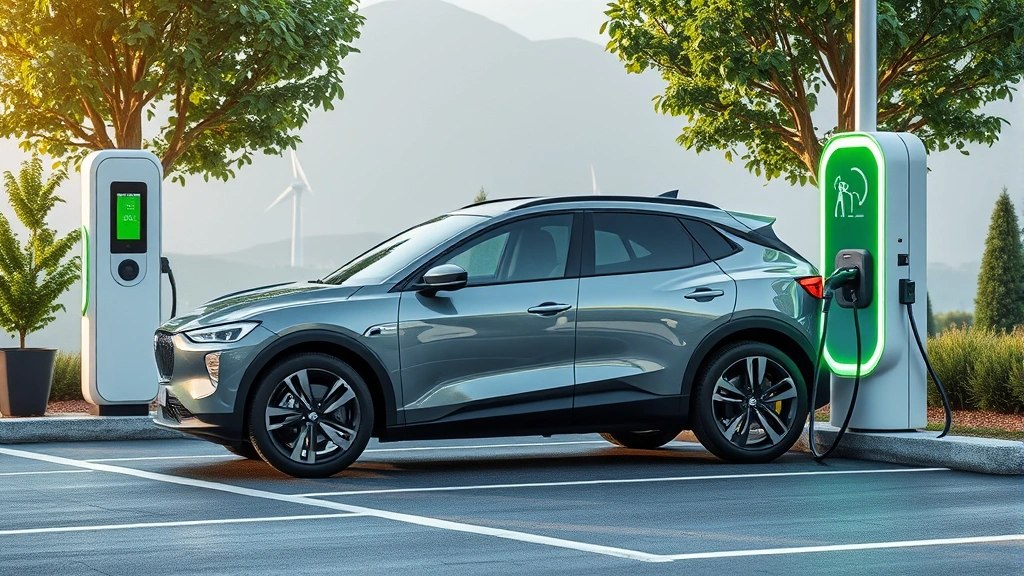
Wawa has implemented several environmental programs demonstrating a commitment to reducing operational impacts, though the company hasn’t positioned itself as a leader in sustainability innovation. The company has invested in energy-efficient lighting systems across stores, upgraded HVAC systems to reduce energy consumption, and implemented waste reduction programs in their facilities.
In recent years, Wawa has begun exploring sustainable energy solutions for their operations, though specific details about renewable energy adoption remain limited in public disclosures. The company has made commitments to reducing its overall carbon footprint, but concrete targets and timelines for these reductions haven’t been prominently published.
Wawa’s environmental responsibility extends to responsible waste management, recycling programs, and supplier engagement on sustainability practices. The company requires suppliers to meet environmental standards and has worked to reduce packaging waste in their food and beverage offerings. These initiatives represent incremental improvements rather than transformative changes in the fuel retail industry.
The company’s corporate social responsibility reports acknowledge environmental concerns and outline ongoing efforts to minimize negative impacts. However, compared to some competitors and industry leaders, Wawa’s public sustainability commitments remain relatively modest. Transparency about specific environmental metrics, carbon reduction targets, and progress toward sustainability goals would demonstrate stronger commitment to eco-conscious operations.
Comparing Wawa to Competitors
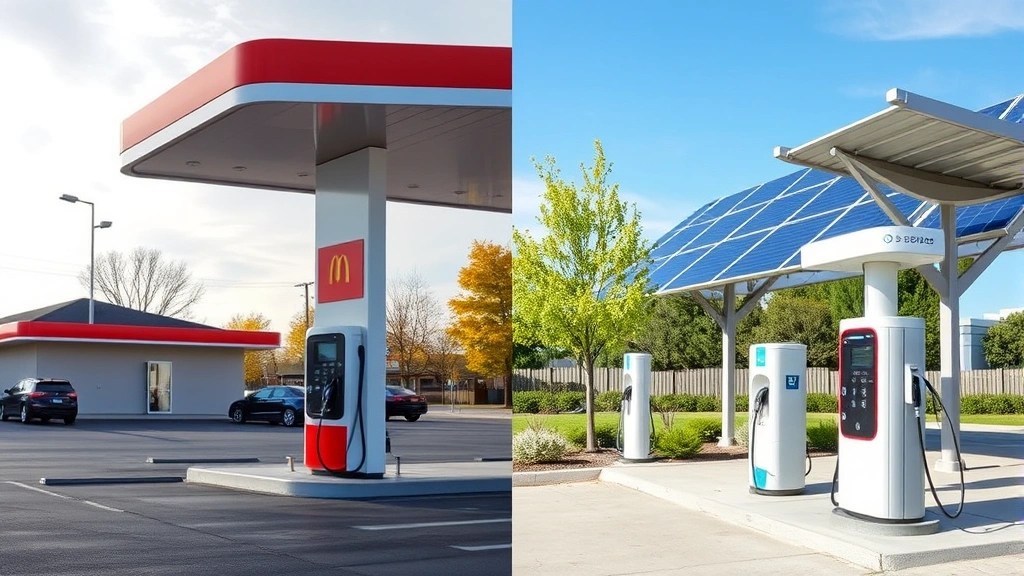
Major fuel retailers like Shell, Chevron, and BP have launched significant renewable energy initiatives, including investments in wind and solar power, electric vehicle charging infrastructure, and advanced biofuels research. These companies publish detailed sustainability reports outlining their environmental commitments and progress metrics, providing consumers with transparent information about their ecological impact.
Shell has developed extensive EV charging networks and invested billions in renewable energy projects. BP has committed to becoming a net-zero company by 2050 and has published detailed decarbonization strategies. Chevron has implemented carbon capture and storage technologies at some facilities. While these efforts don’t eliminate the fossil fuel industry’s fundamental environmental concerns, they demonstrate varying levels of commitment to sustainability innovation.
Wawa’s approach to sustainability appears more conservative compared to these major oil companies. The convenience store chain hasn’t announced major investments in renewable energy infrastructure, electric vehicle charging stations, or alternative fuel distribution. This positioning may reflect Wawa’s regional focus and different business model compared to global petroleum corporations.
Regional competitors like Sheetz and RaceTrac similarly focus on convenience retail without prominent sustainability differentiation. The fuel retail industry generally hasn’t prioritized environmental innovation, suggesting that choosing between conventional gas stations based on ecological impact yields minimal differences. For consumers seeking genuinely eco-friendly fuel options, looking beyond traditional gas retailers becomes necessary.
Alternative Fuel Options and Eco-Conscious Choices
For environmentally conscious consumers, exploring advantages of electric vehicles represents the most impactful alternative to conventional gasoline. Electric vehicles produce zero direct emissions and can be powered by renewable energy sources, dramatically reducing lifetime carbon footprints compared to gasoline-powered cars.
Hybrid vehicles offer a transitional option, combining electric and gasoline power to reduce fuel consumption and emissions. Many hybrid owners report 40-50% better fuel economy than conventional vehicles, meaningfully decreasing their environmental impact and fuel costs. As natural gas renewable energy infrastructure develops, compressed natural gas (CNG) vehicles represent another lower-emission option, though natural gas remains a fossil fuel with climate impacts.
For those unable to transition away from gasoline immediately, biofuels and higher-ethanol blends like E85 (85% ethanol, 15% gasoline) offer modest environmental improvements. These fuels reduce petroleum dependence and lower lifecycle carbon emissions, though they require compatible vehicles and face their own sustainability considerations related to agricultural feedstock production.
Practical strategies for reducing fuel consumption include carpooling, using public transportation, optimizing driving habits, and maintaining proper vehicle maintenance. These behavioral changes often provide more significant environmental benefits than switching fuel retailers. Combining these strategies with gradual transition toward electric or hybrid vehicles creates meaningful progress toward sustainability goals.
Understanding the complete picture of fuel choices helps consumers make informed decisions aligned with their environmental values. While Wawa gas itself isn’t inherently worse than competitors’ offerings, the fundamental issue remains that conventional gasoline represents an inherently high-carbon fuel source regardless of retailer.
Making Eco-Conscious Fuel and Transportation Decisions
Consumers genuinely concerned about environmental impact should prioritize vehicle choice over fuel retailer selection. Transitioning to an electric vehicle eliminates the problem of fossil fuel consumption entirely. If vehicle replacement isn’t immediately feasible, maximizing fuel efficiency through driving behavior and maintenance optimization provides meaningful emissions reductions.
When selecting a fuel retailer, consumers can consider companies’ published sustainability commitments and environmental track records. Researching whether retailers invest in renewable energy, support EV infrastructure, and transparently report environmental metrics helps align purchasing decisions with values. Rewarding companies demonstrating genuine sustainability commitment encourages industry-wide environmental improvement.
Exploring how to reduce your environmental footprint comprehensively reveals that transportation represents a significant portion of most individuals’ carbon emissions. Addressing this through vehicle electrification, reduced driving frequency, and supporting transit infrastructure development provides greater environmental benefit than optimizing conventional fuel choices.
Staying informed about green technology innovations transforming our future helps consumers understand emerging sustainable options. As battery technology improves, EV costs decrease, and charging infrastructure expands, transitioning to electric vehicles becomes increasingly accessible and practical for mainstream consumers.
The transition to sustainable transportation requires systemic changes involving vehicle manufacturers, energy providers, government policy, and individual consumer choices. While individual decisions matter, broader advocacy for clean energy infrastructure, emissions regulations, and renewable energy investment creates conditions enabling large-scale environmental improvement.
Reviewing natural gas news and emerging fuel technology developments keeps consumers informed about evolving options. As the energy landscape transforms, new alternatives may emerge offering better environmental profiles than currently available options. Remaining engaged with sustainability discussions ensures informed decision-making as circumstances change.
FAQ
Is Wawa gas better for the environment than other brands?
Wawa gas provides no significant environmental advantages over other conventional gasoline retailers. All gasoline produces similar emissions when burned, and Wawa’s fuel meets the same EPA standards as competitors. Environmental differences between retailers are minimal compared to the fundamental impact of fossil fuel consumption.
Does Wawa offer electric vehicle charging?
Wawa has not established a significant EV charging network comparable to competitors like Shell or BP. While some locations may have pilot programs or limited charging infrastructure, EV charging is not a primary offering across Wawa locations. Consumers seeking charging infrastructure should research location-specific availability.
What percentage of ethanol is in Wawa gas?
Standard gasoline at Wawa contains 10% ethanol (E10), which is the EPA-mandated blend throughout most of the United States. This ethanol content provides modest environmental benefits compared to pure petroleum, though the overall climate impact remains significant.
How can I reduce my carbon footprint at gas stations?
Beyond selecting fuel retailers, optimize fuel consumption through proper tire pressure, regular maintenance, and efficient driving habits. Combine these practices with transitioning to hybrid or electric vehicles for maximum environmental impact. Carpooling and reducing driving frequency provide additional emissions reductions.
Are there eco-friendly alternatives to conventional gasoline?
Electric vehicles represent the most environmentally friendly option, producing zero direct emissions. Hybrid vehicles, biofuels, and higher-ethanol blends offer moderate improvements. Public transportation, carpooling, and cycling provide additional sustainable alternatives to personal vehicle fuel consumption.
What is Wawa’s environmental commitment?
Wawa has implemented operational efficiency improvements and waste reduction programs but hasn’t positioned itself as an environmental leader. The company complies with regulatory requirements and has made modest sustainability commitments, though specific carbon reduction targets and timelines remain limited in public disclosures.


