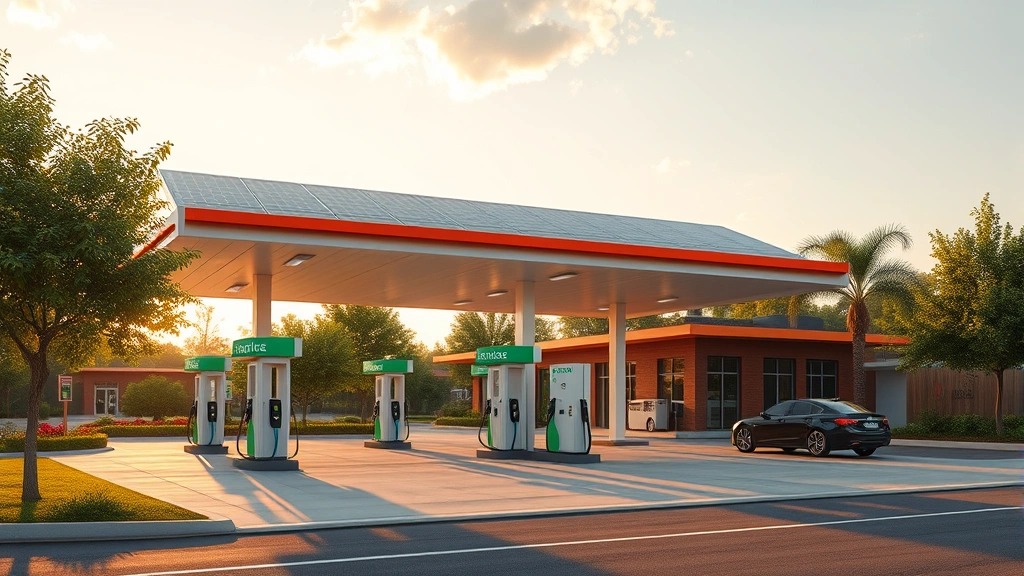
Is Wawa Gas Eco-Friendly? Industry Insights and Sustainability Analysis
Wawa, the beloved convenience store chain operating across the Mid-Atlantic and Florida regions, has become synonymous with affordable fuel and quick service. With thousands of locations and millions of customers filling up at Wawa gas pumps daily, questions about environmental impact are increasingly relevant. This comprehensive analysis examines whether Wawa gas aligns with modern sustainability standards and explores what eco-conscious consumers should know about their fuel choices.
The convenience store industry plays a significant role in America’s fuel distribution network, yet many drivers remain unaware of the environmental implications of their purchasing decisions. Understanding what sustainability truly means helps us evaluate corporate fuel providers more critically. As climate concerns mount and consumers demand greater transparency, examining Wawa’s environmental practices becomes essential for informed decision-making.

Wawa’s Environmental Commitments and Transparency
Wawa has been operating since 1902, evolving from a small dairy company into a major convenience store and fuel retailer. However, when examining their public sustainability commitments, the company’s transparency regarding environmental initiatives remains limited compared to larger corporate competitors. Unlike many Fortune 500 companies that publish comprehensive sustainability reports, Wawa has not released detailed environmental impact assessments or carbon neutrality goals.
The company’s website mentions general commitments to responsible operations, yet specific metrics about fuel sourcing, carbon emissions reduction, or environmental investments are notably absent. This lack of transparency makes it challenging for environmentally conscious consumers to assess whether Wawa’s practices align with sustainability principles. The absence of third-party certifications or participation in major environmental initiatives further limits confidence in their eco-friendly claims.
Wawa does operate a rewards program and has modernized store facilities, including energy-efficient lighting in some locations. However, these operational improvements do not directly address the environmental impact of their primary product: fossil fuel distribution. The company’s silence on renewable energy investments or alternative fuel infrastructure development suggests sustainability may not be a core strategic priority.
Fuel Quality and Emissions Standards
From a technical standpoint, Wawa gas meets all federal and state regulatory requirements for fuel quality and emissions standards. The fuel sold at Wawa pumps contains standard detergents mandated by the Environmental Protection Agency (EPA) to reduce engine deposits and emissions. This means that from a vehicle emissions perspective, Wawa gasoline performs identically to fuel from any other major retailer.
However, meeting minimum regulatory standards is fundamentally different from exceeding them or actively reducing environmental harm. Many premium fuel brands offer enhanced detergent packages that can improve fuel economy by 1-3%, indirectly reducing overall consumption and emissions. Wawa’s standard-tier fuel does not provide these additional environmental benefits, positioning it as an environmentally neutral rather than positive choice.
The sourcing of Wawa’s fuel raises additional concerns. While the company doesn’t publicly disclose detailed supply chain information, most convenience store chains source gasoline from regional refineries, some of which have faced environmental violations. The refining process itself is energy-intensive and produces significant carbon emissions. Without commitment to cleaner refining practices or renewable fuel blending, Wawa’s fuel contributes equally to climate change as competitors’ offerings.
Wawa does participate in fuel oxygenation programs in certain regions, which reduce harmful emissions like carbon monoxide. This compliance-driven approach, however, represents the minimum environmental responsibility rather than leadership in sustainable energy distribution.
Corporate Sustainability Initiatives
Examining Wawa’s broader corporate sustainability efforts reveals a company in transition but not yet a leader in environmental responsibility. The company has invested in store modernization, including LED lighting upgrades and HVAC improvements that reduce energy consumption. These measures decrease operational carbon footprints, though they represent incremental rather than transformative changes.
Wawa’s supply chain practices remain opaque regarding sustainability. The company sources food products from various suppliers but has not published detailed environmental or labor standards for these partnerships. Unlike companies implementing comprehensive sustainable energy solutions, Wawa has not announced plans for renewable energy procurement or on-site solar installations at their facilities.
The company’s waste management practices show some improvement, with recycling programs in select locations. However, the convenience store model inherently generates substantial single-use packaging waste. Wawa has not implemented significant reusable container initiatives or packaging reduction strategies that would meaningfully address this environmental challenge.
Employee sustainability training and community environmental programs are largely absent from Wawa’s public communications. The company does not appear to engage in carbon offset purchasing or support environmental nonprofits through corporate giving. This absence of community environmental leadership contrasts sharply with competitors who have embraced stakeholder capitalism approaches.
Comparing Wawa to Competitors
When evaluating Wawa’s environmental performance relative to competitors, a nuanced picture emerges. Larger chains like Shell, BP, and Chevron have published sustainability reports and committed to reducing carbon intensity, though critics argue these commitments remain insufficient for climate goals. Shell, for instance, has invested in renewable energy projects and committed to carbon-neutral growth, though many environmentalists view these pledges as greenwashing without adequate execution timelines.
Regional competitors like Sheetz and GetGo have similarly limited public sustainability disclosures compared to major oil companies. However, some gas station operators have begun installing EV charging infrastructure, positioning themselves for the energy transition. Wawa has made minimal announcements regarding electric vehicle charging stations, missing an opportunity to align with consumer preferences for advantages of electric vehicles.
Speedway, before its acquisition by Murphy USA, operated thousands of locations with comparable environmental practices to Wawa. The convenience store sector generally lags behind major retailers in sustainability reporting and environmental innovation. This industry-wide pattern suggests that Wawa’s limited commitments reflect broader structural challenges rather than unique shortcomings, though this does not excuse environmental inaction.
Comparing green technology innovations transforming the fuel industry reveals that forward-thinking competitors are investing in alternative fuel infrastructure. Some independent gas stations have partnered with renewable energy providers or installed biodiesel pumps. Wawa’s lack of similar initiatives places it at the environmental sustainability spectrum’s lower end among fuel retailers.
Consumer Alternatives and Better Options
For environmentally conscious consumers concerned about their fuel purchases, several alternatives deserve consideration. The most impactful choice involves transitioning to electric vehicles, which eliminates direct fossil fuel consumption. The long-term environmental benefits of EVs far outweigh any marginal differences between gasoline retailers, as research on electric vehicle advantages consistently demonstrates.
For drivers unable to transition to EVs immediately, selecting fuel retailers with stronger environmental commitments matters. Companies like Costco have invested in renewable energy and published sustainability goals. Some independent gas stations prioritize biodiesel blending or partner with environmental organizations. Researching local fuel retailers’ sustainability practices can guide more environmentally responsible purchasing decisions.
Implementing strategies to reduce your environmental footprint extends beyond fuel selection. Optimizing driving habits, maintaining vehicle efficiency, consolidating trips, and using public transportation collectively have greater environmental impact than choosing between conventional fuel retailers. Consumers should view fuel retailer selection as one component of a comprehensive sustainability strategy rather than a primary environmental lever.
Alternative fuel options like E85 (85% ethanol blend) and biodiesel reduce petroleum dependence, though environmental benefits remain debated among scientists. Wawa does not currently offer these alternatives at most locations, further limiting eco-conscious consumer options. Seeking retailers providing fuel diversity serves both environmental and energy security interests.
Hybrid vehicles represent a practical middle ground for consumers unable to purchase full EVs. By reducing fuel consumption 30-50% compared to conventional vehicles, hybrids significantly decrease environmental impact regardless of fuel retailer choice. Prioritizing vehicle efficiency improvements yields greater environmental benefits than marginal fuel retailer differences.
Future Outlook for Wawa Sustainability
Wawa’s future environmental trajectory remains uncertain but carries significant potential for improvement. As consumer demand for sustainability intensifies and regulatory pressure increases, the company faces mounting incentives to strengthen environmental commitments. Several developments could reshape Wawa’s sustainability profile in coming years.
Electric vehicle charging infrastructure represents the most promising near-term opportunity for Wawa’s environmental evolution. Installing EV chargers at Wawa locations would serve customers’ emerging energy needs while positioning the company as forward-thinking. Early mover advantages in EV infrastructure could provide competitive benefits as vehicle electrification accelerates. The company’s extensive real estate portfolio and customer traffic make Wawa ideally positioned for this transition.
Renewable energy procurement offers another significant opportunity. Wawa could commit to powering its operations with wind or solar energy, reducing operational carbon emissions. Such commitments would align with investor expectations and attract environmentally conscious consumers. Many companies have demonstrated that renewable energy procurement is economically viable while delivering sustainability benefits.
Transparency improvements would cost little yet yield substantial credibility gains. Publishing annual sustainability reports, setting science-based emissions reduction targets, and disclosing supply chain environmental standards would demonstrate genuine commitment to environmental responsibility. Third-party certifications from organizations like B Corp or participation in industry sustainability initiatives would further strengthen credibility.
Wawa’s private ownership structure, unlike publicly traded competitors, provides flexibility in long-term strategic planning. The company could prioritize sustainability without immediate shareholder pressure for quarterly earnings growth. This structural advantage should facilitate environmental leadership rather than excuse continued inaction.
Industry trends suggest that fossil fuel retailers face inevitable long-term challenges as energy transitions accelerate. Companies that proactively invest in alternative fuel infrastructure and renewable energy will better navigate this transition. Wawa’s current trajectory leaves the company vulnerable to disruption if environmental commitments remain minimal while competitors advance sustainability initiatives.
FAQ
Is Wawa gas cheaper than competitors due to lower environmental standards?
Wawa’s competitive pricing reflects operational efficiency and supply chain management rather than environmental corner-cutting. All major fuel retailers must meet identical EPA emissions and quality standards. Price differences stem from factors like location, distribution networks, and marketing strategies rather than environmental compliance levels. However, Wawa’s lack of premium fuel options means consumers cannot purchase higher-quality, lower-emission gasoline even if willing to pay more.
Does Wawa use renewable fuel blending?
Wawa does not publicly promote renewable fuel blending at most locations. Federal regulations require 10% ethanol blending (E10) nationwide, which Wawa meets. However, the company does not offer higher ethanol blends (E15, E85) or biodiesel options at most stations. This lack of alternative fuel availability limits environmentally conscious consumers’ options when fueling at Wawa.
How does Wawa’s environmental impact compare to major oil companies?
Major oil companies like Shell and BP have published sustainability reports and committed to emissions reduction, though critics debate the adequacy of these pledges. Wawa’s limited transparency and minimal public commitments suggest weaker environmental focus than large integrated energy companies. However, Wawa’s smaller scale also means lower absolute environmental impact compared to global oil majors’ operations.
Can I trust Wawa’s sustainability claims?
Wawa’s public sustainability communications remain minimal and largely unverified. Without third-party certifications, detailed metrics, or independent auditing, claims about environmental responsibility should be viewed skeptically. The company’s silence on major environmental issues suggests sustainability may not be a strategic priority. Consumers seeking verified environmental commitments should research companies with published sustainability reports and third-party certifications.
What is the environmental cost of buying gas at Wawa?
The environmental impact of purchasing gasoline at any conventional retailer, including Wawa, involves multiple factors: crude oil extraction, refining processes, transportation, combustion emissions, and end-of-life disposal. Wawa’s fuel carries identical combustion emissions to competitors’ gasoline. The broader environmental cost reflects the fundamental problem of fossil fuel consumption rather than Wawa-specific practices. Reducing overall fuel consumption through vehicle efficiency or electrification provides greater environmental benefits than retailer selection.
Will Wawa install EV charging stations?
Wawa has not announced plans for widespread EV charging infrastructure as of current information. However, as vehicle electrification accelerates and consumer demand increases, the company may eventually invest in charging stations. Early signs suggest Wawa is monitoring this trend but has not yet committed to significant EV charging deployment. Consumer feedback and competitive pressure may eventually drive this decision.
Are Wawa’s store operations environmentally friendly?
Wawa has implemented some operational improvements including LED lighting and HVAC upgrades that reduce energy consumption. However, these incremental efficiency gains do not address the company’s primary environmental impact: fossil fuel distribution. Comprehensive sustainability would require commitments to renewable energy procurement, waste reduction, and supply chain environmental standards—areas where Wawa’s efforts remain limited.


