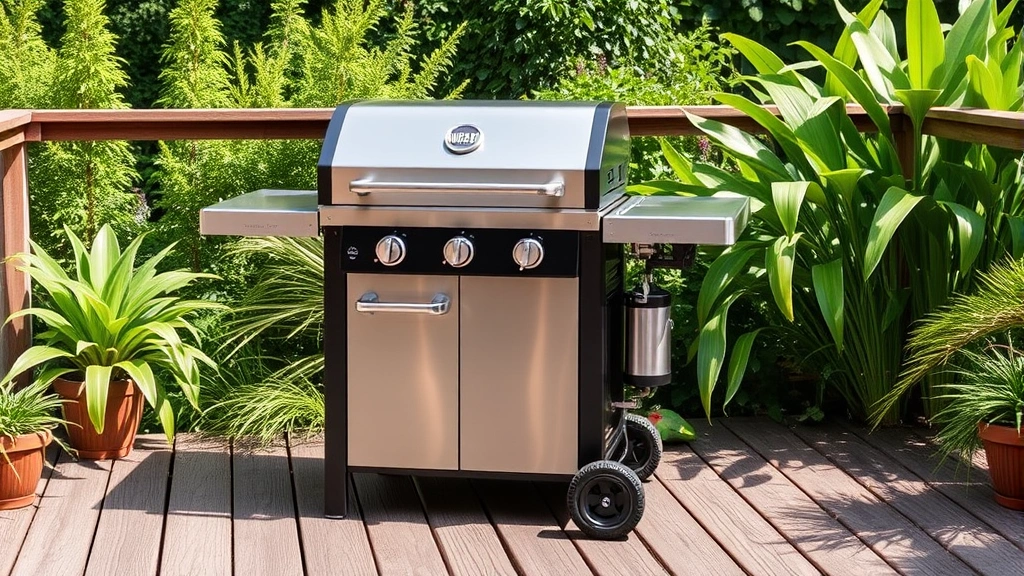
Eco-Friendly Grilling? Weber’s Sustainable Choice for Outdoor Cooking
When it comes to outdoor entertaining, grilling is a beloved tradition in many households. However, the environmental impact of traditional grilling methods often goes unexamined. A Weber portable gas grill represents a significant step toward more sustainable outdoor cooking, combining efficiency, durability, and reduced emissions compared to charcoal alternatives. As consumers increasingly seek ways to minimize their carbon footprint, understanding how modern grilling technology contributes to environmental goals becomes essential.
The shift toward eco-conscious grilling isn’t just about individual responsibility—it reflects broader trends in green technology innovations transforming our future. Modern gas grills, particularly Weber’s engineered designs, offer measurable environmental benefits through improved fuel efficiency, reduced waste, and lower greenhouse gas emissions. This article explores how choosing the right grilling equipment aligns with sustainable living practices and helps you make informed decisions about your outdoor cooking setup.
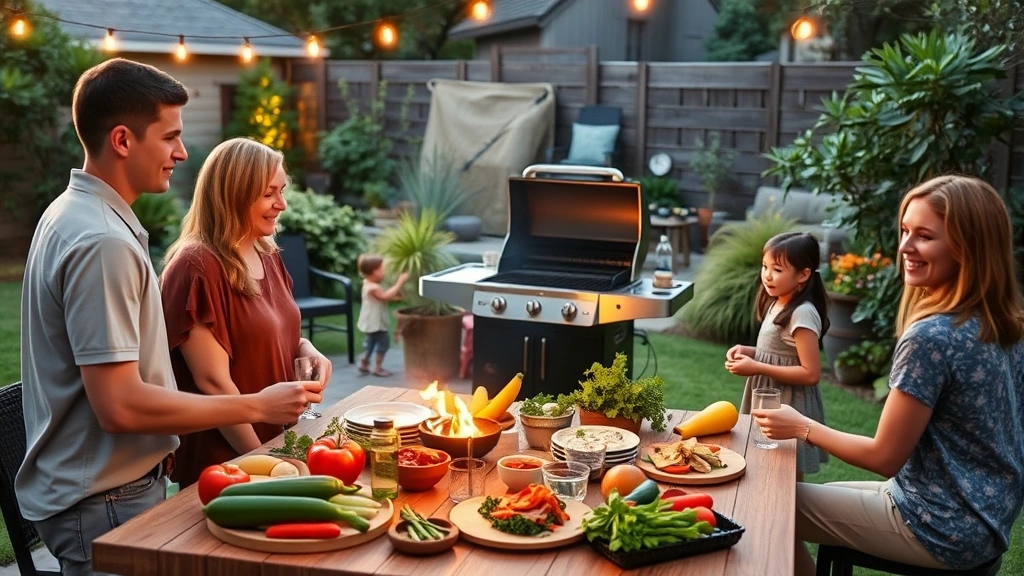
Why Portable Gas Grills Matter for Sustainability
Portable gas grills occupy a unique position in the sustainability conversation. Unlike stationary backyard installations, portable models encourage versatile use while maintaining efficiency standards. The environmental case for gas grilling centers on three critical factors: energy conversion efficiency, emission profiles, and resource consumption patterns.
Energy conversion efficiency in gas grills typically ranges from 10-15% for direct heat transfer to food, which may seem low until compared to charcoal methods. Charcoal grills waste significant fuel through extended burn times and incomplete combustion, often requiring 30-45 minutes of preheating. A Weber portable gas grill reaches optimal cooking temperature in just 10-15 minutes, reducing fuel waste substantially. This efficiency translates directly to lower natural gas consumption and decreased greenhouse gas emissions per meal prepared.
The portability aspect adds another sustainability dimension. Compact designs mean less material consumption during manufacturing, reduced shipping emissions, and flexibility for apartment dwellers and renters who might otherwise purchase disposable grilling equipment. Portable models encourage long-term ownership and investment in quality equipment, contradicting throwaway consumer culture patterns that plague outdoor cooking.
When integrated into broader strategies to reduce your environmental footprint, choosing an efficient portable gas grill demonstrates commitment to measurable lifestyle changes. Every cooking session represents an opportunity to practice sustainable choices that compound over time.
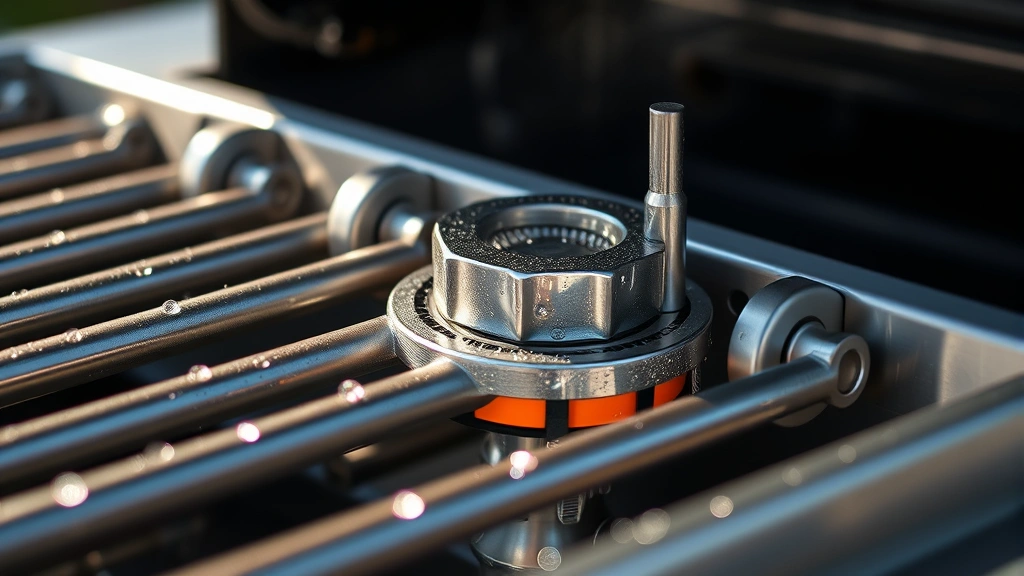
Weber’s Engineering: Efficiency Meets Durability
Weber has built its reputation on engineering excellence, and this commitment directly supports sustainability goals. The company’s portable gas grills feature several design innovations that enhance environmental performance:
- Precision heat distribution systems ensure even cooking with minimal fuel waste, using advanced burner designs that maximize gas combustion efficiency
- High-quality stainless steel construction resists corrosion and degradation, extending product lifespan significantly beyond budget alternatives
- Modular component design allows individual parts replacement rather than complete unit disposal, supporting circular economy principles
- Sealed cooking chambers minimize heat loss, requiring less fuel to maintain optimal temperatures throughout cooking sessions
- Integrated grease management systems reduce environmental contamination and simplify cleanup, promoting responsible waste handling
The durability factor cannot be overstated in sustainability discussions. A Weber grill purchased today may serve a household for 15-20 years with proper maintenance, compared to budget models lasting 3-5 years. This longevity dramatically reduces per-use environmental impact, amortizing manufacturing emissions across hundreds of cooking sessions rather than dozens.
Weber’s commitment to sustainable materials sourcing and manufacturing processes further strengthens the environmental case. The company increasingly sources recycled materials where practical, reducing virgin resource extraction. Their manufacturing facilities implement energy-efficient production methods aligned with sustainable energy solutions frameworks, demonstrating corporate responsibility beyond product design.
Comparing Environmental Impact: Gas vs. Charcoal
Understanding the environmental comparison between gas and charcoal grilling clarifies why portable gas models represent the sustainable choice for most consumers. The analysis encompasses multiple environmental dimensions:
Carbon Emissions Profile: Natural gas produces approximately 50% fewer carbon emissions per BTU than charcoal. A typical charcoal grilling session emits roughly 15 kg of CO2 equivalent, while equivalent gas grilling produces approximately 7.5 kg. Over a grilling season with weekly sessions, this difference accumulates to nearly 400 kg of CO2 avoided—equivalent to driving a gasoline vehicle 1,000 miles.
Resource Extraction Impact: Charcoal production requires harvesting and processing hardwood, contributing to deforestation pressures in many regions. While sustainably sourced charcoal exists, it commands premium prices and remains unavailable in most markets. Natural gas, derived from established infrastructure, avoids additional extraction pressures while utilizing existing resource development systems.
Air Quality Considerations: Charcoal combustion releases particulate matter and volatile organic compounds that degrade local air quality. Research from the EPA’s Air Quality Division demonstrates that gas combustion produces cleaner emissions with lower particulate concentrations, benefiting both personal health and ambient air quality in residential areas.
Waste Generation: Charcoal grilling generates ash waste requiring disposal or composting considerations. Gas grilling eliminates this waste stream entirely, simplifying post-cooking cleanup and reducing landfill contributions. The grease management systems in Weber portable models further minimize environmental contamination.
Fuel Storage and Safety: Charcoal storage requires dedicated space and presents fire hazards in residential settings. Propane canisters used in portable gas grills offer compact storage with integrated safety mechanisms, reducing accident risks and property damage potential.
Reducing Your Grilling Carbon Footprint
Selecting a Weber portable gas grill represents just the first step in sustainable grilling practices. Conscious usage patterns amplify environmental benefits significantly:
- Optimize preheating duration: Modern gas grills reach optimal temperatures quickly; avoid extended preheating that wastes fuel unnecessarily
- Plan batch cooking: Prepare multiple meals during single grilling sessions rather than firing up the grill repeatedly for individual meals
- Use appropriate heat settings: Match burner intensity to cooking requirements; high heat isn’t necessary for all foods and wastes energy
- Keep grill components clean: Accumulated grease and debris reduce heat transfer efficiency; regular cleaning maintains optimal performance
- Source local, seasonal foods: Reduce transportation emissions by grilling locally-grown produce and sustainably-raised proteins
- Implement lid usage discipline: Keeping the grill covered during cooking concentrates heat, reducing fuel consumption significantly
- Maintain propane systems: Leaking connections waste fuel; regular inspection ensures system integrity and efficiency
These practices transform grilling from a casual activity into a deliberate sustainability practice. When combined with efficient natural gas systems throughout your home, portable gas grilling contributes meaningfully to household carbon reduction goals.
Maintenance Tips for Long-Term Sustainability
Extending your Weber portable gas grill’s lifespan requires commitment to preventive maintenance and responsible care practices:
Seasonal Preparation: Before winter storage, thoroughly clean all components, drain propane tanks completely, and cover the grill with protective materials. This prevents rust development and component degradation that necessitates premature replacement.
Regular Cleaning Protocol: After each use, while surfaces remain warm, brush cooking grates with appropriate tools to remove food residue. This prevents carbon buildup that affects heat distribution and creates hygiene concerns. Monthly deep cleaning of internal components maintains optimal gas flow and combustion efficiency.
Component Inspection Schedule: Quarterly inspections of hoses, connections, and burner elements identify potential issues before they compromise safety or efficiency. Replace damaged components promptly using OEM parts designed for your specific model, ensuring compatibility and performance standards.
Propane System Maintenance: Check propane lines for leaks using soapy water solutions; bubbling indicates escaping gas requiring immediate attention. Verify connection tightness regularly and replace worn fittings before they fail. Proper propane management prevents fuel waste and safety hazards.
Rust Prevention Strategies: Apply protective coatings to exposed metal surfaces, particularly in coastal or humid environments. Weber’s stainless steel construction resists corrosion effectively, but additional protective measures extend lifespan further, maximizing sustainability benefits from your investment.
Storage Considerations: When not in use seasonally, store your portable grill in dry, protected locations. Proper storage prevents weather-related damage and maintains component functionality, ensuring reliable performance when grilling season returns.
Integration with Sustainable Energy Solutions
A Weber portable gas grill fits naturally within comprehensive household sustainable energy solutions strategies. When your grilling equipment operates on natural gas, you’re potentially integrating with home heating and water heating systems, creating efficiency synergies:
Many households use natural gas for multiple applications—heating, water heating, and cooking. Optimizing consumption across all applications multiplies sustainability benefits. A portable gas grill encourages outdoor entertaining that reduces indoor air conditioning loads during warm months, creating indirect energy savings.
For those considering broader energy transitions, understanding gas appliance efficiency informs future decisions about advantages of electric vehicles and home electrification pathways. Efficient gas grills represent transitional technology—better than charcoal immediately, but potentially replaceable by efficient electric or induction grilling as technology advances.
Smart propane management practices align with broader conservation principles. Monitoring fuel consumption, identifying efficiency improvements, and minimizing waste extend naturally from grilling practices to household energy management generally. This holistic approach to sustainability creates compound benefits exceeding any single practice’s impact.
The relationship between portable grilling equipment and overall household sustainability demonstrates how equipment choices cascade through lifestyle decisions. Selecting efficient tools encourages deeper engagement with environmental responsibility, creating positive reinforcement cycles that strengthen long-term commitment to sustainable living.
FAQ
Are Weber portable gas grills really more sustainable than charcoal alternatives?
Yes, significantly. Gas grills produce approximately 50% fewer carbon emissions per BTU, require less preheating time (reducing fuel waste), and eliminate ash waste generation. For most households, the environmental benefits of gas grilling substantially outweigh charcoal alternatives when considering full lifecycle impacts.
How long does a typical Weber portable gas grill last with proper maintenance?
Quality Weber models often function reliably for 15-20 years with consistent maintenance. This extended lifespan dramatically reduces per-use environmental impact compared to budget models lasting 3-5 years, making the higher initial investment environmentally justified.
Can I use renewable propane in my Weber portable gas grill?
Yes, renewable propane (created from organic waste materials) works identically to conventional propane in standard grills. As renewable propane infrastructure expands, this represents an exciting pathway toward even greater sustainability in portable gas grilling.
What propane tank size works best for portable grilling?
Standard 20-pound propane cylinders balance portability with cooking duration, typically lasting 10-15 grilling sessions depending on usage intensity. Larger tanks reduce refilling frequency, creating minor efficiency advantages, but compromise portability benefits that distinguish portable models.
How does a portable gas grill compare environmentally to indoor cooking methods?
Outdoor grilling generally reduces indoor air conditioning loads during warm months, creating net energy savings despite fuel consumption. Additionally, grilling encourages social gatherings and outdoor entertainment that reduce entertainment-related transportation emissions, creating broader lifestyle sustainability benefits.
What’s the best way to dispose of an old Weber grill responsibly?
Many metal recycling facilities accept propane grills after proper decommissioning (removing fuel, draining residual propane). Contact local recycling centers for specific requirements. Weber also offers trade-in programs for older models, ensuring responsible material recovery and recycling.


