Natural Gas Odor: Safety Insights Explained
Natural gas is one of the most widely used energy sources in homes and businesses across North America, yet many people don’t fully understand one of its most critical safety features: its distinctive odor. Unlike crude oil or other fossil fuels, natural gas is naturally odorless, colorless, and tasteless—properties that once made it dangerously difficult to detect leaks. To address this critical safety concern, the gas industry began adding an odorant called mercaptan in the early 20th century, fundamentally changing how we can identify potential hazards in our homes and workplaces.
Understanding what does natural gas smell like is essential for every household member, as early detection of gas leaks can prevent explosions, carbon monoxide poisoning, and other life-threatening emergencies. This comprehensive guide explores the science behind natural gas odor, how to identify it, what to do if you detect it, and how this safety measure connects to broader conversations about sustainable energy solutions and reducing your carbon footprint.
What Does Natural Gas Smell Like?
The distinctive odor associated with natural gas is often described as a strong, unpleasant smell resembling rotten eggs, sulfur, or a skunk’s spray. This pungent aroma is immediately noticeable and intentionally designed to be unmistakable, even at very low concentrations. The odorant mercaptan, chemically known as methyl mercaptan or dimethyl disulfide, creates this characteristic smell that alerts people to the presence of gas leaks before dangerous concentrations accumulate.
The intensity of the smell can vary depending on several factors, including the size of the leak, ventilation in the area, and individual sensitivity to odors. Some people can detect natural gas at concentrations as low as one part per billion, while others may require higher concentrations to notice it. This variation in human sensitivity is why it’s crucial for everyone in a household to understand what the smell is like, as someone may notice a leak that others miss.
The rotten egg smell is so strongly associated with natural gas that many people immediately think of gas leaks when they encounter it. However, it’s important to note that this smell can occasionally occur naturally in some environments, such as near decomposing organic matter or in certain geological formations. Despite these rare exceptions, any persistent smell resembling rotten eggs in or near your home warrants investigation.
The Science Behind the Odor
Mercaptan, the chemical compound responsible for natural gas’s distinctive smell, belongs to a family of organic compounds containing sulfur. These sulfur-containing molecules are volatile, meaning they easily evaporate and disperse into the air, allowing their smell to spread quickly throughout an area. The molecular structure of mercaptan makes it particularly effective for odor detection because it produces a smell that is both strong and persistent.
When natural gas is extracted from underground reserves and processed, mercaptan is carefully added in precise quantities—typically about 1 ounce per 10,000 gallons of gas. This concentration is calibrated to ensure that the smell becomes noticeable well before gas reaches dangerous levels. The odorant doesn’t affect the performance or combustion properties of natural gas; it simply serves as a safety detection mechanism.
The human nose is remarkably sensitive to mercaptan. Our olfactory system has evolved to detect potentially harmful substances in our environment, and mercaptan’s smell triggers an immediate alarm response in our brains. This biological sensitivity is why natural gas companies rely on this particular compound—it’s nearly impossible to ignore once you detect it, making it an ideal safety feature for a colorless, tasteless fuel.
Interestingly, mercaptan is also naturally produced by certain bacteria in our mouths and digestive systems, which is why bad breath sometimes has a sulfurous quality. This shared chemical origin helps explain why the smell of natural gas is so universally unpleasant—it triggers our evolutionary response to potential biological hazards.
Why Odor Was Added to Natural Gas
The history of natural gas odorization is a fascinating tale of tragedy, innovation, and regulatory response. Before mercaptan was introduced, natural gas was completely odorless, making gas leaks nearly impossible to detect until they reached catastrophic levels. Numerous deadly explosions and poisoning incidents occurred throughout the early 20th century because people had no way to know their homes were filling with gas.
One of the most significant events that prompted widespread odorization was a school explosion in the United States that killed hundreds of children and teachers. This tragedy galvanized the gas industry and regulators to mandate the addition of odorants to all natural gas supplies. The decision to use mercaptan specifically was based on extensive research into which compounds would be most reliably detected by human noses.
The implementation of natural gas odorization represents one of the earliest examples of preventive safety engineering in the energy industry. By making the fuel itself announce its presence through smell, the industry created a passive safety system that requires no technology, electricity, or active monitoring. This approach has proven extraordinarily effective, preventing countless accidents and saving millions of lives over the past century.
Today, odorization of natural gas is mandated by law in most countries and regions where the fuel is distributed. International standards and EPA regulations establish specific requirements for odorant concentration and quality, ensuring consistent safety across all natural gas supplies.
” alt=”Home safety inspection checklist with gas detector equipment” style=”width:100%;max-width:800px;margin:20px 0;border-radius:8px”>
How to Identify a Natural Gas Leak
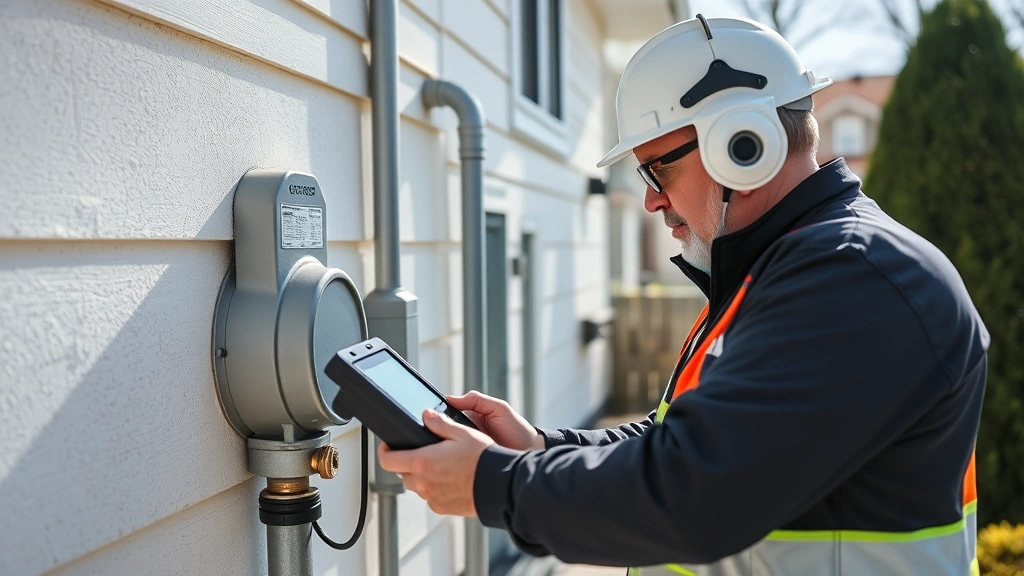
Identifying a natural gas leak relies primarily on your sense of smell, but there are several other indicators you should also watch for. The most obvious sign is detecting that distinctive rotten egg or sulfur smell, particularly in areas where you use natural gas—such as your kitchen, furnace room, water heater area, or outside near your gas meter.
Beyond odor, you may notice several other warning signs of a gas leak. Hissing or whistling sounds near gas appliances or pipes can indicate escaping gas. Visible damage to gas lines or connections, such as corrosion, cracks, or disconnections, should be taken seriously. You might also notice a white or cloudy appearance around a gas line, which can indicate escaping gas in cold weather.
Some people experience physical symptoms when exposed to natural gas leaks, though these are typically associated with natural gas that has not been odorized, or in cases of very large leaks. Symptoms can include dizziness, nausea, headaches, difficulty breathing, or chest pain. If you experience any of these symptoms in conjunction with a gas smell, evacuate immediately and call emergency services.
It’s worth noting that natural gas itself is non-toxic; the danger comes from the risk of explosion and from the displacement of oxygen in enclosed spaces. Additionally, natural gas can contain mercaptan and other compounds that may cause mild irritation or symptoms in some individuals, particularly with prolonged exposure.
For those looking to reduce their reliance on natural gas entirely, learning about sustainable energy alternatives and green technology innovations can provide pathways to cleaner home energy systems.
Immediate Actions for Gas Leak Detection
If you detect a natural gas smell in your home, follow these critical safety steps immediately:
- Do not ignore the smell. Even if you’re uncertain, treat any rotten egg smell as a potential gas leak until proven otherwise.
- Evacuate the area. Leave your home or building immediately if the smell is strong or if you’re experiencing any physical symptoms. Do not stay to investigate further.
- Avoid creating sparks or flames. Do not use matches, lighters, electrical switches, or any device that could create a spark. This includes your cell phone in some cases, though modern phones are generally safe.
- Leave doors and windows open. As you exit, open doors and windows if you can do so safely to help disperse the gas.
- Call for help from outside. Once you’ve evacuated, call your gas company’s emergency line or 911 from outside the building. Do not use your home phone.
- Don’t return inside. Wait for professional responders to investigate and declare the area safe before re-entering.
- Allow professionals to investigate. Your gas company will send technicians to locate and repair the leak at no cost.
It’s crucial to remember that natural gas companies take every report seriously and would rather respond to false alarms than miss a genuine safety hazard. Never feel embarrassed about calling for help if you smell gas.
Natural Gas Safety in Your Home
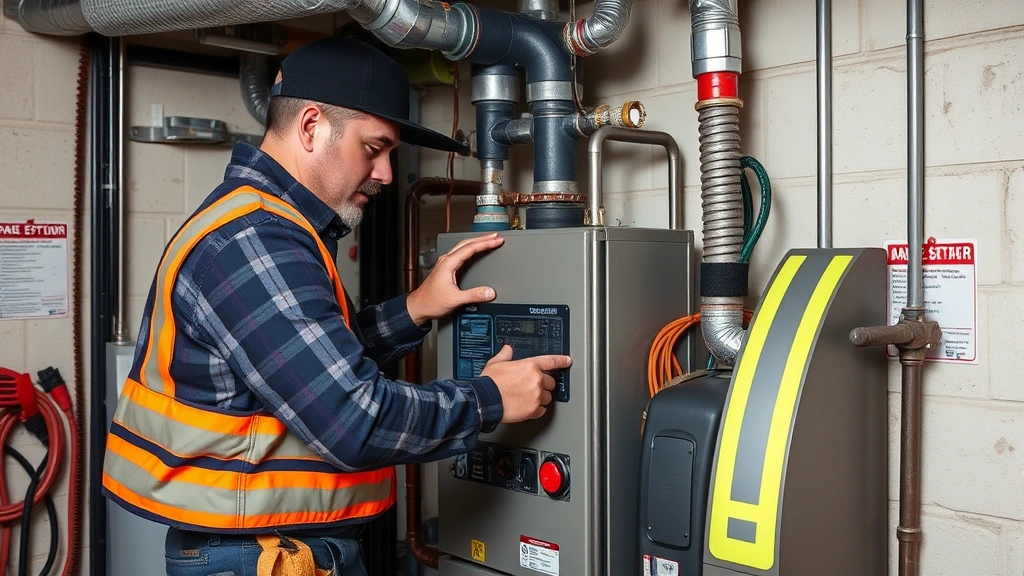
Beyond leak detection, there are several proactive steps you can take to ensure natural gas safety in your home. Regular maintenance of gas appliances is essential—have your furnace, water heater, stove, and other gas appliances inspected annually by qualified technicians. These professionals can identify potential problems before they develop into leaks or safety hazards.
Install carbon monoxide detectors throughout your home, particularly near bedrooms and in central living areas. While natural gas itself is non-toxic, incomplete combustion of gas can produce carbon monoxide, a colorless, odorless, deadly gas. Carbon monoxide detectors provide an important backup safety system.
Ensure proper ventilation around all gas appliances. Natural gas combustion requires oxygen and produces carbon dioxide and water vapor, which need to be vented outside. Blocked vents can lead to carbon monoxide buildup and other safety issues. Check that your furnace venting, range hood, and water heater exhaust are all functioning properly.
Know the location of your gas shut-off valve and learn how to turn it off in an emergency. In case of a major leak or during renovations, you may need to shut off gas to your entire home. Your gas company can show you where this valve is located and how to operate it safely.
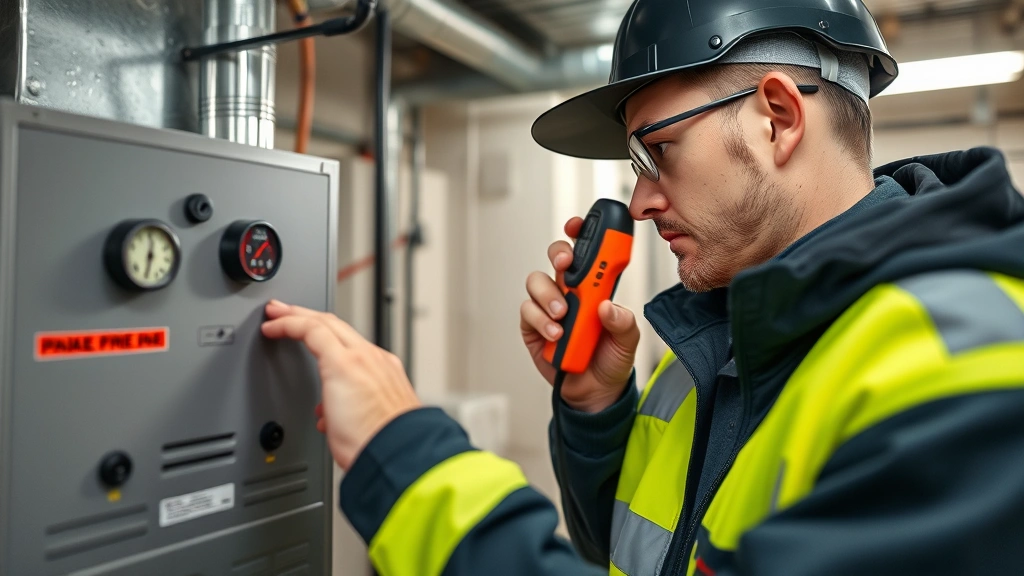
Consider having your home professionally tested for gas leaks, especially if it’s older or if you’ve noticed any concerns. Many gas companies offer free leak detection services to customers. These professionals use specialized equipment to identify leaks that might be too small for humans to smell.
” alt=”Professional technician performing natural gas system maintenance” style=”width:100%;max-width:800px;margin:20px 0;border-radius:8px”>
Gas Detection Technology and Prevention
Modern technology offers several tools to supplement the natural odor-based detection system for natural gas. Portable gas detectors and combustible gas sensors can identify natural gas leaks through electronic means, providing an additional layer of safety for homeowners and businesses who want extra assurance.
Smart home gas detectors are increasingly popular, connecting to your home network and sending alerts to your smartphone if gas is detected. These devices can monitor your home continuously, even when you’re away, providing peace of mind and early warning of potential problems.
Some utility companies now offer advanced metering infrastructure and remote monitoring systems that can detect unusual gas usage patterns that might indicate a leak. These systems can alert customers to problems before they become critical.
For those interested in reducing their dependence on natural gas entirely, there are compelling reasons to explore alternatives. Understanding how to reduce your environmental footprint includes considering the role of natural gas in your home energy consumption. While natural gas is cleaner than coal or oil, it still contributes to greenhouse gas emissions.
Transitioning to Cleaner Energy Alternatives
As sustainability becomes increasingly important, many households are exploring alternatives to natural gas for heating, cooking, and hot water. Electric heat pumps, induction cooktops, and solar thermal systems represent viable alternatives that can reduce both safety risks and environmental impact.
Heat pump technology has advanced significantly, providing efficient heating and cooling without combustion. These systems use electricity to move heat rather than generate it, making them highly efficient even in cold climates. When powered by renewable electricity, heat pumps produce zero direct emissions.
Induction cooktops offer precise temperature control and eliminate the risks associated with gas cooking, including gas leaks and carbon monoxide production. They’re also more energy-efficient than traditional gas ranges, converting more of the input energy into heat for cooking.
Solar thermal systems can provide hot water heating with minimal operating costs and zero emissions. Many homeowners combine solar thermal systems with electric backup heating to ensure reliable hot water year-round.
For those seeking comprehensive information about sustainable practices, exploring our definition of sustainability and sustainable energy solutions can help guide your transition to cleaner home energy systems.
Making the switch away from natural gas is a significant step toward reducing your household’s carbon footprint and improving safety. While the initial investment in alternative systems can be substantial, long-term savings on energy costs and potential government incentives for renewable energy adoption often make the transition economically attractive.
Frequently Asked Questions
Can natural gas smell go away over time?
The odorant in natural gas doesn’t degrade significantly under normal conditions, so the smell should remain consistent. However, in very old gas lines or under certain geological conditions, some odorant can be absorbed by pipe materials or soil, potentially weakening the smell. If you notice that gas leaks are becoming harder to detect by smell, contact your gas company for professional inspection.
What if I can’t smell natural gas but suspect a leak?
Some individuals have olfactory challenges or may be less sensitive to mercaptan’s smell. If you suspect a leak based on other signs—hissing sounds, visible damage, or physical symptoms—do not rely solely on smell. Call your gas company or a professional technician for inspection using electronic detection equipment.
Is the smell of natural gas dangerous?
The smell itself is not dangerous; it’s simply an odorant. However, it indicates the presence of natural gas, which can be dangerous in high concentrations due to explosion risk or oxygen displacement. The smell is your safety warning system and should always be taken seriously.
Why do some people smell natural gas when there’s no leak?
Occasionally, mercaptan can be detected from sources other than gas leaks, such as decomposing organic matter, certain bacteria, or geological formations. If you detect the smell but your gas company confirms no leak, investigate other potential sources. However, when in doubt, always call for professional inspection.
How often should I have my gas lines inspected?
Annual inspections of gas appliances and lines are recommended, particularly before winter when heating systems are used most heavily. Older homes or those with known issues may benefit from more frequent professional inspections.
Can I detect a gas leak using soap and water?
Yes, professionals and homeowners can use a soap and water solution to detect small leaks. Apply soapy water to suspected leak areas; if bubbles form, gas is escaping. However, this method should only be used by trained individuals and should never replace professional inspection.


