
Free Air at Gas Stations? A Complete Consumer Report on Tire Inflation Services
Finding free air at gas stations has become increasingly challenging in today’s automotive landscape. What was once a standard complimentary service at nearly every fuel pump is now a rarity, with many stations charging fees or eliminating air services altogether. This shift reflects changing business models, liability concerns, and the evolving relationship between gas stations and their customers.
Understanding where to find free air, what to expect, and why this service has become scarce is essential for vehicle maintenance and cost management. Whether you’re dealing with a slow leak, seasonal pressure changes, or routine maintenance, knowing your options can save you money and keep your tires in optimal condition for safety and fuel efficiency.
Which Gas Stations Offer Free Air
Several major gas station chains still provide complimentary air services, though availability varies significantly by location and franchise agreement. Costco remains one of the most reliable options, offering free air to members at their fuel stations nationwide. Sam’s Club similarly provides free air access as part of their membership benefits, though you must be a member to use the service.
Among traditional gas stations, Wawa (primarily on the East Coast) consistently offers free air at most locations, as does Casey’s General Store in the Midwest and South. Pilot Flying J truck stops typically provide free air services, making them excellent options for commercial and personal vehicle owners. Some independent and locally-owned gas stations still maintain the tradition of free air, particularly in rural areas where customer loyalty remains paramount.
However, it’s important to note that even within these chains, policies can vary. Franchise owners sometimes make independent decisions about amenities, and some locations may charge nominal fees despite corporate policies offering free service. Always call ahead or check their website before making a special trip.
The situation with major brands like Shell, ExxonMobil, Chevron, and BP is less consistent. While some corporate-owned stations offer free air, many franchise locations charge between $0.50 and $2.00 per use. Speedway and Circle K locations often charge fees as well, though some individual stores may offer free services as a customer retention strategy.
Why Free Air Has Disappeared
The decline of free air services reflects multiple interconnected factors in the gas station industry. Rising operational costs have made it difficult for stations to justify maintaining air compressor equipment without generating revenue. Modern air pumps require regular maintenance, calibration, and repairs—expenses that add up quickly when services are provided free of charge.
Liability concerns have also played a significant role. Gas stations worry about injury claims when customers use air pumps, particularly if equipment malfunctions or if users injure themselves. Insurance costs and legal exposure have prompted many operators to eliminate the service rather than maintain it with proper oversight and signage.
The shift toward digital payment systems and automated services has further changed the economics. Many modern air pumps require payment through mobile apps or credit cards, creating a natural point at which stations can monetize the service. This technological evolution coincided with reduced foot traffic as fewer people pump their own gas in some states, reducing the natural customer base for air services.
Additionally, the rise of tire pressure monitoring systems (TPMS) in vehicles has changed customer behavior. While these sensors alert drivers to pressure problems, they’ve also created a false sense of security for some owners, reducing the frequency of manual air checks. Stations have responded by reducing investment in air infrastructure.
Environmental and sustainability considerations have influenced some decisions as well. Compressed air systems consume electricity, and stations focused on reducing their carbon footprint may deprioritize these services. Understanding the definition of sustainability helps contextualize why some progressive stations are reconsidering their service offerings.
” alt=”Gas station air pump station with modern compressor equipment in outdoor setting”>
Average Costs When Air Isn’t Free
When free air isn’t available, costs vary considerably based on location and station type. Typical pricing ranges from $0.50 to $2.00 per use, with most stations settling in the $0.75 to $1.00 range. Some premium locations, particularly in urban areas or at truck stops, may charge up to $3.00 or more.
Payment methods have evolved significantly. Many stations now use:
- Credit or debit card readers integrated into the pump itself
- Mobile app payments through proprietary station applications
- QR codes linking to payment platforms
- Coin slots for customers preferring cash transactions
Some stations employ a hybrid model, offering free air to customers who purchase fuel but charging non-customers for the service. This approach encourages fuel purchases while generating revenue from occasional visitors.
For frequent drivers or those with chronic tire pressure issues, these costs accumulate. A driver needing air twice monthly pays $12-24 annually at $1.00 per visit, which seems modest until you consider that advantages of electric vehicles include eliminating many routine maintenance expenses entirely.
How to Find Free Air Near You
Finding free air services requires a combination of research strategies and local knowledge. Use online mapping tools like Google Maps by searching “free air near me” or “tire air pump.” Many stations now tag their listings with amenity information, though this data isn’t always current.
Contact major chains directly through their customer service lines or websites. Most maintain updated information about which locations offer free services. Call ahead rather than relying on website information, as individual franchisees may have changed policies recently.
Join loyalty programs for stations that offer free air benefits. Costco and Sam’s Club memberships provide free air access, and these programs often include additional fuel discounts that offset membership costs for regular drivers.
Connect with local automotive communities through social media groups, Reddit forums, and neighborhood apps like Nextdoor. Local residents can provide current, real-world information about which nearby stations offer free services.
Visit independent tire shops, which often provide free air to customers and sometimes to the general public. Building relationships with local shops can provide reliable access to air services without fees.
” alt=”Person checking tire pressure gauge on vehicle wheel in outdoor parking area”>
Alternative Solutions for Tire Inflation
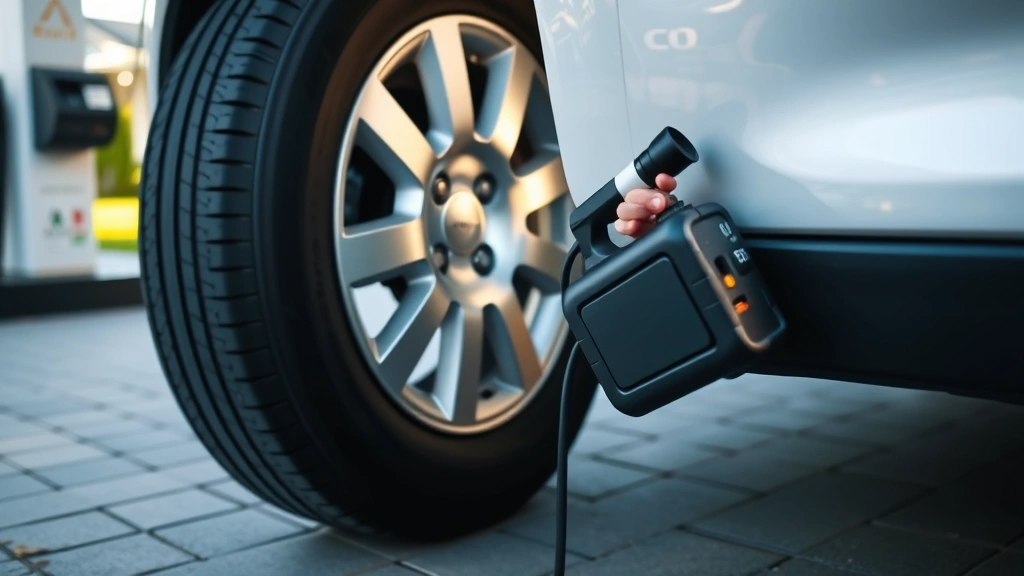
When free air proves difficult to locate, several alternatives deserve consideration. Portable tire inflators have become affordable and practical investments. Battery-powered or rechargeable models range from $20-100 and provide convenience and independence from station availability. These devices pay for themselves within a few visits to paid air stations.
12-volt DC powered inflators plug into your vehicle’s cigarette lighter and work efficiently for routine pressure adjustments. They’re lightweight, portable, and require no external power source beyond your vehicle’s battery.
AC-powered compressors represent a larger investment ($100-300+) but offer powerful, fast inflation for home or garage use. For households with multiple vehicles or frequent tire maintenance needs, this option provides excellent value over time.
Some tire retailers include free air services as part of their business model. Discount Tire, America’s Tire, and other independent tire shops often provide complimentary air to all customers, not just those making purchases. Building a relationship with a local tire professional ensures reliable access.
Consider the sustainability angle of your tire maintenance approach. Properly inflated tires improve fuel efficiency, reducing emissions and fuel consumption. Maintaining optimal pressure is an easy way to minimize your vehicle’s environmental impact. For those interested in broader sustainable energy solutions, proper vehicle maintenance is an important foundation.
Proper Tire Maintenance and Sustainability
Tire pressure directly affects vehicle performance, safety, and environmental impact. Underinflated tires increase rolling resistance, requiring more fuel to maintain speed. Studies indicate that tires underinflated by just 10 PSI can reduce fuel economy by 3-5%, resulting in increased emissions and wasted money.
Proper inflation extends tire lifespan significantly. Well-maintained tires last thousands of miles longer than neglected ones, reducing the frequency of replacement and the environmental burden of tire manufacturing and disposal. Each tire replacement represents substantial resource consumption and waste generation.
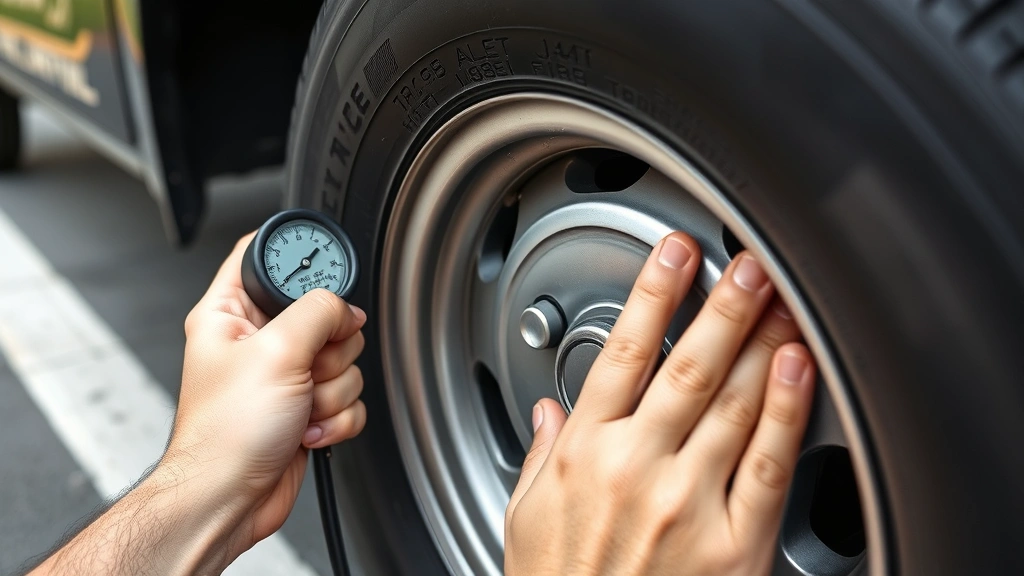
Check your tire pressure monthly and before long trips. Your vehicle’s recommended pressure is listed on a sticker inside the driver’s door jamb, not on the tire sidewall (which shows maximum pressure). Checking pressure when tires are cold—before driving or at least three hours after driving—provides accurate readings.
Understanding your vehicle’s maintenance needs connects to broader sustainability principles. Keeping your gas tank properly maintained, maintaining appropriate tire pressure, and addressing issues promptly all extend vehicle lifespan and reduce environmental impact.
For those considering alternatives to traditional gasoline vehicles, exploring advantages of electric vehicles reveals that many maintenance concerns, including tire air services, become less problematic with modern EV technology.
The tire industry is evolving toward sustainability as well. Many manufacturers now produce tires with recycled materials, and proper inflation practices reduce waste. Organizations like the EPA’s tire recycling program work to address the environmental impact of tire disposal.
For additional consumer information about vehicle maintenance and automotive practices, the National Highway Traffic Safety Administration (NHTSA) provides comprehensive guidance on tire safety and vehicle maintenance standards.
FAQ
Do all Costco locations offer free air?
Most Costco fuel stations offer free air to members, but availability can vary by location. Costco warehouses without fuel stations typically don’t have air pumps. Call your local Costco to confirm before visiting.
Is it illegal for gas stations to charge for air?
No, charging for air is legal in all U.S. states. However, some states have considered or proposed legislation requiring free air as a customer service. Check your state’s regulations for any specific requirements.
How often should I check my tire pressure?
The American Automobile Association (AAA) recommends checking tire pressure at least monthly and before long trips. Pressure changes with temperature, so check more frequently during seasonal transitions.
What’s the correct tire pressure for my vehicle?
Find the recommended pressure on the sticker inside your driver’s door jamb. Don’t use the maximum pressure listed on the tire sidewall, which is the maximum the tire can safely hold, not the optimal operating pressure.
Can I use a portable tire inflator instead of visiting gas stations?
Yes, portable inflators are practical alternatives. Battery-powered or 12-volt DC models work well for routine maintenance. For frequent use or multiple vehicles, investing in a home air compressor may be cost-effective.
Why do tire pressure monitoring systems (TPMS) still require manual checks?
TPMS alerts you to significant pressure drops but doesn’t provide precise readings. Manual checks with a quality pressure gauge help you maintain optimal pressure for fuel efficiency, tire longevity, and safety.
Are there environmental benefits to maintaining proper tire pressure?
Yes, properly inflated tires reduce fuel consumption by 3-5%, lowering emissions and reducing your vehicle’s environmental footprint. Extended tire lifespan also reduces manufacturing waste and resource consumption.
What should I do if I can’t find free air in my area?
Consider purchasing a portable tire inflator, building a relationship with a local tire shop, or joining a warehouse club like Costco or Sam’s Club that offers free air services. These options often prove cost-effective for regular maintenance.


