
Free Air at Gas Stations? Consumer Tips for Finding and Using Complimentary Tire Inflation
Finding free air at gas stations has become increasingly important for budget-conscious drivers and environmentally aware consumers alike. Properly inflated tires not only save you money on fuel costs but also reduce your vehicle’s carbon emissions and extend tire lifespan. In today’s economy, knowing where to locate complimentary air pumps can make a meaningful difference in your overall vehicle maintenance expenses and environmental impact.
The availability of free air stations varies significantly across regions and gas station brands, with some major chains phasing out complimentary services while others maintain them as customer amenities. Understanding which stations offer free air, how to use these services effectively, and why proper tire inflation matters for sustainability can help you make informed decisions about your vehicle maintenance routine. This comprehensive guide explores everything you need to know about accessing free air at gas stations and maximizing the benefits for your wallet and the planet.
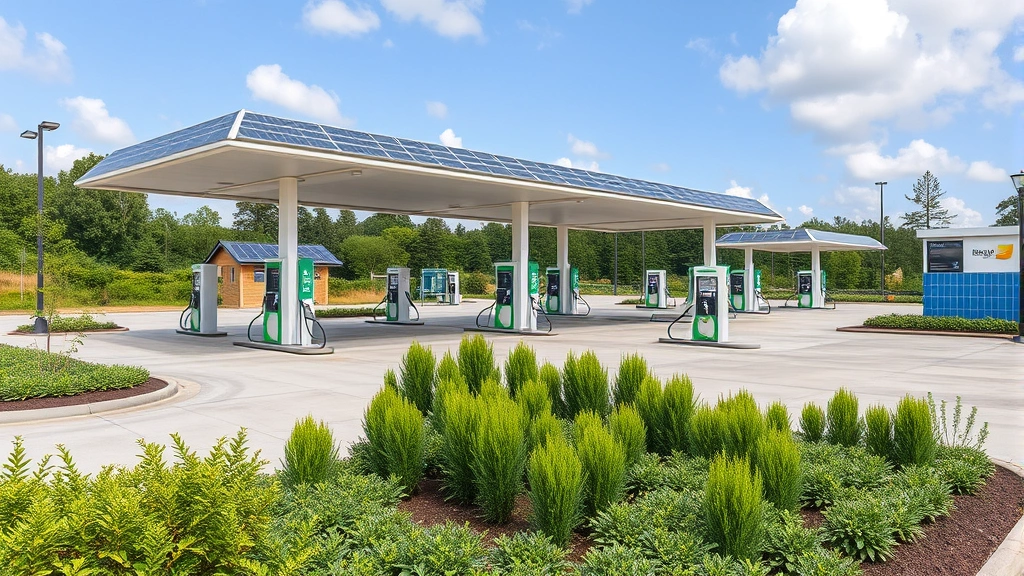
Which Gas Stations Offer Free Air
The landscape of free air availability at gas stations has shifted considerably over the past decade. Major chains have different policies regarding complimentary tire inflation services. Costco remains one of the most reliable sources for free air, offering this service exclusively to members at their gas stations nationwide. This benefit is often considered one of the many advantages of membership, alongside discounted fuel prices and quality assurance.
Wawa convenience stores, primarily located in the Mid-Atlantic and Southeast regions, consistently provide free air at their fuel stations. Similarly, GetGo locations, operated by Giant Eagle, offer complimentary air pumps at most of their convenience store fuel centers. QuikTrip gas stations across the Midwest and South typically maintain free air services as part of their customer-friendly approach.
Other chains with variable free air availability include Murphy USA, Pilot Flying J truck stops, and Love’s Travel Stops, though their policies may differ by location. Shell, Chevron, and Exxon stations increasingly charge for air services, with many implementing pay-per-use systems ranging from 50 cents to $2 per inflation. BP and Speedway locations also vary by franchise ownership, making it essential to call ahead before visiting.
Independent gas stations and local fuel retailers often provide free air as a way to compete with larger chains. These smaller operations understand that customer loyalty depends on offering value-added services. Truck stops and fleet fuel centers almost universally offer free air, recognizing the importance of tire maintenance for professional drivers.
How to Locate Free Air Pumps Near You
Finding free air stations requires a combination of online research and local knowledge. Google Maps and similar navigation apps allow you to search for specific gas station brands in your area, though they don’t always indicate whether air services are free. Calling ahead remains one of the most reliable methods—simply phone the station’s customer service line and ask about their air pump policy.
Several dedicated websites and mobile applications help drivers locate free air stations. AirCompressed.com and similar community-driven resources allow users to map and review air pump locations, though coverage varies by region. Social media groups focused on local driving communities often share current information about which nearby stations offer complimentary services.
When searching for free air, consider visiting stations during off-peak hours for easier access to pumps. Early morning and late evening typically offer the least crowded conditions. Many gas stations strategically place air pumps near the entrance or in designated maintenance areas, making them easily accessible even when the main fuel pumps are busy.
Building relationships with local gas station attendants can provide valuable insights into their air pump policies and any recent changes. Staff members often know about upcoming fee implementations or maintenance schedules that might affect service availability. This community connection approach aligns with the broader principles of definition of sustainability, emphasizing local engagement and resource awareness.
Proper Tire Inflation and Environmental Benefits
The environmental impact of properly maintained tires extends far beyond simple fuel economy. Underinflated tires increase rolling resistance, forcing your engine to work harder and consume more fuel. According to the EPA’s vehicle maintenance guidelines, maintaining proper tire pressure can improve fuel economy by up to 3 percent, reducing your carbon footprint meaningfully over time.
When tires operate at incorrect pressures, they wear unevenly and deteriorate faster, requiring premature replacement. Manufacturing new tires consumes significant energy and resources, generating substantial greenhouse gas emissions throughout the production process. Extending tire lifespan through proper inflation reduces the frequency of replacements, directly decreasing your vehicle’s overall environmental impact.
Proper tire inflation also improves vehicle safety and handling, reducing the likelihood of accidents that might result in tire damage and premature replacement. This safety dimension makes tire maintenance a comprehensive sustainability practice that protects both your wallet and the environment. Regular pressure checks should become part of your routine vehicle maintenance, ideally performed monthly or before long trips.
The connection between tire maintenance and broader sustainability practices becomes clear when you consider how small actions accumulate into significant environmental benefits. By utilizing how to reduce your environmental footprint strategies, including proper tire care, you contribute to meaningful climate action at the individual level.
Step-by-Step Guide to Using Air Pumps
Using a gas station air pump correctly ensures optimal tire pressure and safety. First, locate the recommended tire pressure for your vehicle, typically found on a sticker inside the driver’s door jamb or in your vehicle’s manual. This specification indicates the ideal PSI (pounds per square inch) for your specific vehicle model and weight distribution.
Check your current tire pressure before adding air. Most modern air pumps include a built-in pressure gauge, though standalone gauges provide more accuracy. Remove the valve cap from your tire and firmly press the gauge onto the valve stem for a few seconds to obtain a reading. Record the pressure for all four tires, noting any significant variations that might indicate problems.
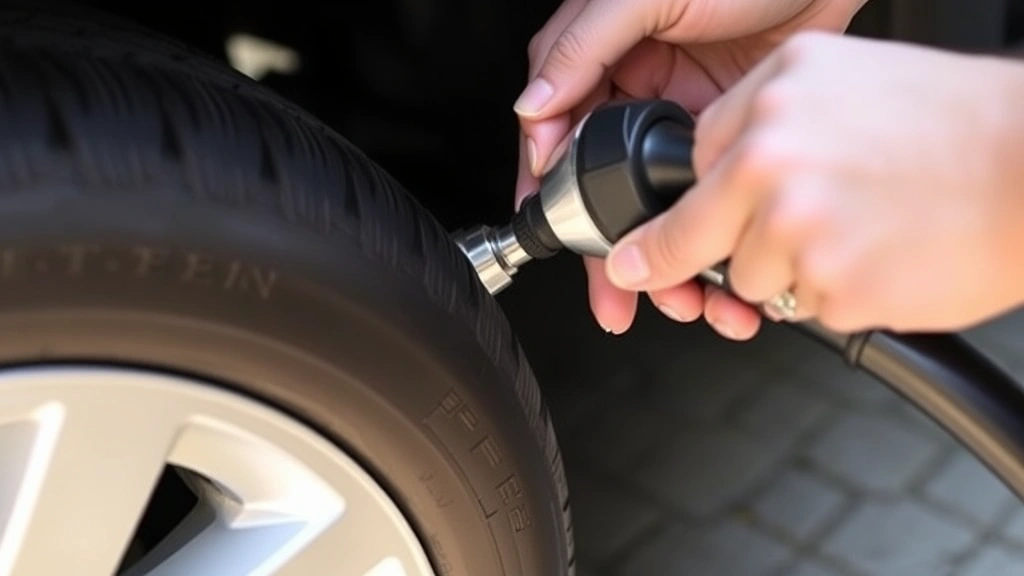
Position the air pump nozzle securely onto the tire valve stem, ensuring a tight seal to prevent air leakage. Set the desired pressure on the pump’s dial or digital display, then activate the inflation. Most modern pumps automatically stop when reaching the target pressure, preventing over-inflation. Listen for the distinctive sound change that indicates the pump has finished its cycle.
After inflation, quickly remove the nozzle and replace the valve cap. Check the pressure again with your gauge to confirm it matches your target. Repeat this process for all four tires, including the spare if accessible. Some drivers prefer checking and inflating tires when they’re cold, before driving, as tire pressure increases with heat from driving.
If you encounter an older manual pump without automatic shut-off, inflate gradually while frequently checking pressure with your gauge. Over-inflation can damage tires and compromise vehicle handling, so erring on the side of caution proves wise. Never exceed the maximum pressure listed on your tire sidewall, as this represents the tire’s structural limit rather than the vehicle’s operating recommendation.
Alternative Solutions When Free Air Isn’t Available
When free air proves unavailable in your area, several alternatives exist for maintaining proper tire pressure without excessive expense. Many auto parts retailers like AutoZone, O’Reilly Auto Parts, and NAPA offer free air pump access to customers, even those not making purchases. This service typically remains available during business hours and provides a reliable backup option.
Discount tire shops and tire retailers almost universally provide free air services as part of their business model, recognizing that customers who maintain their tires properly return for replacements and repairs more frequently. Costco, Sam’s Club, and other warehouse retailers offer free air to members, making membership valuable beyond their product offerings alone.
Investing in a portable 12-volt tire inflator powered by your vehicle’s cigarette lighter or power outlet provides convenient at-home solutions. Quality portable inflators cost between $20 and $60 and eliminate dependence on gas station services entirely. Many drivers find portable inflators particularly valuable for emergency situations and unexpected pressure drops.
Community air pump initiatives have emerged in environmentally conscious neighborhoods, with municipal governments and sustainability organizations installing free public air stations. Check with your local city government or environmental department to learn whether such facilities exist in your area. These community resources often receive funding through sustainability grants and reflect broader commitments to sustainable energy solutions at the municipal level.
Why Tire Maintenance Matters for Sustainability
Tire maintenance represents one of the most underrated sustainability practices available to vehicle owners. The transportation sector accounts for approximately 27 percent of U.S. greenhouse gas emissions, according to the EPA’s transportation air quality data, making vehicle efficiency improvements critically important for climate action.
Properly maintained tires directly reduce fuel consumption and emissions. Studies by the National Highway Traffic Safety Administration confirm that tire maintenance programs in fleet operations reduce fuel costs by 3-5 percent while simultaneously lowering carbon emissions. These percentages compound significantly over a vehicle’s lifespan, potentially preventing hundreds of pounds of CO2 from entering the atmosphere.
Beyond environmental benefits, tire maintenance connects to broader vehicle sustainability practices. Drivers committed to proper tire care often simultaneously adopt other efficiency improvements like regular maintenance, appropriate driving speeds, and vehicle weight management. This holistic approach to vehicle stewardship represents practical sustainability in action, transforming individual choices into meaningful environmental impact.
The relationship between tire maintenance and vehicle longevity extends sustainability benefits further. Well-maintained vehicles remain roadworthy longer, delaying the need for replacement and eliminating the substantial environmental costs associated with vehicle manufacturing. Manufacturing a single vehicle generates approximately 6-9 tons of CO2 equivalent, making vehicle lifespan extension one of the most impactful personal sustainability decisions available.
For those considering vehicle upgrades, exploring advantages of electric vehicles provides insights into lower-emission transportation options. Meanwhile, optimizing current vehicle efficiency through tire maintenance represents an immediate, cost-effective sustainability strategy accessible to all drivers.
Understanding the environmental implications of vehicle maintenance aligns with the broader SustainWise Hub Blog mission of empowering consumers with actionable sustainability knowledge. Tire maintenance exemplifies how small, consistent actions accumulate into significant environmental progress.
FAQ
Do all gas stations charge for air now?
No, many gas stations still offer free air, though this varies by brand and location. Costco, Wawa, GetGo, and QuikTrip typically provide complimentary services. Major chains like Shell and Chevron increasingly charge, but independent stations and truck stops usually offer free air. Always call ahead to confirm current policies.
Is it worth paying for air at gas stations?
Paying $1-2 for air is generally worthwhile if it prevents underinflation that reduces fuel economy or causes premature tire wear. However, exploring free alternatives through auto parts stores, warehouse clubs, or portable inflators often proves more economical long-term.
How often should I check tire pressure?
Check tire pressure monthly and before long trips. Tire pressure naturally decreases in cold weather, so additional checks during winter months are recommended. Inspect tires visually for damage or unusual wear patterns that might indicate pressure problems.
Can overinflated tires damage my vehicle?
Yes, overinflation reduces tire contact with the road, compromising traction and increasing wear on the tire’s center. This reduces fuel economy benefits and creates safety hazards. Always follow your vehicle manufacturer’s recommended pressure rather than the tire sidewall maximum.
What tire pressure is best for fuel economy?
Follow your vehicle’s manufacturer recommendation, found on the driver’s door jamb sticker. This pressure balances fuel economy, safety, and tire longevity. Slightly higher pressures within the recommended range may improve economy, but never exceed manufacturer specifications.
How does tire maintenance connect to broader sustainability?
Proper tire maintenance reduces fuel consumption and emissions while extending tire and vehicle lifespan. This decreases manufacturing impacts and resource consumption, making it a practical sustainability strategy. Combined with other efficiency measures, tire care contributes meaningfully to reducing your transportation carbon footprint.
For deeper insights into sustainable transportation practices, explore green technology innovations transforming our future to understand how vehicle technology continues evolving toward lower-emission solutions.


