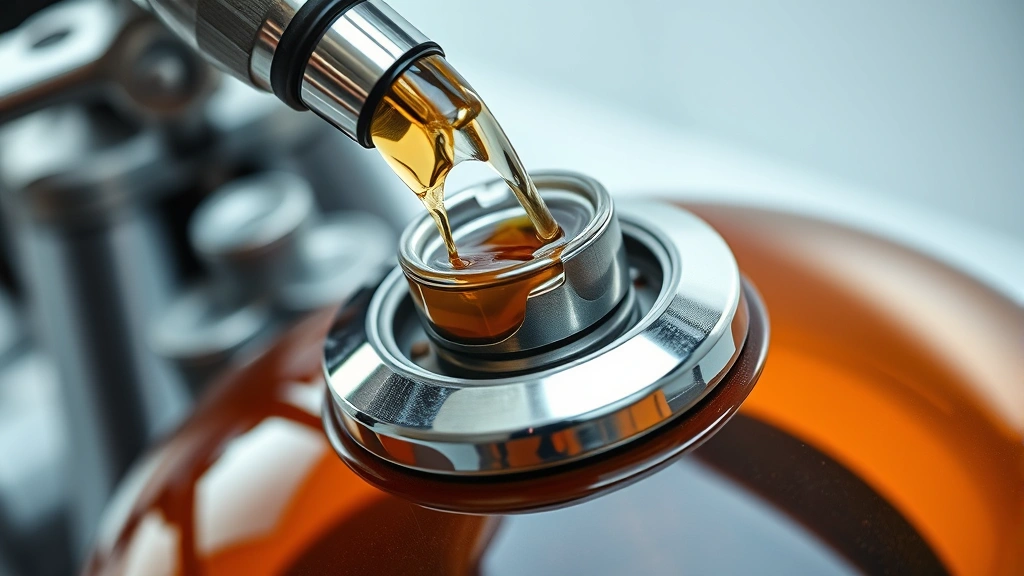
Ethanol-Free Gas: Pros and Cons Explained
As consumers become increasingly conscious of their environmental impact and vehicle performance, the debate over ethanol-free gas versus conventional fuel blends has gained significant traction. Most gasoline sold at pumps in the United States contains ethanol, typically in blends like E10 (10% ethanol, 90% gasoline). However, a growing segment of drivers is seeking alternatives, raising important questions about what ethanol-free gas truly offers and whether the benefits justify the often-higher costs.
Understanding the differences between ethanol-free gas and standard fuel blends requires examining the science, economics, and environmental implications of this choice. Whether you drive a vintage motorcycle, operate small engines, or simply want to optimize your vehicle’s performance, this comprehensive guide explores everything you need to know about ethanol-free fuel.
What is Ethanol-Free Gas?
Ethanol-free gasoline is pure gasoline without any alcohol-based fuel additives. In contrast, most conventional gasoline in the United States contains ethanol, a renewable alcohol fuel derived from corn and other crops. The EPA mandates ethanol blending through the Renewable Fuel Standard (RFS) program, which requires fuel refiners to incorporate biofuels into their products.
When we refer to ethanol-free gas, we’re talking about fuel that contains zero percent ethanol. This stands in stark contrast to E10 gas, which contains 10% ethanol, and other blends like E15 (15% ethanol) or E85 (85% ethanol) that are increasingly available at gas stations. Ethanol-free fuel is sometimes labeled as “pure gasoline” or “no ethanol fuel” at the pump.
The chemical composition of ethanol-free gas differs significantly from blended fuels. Pure gasoline burns more cleanly in certain engine types and maintains better stability over extended storage periods. For this reason, ethanol-free fuel is particularly popular among owners of classic cars, small engines, marine vessels, and recreational equipment where fuel stability and engine compatibility are critical concerns.
[IMAGE_1]
The Pros of Ethanol-Free Gasoline
Understanding the advantages of ethanol-free gas helps explain why many consumers actively seek it out despite premium pricing. These benefits span performance, longevity, and compatibility considerations.
Superior Engine Performance and Fuel Efficiency
Ethanol-free gasoline typically delivers better fuel economy compared to ethanol-blended fuels. Since ethanol contains approximately 30% less energy per gallon than pure gasoline, engines burning pure fuel extract more energy from each gallon. This translates to improved miles-per-gallon ratings, particularly noticeable in vintage vehicles and high-performance engines optimized for pure gasoline.
Drivers report smoother engine operation, better throttle response, and improved acceleration when using ethanol-free fuel. The combustion characteristics of pure gasoline allow for more efficient energy conversion, reducing fuel consumption and maximizing driving range between fill-ups.
Extended Fuel Stability and Storage
One of the most compelling advantages of ethanol-free gas is its superior stability during storage. Ethanol is hygroscopic, meaning it attracts and absorbs water from the air. When ethanol-blended fuel sits in a tank for extended periods—common with seasonal equipment, boats, or collector vehicles—water accumulation can lead to fuel degradation, corrosion, and engine damage.
Ethanol-free gasoline maintains its chemical integrity for significantly longer periods, sometimes years, without degradation. This makes it ideal for:
- Seasonal equipment (lawn mowers, snow blowers, chainsaws)
- Recreational vehicles used intermittently
- Boats and marine engines
- Collector and classic vehicles
- Generator and backup power systems
Reduced Engine Corrosion and Maintenance
The water absorption properties of ethanol can cause internal engine corrosion, fuel line deterioration, and injector fouling. Pure gasoline eliminates these risks, reducing wear on fuel system components and extending engine lifespan. Owners of vintage motorcycles and classic automobiles consistently report fewer fuel system issues when using ethanol-free alternatives.
Additionally, ethanol can dissolve rubber seals and gaskets in older engines not designed for ethanol blends. Ethanol-free fuel prevents this degradation, making it the safer choice for pre-1980s vehicles and equipment manufactured before ethanol fuel mandates.
The Cons of Ethanol-Free Gasoline
Despite its advantages, ethanol-free gas presents significant drawbacks that make it impractical or undesirable for many drivers. These limitations span cost, availability, and environmental considerations.
Substantially Higher Cost
The most obvious disadvantage of ethanol-free gasoline is its premium price point. Ethanol-free fuel typically costs 20-60 cents more per gallon than standard blended gasoline, depending on location and market conditions. For drivers filling up regularly, this price differential translates to hundreds of dollars annually in additional fuel expenses.
This cost premium exists because ethanol-free fuel represents a niche market with lower demand, limited distribution infrastructure, and higher production and logistics costs. Refineries optimize production for ethanol-blended fuels due to government mandates, making pure gasoline a specialty product with correspondingly higher prices.
Limited Availability and Convenience
Finding ethanol-free gasoline requires deliberate effort in most regions. While some gas stations carry it, the availability varies dramatically by location. Rural areas, in particular, may have few or no nearby sources of pure gasoline, necessitating inconvenient detours or special trips.
This scarcity issue becomes more pronounced for daily drivers who cannot afford the time and fuel costs associated with traveling to specialized stations. The convenience factor alone makes ethanol-free fuel impractical for most commuters, particularly in regions where multiple-mile detours are necessary.
Minimal Environmental Benefits
Contrary to popular belief, ethanol-free gasoline does not provide meaningful environmental advantages over sustainable energy solutions like ethanol blending. In fact, pure gasoline consumption may increase overall emissions due to reduced fuel efficiency compared to modern engines optimized for ethanol blends.
Ethanol produced from renewable sources like corn provides a domestic, renewable fuel that reduces petroleum dependence. The environmental calculus strongly favors ethanol blending in most scenarios, particularly when considering lifecycle emissions and resource sustainability.
Incompatibility with Modern Engines
Most vehicles manufactured after 2000 are specifically engineered to operate optimally on ethanol-blended fuels. Modern fuel injectors, engine management systems, and emission controls are calibrated for E10 gasoline. Using pure gasoline in these vehicles may actually reduce performance and increase emissions, negating any perceived benefits.
Engine manufacturers design fuel systems with ethanol compatibility in mind, adjusting combustion parameters and fuel delivery rates accordingly. Deviating from recommended fuel blends can void warranties and compromise engine efficiency.
Environmental Impact Comparison
The environmental debate between ethanol-free and ethanol-blended gasoline involves complex lifecycle analysis considerations. While ethanol-free gas might seem “purer,” the reality is more nuanced.
Ethanol advantages from an environmental perspective:
- Reduces petroleum consumption and crude oil imports
- Lowers greenhouse gas emissions over the fuel’s lifecycle
- Supports domestic agricultural industry and rural economies
- Decreases carbon intensity when produced from sustainable feedstocks
- Reduces dependence on foreign oil reserves
According to research from the U.S. Environmental Protection Agency, ethanol blending reduces carbon dioxide emissions by approximately 28% compared to pure gasoline when accounting for the entire production lifecycle. The renewable nature of ethanol—derived from crops that absorb atmospheric carbon during growth—provides measurable climate benefits.
However, ethanol production does carry environmental costs, including agricultural impacts, water usage, and processing energy. The net environmental benefit depends on production methods, transportation distances, and feedstock sourcing. Modern sustainable ethanol production continues improving these metrics.
For drivers genuinely concerned about environmental impact, exploring the advantages of electric vehicles and other zero-emission alternatives represents a more impactful choice than selecting ethanol-free fuel.

Cost Considerations and Availability
The economics of ethanol-free gasoline extend beyond simple per-gallon pricing. A comprehensive cost analysis reveals why this premium fuel remains a specialty product.
Price Premium Analysis
Ethanol-free gasoline commands a significant price premium that varies by region:
- Typical premium: 20-60 cents per gallon above standard E10
- Regional variation: Higher premiums in areas with limited supply
- Market volatility: Premiums fluctuate with ethanol and crude oil prices
- Annual cost impact: $200-600+ annually for regular fill-ups
For a vehicle consuming 15 gallons weekly, the annual cost difference between ethanol-free and standard gasoline could exceed $500, representing a substantial financial burden for budget-conscious consumers.
Where to Find Ethanol-Free Gas
Ethanol-free gasoline is available through specific channels:
- Specialty gas stations: Independent stations often carry ethanol-free options
- Marina fuel docks: Common at recreational boating facilities
- Agricultural cooperatives: Serve farmers and equipment operators
- Vintage vehicle clubs: Sometimes coordinate bulk purchases
- Online locators: Websites help identify nearby ethanol-free sources
The limited distribution network means availability depends heavily on location. Urban areas may have multiple options, while rural regions might require significant travel to access ethanol-free fuel.
Who Should Use Ethanol-Free Gas?
Determining whether ethanol-free gasoline makes sense for your situation requires honest assessment of your vehicle type and usage patterns.
Ideal Candidates for Ethanol-Free Fuel
Small engines and seasonal equipment: Lawn mowers, chainsaws, leaf blowers, and similar equipment benefit significantly from ethanol-free fuel. These engines often sit idle for months, making fuel stability paramount. The cost per use justifies the premium, and the prevention of fuel system damage saves repair expenses.
Vintage and classic vehicles: Pre-1980s automobiles, motorcycles, and collectible vehicles frequently have fuel systems incompatible with ethanol. These vehicles represent significant investments, and ethanol-free fuel protects that value while ensuring reliable operation.
Marine and recreational equipment: Boats, jet skis, and RVs benefit from ethanol-free fuel’s superior storage stability. Marine engines are particularly sensitive to water contamination that ethanol attracts.
High-performance vehicles: Some enthusiasts argue that purpose-built race engines and performance vehicles operate optimally on pure gasoline. However, modern performance vehicles are typically engineered for ethanol compatibility.
When Standard Gasoline Makes Sense
For most daily drivers, standard ethanol-blended gasoline represents the sensible choice. Modern vehicles are engineered for E10 fuel, delivering optimal performance and efficiency. The cost savings far outweigh any perceived benefits of pure gasoline.
Drivers committed to environmental responsibility should recognize that green technology innovations like electric vehicles and hybrid systems provide far greater climate benefits than fuel selection. If environmental impact drives your decision, investing in vehicle electrification offers substantially more meaningful results.
For typical commuting, ethanol-blended fuel provides adequate performance, better fuel economy in modern engines, and significant cost advantages. The convenience factor alone—no special trips to locate fuel—makes standard gasoline the practical choice for most consumers.
Frequently Asked Questions
Is ethanol-free gas better for your car?
Not necessarily for modern vehicles. Cars manufactured after 2000 are optimized for ethanol-blended fuel. Using pure gasoline may reduce performance and increase emissions. However, ethanol-free gas is superior for vintage vehicles, small engines, and seasonal equipment not designed for ethanol compatibility.
Does ethanol-free gas improve fuel economy?
Ethanol-free gas contains more energy per gallon, potentially improving fuel economy in vehicles designed for pure gasoline. However, modern engines optimized for ethanol blends may actually achieve better fuel economy with E10 fuel. The benefit depends entirely on your specific vehicle and engine calibration.
How long does ethanol-free gas last in storage?
Properly stored ethanol-free gasoline can remain stable for 6-12 months or longer, compared to 3-6 months for ethanol-blended fuel. The absence of water-absorbing ethanol eliminates a primary degradation pathway, extending storage viability significantly.
Where can I find ethanol-free gasoline?
Ethanol-free fuel is available at specialty gas stations, marina fuel docks, agricultural cooperatives, and some independent retailers. Online locator tools and maps can help identify nearby sources. Availability varies significantly by region and may require travel in some areas.
Why is ethanol-free gas more expensive?
Ethanol-free gasoline commands premium pricing due to limited demand, specialized production, smaller distribution networks, and higher logistics costs. Refineries optimize production for ethanol-blended fuels mandated by government policy, making pure gasoline a specialty product with accordingly higher prices.
Is ethanol bad for the environment?
No. According to the U.S. Department of Agriculture, ethanol is a renewable fuel that reduces greenhouse gas emissions and petroleum dependence. Ethanol blending is considered environmentally beneficial compared to pure gasoline consumption, despite some agricultural impacts associated with production.
Can I mix ethanol-free and ethanol gasoline?
Yes, mixing ethanol-free and ethanol-blended fuel is safe and common. Your vehicle’s fuel tank will contain a blend of both types. There are no chemical compatibility issues with combining these fuels. However, doing so defeats the purpose of seeking ethanol-free fuel if that was your goal.
Do all cars require ethanol-free gas?
No. Modern vehicles are designed to operate on ethanol-blended fuel. Most cars manufactured after 2000 perform optimally on E10 gasoline. Only vintage vehicles, small engines, and specialized equipment benefit from or require ethanol-free fuel. Always consult your vehicle’s owner manual for recommended fuel specifications.
For additional information on fuel standards and regulations, visit the U.S. Department of Energy’s Fuel Economy website, which provides comprehensive fuel and vehicle efficiency data.
What’s the difference between ethanol-free and premium gas?
Ethanol-free and premium are different fuel characteristics. Premium gas has a higher octane rating (typically 91-93), while ethanol-free refers to the absence of ethanol content. A fuel can be both premium and ethanol-free, or premium with ethanol, or regular-grade and ethanol-free. Check your vehicle’s requirements for both specifications.
Understanding these distinctions helps you make informed decisions about fuel selection. Consult the National Highway Traffic Safety Administration for vehicle-specific fuel recommendations and safety information.


