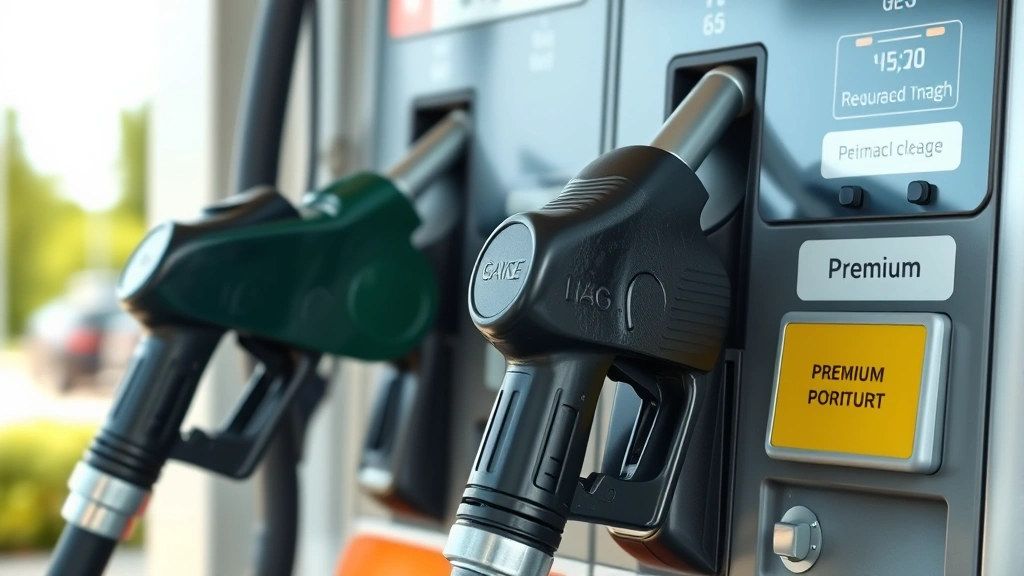
Is Premium Gas Worth It? Fuel Expert Insights and Sustainability Considerations
The question of whether premium gasoline is worth the extra cost at the pump has puzzled drivers for decades. Premium gas, typically rated at 91-93 octane, commands a price premium of 20-50 cents per gallon compared to regular 87-octane fuel. But does this higher octane rating deliver proportional benefits to your vehicle’s performance, fuel economy, and environmental impact? Understanding the science behind premium fuel requires examining octane ratings, engine knock, fuel efficiency, and the broader sustainability implications of our fuel choices.
For most drivers, premium gas remains an unnecessary expense that drains wallets without delivering measurable benefits. However, certain vehicles—particularly high-performance cars, luxury imports, and turbocharged engines—genuinely require premium fuel to operate optimally and prevent engine damage. This comprehensive guide explores what premium gas actually is, when it’s necessary, and how your fuel choice connects to your overall environmental footprint.
What is Premium Gas and How Does Octane Rating Work
Premium gasoline is a refined petroleum product with a higher octane rating than regular unleaded fuel. The octane rating measures a fuel’s resistance to pre-ignition or detonation—essentially how well the fuel resists spontaneous combustion under pressure and heat. The rating scale ranges from 87 (regular) to 91-93 (premium) and occasionally 98+ (ultra-premium), with the number representing the percentage of iso-octane in a reference fuel mixture.
When fuel ignites at precisely the right moment (when the spark plug fires), engines operate efficiently and smoothly. However, if fuel ignites prematurely due to high compression and heat, it causes a phenomenon called engine knock—an audible pinging or knocking sound that indicates combustion is occurring at the wrong time. Premium gasoline’s higher octane content provides greater resistance to this premature ignition, making it ideal for engines designed to operate at higher compression ratios.
The distinction between regular and premium fuel lies not in cleanliness or quality, but in chemical composition. Both fuels meet stringent EPA standards and contain similar detergents. The difference is purely molecular: premium fuel contains hydrocarbons that resist compression-induced ignition better than regular fuel. Understanding this fundamental difference helps explain why premium gas isn’t universally beneficial—it only provides advantages in engines specifically engineered to exploit its properties.
Engine Knock and Compression Ratios Explained
Engine knock occurs when the air-fuel mixture in your engine’s cylinders ignites prematurely, before the spark plug fires. This uncontrolled combustion creates a shockwave that produces the characteristic knocking sound and can cause significant engine damage over time, including piston and valve damage. Modern engines have knock sensors that detect this condition and adjust ignition timing to prevent damage, but chronic knocking still reduces efficiency and power output.
Your engine’s compression ratio—the amount the air-fuel mixture is compressed before ignition—directly determines its octane requirements. High-performance and luxury vehicles often feature compression ratios of 10:1 or higher, requiring premium fuel to prevent knock. Conversely, most standard sedan engines operate at compression ratios of 9:1 or lower, where regular 87-octane fuel provides complete knock prevention.
Turbocharged and supercharged engines present a special case. Forced induction systems compress air before it enters cylinders, effectively increasing compression ratios. Many turbocharged vehicles (even economy models) require premium fuel because the forced-air boost creates the same high-pressure conditions that demand higher octane ratings. Consulting your vehicle’s owner manual reveals the manufacturer’s octane recommendation—this specification reflects the engine’s actual requirements, not marketing preferences.
Some drivers mistakenly believe that using premium fuel in regular engines will improve performance or efficiency. This assumption is incorrect. An engine designed for 87-octane fuel cannot benefit from 91-octane gas because the engine management system won’t adjust to exploit premium fuel’s properties. The extra cost provides no measurable advantage, making it pure waste for these vehicles.
When Premium Gas is Actually Necessary
Premium gasoline becomes genuinely necessary in specific situations. First, if your vehicle’s owner manual explicitly requires premium fuel, using regular gas risks engine damage and voids warranties. Manufacturers specify fuel requirements based on extensive testing, and ignoring these recommendations can lead to expensive repairs. High-performance vehicles from brands like BMW, Mercedes-Benz, Audi, Porsche, and sports models from mainstream manufacturers typically require premium fuel.
Second, if you consistently hear engine knock—a metallic pinging under acceleration—your engine is likely experiencing pre-ignition. Switching to premium fuel should eliminate this sound. If knocking persists, consult a mechanic, as it may indicate carbon buildup, faulty knock sensors, or other mechanical issues requiring professional attention.
Third, turbocharged and supercharged engines frequently demand premium fuel. The forced induction system increases effective compression, necessitating fuel with higher knock resistance. Many modern turbocharged four-cylinder engines deliver performance comparable to larger naturally aspirated engines while requiring premium fuel—a trade-off manufacturers accept to meet efficiency standards.
Fourth, if you tow heavy loads regularly or drive in extreme heat, consider premium fuel even if not required. These conditions increase combustion temperatures and pressures, raising knock risk. Premium fuel provides an insurance policy against engine damage under stress conditions.
Some luxury and performance vehicles offer a “premium recommended” specification, meaning regular fuel is acceptable but premium is preferred for optimal performance. In these cases, the choice depends on your priorities: save money with regular fuel and accept slightly reduced performance, or invest in premium for maximum power and efficiency.
Premium Gas and Fuel Economy Myths
A persistent myth suggests that premium gasoline improves fuel economy in any vehicle. This is fundamentally false. Fuel economy depends on engine efficiency, aerodynamics, transmission type, driving habits, and load—not octane rating. In vehicles that don’t require premium fuel, using it will not improve miles per gallon. The EPA has confirmed that higher octane fuel provides no efficiency benefit in engines not designed to use it.
However, in vehicles that require premium fuel, using regular gasoline actually decreases fuel economy. When engines experience knock, the computer adjusts ignition timing to prevent damage, which reduces combustion efficiency and increases fuel consumption. This creates a false economy: saving 20 cents per gallon while wasting fuel through reduced efficiency results in higher overall fuel costs.
Another misconception involves “cleaning” properties. While premium fuels often contain detergents to clean fuel injectors and intake valves, these additives are present in regular fuel as well, meeting EPA minimum standards. The detergent quality difference is minimal and doesn’t justify premium fuel costs for most drivers. If fuel system cleaning is needed, dedicated fuel system cleaners provide better results at lower cost.
Some drivers report subjective performance improvements after switching to premium fuel, attributing gains to the fuel itself. These improvements typically reflect reduced knock and optimized ignition timing in vehicles where knock was previously occurring. The vehicle wasn’t damaged by premium fuel; it was being harmed by using regular fuel in an engine that required premium.
Environmental Impact of Premium Gasoline
From a sustainability perspective, premium gasoline presents a complex picture. Producing premium fuel requires additional refining steps to increase octane content, consuming more energy than producing regular fuel. This increased production energy translates to a larger carbon footprint per gallon of premium fuel compared to regular fuel. Choosing premium when not necessary directly increases your vehicle’s environmental impact.
Additionally, premium fuel often contains higher levels of aromatic hydrocarbons—compounds used to boost octane ratings. While safe in the regulated quantities present in gasoline, these aromatics contribute to air quality issues and have environmental persistence concerns. Regular fuel’s formulation typically uses less aromatic content while meeting octane requirements through different chemical pathways.
The broader sustainability consideration involves fuel choice itself. Whether choosing between regular and premium, or exploring alternatives like ethanol-free gas and E10 fuel blends, drivers should recognize that fossil fuel combustion remains the primary environmental concern. The difference between regular and premium pales in comparison to the impact of fossil fuel dependency itself.
For environmentally conscious drivers, the most impactful choice involves transitioning to electric vehicles or exploring sustainable energy solutions that eliminate gasoline consumption entirely. If you must use gasoline, using the correct fuel grade (regular, unless your vehicle requires premium) minimizes environmental harm while avoiding unnecessary costs.
The EPA’s gasoline standards ensure that all fuel—regular or premium—meets strict environmental requirements for emissions reduction. Choosing regular fuel when appropriate represents a meaningful environmental decision within the context of continued vehicle fuel use.
Cost-Benefit Analysis for Your Vehicle
Determining whether premium gas is worth it requires honest cost-benefit analysis specific to your vehicle. Start by consulting your owner’s manual to identify the octane requirement. If it specifies 87 octane, premium fuel provides zero benefit and represents pure waste. Calculate annual premium fuel costs by determining your annual mileage, dividing by your vehicle’s fuel economy, and multiplying by the per-gallon price difference (typically $0.20-0.50).
For a vehicle driving 12,000 miles annually with 25 mpg fuel economy, that’s 480 gallons per year. At a $0.30 premium difference, you’d spend $144 annually on unnecessary premium fuel. Over five years, that’s $720 wasted on fuel that provides no benefit.
If your vehicle requires or recommends premium fuel, the calculation differs. Compare the cost of premium fuel to potential repair costs from using regular fuel in a high-compression engine. Premature engine damage, timing chain issues, and valve damage can cost thousands of dollars. In this context, premium fuel becomes insurance, and the $144-300 annual cost represents money well spent.
Consider also your driving patterns. If you frequently tow, drive in extreme heat, or operate at high altitude, premium fuel may provide genuine benefits even in vehicles where it’s “recommended” rather than required. Conversely, if you primarily commute in moderate climates with light loads, regular fuel in a premium-recommended vehicle will likely perform acceptably.
Some drivers find value in premium fuel’s slightly better detergent packages and cleaner combustion properties, viewing the modest extra cost as worthwhile insurance for engine longevity. Others view it as unnecessary expense. Your decision should reflect your vehicle’s specifications, driving conditions, and personal priorities regarding preventive maintenance.
Alternatives to Premium Gas and Future Fuel Considerations
Beyond the regular versus premium choice, drivers have several alternatives worth considering. Synthetic and semi-synthetic motor oils can improve engine efficiency and reduce knock tendency, potentially allowing some vehicles to operate acceptably on regular fuel even if premium is recommended. However, this approach requires careful monitoring for knock and isn’t advisable for vehicles that explicitly require premium fuel.
Fuel additives specifically designed to increase octane rating offer another option. These products can boost octane by 2-3 points, potentially allowing some vehicles to operate on lower octane fuel. However, they’re more expensive per unit of octane increase than simply buying premium fuel, making them economically inefficient for regular use.
For environmentally conscious drivers seeking to reduce fuel dependency, exploring ways to reduce your environmental footprint through vehicle choices proves more impactful than optimizing between regular and premium gasoline. Hybrid vehicles, plug-in hybrids, and electric vehicles eliminate the premium fuel question entirely while dramatically reducing transportation-related emissions.
The automotive industry is transitioning toward electrification, with major manufacturers committing to electric vehicle production. As this transition accelerates, the premium versus regular fuel debate becomes increasingly irrelevant. However, for drivers with gasoline vehicles, understanding fuel requirements ensures optimal performance and prevents unnecessary expenses.
Some fuel retailers offer intermediate octane options (89 octane), which can serve as a compromise for vehicles with “premium recommended” specifications. These mid-grade fuels provide knock resistance between regular and premium while costing less than full premium. For certain vehicles, this represents an economically rational choice.
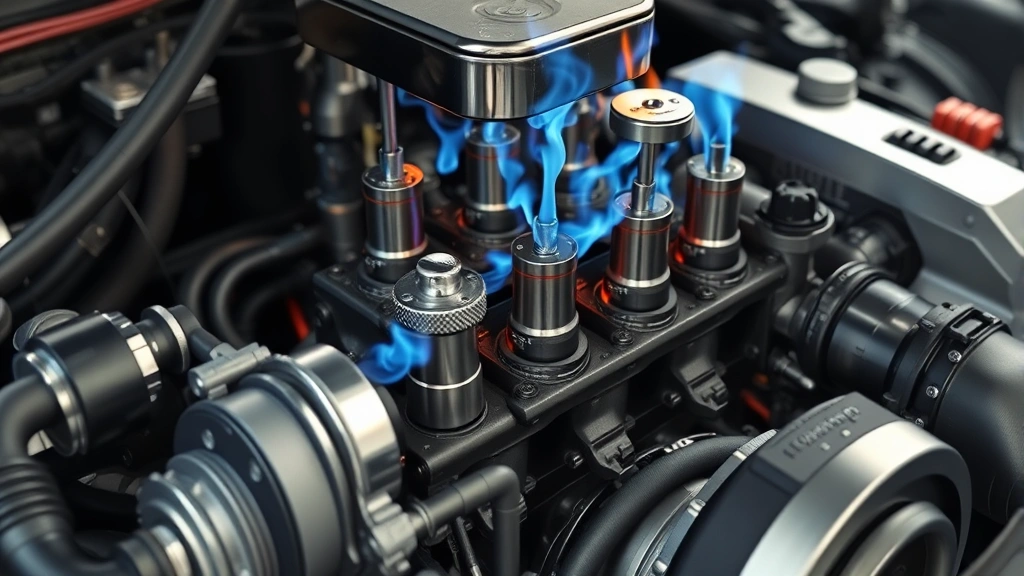
Looking forward, sustainable biofuels and advanced fuel technologies may reshape the fuel landscape entirely. Research into drop-in biofuels, hydrogen fuel cells, and synthetic fuels continues advancing, potentially offering cleaner alternatives to conventional gasoline. These emerging technologies may eventually eliminate the need for octane rating discussions altogether by replacing petroleum-based fuels with renewable alternatives.
Frequently Asked Questions
Will premium gas damage my engine if my car doesn’t require it?
No, using premium fuel in a vehicle designed for regular fuel causes no damage. Your engine simply won’t benefit from the higher octane rating, making it a waste of money. The fuel will burn normally without negative effects, but you’ll pay more for equivalent performance.
Can I save money by switching from premium to regular fuel?
Only if your vehicle’s manufacturer doesn’t require premium fuel. If premium is required or recommended, using regular fuel risks engine knock, reduced performance, and potential damage—costs that far exceed premium fuel savings. Check your owner’s manual to determine your vehicle’s actual requirement.
Why does premium fuel cost more if it’s not always necessary?
Premium fuel costs more because producing it requires additional refining processes to increase octane content. These extra steps consume more energy and resources, justifying the higher price. The cost reflects genuine production differences, not just marketing.
Does premium fuel clean my fuel injectors better?
Premium and regular fuel contain similar EPA-mandated detergent packages. While premium may include slightly enhanced additives, the difference is minimal and doesn’t justify premium costs for cleaning purposes. Dedicated fuel system cleaners provide better results at lower cost.
What should I do if my engine knocks when using regular fuel?
Switch to premium fuel immediately. Engine knock indicates pre-ignition that can damage your engine over time. If knocking persists with premium fuel, have a mechanic inspect your vehicle, as it may indicate carbon buildup, faulty knock sensors, or other mechanical issues.
Is premium fuel better for the environment?
No, premium fuel has a larger carbon footprint due to additional refining energy required for octane enhancement. If your vehicle doesn’t require premium fuel, using regular fuel reduces your environmental impact. For maximum environmental benefit, consider transitioning to electric vehicles or exploring sustainable transportation alternatives.
Should I use premium fuel if I tow a trailer?
Towing increases engine stress, compression, and combustion temperature. If your vehicle recommends premium fuel, towing makes premium fuel more valuable as insurance against knock. If your vehicle requires regular fuel, check your owner’s manual for specific towing guidance regarding fuel grade.
Can I mix regular and premium fuel?
Yes, mixing regular and premium fuel is safe and simply results in a fuel blend with intermediate octane rating. However, this approach is inefficient economically and practically. If your vehicle requires premium fuel, use premium; if it requires regular fuel, use regular. Mixing provides no advantage.
Does premium fuel improve acceleration or horsepower?
In vehicles that require premium fuel, using premium ensures knock-free combustion, which allows the engine to achieve its designed power output. In vehicles that don’t require premium, using it provides no performance benefit. You’re paying more for no additional power.
What’s the difference between premium and ultra-premium fuel?
Ultra-premium fuel (98+ octane) is produced for specific high-performance and racing vehicles with extremely high compression ratios. Most drivers will never need ultra-premium fuel. Stick with your vehicle manufacturer’s recommended octane rating.


