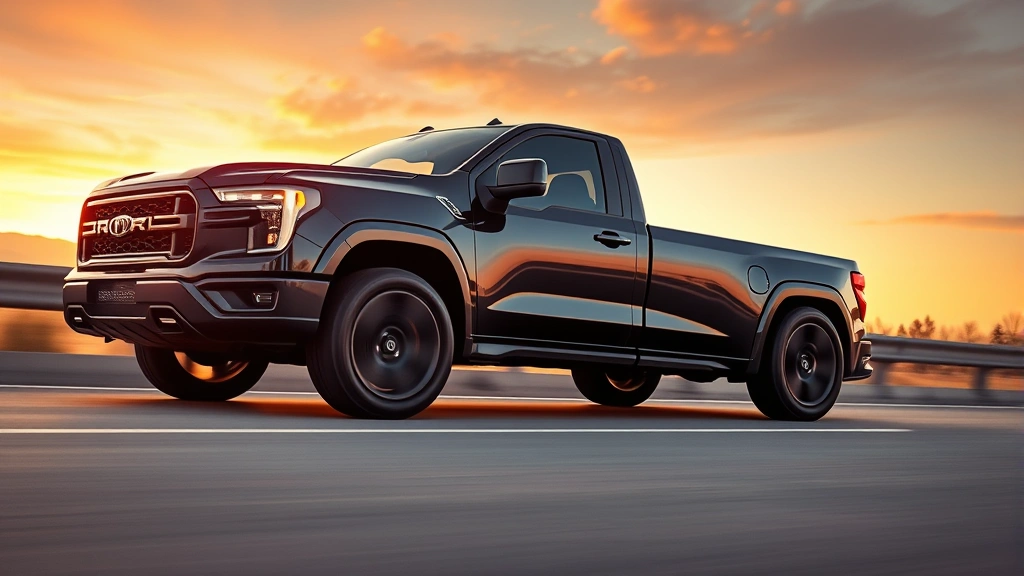
Best Truck for Gas Mileage? 2023 Rankings
Finding the right truck that balances power, capability, and fuel efficiency has become increasingly important as fuel costs rise and environmental concerns grow. The truck market has evolved dramatically, with manufacturers now offering diesel engines, hybrid systems, and aerodynamic designs that significantly improve fuel economy compared to traditional gasoline-powered models. Whether you’re a contractor, weekend adventurer, or daily commuter, selecting a truck with optimal gas mileage can save thousands of dollars annually while reducing your carbon footprint.
The 2023 truck lineup presents more sustainable options than ever before. Modern engineering advances have made it possible to maintain the towing capacity and payload that truck owners demand while simultaneously achieving impressive fuel efficiency ratings. This comprehensive guide examines the top fuel-efficient trucks available, explores the technologies driving these improvements, and helps you make an informed decision based on your specific needs and environmental values.
Top Fuel-Efficient Trucks for 2023
The 2023 model year showcases several standout performers in the fuel efficiency category. The Ford F-150 EcoBoost continues to dominate the midsize truck segment, delivering up to 23 mpg highway with its turbocharged engines. This model represents a significant leap forward in combining traditional truck capability with modern efficiency standards. The EcoBoost technology uses direct fuel injection and turbocharging to reduce engine displacement while maintaining power output, a strategy that has proven highly effective across the automotive industry.
The Chevrolet Silverado 1500 with its new 2.7-liter turbo engine achieves competitive fuel economy ratings, offering owners approximately 20-23 mpg depending on drivetrain configuration. Chevrolet’s focus on lightweight materials and optimized aerodynamics has made this truck a serious contender for environmentally conscious buyers seeking traditional truck performance.
The Ram 1500 Classic remains an excellent value option, particularly for those prioritizing fuel economy alongside affordability. With EPA ratings reaching 23 mpg highway, this truck proves that efficiency doesn’t require cutting-edge technology or premium pricing. Ram’s engineering team has successfully balanced cost-effectiveness with practical sustainability improvements that benefit both wallets and the environment.
For those interested in exploring advantages of electric vehicles, emerging electric truck options like the Ford F-150 Lightning represent the future of truck sustainability, though current models have different efficiency metrics measured in MPGe (miles per gallon equivalent).
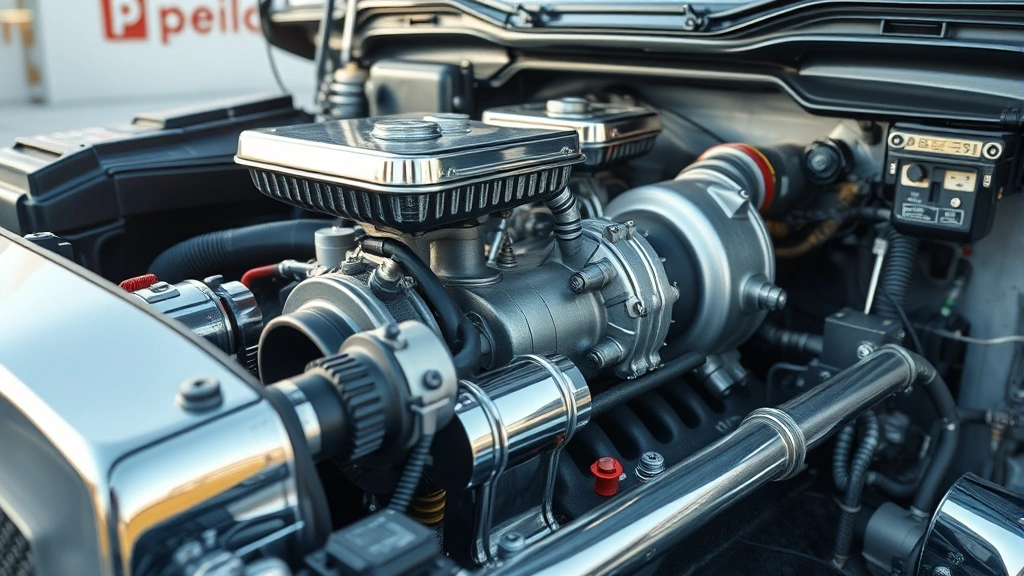
Diesel Engine Advantages
Diesel engines have long been recognized for superior fuel economy, and 2023 models continue this tradition with even cleaner, more efficient designs. The Ford F-250 and F-350 Super Duty trucks equipped with the 6.7-liter Power Stroke diesel engine achieve remarkable efficiency for their size and towing capacity. Diesel engines operate at higher compression ratios than gasoline engines, extracting more energy from each gallon of fuel. This fundamental advantage makes diesel trucks ideal for heavy-duty applications and long-distance hauling.
The Chevrolet Silverado 2500 HD with Duramax diesel engine delivers approximately 20 mpg highway while maintaining exceptional towing capacity exceeding 35,000 pounds. This combination of efficiency and power makes diesel trucks particularly valuable for commercial operations and serious recreational users. Diesel fuel contains approximately 10-15% more energy per gallon than gasoline, providing inherent efficiency advantages that modern emissions control systems haven’t diminished.
Modern diesel technology incorporates sophisticated green technology innovations transforming our future including selective catalytic reduction (SCR) systems and diesel particulate filters that reduce emissions while maintaining the efficiency benefits diesel engines provide. These advancements demonstrate how older, proven technologies can be updated to meet contemporary environmental standards.
However, potential buyers should consider that diesel fuel prices sometimes exceed gasoline prices, affecting the overall cost-per-mile calculation. Long-term ownership and annual mileage heavily influence whether diesel’s superior efficiency translates to actual savings. For owners expecting to keep their trucks 8+ years and drive significant annual distances, diesel typically proves economically advantageous.
Hybrid Truck Technologies
Hybrid truck technology represents the bridge between traditional combustion engines and fully electric powertrains. The Ford F-150 Hybrid combines a 3.5-liter EcoBoost engine with electric motor assistance, achieving up to 24 mpg combined. This system captures energy during braking through regenerative braking technology, storing it in a lithium-ion battery that powers the electric motor during acceleration and low-speed driving.
The Chevrolet Silverado 1500 Hybrid similarly pairs a 5.3-liter V8 with electric motors, delivering approximately 20-22 mpg combined while maintaining full truck functionality. Hybrid systems particularly excel in stop-and-go driving patterns common in urban environments, where electric motors can power the truck entirely during city driving, reserving the gasoline engine for highway cruising and heavy pulling.
Hybrid technology offers compelling advantages for how to reduce your environmental footprint without sacrificing truck capability. The electric motor provides instant torque, actually improving acceleration feel while the gasoline engine handles sustained power demands. This synergy creates an optimal driving experience that combines efficiency with performance.
Battery technology continues improving rapidly, with manufacturers developing lighter, more durable packs that don’t significantly impact truck payload capacity. As sustainable energy solutions advance, hybrid trucks represent a practical transition technology for buyers not yet ready for full electrification.

Aerodynamic Innovations
Aerodynamic efficiency plays a crucial but often overlooked role in truck fuel economy. Modern 2023 trucks incorporate sophisticated design elements that reduce wind resistance at highway speeds, where aerodynamic drag becomes a dominant factor affecting fuel consumption. Ford’s latest F-150 design features refined grille shutters that close when engine cooling isn’t needed, reducing drag coefficient significantly.
Underbody cladding, streamlined bumpers, and optimized bed designs all contribute to improved aerodynamic profiles. The Chevrolet Silverado 1500’s new design incorporates active shutters and aerodynamic enhancements that work together to reduce highway fuel consumption by approximately 3-5% compared to previous generations. While this may seem minor, over a truck’s 10-year lifespan, it translates to substantial fuel and cost savings.
Truck beds themselves have become more aerodynamic, with manufacturers offering tonneau covers and bed extenders designed to reduce turbulence. These aftermarket additions, combined with factory aerodynamic features, can improve fuel economy by 5-10% on highway driving. For commercial operators running thousands of miles annually, aerodynamic improvements justify their investment through fuel savings alone.
Tire technology also contributes significantly to efficiency. Modern low-rolling-resistance tires reduce friction between tire and road surface, improving fuel economy by 2-4% compared to standard tires. Many 2023 trucks come equipped with these advanced tires as standard, reflecting manufacturers’ commitment to improving the overall efficiency equation.
Transmission and Engine Efficiency
Advanced transmission technology represents another frontier in truck efficiency optimization. The 10-speed automatic transmission now standard on many 2023 trucks allows engines to operate at optimal RPM across a wider range of driving conditions. More gears mean the engine spends more time in its most efficient operating range, whether accelerating from a stop or cruising on the highway.
Engine displacement downsizing, paired with turbocharging, has revolutionized truck efficiency without sacrificing power. The Ford 2.7-liter EcoBoost engine, for instance, produces comparable horsepower to larger naturally-aspirated engines while consuming significantly less fuel. This technology, combined with definition of sustainability principles, demonstrates how innovation can align environmental responsibility with consumer desires.
Variable valve timing and direct fuel injection ensure that fuel combusts more completely, extracting maximum energy while reducing emissions. These technologies have matured significantly, with millions of miles of real-world data confirming their reliability and durability. Modern truck engines are engineered to last 200,000+ miles while maintaining efficiency ratings throughout their lifespan.
Automatic engine stop-start systems, increasingly common on 2023 models, shut down the engine during traffic stops and low-speed driving, reducing wasted fuel. While some drivers initially find this feature disconcerting, it effectively improves fuel economy in city driving by 3-5% without requiring any behavior changes from the operator.
Real-World Mileage Expectations
EPA fuel economy ratings provide useful baseline comparisons, but real-world driving often produces different results. Factors including driving habits, road conditions, weather, vehicle load, and maintenance significantly impact actual fuel consumption. A truck rated at 22 mpg highway might achieve 20-21 mpg in real-world conditions depending on driving patterns and external variables.
Aggressive acceleration and high-speed driving dramatically reduce fuel economy, with highway speeds above 65 mph reducing efficiency by approximately 7-10% compared to 55 mph driving. Truck owners prioritizing fuel economy should adopt steady, moderate acceleration patterns and maintain consistent highway speeds. Proper tire inflation, regular maintenance, and aerodynamic optimization all contribute to achieving EPA-rated or better fuel economy.
Payload weight significantly impacts fuel consumption, particularly on lighter trucks. A fully loaded truck bed or towing capacity utilization naturally reduces fuel economy compared to unloaded operation. This reality shouldn’t discourage truck purchases for those requiring capability; rather, it emphasizes the importance of matching truck size and engine selection to actual usage patterns.
Cold weather operation reduces fuel economy by 10-20% due to engine inefficiency during warm-up periods and increased rolling resistance from winter tires. Conversely, warm-weather driving typically produces better-than-rated fuel economy. Understanding these seasonal variations helps owners accurately budget fuel costs and set realistic efficiency expectations.
Cost Savings Over Time
While fuel-efficient trucks often carry higher purchase prices than baseline models, fuel savings typically offset this premium within 3-5 years of ownership. A truck achieving 23 mpg versus 18 mpg saves approximately 2,000 gallons annually at 20,000 miles per year, representing roughly $6,000 in fuel savings at current prices. Over a 10-year ownership period, this differential compounds to substantial savings.
Diesel trucks, despite higher purchase prices, often prove most economical for high-mileage owners. A truck driven 200,000 miles over its lifetime might save $8,000-12,000 in fuel costs through diesel’s superior efficiency, justifying the premium price. Hybrid trucks occupy a middle ground, offering meaningful savings without the complexity or higher cost of diesel systems.
Maintenance costs deserve consideration when calculating true ownership expenses. Diesel engines require specialized service and more expensive oil changes, while hybrid systems add complexity that might increase future repair costs. However, modern diesels and hybrids have proven remarkably reliable, with warranty coverage typically extending to 100,000+ miles on powertrains.
Insurance costs, registration fees, and depreciation also factor into total cost of ownership calculations. Fuel-efficient trucks often retain value better than less-efficient counterparts, offsetting some depreciation expenses. Buyers serious about maximizing savings should calculate total 5-year and 10-year ownership costs rather than focusing solely on purchase price.
Environmental Impact Considerations
Fuel efficiency directly correlates with reduced carbon emissions, making fuel-efficient trucks an environmentally responsible choice. A truck achieving 23 mpg produces approximately 20% fewer CO2 emissions than an 18 mpg truck over its lifetime. For environmentally conscious owners, selecting the most fuel-efficient truck available represents a tangible contribution to SustainWise Hub Blog topics and climate action.
Beyond direct tailpipe emissions, manufacturing efficiency matters significantly. Modern trucks incorporate recycled materials, efficient production processes, and lighter-weight components that reduce manufacturing carbon footprints. Selecting trucks designed with sustainability principles reduces the overall environmental cost of vehicle production and operation.
Proper maintenance practices amplify environmental benefits of fuel-efficient trucks. Regular oil changes, air filter replacements, and tire pressure checks ensure engines operate at peak efficiency, maximizing fuel economy and minimizing emissions. Owners committed to environmental responsibility should view maintenance as essential to their sustainability goals.
For those seriously committed to reducing transportation environmental impact, exploring advantages of electric vehicles remains important, particularly as electric truck technology matures and becomes more affordable. However, for current truck buyers, selecting the most fuel-efficient option available represents a responsible interim solution.
According to the EPA’s FuelEconomy.gov website, fuel-efficient vehicles can save owners thousands while reducing pollution. The 2023 truck fuel economy comparison tool provides detailed efficiency data for all available models.
Making Your Decision
Selecting the best fuel-efficient truck requires honestly assessing your specific needs, driving patterns, and budget constraints. Commercial users with high annual mileage should prioritize diesel or hybrid options, where fuel savings justify higher purchase prices. Casual truck owners driving fewer than 10,000 miles annually might find gasoline EcoBoost engines provide optimal balance of cost, efficiency, and simplicity.
Test driving multiple options reveals how different powertrains feel during actual driving, helping you match technology to your preferences. Some drivers prefer the traditional feel of naturally-aspirated engines, while others appreciate turbo responsiveness. Hybrid systems provide unique advantages in stop-and-go driving that pure gasoline or diesel engines cannot match.
Considering long-term ownership plans influences decisions significantly. First-time truck buyers uncertain about future needs might select proven gasoline EcoBoost engines with strong resale value. Committed truck enthusiasts planning 10+ year ownership can confidently select diesel or hybrid systems with confidence in long-term reliability and economic benefits.
Consulting resources like the National Highway Traffic Safety Administration (NHTSA) safety ratings and Consumer Reports truck reviews provides comprehensive data for informed decision-making. These authoritative sources combine fuel economy data with reliability ratings, safety information, and owner satisfaction metrics.
FAQ
What truck gets the best gas mileage in 2023?
The Ford F-150 EcoBoost and Chevrolet Silverado 1500 with turbocharged engines lead the field, achieving 23-24 mpg highway. For heavy-duty trucks, the Ford F-250 Power Stroke diesel delivers exceptional efficiency for its size and capability. Hybrid options like the Ford F-150 Hybrid offer competitive efficiency with different driving characteristics.
Is diesel or gasoline better for fuel economy?
Diesel engines typically achieve 20-30% better fuel economy than comparable gasoline engines due to higher energy density and compression ratios. However, diesel fuel sometimes costs more, and diesel trucks command higher purchase prices. For high-mileage owners, diesel usually proves more economical; casual drivers might find gasoline more practical.
Do hybrid trucks really save fuel?
Yes, hybrid trucks save 10-20% fuel compared to gasoline-only counterparts, particularly in stop-and-go driving. Highway fuel economy improvements are more modest since hybrid systems excel during acceleration and city driving. Hybrid trucks prove most economical for owners with mixed driving patterns including significant city driving.
How can I improve my truck’s fuel economy?
Maintaining proper tire pressure, regular oil changes, smooth acceleration patterns, and moderate highway speeds all improve fuel economy. Adding aerodynamic enhancements like tonneau covers and avoiding excessive idling further optimize efficiency. Removing unnecessary weight from truck beds also meaningfully impacts fuel consumption.
Are fuel-efficient trucks reliable?
Modern fuel-efficient trucks incorporating EcoBoost, diesel, and hybrid technologies have proven remarkably reliable through millions of miles of real-world operation. Manufacturer warranties typically cover powertrains through 100,000+ miles, and independent reliability data confirms these systems maintain durability comparable to traditional engines.
Should I choose a truck based solely on fuel economy?
While fuel economy matters significantly, consider your actual needs, budget, driving patterns, and intended uses. A highly efficient truck that lacks necessary towing capacity or features proves false economy. Match truck selection to your requirements first, then optimize fuel efficiency within that category.


