
Best Gas Mileage Cars: Top Picks for 2023
Finding the best vehicle on gas has never been more important. As fuel prices fluctuate and environmental concerns grow, choosing a fuel-efficient car makes both financial and ecological sense. Whether you’re commuting daily or taking long road trips, maximizing gas mileage reduces your carbon footprint while keeping more money in your wallet.
The automotive industry has made remarkable strides in fuel efficiency over the past decade. Modern vehicles combine advanced engine technology, lightweight materials, and aerodynamic designs to achieve impressive MPG ratings. But with so many options available, how do you know which car offers the best fuel economy for your lifestyle?
Understanding Fuel Efficiency Metrics
Before diving into specific vehicle recommendations, it’s essential to understand how fuel efficiency is measured. The EPA rates vehicles using miles per gallon (MPG) in three categories: city driving, highway driving, and combined estimates. City MPG reflects stop-and-go traffic conditions, while highway MPG measures fuel efficiency at steady speeds. The combined rating provides a balanced average of both driving scenarios.
When evaluating what is the best vehicle on gas, you’ll encounter terms like “real-world MPG” versus EPA estimates. Real-world performance often differs from laboratory tests due to driving habits, traffic conditions, and vehicle maintenance. Factors affecting your actual gas mileage include tire pressure, engine condition, driving style, and payload weight. Understanding these variables helps you make an informed decision and maximize fuel efficiency regardless of which vehicle you choose.
The EPA’s fuel economy website provides comprehensive data on thousands of vehicles, allowing you to compare MPG ratings side-by-side. This resource is invaluable when researching fuel-efficient options and understanding how different models stack up against competitors in their class.
Top Hybrid Vehicles for Maximum Efficiency
Hybrid vehicles represent the sweet spot between traditional gasoline engines and fully electric cars. These vehicles use both an internal combustion engine and an electric motor, automatically switching between power sources to optimize fuel efficiency. The regenerative braking system captures energy typically lost during deceleration, storing it in the battery for later use.
The Toyota Prius remains the gold standard for hybrid efficiency, consistently achieving 50+ MPG combined in recent models. Its proven reliability and extensive dealer network make it an attractive choice for drivers prioritizing fuel economy. The Prius excels in city driving where the electric motor handles low-speed acceleration, maximizing efficiency in stop-and-go traffic.
The Honda Insight offers comparable efficiency with a more upscale interior and refined driving experience. With combined ratings around 50-55 MPG, the Insight appeals to drivers seeking luxury features without sacrificing fuel economy. Its lightweight construction and efficient engine design contribute to impressive real-world performance.
The Toyota Corolla Hybrid brings hybrid efficiency to a practical sedan format, achieving 50-53 MPG combined while offering more cargo space than the Prius. For families seeking fuel efficiency without compromising practicality, the Corolla Hybrid represents an excellent value proposition.
Hybrid SUVs have also emerged as viable options for those needing more space. The Toyota Highlander Hybrid and Lexus RX Hybrid deliver 30+ MPG combined while accommodating three rows of passengers, proving that efficiency and utility can coexist. These vehicles emit significantly less than their gasoline counterparts, aligning with sustainable transportation principles.
Best Compact and Sedan Options
Compact cars have historically dominated fuel economy rankings due to their lightweight design and smaller engines. Modern compact vehicles combine efficiency with improved safety features and interior comfort previously found only in larger vehicles.
The Honda Civic achieves an impressive 32-42 MPG depending on engine choice, with the base four-cylinder model offering outstanding efficiency. The Civic’s balanced approach delivers responsive handling and reasonable fuel economy without requiring hybrid technology.
The Toyota Corolla remains one of the most fuel-efficient non-hybrid sedans available, achieving 28-38 MPG combined. Its legendary reliability and affordable maintenance make it an economical choice over the vehicle’s lifetime, not just at the pump.
The Hyundai Elantra offers excellent value with 32-40 MPG combined, competitive pricing, and a modern interior. Hyundai’s warranty coverage provides peace of mind, making it an attractive option for budget-conscious buyers prioritizing fuel efficiency.
For those seeking premium efficiency without hybrid complexity, the BMW 3 Series and Mercedes-Benz C-Class offer turbocharged engines delivering 30+ MPG combined with luxury features and refined performance. These vehicles prove that efficiency extends beyond economy segments.
Sedan buyers should also consider that sustainable energy solutions increasingly include plug-in hybrid sedans, which combine the efficiency of compact vehicles with extended electric range for daily commuting.
Electric Vehicles as the Ultimate Solution
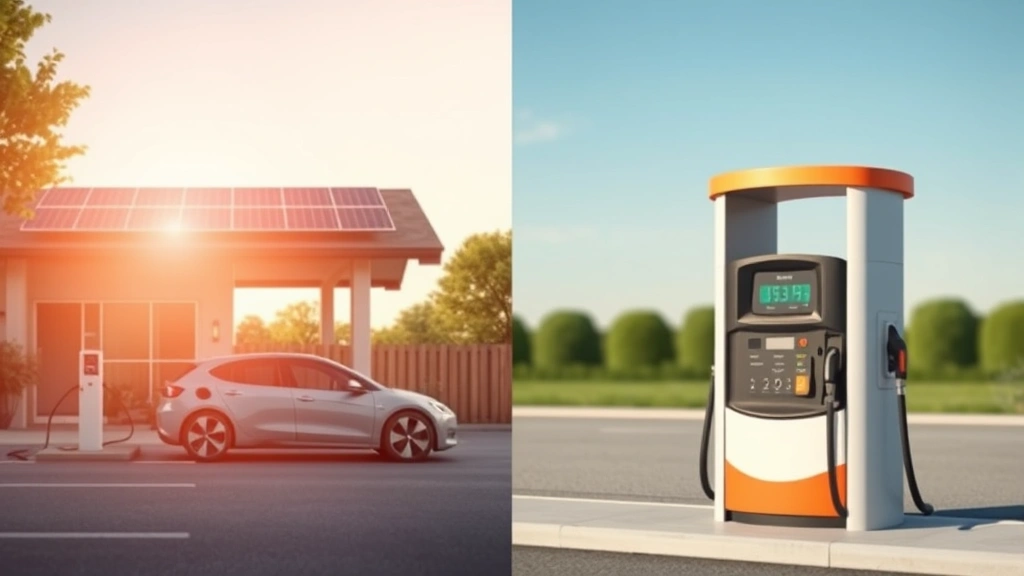
While this article focuses on gas mileage, it’s important to acknowledge that advantages of electric vehicles extend far beyond fuel efficiency. Electric cars eliminate tailpipe emissions entirely, offering the ultimate solution for environmentally conscious drivers. When powered by renewable electricity, EVs represent the cleanest transportation option available.
The Tesla Model 3 achieves an EPA-equivalent rating of 120+ MPGe (miles per gallon equivalent), translating to approximately 25 cents per mile in electricity costs compared to $1+ per mile for gasoline vehicles. The Model 3’s 300+ mile range addresses range anxiety concerns that previously limited EV adoption.
The Chevrolet Bolt offers similar efficiency with a lower price point, making electric transportation accessible to mainstream buyers. With 120 MPGe combined and 250+ mile range, the Bolt provides practical daily transportation without premium pricing.
The Hyundai Ioniq Electric and Kia Niro EV deliver 130+ MPGe, demonstrating that Korean manufacturers excel at efficiency optimization. These vehicles combine impressive efficiency with practical features and reasonable pricing.
For drivers unable to commit to full electrification, plug-in hybrids (PHEVs) offer a transition path. Vehicles like the Mitsubishi Outlander PHEV and Toyota Prius Prime provide 50+ electric-only miles for daily commuting while maintaining gasoline range for longer trips. This hybrid approach minimizes emissions for typical driving patterns while eliminating range anxiety.
Understanding the broader context of vehicle sustainability helps you make choices aligned with how to reduce your environmental footprint across all aspects of your life.
Tips to Improve Your Car’s Gas Mileage
Regardless of which vehicle you choose, several practices optimize fuel efficiency and extend engine life. These actionable strategies reduce fuel consumption and environmental impact:
- Maintain Proper Tire Pressure: Underinflated tires increase rolling resistance, reducing fuel economy by up to 3%. Check tire pressure monthly and inflate to manufacturer specifications found on the driver’s door jamb.
- Regular Engine Maintenance: Replace air filters, spark plugs, and engine oil according to manufacturer schedules. A well-maintained engine operates more efficiently and burns less fuel.
- Minimize Idle Time: Modern engines consume more fuel idling than restarting. If stopped for more than 10 seconds, turn off your engine rather than letting it run.
- Reduce Vehicle Weight: Remove unnecessary items from your trunk and roof racks. Each 100 pounds of additional weight reduces fuel economy by approximately 1-2%.
- Optimize Driving Habits: Smooth acceleration and deceleration, maintaining steady highway speeds, and avoiding aggressive driving significantly improve fuel efficiency. Hypermiling techniques can increase efficiency by 10-15%.
- Use Cruise Control: On highways, cruise control maintains consistent speed and reduces fuel consumption compared to manual throttle management.
- Plan Efficient Routes: Combining errands into single trips and avoiding congested routes reduces overall fuel consumption and driving time.
- Choose Premium Fuel Wisely: Most vehicles run fine on regular unleaded fuel. Using premium when not required wastes money without improving efficiency.
Comparing Real-World Performance
EPA estimates provide standardized comparisons, but real-world fuel economy depends on numerous variables. Highway driving typically yields better MPG than city driving because engines operate at optimal efficiency at steady speeds. Stop-and-go traffic forces engines to work harder, consuming more fuel per mile traveled.
Climate affects fuel economy significantly. Cold weather increases fuel consumption because engines require more fuel for combustion when cold. Winter fuel blends also contain less energy than summer blends, further reducing efficiency. Conversely, warm weather and summer fuel blends improve fuel economy.
Driving style dramatically impacts fuel consumption. Aggressive acceleration and rapid deceleration waste fuel, while smooth, gradual speed changes optimize efficiency. Data from driving apps demonstrates that drivers who prioritize smooth inputs achieve 15-20% better fuel economy than aggressive drivers in identical vehicles.
Vehicle load and aerodynamics influence efficiency. Roof racks increase wind resistance, reducing highway fuel economy by 5-10%. Roof boxes have even greater impact, degrading efficiency by 10-25% depending on design and speed. Removing these accessories when not needed improves fuel economy immediately.
Transmission type affects efficiency significantly. Modern continuously variable transmissions (CVTs) and eight-speed automatics optimize engine RPM for fuel economy better than traditional four-speed automatics. Manual transmissions offer excellent efficiency for skilled drivers who maintain optimal engine speeds, but automatics now match or exceed manual efficiency in most vehicles.
To accurately assess fuel economy, track consumption over multiple fill-ups. Divide miles driven by gallons consumed to calculate actual MPG. This real-world data reveals how your vehicle performs under your specific driving conditions, helping you identify efficiency opportunities and validate manufacturer claims.
Exploring green technology innovations transforming our future reveals how automotive efficiency continues advancing through aerodynamic improvements, lightweight materials, and intelligent power management systems.
FAQ
What is the most fuel-efficient car in 2023?
The Toyota Prius remains the most fuel-efficient gasoline-powered vehicle, achieving 50+ MPG combined. However, the Tesla Model 3 and Chevrolet Bolt EV deliver superior efficiency when measured in MPGe, making them the most efficient overall. Plug-in hybrids like the Toyota Prius Prime offer exceptional efficiency for typical daily commuting patterns.
Can I improve my car’s fuel economy after purchase?
Yes, significantly. Maintaining proper tire pressure, regular engine maintenance, and optimizing driving habits can improve fuel economy by 10-20%. Removing unnecessary weight and roof accessories provides immediate gains. These practices also extend engine life and reduce emissions.
Are hybrid cars worth the premium price?
For drivers covering 12,000+ miles annually, hybrids typically pay for themselves within 5-7 years through fuel savings. Hybrids also qualify for potential tax credits and incentives in many regions. Long-term ownership costs, including resale value and reliability, often favor hybrids despite higher initial purchase prices.
How does hybrid efficiency compare to electric vehicles?
Electric vehicles are more efficient when powered by renewable electricity, achieving equivalent fuel costs 60-75% lower than hybrids. However, hybrids eliminate range anxiety and charging infrastructure concerns. Plug-in hybrids bridge this gap, offering electric efficiency for daily commutes with gasoline range for longer trips.
What driving conditions affect fuel economy most?
City driving with frequent stops and acceleration reduces fuel economy significantly compared to highway driving. Cold weather, high altitude, and vehicle load all negatively impact efficiency. Maintaining steady speeds on highways optimizes fuel economy, which is why highway MPG ratings exceed city ratings for most vehicles.
Should I consider a used fuel-efficient car?
Used fuel-efficient vehicles offer excellent value, allowing you to access hybrid or efficient models at lower prices. However, verify vehicle history and condition thoroughly. Battery health matters for hybrids, so request inspection reports and battery diagnostics before purchasing.
How does vehicle maintenance impact fuel economy?
Regular maintenance directly affects efficiency. Dirty air filters reduce airflow to engines, forcing them to work harder. Worn spark plugs compromise combustion efficiency. Misaligned wheels increase rolling resistance. Keeping your vehicle properly maintained improves fuel economy by 5-10% while extending engine life and reducing emissions.


