Best Gas Detector Calibrator? Price Guide 2023
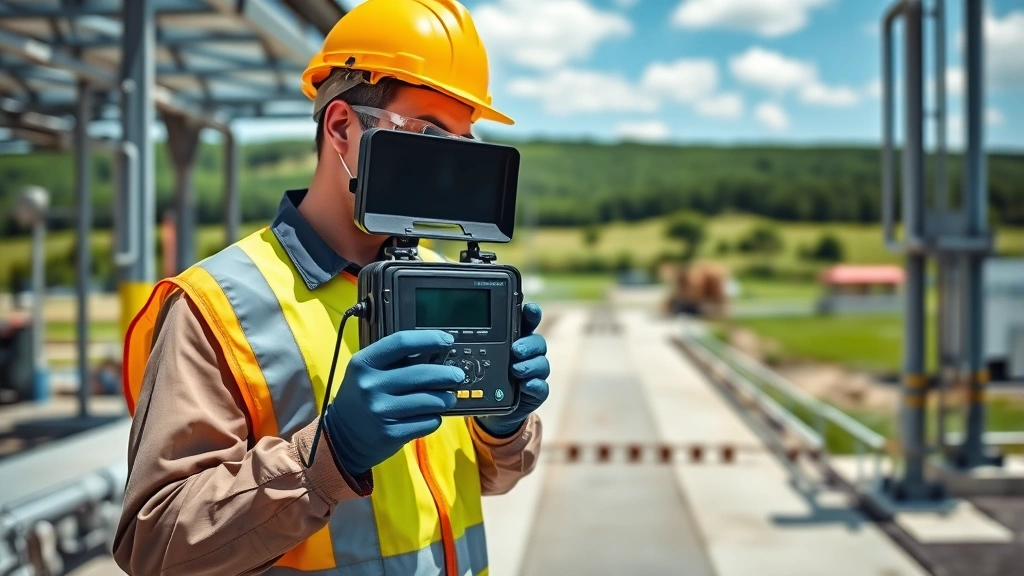
Gas detector calibration machines are critical safety instruments used across industrial, environmental, and occupational health sectors to ensure accurate detection of hazardous gases. Whether you’re managing workplace safety, environmental monitoring, or emergency response operations, selecting the right XNX gas detector calibration machine at the right price point directly impacts both safety outcomes and operational efficiency. This comprehensive guide explores the current market landscape, pricing strategies, and sustainability considerations surrounding gas detector calibrators in 2023.
The importance of proper gas detection cannot be overstated. Accurate calibration ensures that detection equipment functions reliably when workers or communities face exposure to toxic, flammable, or oxygen-depleted atmospheres. As industrial operations become increasingly complex and environmental regulations tighten, the demand for reliable calibration equipment continues to grow. Understanding pricing, features, and performance specifications helps organizations make informed purchasing decisions while maintaining compliance with safety standards.
Understanding Gas Detector Calibration Technology
Gas detector calibration involves comparing a detector’s response to known concentrations of calibration gases to verify accuracy and adjust sensitivity settings. This process is essential for maintaining detection reliability and meeting regulatory requirements established by organizations like OSHA and EPA. Calibration machines automate this procedure, reducing human error and improving consistency across multiple detectors.
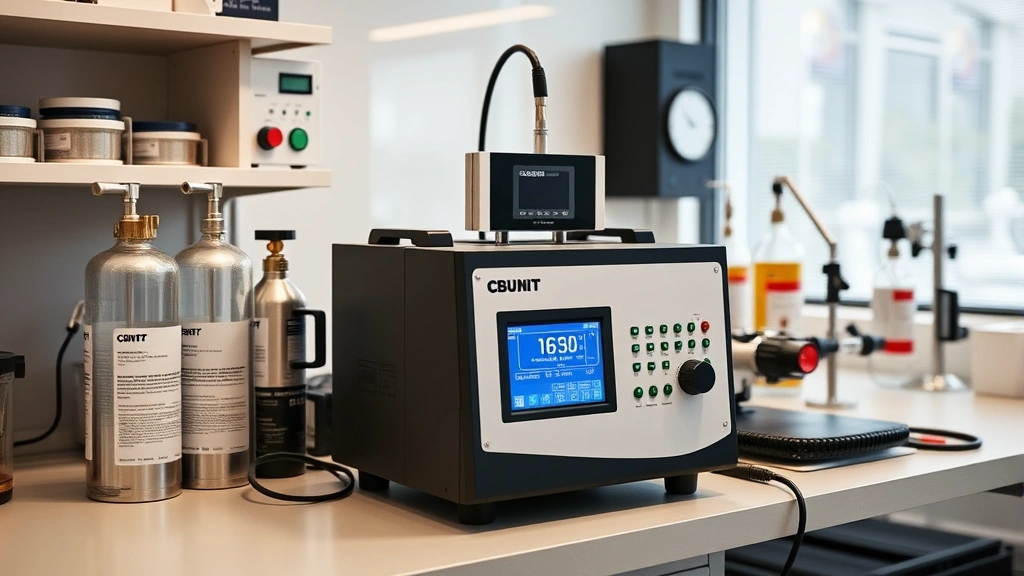
Modern calibration technology employs sophisticated gas mixing systems that blend pure calibration gases with air or nitrogen to create precise test concentrations. These machines typically feature digital displays, automated mixing algorithms, and data logging capabilities. The XNX platform represents a significant advancement in this field, offering enhanced accuracy and user-friendly interfaces that streamline the calibration workflow.
Understanding the technical foundation of calibration equipment helps you evaluate whether specific features justify their cost. Key technological components include gas flow control mechanisms, pressure regulators, mixing chambers, and sensor response monitoring systems. Each component contributes to overall accuracy and reliability, which directly impacts workplace safety outcomes.
XNX Gas Detector Calibration Machines: Features and Specifications
The XNX gas detector calibration machine represents a modern approach to detector maintenance, incorporating automated features that enhance safety and efficiency. These systems typically support multiple gas types including oxygen, combustible gases, hydrogen sulfide, carbon monoxide, and nitrogen dioxide. The versatility of XNX platforms makes them suitable for diverse industrial applications, from petrochemical facilities to wastewater treatment plants.
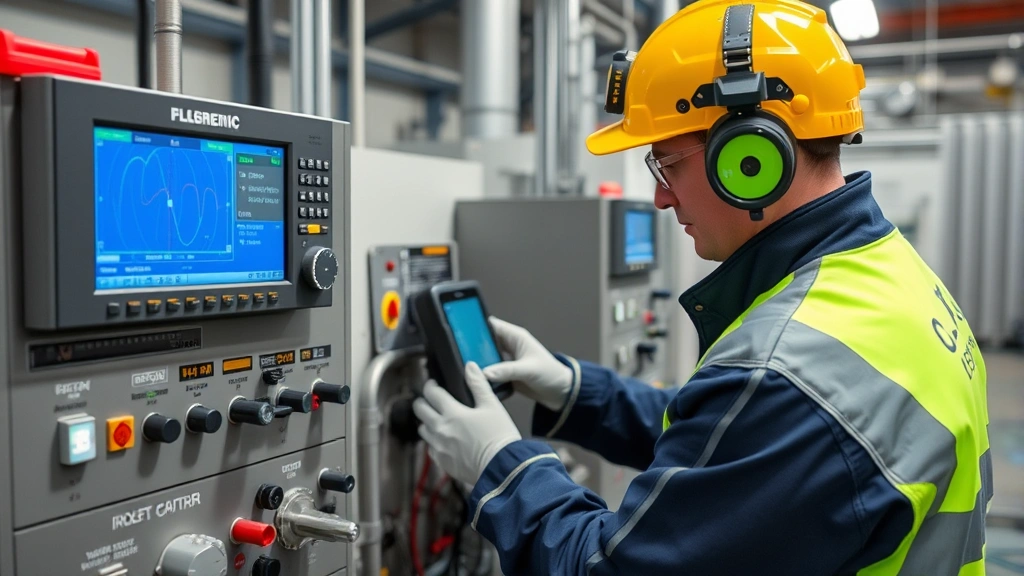
Key features commonly found in XNX calibrators include automated gas selection, digital flow rate adjustment, temperature compensation, and comprehensive data logging. Many models offer Bluetooth connectivity for remote monitoring and reporting, supporting the broader shift toward green technology innovations in industrial safety equipment. Battery-powered options reduce dependence on fixed power sources, improving portability and reducing energy consumption during field operations.
Advanced XNX models incorporate smart sensor diagnostics that identify detector degradation before failures occur, extending equipment lifespan and reducing waste. This predictive maintenance capability aligns with sustainability principles by minimizing unnecessary equipment replacement and associated environmental impacts from manufacturing and disposal.
2023 Price Guide and Market Analysis
Gas detector calibration machine pricing in 2023 varies significantly based on functionality, brand reputation, and included accessories. Entry-level models suitable for basic bump testing and span calibration typically range from $1,500 to $3,500. These machines offer essential functionality for organizations with straightforward calibration needs and limited gas type requirements.
Mid-range XNX calibrators, priced between $3,500 and $8,000, incorporate advanced features like multi-gas support, automated mixing, and data logging capabilities. These models represent the most popular segment for medium-sized industrial operations and environmental monitoring agencies. The additional investment provides measurable improvements in accuracy, user efficiency, and compliance documentation.
Premium models exceeding $8,000 offer comprehensive solutions including extensive gas libraries, advanced diagnostics, wireless connectivity, and integration with facility management systems. Organizations managing large detector fleets or operating in highly regulated industries often justify these investments through improved operational efficiency and reduced compliance risk.
Price variations reflect several market factors. Supply chain considerations, raw material costs, and semiconductor availability influenced 2023 pricing. Currency fluctuations affected import costs for equipment manufactured internationally. Increased demand for industrial safety equipment, driven by post-pandemic facility expansions and stricter environmental regulations, supported higher pricing across all market segments.
When evaluating pricing, consider total cost of ownership rather than initial purchase price. Machines requiring expensive calibration gas cylinders or frequent maintenance may have higher lifetime costs despite lower upfront prices. Warranty coverage, manufacturer support availability, and parts replacement costs significantly impact long-term expenses.
Comparing Top Models and Manufacturers
Several manufacturers dominate the gas detector calibration market, each offering distinct advantages. Established companies like Drager, MSA Safety, and Industrial Scientific have built reputations for reliability and comprehensive support systems. These manufacturers typically command premium pricing but offer extensive training resources, spare parts availability, and technical support networks.
Emerging manufacturers offering XNX-compatible platforms provide competitive alternatives with innovative features at lower price points. These companies often focus on specific market segments or gas types, allowing them to optimize functionality for particular applications. Comparing specifications across manufacturers requires evaluating multiple factors beyond price.
Accuracy specifications represent a critical comparison metric. Most professional-grade calibrators achieve ±2-5% accuracy, though premium models may reach ±1% accuracy. For applications involving toxic gases at low concentrations, this accuracy difference can be meaningful. Response time—how quickly the machine delivers calibration gas—affects productivity, particularly when calibrating large detector fleets.
Gas type coverage determines whether a machine suits your specific needs. Some XNX models support specialized gases like phosphine or arsine, essential for semiconductor manufacturing environments. Others focus on common industrial gases, reducing complexity and cost. Sustainable energy solutions increasingly incorporate gas detection, creating demand for calibrators supporting emerging gas types.
Portability features vary considerably. Battery-powered models offer flexibility for field operations and remote locations, while bench-mounted systems provide stability for high-volume calibration facilities. Environmental conditions—temperature ranges, humidity tolerance, vibration resistance—affect equipment suitability for specific deployment contexts.
Sustainability and Environmental Considerations
Gas detector calibration equipment carries environmental implications throughout its lifecycle. Manufacturing processes, energy consumption during operation, and end-of-life disposal all contribute to environmental impact. Selecting calibration machines with sustainability features supports broader organizational environmental goals while often reducing operational costs.
Energy efficiency represents a primary sustainability consideration. Modern XNX calibrators consume significantly less power than older generation equipment, particularly models featuring automatic shutoff and low-power standby modes. Solar-powered charging options for portable models further reduce energy demand. When aggregated across large detector fleets, these efficiency improvements yield substantial annual energy savings.
Calibration gas consumption directly impacts environmental footprint. Advanced mixing systems that precisely deliver required gas concentrations minimize waste compared to traditional methods. Some manufacturers offer gas recycling systems that capture unused calibration gas, reducing overall consumption and associated costs. This aligns with strategies to reduce environmental footprint across industrial operations.
The materials used in calibration equipment manufacturing affect sustainability profiles. Equipment manufactured from recycled materials or designed for extended lifespan reduces mining demands and manufacturing waste. Modular designs allowing component replacement rather than complete unit replacement extend equipment life and reduce waste generation.
Regulatory frameworks increasingly incorporate environmental considerations into safety equipment standards. The International Organization for Standardization (ISO) and similar bodies continue developing standards addressing environmental impacts of industrial equipment. Organizations prioritizing sustainability should evaluate how equipment selections align with emerging standards and corporate environmental commitments.
Digital connectivity features in modern calibration machines reduce paper consumption associated with compliance documentation. Cloud-based data storage and automated reporting systems eliminate traditional paper trails while improving data accessibility and analysis capabilities. This digital transformation supports both operational efficiency and environmental objectives.
Selecting the Right Calibrator for Your Needs
Choosing an appropriate gas detector calibration machine requires systematic evaluation of organizational needs, operational context, and long-term strategic objectives. Begin by assessing detector inventory and gas type coverage requirements. Organizations maintaining diverse detector types across multiple work environments need more capable machines than those with standardized equipment in controlled settings.
Operational volume significantly influences machine selection. High-volume calibration facilities justify investment in automated systems with rapid cycling capabilities, while low-volume operations may succeed with manual or semi-automated approaches. Frequency of use affects equipment utilization rates and return on investment calculations.
Environmental operating conditions determine equipment suitability. Equipment deployed in harsh environments—extreme temperatures, corrosive atmospheres, high vibration areas—requires robust construction and protective features. Portable models for field operations need weather resistance and durable battery systems, while bench-mounted equipment can prioritize accuracy and feature richness over ruggedness.
Regulatory compliance requirements establish minimum functionality standards. Different industries have distinct calibration protocols, documentation requirements, and certification standards. Equipment selection must accommodate these requirements while allowing for future regulatory changes. Manufacturer commitment to software updates and standard compliance improvements indicates long-term viability.
Budget constraints naturally influence decisions, but should not override safety or compliance requirements. Calculating total cost of ownership—including gas costs, maintenance, training, and productivity gains—provides more meaningful comparisons than initial purchase price alone. Many organizations find that investing in higher-capability equipment reduces lifetime costs through improved efficiency and reduced detector replacement rates.
Integration with existing facility systems affects practical utility. Equipment compatible with current safety management systems and documentation platforms streamlines workflows and reduces training requirements. Wireless connectivity and data export capabilities improve administrative efficiency and compliance tracking.
Cost-Benefit Analysis and ROI
Comprehensive cost-benefit analysis justifies gas detector calibration machine investments by quantifying both tangible and intangible benefits. Direct cost savings emerge from improved calibration efficiency, reduced detector replacement rates, and minimized downtime from false alarms caused by poorly calibrated equipment. Organizations typically recover equipment investment within 18-36 months through operational efficiencies.
Safety improvements provide significant but harder-to-quantify benefits. Reliable detector calibration prevents accidents that could result in worker injuries, fatalities, and associated liability costs. Insurance premium reductions and improved safety records offer measurable financial benefits while protecting human wellbeing. NIOSH research documents substantial economic benefits from workplace hazard detection and prevention programs.
Compliance cost avoidance represents another important ROI component. Regulatory violations result in significant fines, operational shutdowns, and reputational damage. Equipment that facilitates regulatory compliance reduces these risks while improving community relations and stakeholder confidence. Documentation capabilities in modern calibrators streamline audit preparation and demonstrate compliance commitment.
Productivity gains emerge from reduced calibration time and improved workflow efficiency. Automated systems allow technicians to calibrate more detectors in equivalent timeframes, freeing capacity for other safety-related activities. Training time reduction as operators become proficient with intuitive interfaces further improves productivity metrics.
Environmental benefits, while not directly monetized, increasingly influence organizational purchasing decisions and stakeholder perceptions. Equipment supporting sustainability objectives aligns with corporate environmental commitments and appeals to conscious consumers and employees. This reputational value, though difficult to quantify precisely, contributes to overall organizational value creation.
Resale value and equipment depreciation affect long-term financial outcomes. Quality equipment from established manufacturers typically retains value better than budget alternatives, providing options for equipment upgrades or redeployment. This residual value reduces true cost of ownership and improves financial flexibility.
FAQ
What is the typical lifespan of a gas detector calibration machine?
Well-maintained XNX calibration machines typically function reliably for 5-10 years, with some premium models lasting longer. Lifespan depends on usage intensity, environmental conditions, and maintenance practices. Regular preventive maintenance, including sensor cleaning and component inspection, significantly extends equipment longevity. Manufacturer support availability becomes increasingly important as equipment ages.
How often should gas detectors be calibrated?
Calibration frequency depends on detector type, usage intensity, and regulatory requirements. Most industrial detectors require monthly or quarterly calibration, though some applications demand weekly procedures. Manufacturers provide specific guidance based on detector design and operating conditions. Bump testing—quick functional checks—often occurs more frequently than full calibration.
Can XNX calibrators handle all gas types?
Most XNX models support common industrial gases including oxygen, combustible gases, hydrogen sulfide, and carbon monoxide. However, specialized gases or extreme concentration ranges may require specific equipment configurations. Verify gas compatibility before purchasing to ensure the machine meets your facility’s requirements.
What training is required to operate calibration equipment?
Manufacturers typically provide initial training covering equipment operation, safety procedures, and maintenance requirements. Most operators become proficient within days of hands-on experience. Ongoing education helps staff understand regulatory changes and optimal equipment utilization. Some organizations implement certification programs for calibration technicians.
Are used or refurbished calibrators acceptable alternatives?
Used equipment from reputable sources can offer cost savings, though warranty coverage and support availability may be limited. Refurbished equipment from manufacturers provides better assurance of functionality and support. Carefully evaluate the condition of used equipment and verify manufacturer support before purchasing. Newer equipment often justifies the cost premium through improved features and extended support availability.
How do I calculate total cost of ownership for calibration equipment?
Include initial purchase price, calibration gas costs, maintenance and repairs, training expenses, facility space allocation, and productivity gains or losses. Compare these figures across equipment options to identify the most economical choice over the equipment’s expected lifespan. Consider warranty coverage, support costs, and potential equipment upgrade expenses when projecting long-term expenses.


